
Best Aluminum Outdoor Sectional (2026): Frame, Cushions and Layout
Disclosure: We may earn a commission when you buy through links on this page, at no extra cost to you. As an Amazon Associate I earn from qualifying purchases. Learn more

Best Aluminum Outdoor Sectional guide: compare frames, cushions, layouts and footprints to find a rust resistant set that fits your patio.
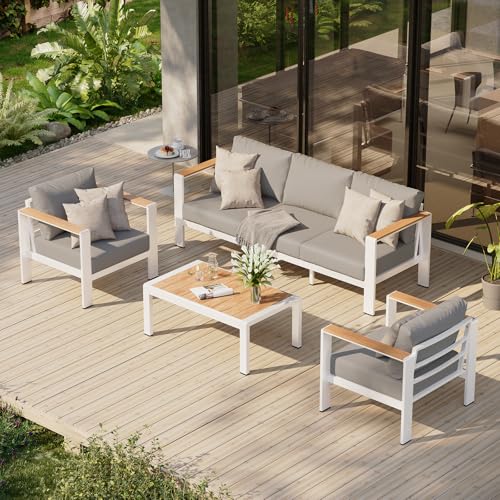
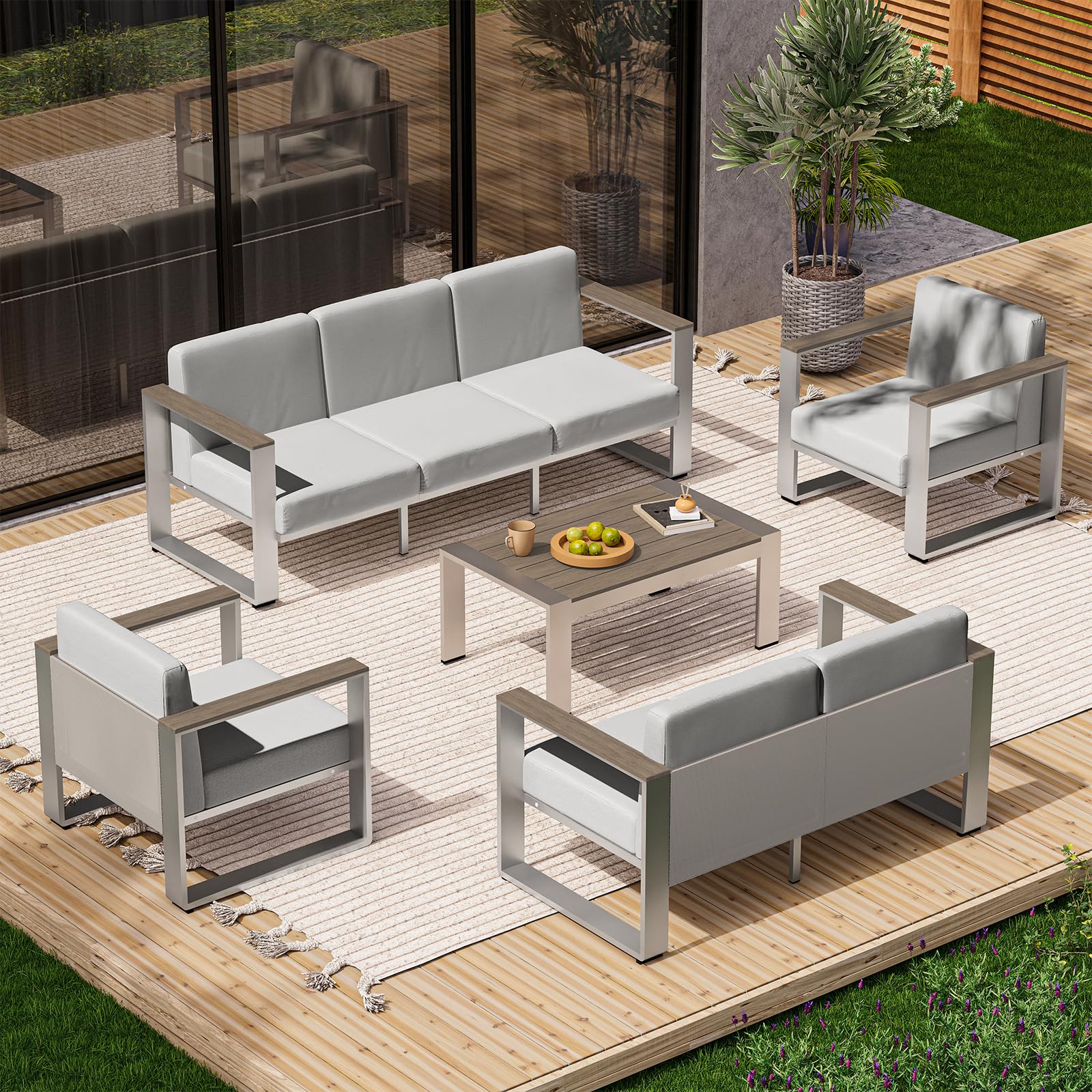
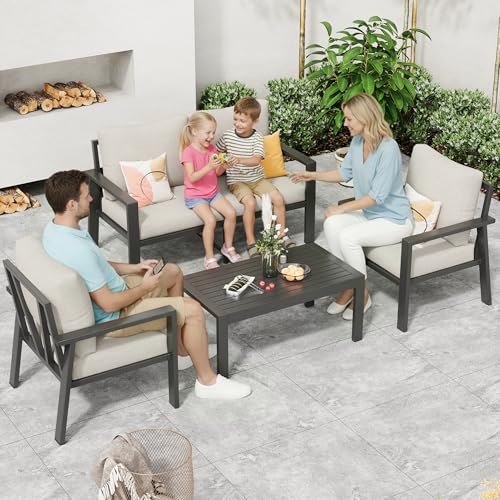
Choosing an outdoor sectional gets harder when you want a frame that stays light enough to move, resists rust through rainy months, and still feels solid when a full row of guests sits down. That balance is why many shoppers look for the best aluminum outdoor sectional for their patio or deck. Aluminum gives you strength without the weight of steel, and a good finish protects the metal season after season. The product table below lists current aluminum sets so you can narrow your choice before reading on.
Start by measuring your space and thinking about how you gather outside. A compact corner set for morning coffee needs a different footprint than a wide layout for weekend cookouts. If you are still comparing materials broadly, see our guide to the best outdoor sectional for the wider picture, then return here for what aluminum does best and where it needs extra care.



Who Should Buy an Aluminum Outdoor Sectional?
Hosts Who Rearrange the Patio Often
You will move this furniture more than you expect, for cleaning, for a fire pit night, and to open up deck space. Aluminum pieces are far easier for one or two people to lift than heavy wood or steel frames. Look for sections with manageable weight, smooth feet that will not scrape decking, and connectors that lock pieces together once you settle on a layout.
Homes Near the Coast or a Pool
Salt air and pool splash punish bare metal, and aluminum handles that exposure well because it does not rust the way steel does. It can still corrode at scratches and at joints where water sits, so a sealed finish matters a great deal here. Choose cushions that dry fast, and rinse frames with fresh water now and then to wash away salt and chlorine.
Owners of Small Patios and Covered Porches
On a small patio every inch counts, and bulky frames waste seating room. Aluminum profiles can be slimmer while keeping good strength, so you gain seats without crowding walkways. A corner layout against two walls often fits best, while armless pieces keep sight lines open. Lighter sections also make storage simpler, since you can carry pieces indoors without help.
Types of Aluminum Outdoor Sectionals Compared
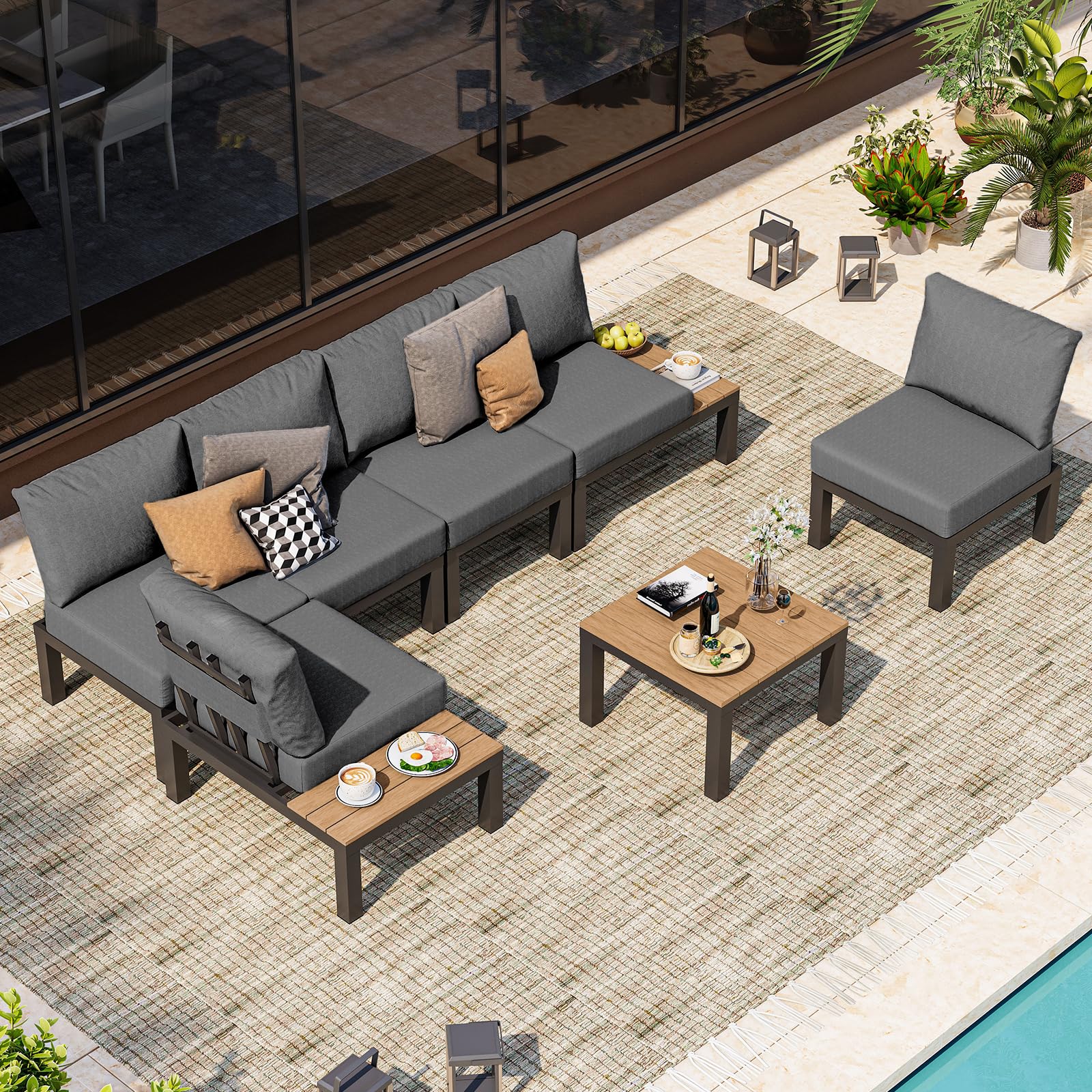
Most aluminum sectionals fall into three layout families. A compact L shaped set joins a sofa and a chaise or a short return along one wall. It seats about four to five people, suits square patios, and leaves one side open for traffic. Because the return is fixed, measure both wall lengths before you order, and check that the chaise side matches the side you actually want when you face the yard.
A modular set uses separate armless chairs, corner units, and ottomans that you arrange to fit the day. You can form a long sofa one weekend and split the pieces into a conversation grouping the next. If flexible layouts matter most to you, see our guide to the best modular outdoor sectional for layout planning ideas. Modular sets cost more per seat in many cases, and you need to store extra connectors and confirm that replacement units stay available in the same finish.
A large U shaped or deep seat layout wraps seating around three sides of a central table. It works for big decks and for families who stretch out with feet up, but it needs a wide clear area and a path for serving food. Deep seats feel relaxed for lounging, yet shorter guests may need a firm back pillow to sit upright. Picture the table in the middle, since a layout that looks airy on paper can feel tight once foot room is added.
How to Evaluate Quality Without Guesswork
Judge a sectional by its frame joints, finish, and hardware rather than by photos alone. Welded joints usually feel sturdier than joints held only by small bolts, though bolted modular frames can be strong when brackets are thick and bolts are stainless steel. Read the weight capacity per seat, the frame thickness in the listing, and the warranty length for frame and fabric. A longer frame warranty often signals that the maker expects the finish and welds to hold up.
Key Features to Compare
Frame Build and Finish
The frame is the part you cannot easily replace, so it deserves the closest look. Thicker tubing and reinforced corners resist flex when people shift their weight, while thin tubing can feel springy and noisy. A powder coated finish bonds color and protection to the metal and resists peeling better than thin paint. Check how tube ends are capped, since open ends invite water and insects inside. Ask how to touch up a chip, because prompt touch up keeps bare metal from oxidizing.
Cushions, Fabric, and Drying Speed
Cushions decide whether a sturdy frame is pleasant to use. Solution dyed acrylic and olefin fabrics resist fading in strong sun and shed light rain better than basic polyester, which can fade and hold water longer. Foam wrapped in a water shedding layer dries faster than dense foam alone. Removable covers help with washing, but check the care label first. Seat depth and thickness should match your group, since very soft cushions can be hard for older guests to rise from.
Size, Capacity, and Footprint
Measure the full footprint with pieces pushed together, then add space to walk beside the set where you need a path. Sellers sometimes list each piece on its own, so add the widths yourself and compare the total with your tape measurements at home. Allow about 18 to 24 inches between the sectional and a coffee table for leg room. Count seats honestly. A set rated for six may seat six for drinks but only four comfortably for a long meal.
Extra Features Worth Paying For
Some extras earn their cost, while others only add weight and storage bulk. A matching ottoman adds a footrest and an extra perch. Clip style connectors are worth having because loose sections drift apart on smooth decking. Built in side tables help on narrow patios where a separate table will not fit. A fitted cover for your exact layout is also worth paying for, since a loose generic cover pools water and flaps in wind. Skip built in lighting or speakers unless you will use them often.
Aluminum Compared With Other Materials
Against steel, aluminum is lighter and far less prone to rust, though steel can feel more planted in strong wind and often costs less. Against teak, aluminum needs no oiling and keeps its color with less work, while teak offers a warmer look at a higher price and with much more weight. Resin wicker over an aluminum frame gives a softer look and hides scratches well, but the weave can trap debris. Rope wrapped frames feel modern and light, yet rope can stretch over time. For most patios where moving, storing, and low upkeep matter, aluminum offers the most practical balance.
Common Mistakes to Avoid
- Ordering from the seat count alone, which leads to a set that overwhelms the patio once tables and walkways are added.
- Ignoring which side the chaise sits on, which can block a door swing or force an awkward layout you cannot flip.
- Leaving cushions flat after rain, which slows drying and can leave mildew spots on the underside.
- Placing a light frame on an exposed windy deck with no anchor plan, which lets gusts slide or tip loose pieces.
- Assuming every aluminum frame is the same, which overlooks thin tubing and weak finishes that age poorly.
- Skipping the return terms for a bulky item, which makes a sizing mistake costly to fix.
Assembly, Anchoring, and Care
Most aluminum sectionals arrive with main frames partly built, so assembly usually means attaching legs, backs, and connectors, then squaring the layout before you tighten every bolt. Work on a flat surface, keep bolts slightly loose until pieces align, and follow the torque guidance in the manual so you do not strip threads in the soft metal. On windy decks, use the supplied clips between sections and move loose ottomans indoors before a storm.
For routine care, brush off dust and pollen, then wash frames with mild soap and water and dry them fully. Stand cushions on edge after heavy rain so water drains from the seams, and store them under cover during long wet spells. In cold regions, store the set indoors or under a breathable cover, since trapped moisture under a sealed cover can harm fabric. Inspect glides each spring and touch up finish chips early.
How Much Should You Spend?
Price tracks frame thickness, fabric quality, and how many pieces you get. At about $500 to $1000 you will find smaller sets with thinner frames and basic polyester cushions, fine for a covered porch or light use. If that range fits your plan, see our guide to the best outdoor sectional under 1000 for what trade offs to expect. At about $1000 to $2000, frames get sturdier, fabrics resist fading better, and modular choice improves. Above about $2000 to $3000, expect thicker tubing, premium fabrics, longer warranties, and larger U shaped layouts. Pay for frame and fabric first, since styling extras add little if the base wears out early.
FAQ
Does an aluminum outdoor sectional get hot in direct sun?
Dark finishes can feel hot to the touch on a bright afternoon, especially on armrests where bare skin rests. Lighter finishes run cooler, and cushions cover most contact points while you sit. If your patio gets full afternoon sun, choose a light frame color, add shade from an umbrella or a pergola, and check armrests with the back of your hand before guests settle in for a long stay.
Can an aluminum outdoor sectional stay outside all winter in snow?
The frame itself tolerates cold well, but snow load and freeze and thaw cycles are hard on cushions, glides, and any water trapped in joints. Brush snow off rather than letting it pile and melt into seams. In areas with long snowy winters, indoor storage gives the longest life. If the set must stay out, raise it slightly so feet are not frozen into standing water, and use a breathable fitted cover.
How do you stop an aluminum outdoor sectional from sliding on a smooth deck?
Sliding usually comes from worn or missing glides and from sections that are not clipped together. Replace glides with grippy rubber pads made for outdoor furniture, connect every section with its clips, and place the set on an outdoor rug for extra hold. A rug also quiets the light tapping sound aluminum feet can make on composite decking when people shift in their seats.
What clearance does an aluminum outdoor sectional need near a fire pit table?
Follow the fire pit maker clearance guidance first, since heat and sparks vary by fuel type and table design. As a general habit, keep cushion fabric well back from open flame, never drape throws over the pit edge, and check that wind will not blow sparks toward the seating. Aluminum frames will not burn, but cushions and covers can melt or scorch, so treat the fabric as the limit when you plan the distance.
How do you remove tree sap and stubborn spots from an aluminum frame?
Start with warm water and mild soap, since many fresh spots lift without stronger cleaners. For dried sap, soften it with a cloth soaked in warm soapy water, then lift gently with a plastic edge so you do not scratch the finish. Avoid abrasive pads and harsh solvents, which can dull or strip powder coating. Rinse well and dry the spot, then check for any chip in the finish that needs touch up.
Final Thoughts
Match the frame build and fabric to your climate first, then choose the layout that fits your measured space and the way your household gathers. The product table above pulls those trade offs together so you can compare size, finish, and seating at a glance. Chosen with care for finish, cushion drying, and secure anchoring, the best aluminum outdoor sectional gives you light, durable seating that you can rearrange in minutes and maintain with simple washing, which is exactly what most patios need.


