Best All White Nursing Shoes 2026
Disclosure: We may earn a commission when you buy through links on this page, at no extra cost to you. As an Amazon Associate I earn from qualifying purchases. Learn more

The best all white nursing shoes handle long shifts with slip resistance, fluid resistance, support and easy cleaning.
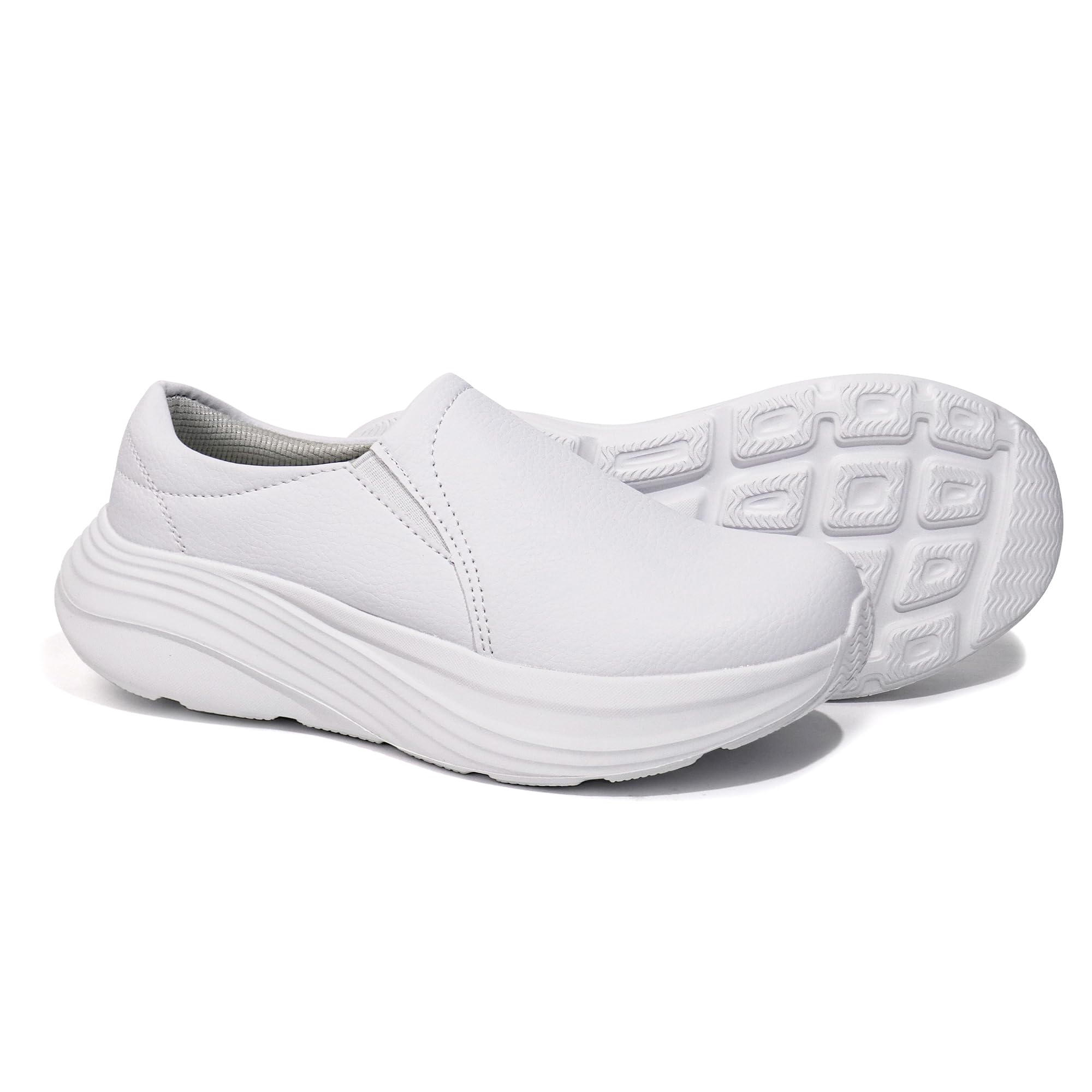
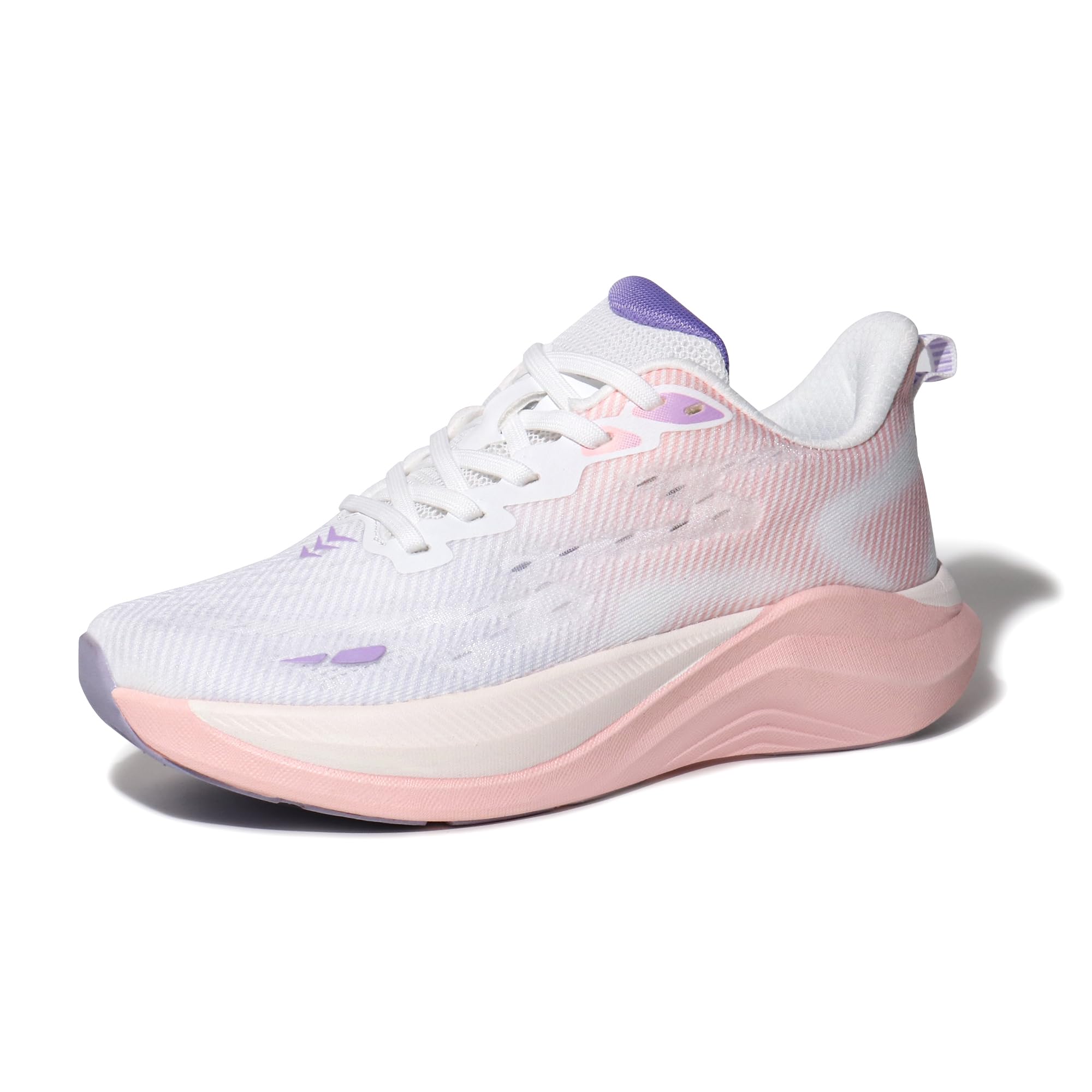
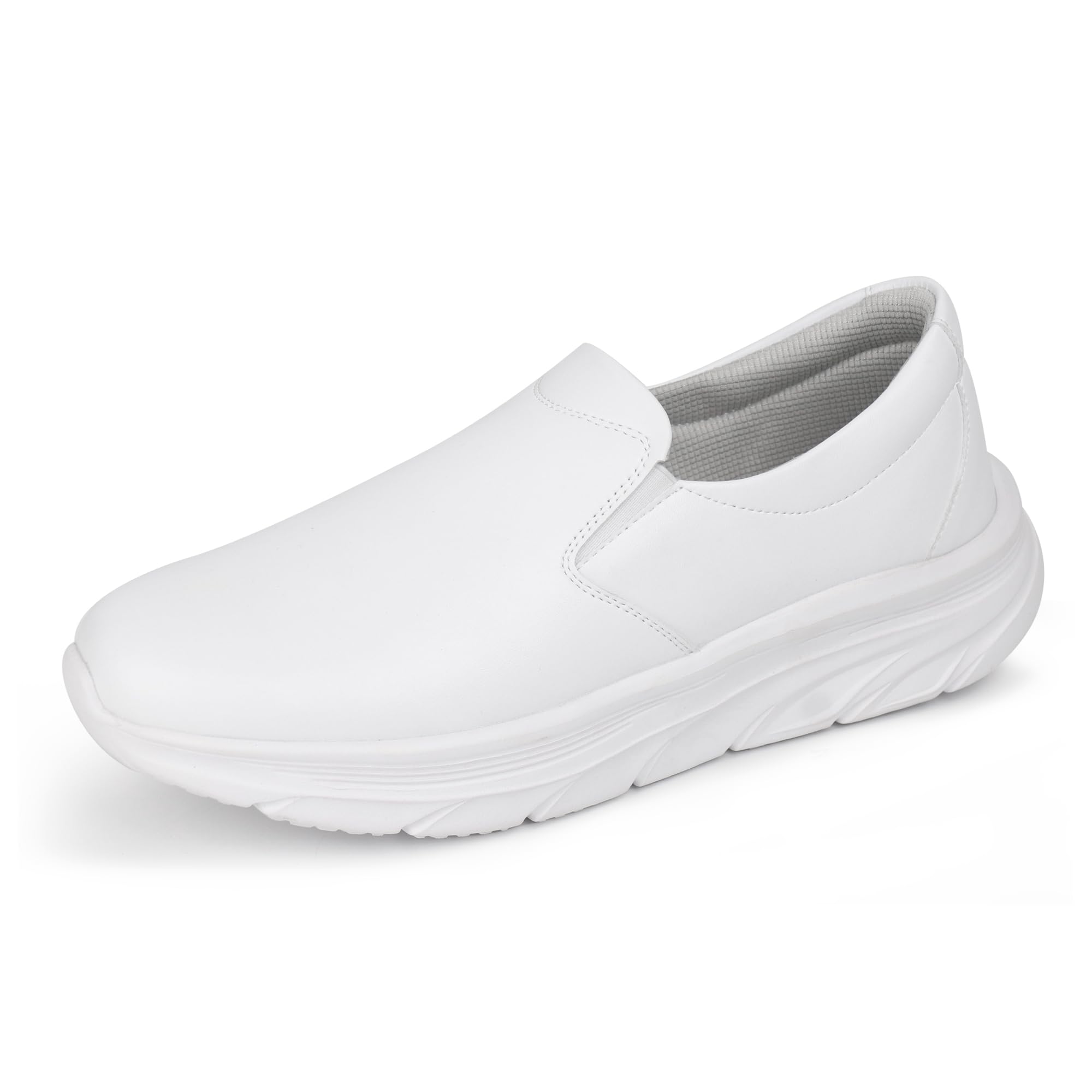
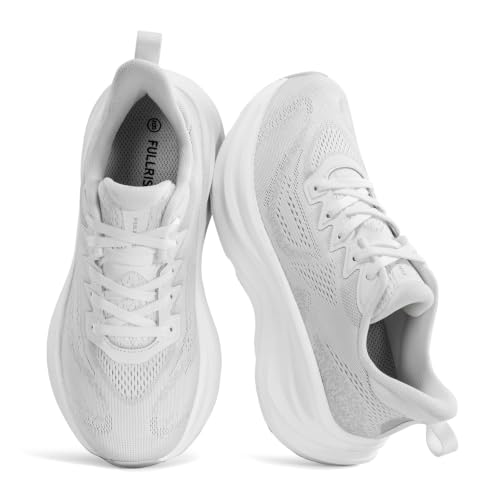
The best all white nursing shoes must stay clean looking, grip polished hospital floors, and support feet through twelve hour shifts. White color is often a workplace rule, not only a style choice. The product table below lists nursing shoe styles for shift work.
Nursing shoes face spills, long standing, quick movement and strict hygiene rules. This guide covers shoe types, slip resistance, fluid resistance, support, cleaning and fit, so you can pick a pair that survives shifts and stays compliant.


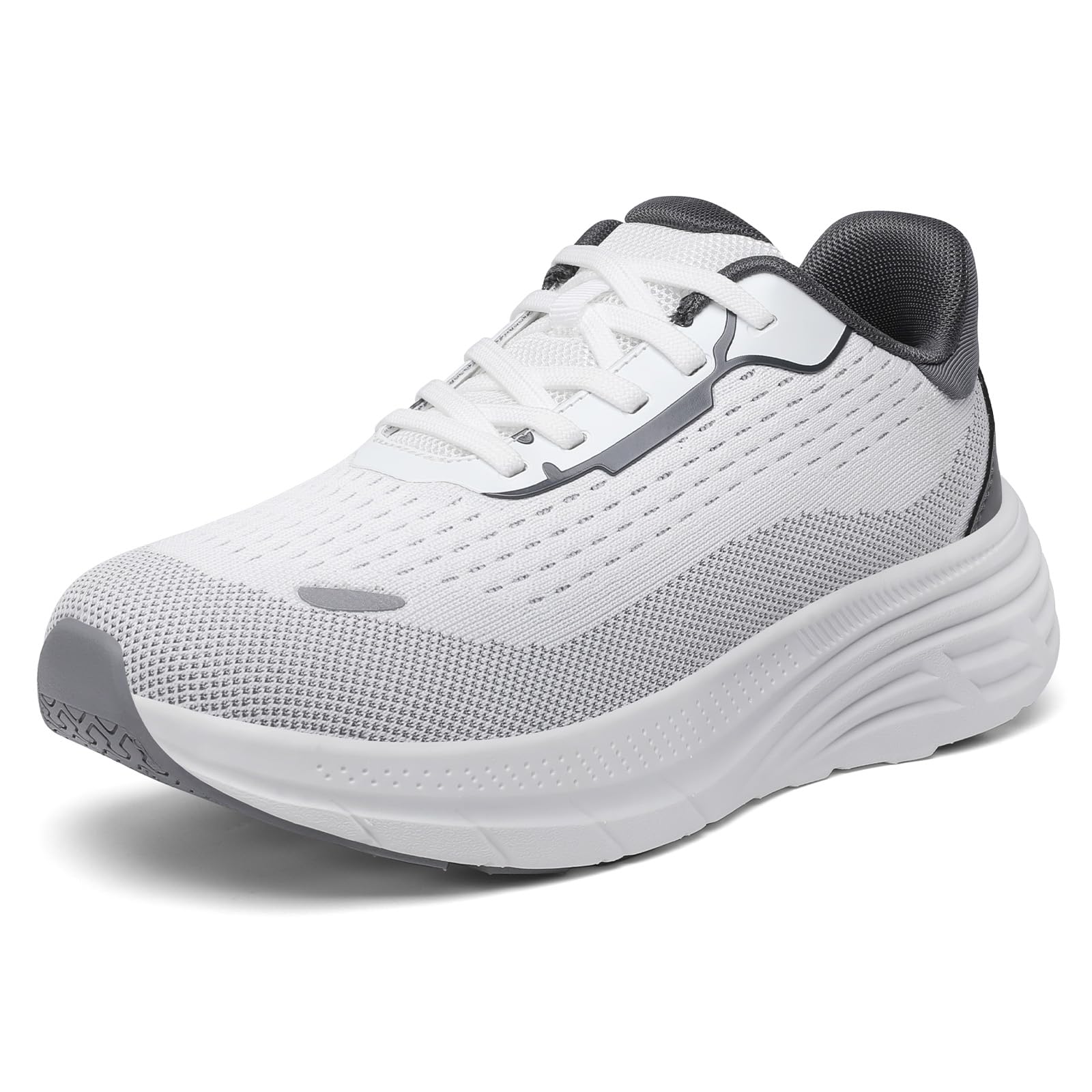


Who Should Buy the Best All White Nursing Shoes
Nurses, care assistants, dental staff and hospital workers with a white footwear rule gain the most. Students on clinical placements also need compliant shoes before their first shift. Anyone who stands for long periods on hard hospital floors benefits from nursing specific support.
Workers without a color rule can choose any color, but white shoes still suit hygiene focused roles. If your workplace allows other colors, a darker shoe hides stains better. For strict white uniform policies, a dedicated white nursing shoe is essential.
Nursing Shoe Styles Compared
Clogs slip on quickly and suit ward work, but must have a secure heel strap for safety. Sneaker style nursing shoes give athletic cushioning and support for long shifts. Slip on styles suit quick changes but need strong arch support to avoid fatigue.
Leather nursing shoes wipe clean easily and suit fluid heavy areas. Mesh styles breathe better but stain faster and resist fluids less. Choose leather or coated uppers for spill prone wards and mesh only for drier roles.
Slip Resistance, Fluids and Hygiene
Slip resistant outsoles are essential on polished, wet hospital floors, so check the slip rating rather than trusting looks. Fluid resistant uppers stop spills soaking in, which protects feet and keeps shoes hygienic. Sealed seams matter, since stitching can trap fluids and odor.
Wipe shoes down after each shift and wash removable insoles regularly. White shoes show stains fast, so a quick clean routine keeps them compliant. Replace shoes when outsoles wear smooth, since grip loss on hospital floors is a safety risk.
Support, Cushioning and Long Shifts
Arch support should match your foot shape, since flat feet and high arches need different structures. Cushioning must last a full shift, not only the first hours, so look for resilient foam rather than very soft foam that flattens. Removable insoles allow custom orthotics.
Weight matters over twelve hours, so a lighter shoe with good support beats a heavy one. A roomy toe box prevents blisters during long standing periods. Break in new shoes on shorter shifts before a full run of long days.
Fit, Workplace Rules and Foot Health
Fit should be snug at the heel with toe wiggle room, tried with your work socks. Check your workplace rules on color, heel height, open backs and logos before buying, since non compliant shoes may be barred from wards. Some units require fully enclosed shoes for safety.
Persistent foot pain, swelling, numbness or back pain are warning signs to discuss with a clinician or podiatrist. Sharp pain, swelling that lasts days, or sores needs prompt care. Good shoes support long shifts but do not treat foot conditions, so seek advice for ongoing problems.
Choosing by Ward and Role
Fluid heavy areas such as emergency departments and operating theaters call for leather or coated uppers with sealed seams that wipe clean in seconds. Quieter clinic and ward roles can use breathable mesh or knit styles if the workplace allows them. Community nurses who walk between visits may prefer a sneaker style with firmer tread, while theater staff often choose easy to disinfect clogs. Ask colleagues which pairs survive a year of shifts, because real wear reports often reveal weak soles and failing cushioning that product pages do not mention.
Common Mistakes to Avoid
Buying fashion white sneakers without slip resistance is a common error on hospital floors. Choosing mesh shoes for fluid heavy wards is another, since spills soak in and stain. Ignoring workplace color and style rules risks buying shoes you cannot wear on shift.
Do not wear new shoes for a full twelve hour shift without breaking them in first. Avoid very flat shoes with no arch support for long standing work. Replace worn shoes promptly, since flattened cushioning and smooth soles raise fatigue and slip risk.
Care Routine for White Nursing Shoes
Shift work rewards shoes that stay comfortable at hour ten, not only at hour one, so judge new pairs across full shifts before committing to them. Keep a second pair of insoles ready so a damp or compressed set never forces a painful day. Wipe uppers at the end of each shift, since fluids and spills stain fast when left to dry, and wash removable insoles regularly.
Small daily habits keep white shoes presentable far longer than occasional deep cleaning. Rotate two pairs when you can so each dries fully between shifts, and replace shoes when the cushioning feels flat or the tread wears smooth. Check the return window before your first long shift, and keep the receipt until you are sure the pair suits you.
Related Guides Worth Reading
For leather options that wipe clean, best white leather nursing shoes focuses on easy care uppers. General white choices are in best white shoes, while women can compare best nursing shoes for women for fit. Men can check best white shoes for men for sizing. Together these guides narrow white nursing shoes by material and fit.
Frequently Asked Questions
Do nursing shoes have to be all white?
Many hospitals require white or mostly white footwear, but rules vary by unit and employer. Check your workplace policy before buying, including rules on logos, heel height and open backs. Some units allow other colors, in which case darker shoes hide stains better.
What makes a nursing shoe slip resistant?
A slip resistant outsole uses rubber compounds and tread patterns designed for wet, polished floors, and carries a slip rating from testing. Smooth fashion soles slip dangerously on hospital floors. Check the rating and replace shoes when tread wears smooth.
How do I keep white nursing shoes clean?
Wipe leather or coated uppers after each shift, wash removable insoles regularly, and treat stains promptly before they set. Mesh shoes need more washing and stain faster. A quick end of shift routine keeps white shoes compliant longer.
Are clogs safe for nursing shifts?
Clogs suit ward work when they have a secure heel strap and a closed toe, since open back clogs can slip off during quick movement. Check your workplace rules, since some units require enclosed heels. A secure fit matters more than slip on convenience.
When should shift related foot pain send me to a clinician?
Persistent pain, swelling, numbness, back pain or sores that do not heal are warning signs to discuss with a clinician or podiatrist promptly. Good shoes help comfort but do not treat foot conditions, so seek advice if pain continues despite supportive footwear.
Final Thoughts
Choose a leather or coated nursing shoe with slip resistant soles, lasting cushioning and arch support matched to your feet. Check workplace color and style rules before buying, and clean shoes after each shift. The product table above lists the main styles, and a trial shift will confirm the fit.
For the best all white nursing shoes, slip resistance and wipe clean uppers matter more than looks alone.