
Best All Weather Shoes: Buying Guide for 2026
Disclosure: We may earn a commission when you buy through links on this page, at no extra cost to you. As an Amazon Associate I earn from qualifying purchases. Learn more

The best all weather shoes stay dry, grip wet pavement and feel good all day. A practical guide to fit, waterproofing, traction and value.
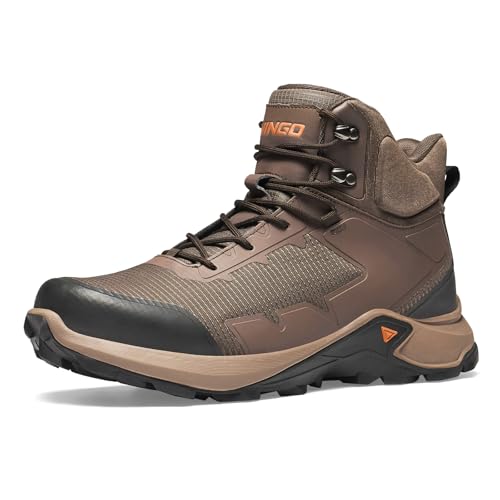
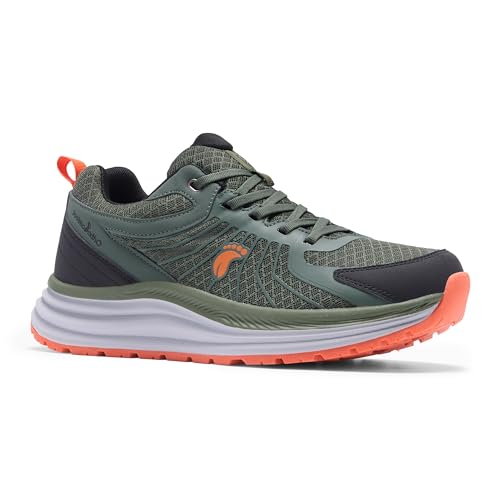
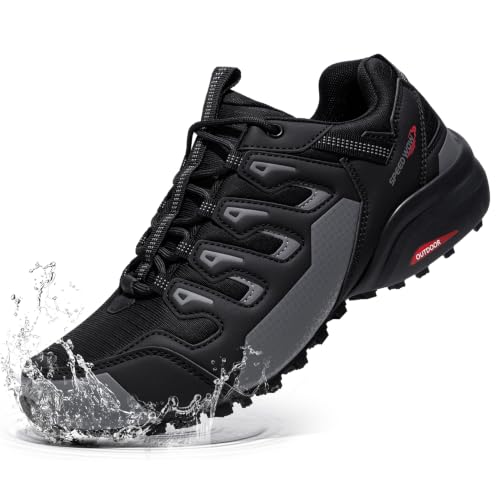
Rain in the morning, sun by lunch, and a cold walk home can all happen on the same day. Choosing the best all weather shoes means finding one pair that stays dry, grips wet pavement, and still feels comfortable after hours on your feet. This guide walks you through fit, waterproofing, cushioning, and durability so you can match a pair to your climate and routine, and the product table below gathers the key specs in one place.
Start with how you actually spend your day. A commuter on wet sidewalks needs different traction and insulation than a dog walker on muddy paths or a traveler packing one pair for mixed forecasts.
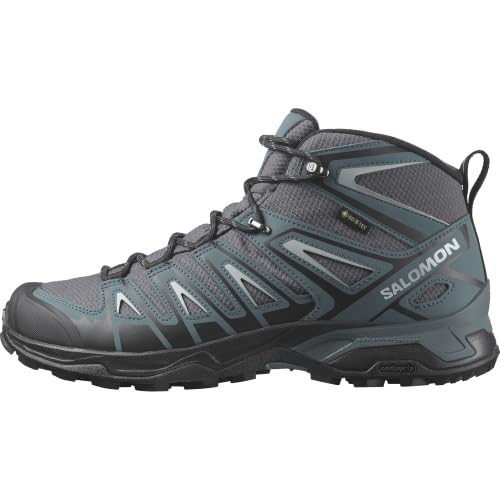
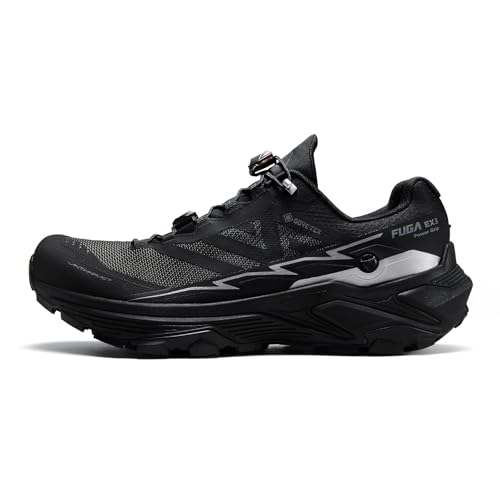

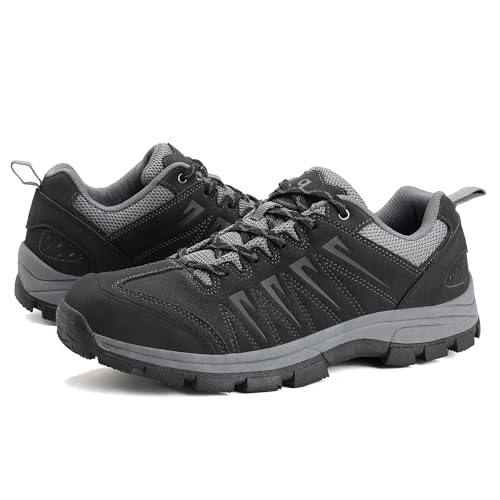
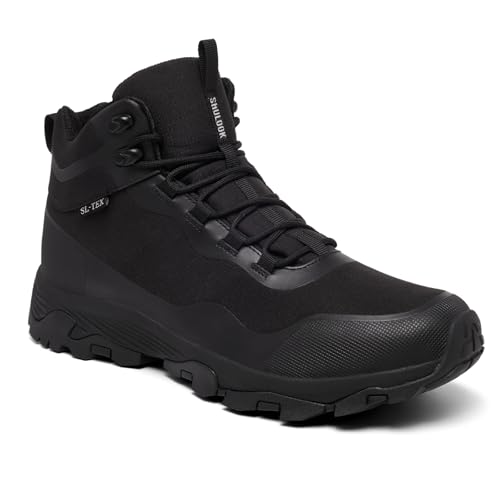


What Each Price Tier Usually Delivers
Instead of chasing a single name, use price tiers to set expectations. The tiers below describe what you generally gain as you spend more, so you can decide where your money matters most.
Entry Tier, Under About $80
Entry tier pairs usually offer basic water resistance from treated uppers, simple foam midsoles, and rubber outsoles with shallow tread. They suit mild rain, short walks, and mostly dry climates where storms are brief. Expect fewer fit options, thinner linings, and soles that wear faster on rough pavement. For occasional use they can be sensible, but daily walkers may outgrow the cushioning within a season or two.
Mid Tier, About $80 to $150
This is the sweet spot for most buyers. You typically get a true waterproof membrane, better sealed seams, deeper outsole lugs for wet grip, and midsoles that hold their shape longer. Fit choices widen, with more half sizes and some wide options. If you walk daily in changeable weather, this tier usually delivers the best balance of dryness, comfort, and lifespan for the money.
Premium Tier, Above About $150
Premium pairs add durable leather or advanced synthetic uppers, refined waterproof membranes that breathe better, and outsoles made from grippier rubber compounds. You may also find replaceable insoles, stronger toe protection, and construction that survives years of daily use. The extra cost makes sense for long commutes, travel in wet regions, or work that keeps you outdoors. It matters less if you only face a few rainy days each year.
How to Choose the Best All Weather Shoes: Buying Guide
The right pair balances four things: a fit that leaves room for socks and swelling, waterproofing matched to your rainfall, cushioning suited to your stride, and tread that grips your usual surfaces. Work through each factor below before you look at colors or styling, because the best all weather shoes for a wet coastal city differ from the right pair for a dry town with sudden storms.
Fit, Sizing, and Toe Box
Measure your feet in the afternoon, when they are at their largest, and try shoes with the socks you plan to wear. Leave about a thumb width of space in front of your longest toe so downhill steps and thick socks do not jam your toes. A roomy toe box lets toes spread for balance on slick ground, while a secure heel and midfoot stop sliding that causes blisters. If you are between sizes, size up for winter socks.
Cushioning and Support
Cushioning absorbs impact on hard pavement, and support guides how your foot rolls. Neutral shoes suit people whose ankles roll straight, while stability designs add firmer foam or a supportive frame for feet that roll inward. Heel to toe drop, often about 4 to 12 mm, affects calf and Achilles load, so lower drops feel different if you are used to traditional trainers. Match the shoe to your stride, not to trends.
Waterproofing (Gore Tex and Membranes)
A waterproof membrane such as Gore Tex blocks outside water while letting some vapor escape, and sealed seams stop leaks at stitch lines. Full waterproofing matters for standing water, slush, and long rainy walks. The trade off is warmth and slower drying once water gets in over the collar. For light drizzle and warm climates, a water resistant treated upper may stay cooler and dry faster overnight.
Upper Materials and Breathability
Mesh uppers breathe well and feel light, but they need a membrane or treatment to shed rain. Leather resists abrasion, molds to your foot over time, and suits work or dressier settings, though it is heavier and needs conditioning. Knit uppers fit like socks and pack small for travel, yet they offer less structure and protection. In hot and humid weather, breathability may matter more than full waterproofing.
Durability and Expected Lifespan
Running style shoes often last about 300 to 500 miles before the midsole foam packs down and stops protecting your joints, even if the upper still looks fine. Walking and casual pairs used daily may last one to two years depending on surfaces and care. Look for abrasion resistant overlays at the toe and heel, stitched rather than only glued parts, and outsoles with rubber covering high wear zones. Rotating pairs extends life noticeably.
Arch Support and Foot Type
Flat feet often do well with firmer arch support and stability features that limit inward roll. High arches usually need more cushioning because the foot absorbs shock less naturally, and a curved last can fit better. If you use custom orthotics, confirm the insole removes easily and the interior volume fits the insert without crowding. Persistent foot, knee, or back pain is a reason to see a podiatrist rather than guessing with shoe features.
Break In Period and Comfort Out of the Box
Most modern mesh and knit pairs feel comfortable right away, while leather uppers may need one to two weeks of short wears to soften. Plan a short walk indoors first so you can exchange sizes if the heel slips or toes feel pinched. Wear new pairs on short errands before a long trip. Blisters on day one usually signal a fit problem, not something to push through.
Types of Weather Shoes
Category labels help you narrow the field quickly. Each type below trades protection, weight, and support differently, and many walkers keep two types for different seasons. If your weather swings widely, consider which conditions you face most often rather than the rare extreme.
Stability and Support Shoes
Stability shoes use firmer foam, wider bases, or guide rails to help feet that overpronate stay aligned. They suit walkers with flat feet, aching knees, or long shifts on hard floors. The trade off is a slightly heavier, less flexible feel. If your current shoes wear down fast on the inner edge of the sole, this category deserves a close look.
Neutral Shoes
Neutral shoes provide cushioning without corrective support, letting your foot move naturally. They fit people with medium to high arches and ankles that track straight. They tend to feel lighter and more flexible than stability models. You can add your own insole if you want extra arch support. For rainy day traction options in this style, see our guide to the best shoes for rainy weather for more detail on wet grip.
Sandals and Recovery Footwear
Open footwear will never be true all weather gear, but water friendly sandals help in warm storms, beach towns, and camp showers where closed shoes stay soggy. Recovery slides with arch support give tired feet a break after long wet walks. Choose pairs with textured footbeds so wet feet do not slide. Keep in mind they offer no warmth or toe protection, so treat them as a warm season backup only.
Waterproof Boots
Boots add ankle coverage, deeper tread, and better protection from deep puddles, mud, and snow. They are the safer choice for trails, rural roads, and winter slush. The costs are weight, warmth, and bulk in a suitcase. If your winters are serious, compare your shortlist with our guide to the best shoes for cold weather before deciding, and for standing water specifically, our guide to the best shoes for wet weather explains higher cuts.
How to Make Your Weather Shoe Last Longer
- Replace worn pairs on time: midsole foam usually fades after about 300 to 500 miles for running use, and sooner if you notice new aches.
- Air dry away from direct heat: remove insoles, stuff with newspaper, and let shoes dry at room temperature so glues and leather do not crack.
- Rotate two pairs: alternating gives foam a day to recover and lets each pair dry fully between wears.
- Lace for heel lock: use the extra top eyelet to reduce heel slip, friction, and premature wear inside the heel counter.
- Clean mud off promptly: dried mud pulls moisture from leather and clogs tread, so brush soles and uppers after muddy walks.
- Protect your entryway too: a mat traps grit that grinds into soles, and our guide to the best all weather mats covers durable options for muddy seasons.
Weather Shoes: Your Questions Answered
How should weather shoes fit?
Weather shoes should fit snug at the heel and midfoot with about a thumb width in front of your longest toe. Your toes should wiggle freely without the foot sliding forward on slopes. Try them late in the day with your usual socks. If you plan to add thicker winter socks or orthotics, bring them to the fitting, because interior volume changes the right size more than most people expect.
How often should I replace my weather shoes?
Replace them when cushioning feels flat, tread is smooth in the heel or forefoot, or new aches appear after normal walks. For running use that is often about 300 to 500 miles. Daily walkers may reach that point in six to twelve months. A simple test is pressing the midsole: if it feels hard and does not spring back compared with a new pair, its protective life is mostly over.
Can I wear them all day?
Yes, you can wear most all weather shoes all day if the fit and support match your feet. Breathable membranes help, but waterproof pairs still run warmer than open mesh trainers in summer. For long shifts, rotate pairs across the week and change socks at midday if your feet sweat. If heat is your main problem rather than rain, our guide to the best hot weather shoes covers cooler options.
Do I need waterproof shoes?
You need full waterproofing if you regularly walk through puddles, slush, wet grass, or steady rain. If rain is rare and light, a water resistant upper is cooler and dries faster. Consider your commute honestly: ten minutes on covered sidewalks differs from an hour on open paths. Also remember that waterproof shoes keep water in as well as out, so deep crossings argue for quick draining footwear instead.
Are expensive weather shoes worth it?
Expensive pairs are worth it when you walk daily, travel in wet climates, or need wide sizes and durable materials that cheaper pairs skip. You are paying for better membranes, grippier rubber, and construction that lasts longer. Casual users in mild climates often get full value from the mid tier. Judge cost per wear: a pair worn 200 days a year justifies more spending than one worn on rainy weekends only.
How long is the break in period?
Most mesh and knit styles need almost no break in period, while leather uppers may take one to two weeks of short wears. Start with walks under an hour and increase gradually. Hot spots are early warnings, so adjust lacing or socks at the first sign of rubbing. If pain persists after several outings, the size or shape is likely wrong and an exchange beats hoping the shoe will change.
Wrapping Up
Prioritize fit with room for socks, waterproofing matched to your real rainfall, and tread that grips your daily surfaces. Those three choices matter more than styling or small feature differences. When you are ready to compare options side by side, the best all weather shoes for your routine will stand out in the product table above, so use it to confirm sizes, weights, and prices before you order.


