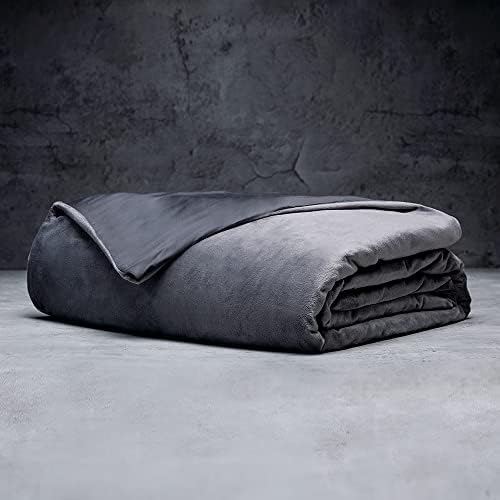
Best All Season Comforter (2026): Size, Features and Buying Tips
Disclosure: We may earn a commission when you buy through links on this page, at no extra cost to you. As an Amazon Associate I earn from qualifying purchases. Learn more

What matters when choosing the best all season comforter: size, features, budget and the mistakes to avoid.
Swapping a heavy winter blanket for a thin summer one twice a year gets old fast, and guessing wrong leaves you too warm in July or reaching for extra layers in January. A single best all season comforter solves that problem when its fill weight and shell suit your bedroom and the way you sleep. This guide compares the main fill types by warmth, materials, and temperature control so you can choose with confidence.
Start with the comparison table below, which lines up the three types side by side, then match a type to your bed size and budget. Our guide to the best comforter covers every weight class, while this page stays focused on models built for year round use.
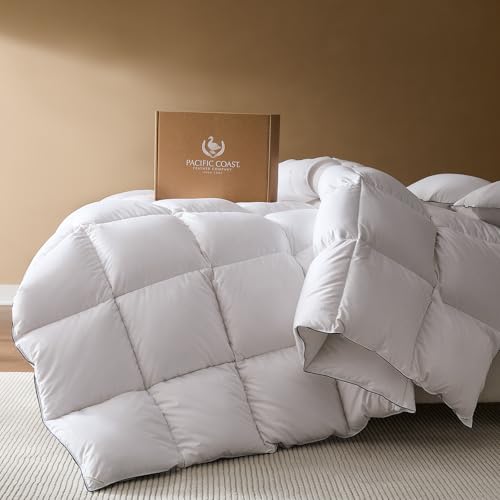


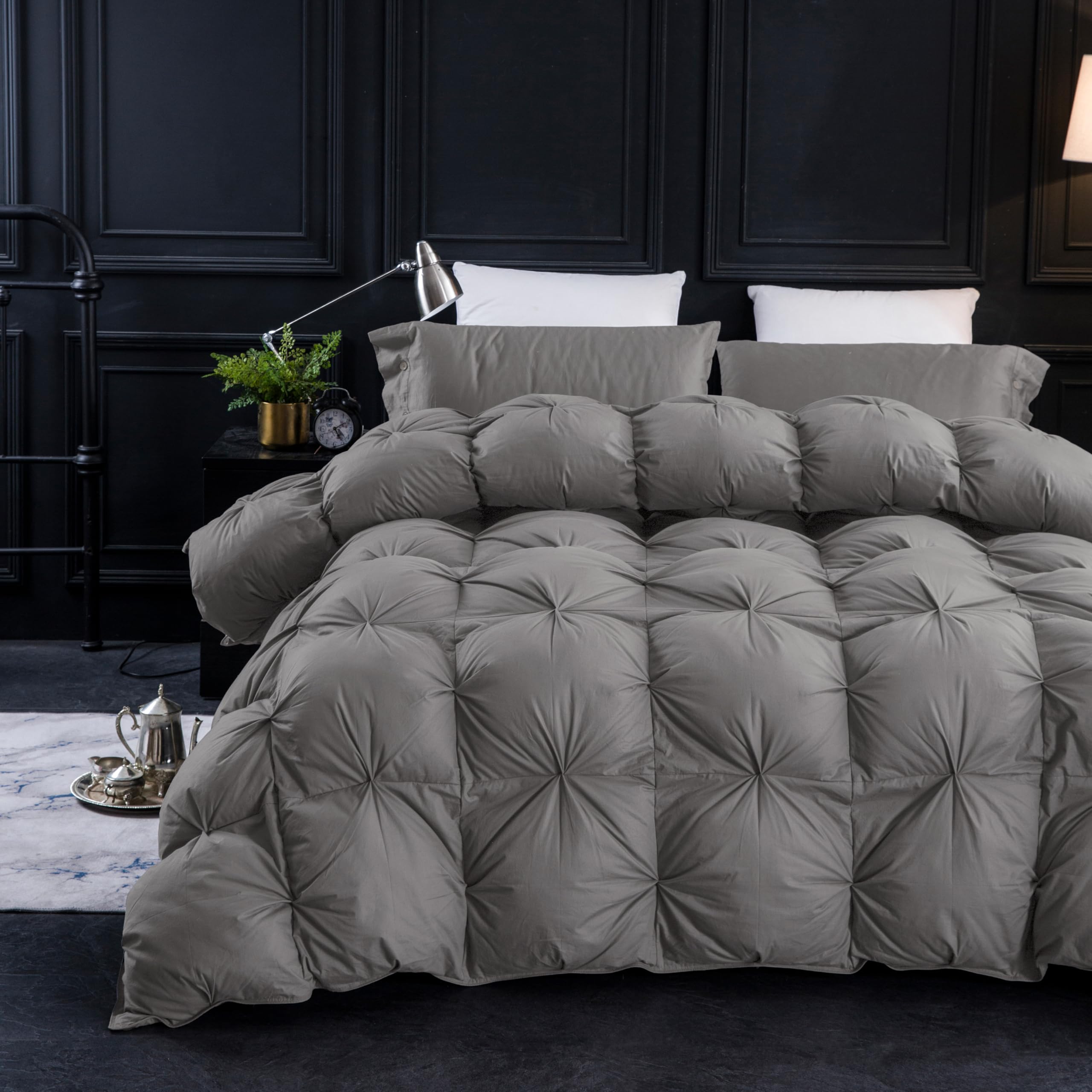


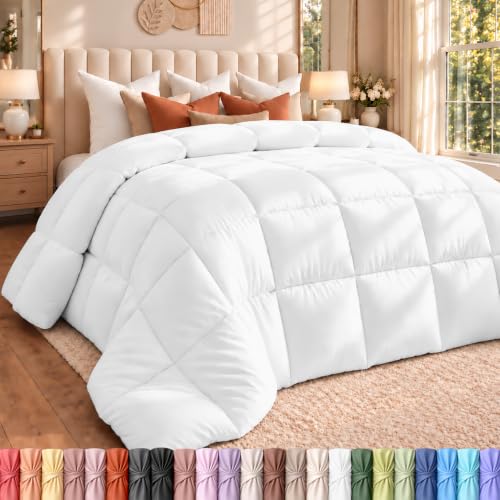
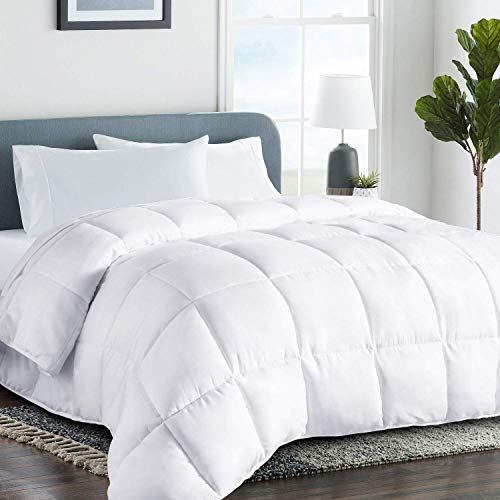


All Season Comforter Types at a Glance
Three fill families cover nearly every all season comforter you will see, and each one trades warmth, care, and cost in a different way.
- Down fill: light for its warmth, lofty, and very breathable, but it costs more and needs gentler washing.
- Down alternative fill: usually polyester microfiber, lower in price, simple to wash, and a common choice for allergy prone sleepers.
- Natural fiber fill: wool, silk, or cotton, valued for steady temperature control and moisture handling, with a flatter and heavier feel than down.
None of these wins for everyone, so start from how warm your bedroom feels at night.
Three All Season Comforter Types Compared
Down Fill for Lightweight Warmth
Down clusters trap a lot of air in very little weight, so a down comforter feels warm without pressing on your body. That lofty feel suits people who dislike heavy covers but still sleep cold in winter. Look for a medium fill weight rather than a winter weight, since winter models often feel stifling by late spring. Down loses insulating power when it stays damp, so a breathable shell and a dry bedroom matter, and many models need professional cleaning.
Down Alternative Fill for Easy Care
Down alternative fill is usually spun polyester made to mimic the soft clumps of down at a much lower cost. It tolerates regular machine washing, dries faster than down, and keeps working even when slightly damp. The tradeoff is weight and airflow, since synthetic fill needs more material to match down warmth and sleeps a little warmer in summer. If easy laundry tops your list, start with our guide to the best down alternative comforter.
Natural Fiber Fill for Steady Temperatures
Wool fill absorbs and releases moisture as room conditions change, which helps it feel neither clammy nor stuffy across seasons. Silk fill drapes closely and feels cool at first touch, while cotton fill gives a flat weight that many people prefer in warm climates. These fills rarely match the puffy loft of down, and some wool models carry a faint natural scent at first that fades with airing. Choose this family when temperature swings during the night are your main complaint.
How to Evaluate an All Season Comforter
Judge every candidate on the same five points. First, comfort comes from loft and drape, meaning how puffy the comforter sits and how closely it follows your body. Second, check the fill and shell materials plus any certifications, covered below. Third, temperature regulation depends on both fill choice and shell weave, not on marketing words alone. Fourth, durability shows in stitching and in how evenly the fill stays spread. Finally, read the trial period and warranty before you buy.
How to Choose the Right Comforter
Size and Form Factor
Measure your mattress width and add the drape you want on each side, then compare that number with the dimensions on the listing rather than trusting the size name alone. Twin and twin XL suit single beds and dorm rooms, full and queen cover most beds, and king and California king add width for larger frames. Oversized king models add extra drape for deep mattresses. A comforter that barely reaches the mattress edge leaves the sleeper near the edge uncovered.
Fill Type and Construction
Fill power describes how much space one ounce of down occupies, and higher fill power gives more warmth per ounce. Down alternative and natural fills do not use that scale, so compare their total fill weight instead. Construction matters just as much. Baffle box stitching uses inner fabric walls that let fill expand fully and stay even, while sewn through stitching pinches the fill at each seam and creates cooler lines along the seams.
Features Worth Paying For
Corner tabs or loops are worth paying for because they tie to a duvet cover and stop the comforter from bunching in one corner overnight. Double stitching along the edges and boxed compartments that keep fill in place also earn their cost. A reversible shell adds flexibility without a second purchase. Skip paying extra for decorative shams you will not use, elaborate patterns hidden under a cover, and scented fill treatments that fade after a few washes.
Sleep Position and Body Type
Side sleepers often like a comforter with enough drape to tuck around the shoulder and hip, since gaps at the shoulder let cool air in all night. Back sleepers usually do well with a medium weight that rests evenly without pooling at the feet. Stomach sleepers tend to prefer the lightest all season weights, because heavy fill can press on the feet. If you share a bed and run warmer than your partner, add a personal throw on the colder side.
Materials and Certifications
Shell fabric shapes both feel and airflow. Cotton shells breathe well, microfiber shells cost less and resist wrinkles, and lyocell shells feel smooth and handle moisture well for warm sleepers. For fill claims, look for the Responsible Down Standard on down models and OEKO TEX Standard 100 certification on fabrics, which screens finished textiles for harmful substances. CertiPUR US applies mainly to foam products, so it tells you little here. Treat vague words like natural or eco as marketing until a named standard backs them up.
Cooling and Breathability
A comforter sleeps cool when warm air and moisture can leave the bed, and both the fill and the shell control that flow. Wool and down release moisture well, dense synthetic fill holds it longer, and a tightly woven shell can trap heat no matter what sits inside. Warm sleepers should pick the lightest fill weight in the all season range and a cotton or lyocell shell. If you regularly wake up sweaty, compare the options in our guide to the best cooling comforter before settling on a standard model.
Trial Period and Warranty
A trial period lets you sleep under the comforter through a few warm and cool nights, which a quick feel in a store can never tell you. Check whether returns must be in original packaging, since a used comforter may follow different rules. Warranties usually cover seam failure, fill shifting, and fabric defects rather than normal softening of loft over time. Keep your order details and photograph any stitching problem early.
How Much Should You Spend?
Under $50 usually buys a down alternative model with basic stitching, a fine starter for a guest room. About $50 to $100 adds boxed compartments, better shell fabric, and corner tabs on most types. About $100 to $200 is where certified down and good wool models sit, with stronger stitching and longer warranties. Above about $200 you pay for high fill power down, silk fill, or premium natural shells.
All Season Versus Other Comforters: Pros and Cons
An all season comforter sits between a summer weight and a winter weight model. Against a winter comforter, it gives up some deep cold warmth but stays usable for far more of the year. Against a lightweight summer model, it offers real insulation for cool nights but may feel like too much during a heat wave. Our explainer on comforter vs duvet walks through how a duvet format differs in washing and styling.
- Pro: one purchase covers most nights, so you store and wash a single comforter.
- Pro: medium fill weight pairs well with a sheet or a thin blanket for small adjustments.
- Con: extreme climates can still overwhelm it at both ends of the year.
- Con: couples with very different temperature needs may still prefer separate covers.
If your home swings widely with the weather, plan on one extra layer for the coldest weeks.
Care and Cleaning Basics
Most comforters wash best in a large front loading machine with mild detergent and a gentle cycle, since a cramped drum tears seams and clumps fill. Dry on low heat and stop the dryer a few times to pull the fill apart by hand, which keeps it even. Between washes, a duvet cover does the daily work of keeping skin oils and spills off the comforter itself. Our full walkthrough on how to clean a comforter covers stain treatment and storage in step by step detail.
Fluff the comforter each morning with a quick shake so the fill redistributes after a night of compression. Air it near an open window now and then to release trapped moisture. Store it loose in a breathable cotton bag rather than a sealed plastic bin, because fill that stays compressed and damp for months loses loft and picks up a stale smell.
FAQs
What is the best all season comforter?
It is the one whose fill weight matches your bedroom, which for most homes sits around 65 to 72 degrees Fahrenheit at night. Down suits cold sleepers who want light weight, down alternative suits easy washing and lower budgets, and wool suits people whose temperature swings during the night. Start from your biggest problem, heat, cold, or laundry, and let that pick the fill family first.
Are all season comforters worth it?
Yes, for most households, because one comforter replaces two seasonal ones and frees the closet space the spare used to occupy. The value drops if you live where summers are very hot and winters are very cold, since a single medium weight will feel wrong at both extremes. Renters and small homes gain the most, simply because storage space there is tight.
How long does a comforter last?
Most comforters last about 7 to 10 years before the fill loses enough loft that warmth turns uneven. Down tends to sit at the long end of that range when it is kept dry, while budget synthetic fills flatten sooner. Replace yours when shaking and airing no longer restore the loft, or when lumps stay fixed in the same compartments after washing and careful drying.
Is a comforter worth it compared with blankets and quilts?
A comforter is worth it when you want one warm layer that makes the bed look finished in a single step. Stacked blankets let you adjust warmth layer by layer, but they shift during the night and take longer to straighten each morning. Quilts are thinner and cooler, so they suit warm rooms better than a true all season layer does.
How do you clean a comforter between full washes?
Spot clean small marks right away with a damp cloth and a drop of mild detergent, then let the area dry fully before you make the bed. A washable duvet cover handles most everyday dirt, so the comforter itself may only need a full wash a few times a year. Never put a damp comforter back into regular use, since trapped moisture dulls the fill and invites odor.
What is the most reliable comforter brand?
No single brand is most reliable for everyone, and brand name alone predicts less than construction does. Judge reliability by boxed stitching that keeps fill in place, a tight and even shell weave, a warranty that covers seams, and a return policy that lets you try the comforter at home.
Final Thoughts
The product table above is your shortcut back to the three fill types and how they compare. Choose down for light warmth, down alternative for simple care and value, and natural fibers for steady temperature control, then confirm the size against your mattress before ordering. Pick the best all season comforter for the way your bedroom actually feels at night, and readers who run hot should also see our notes on the best comforter for hot sleepers for lighter options. Prices and availability can change, so check the product page before ordering.