
Best All Mountain Ski Boots of 2026: Complete Buying Guide
Disclosure: We may earn a commission when you buy through links on this page, at no extra cost to you. As an Amazon Associate I earn from qualifying purchases. Learn more
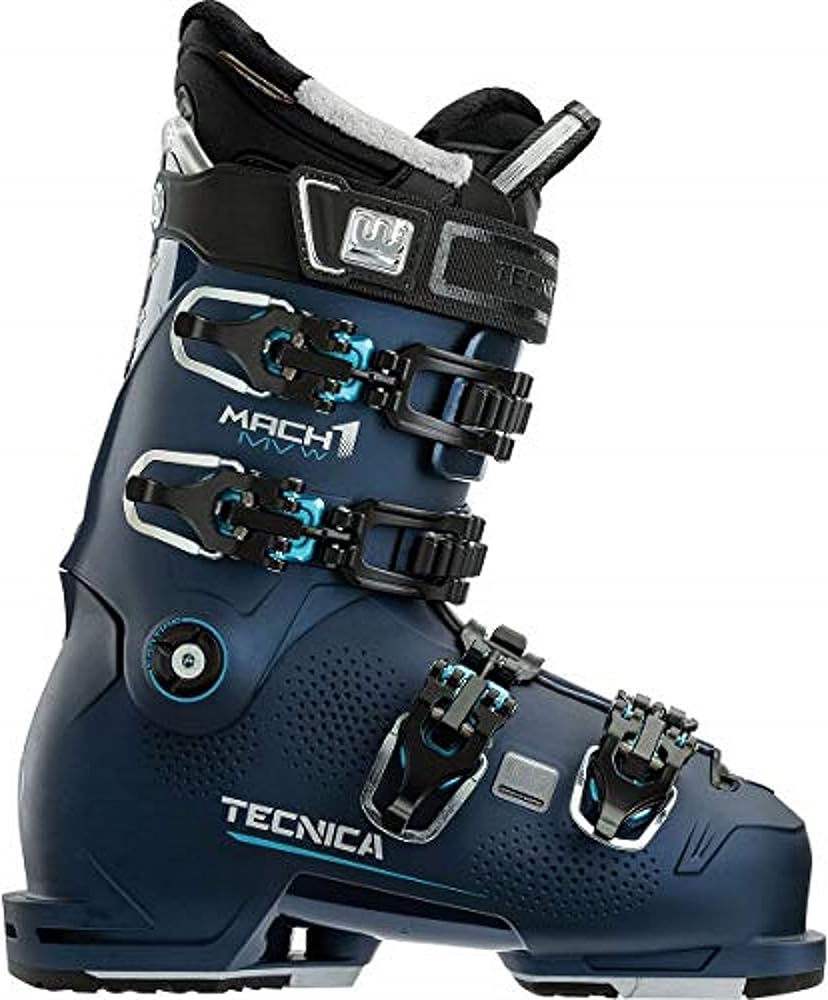
Pick the best all mountain ski boots by matching flex, last width, and warmth to your skiing level and budget.
Choosing best all mountain ski boots is less about finding one perfect pair and more about matching flex, fit, and warmth to the way you actually ski. All mountain boots are built to handle groomed runs, chopped up snow, and the occasional ungroomed pitch, so they sit in the middle of the stiffness range and favor comfort over race day precision. The product table gives a quick overview, but the sections that follow explain what each feature means for your feet and your skiing.
Fit matters more than any other factor. A boot that is too roomy lets your foot slide, which causes blisters and dull edge control, while a boot that is too tight cuts off circulation and ends the day early. Use this guide to narrow the field by skill level, foot shape, and budget, then confirm the fit in person whenever you can.


Spending Levels: What Your Budget Gets You
Price in ski boots mostly buys a better liner, a more adjustable shell, and lighter materials, not a guaranteed improvement in your skiing. The tiers below describe what typically changes as spending rises, so you can judge where extra money helps you and where it does not.
Lower Spending Choices
Boots at about $200 to $350 usually offer a softer flex, a simple buckle layout, and a basic liner that breaks in over several days on snow. They suit skiers who go out a handful of times each season and value comfort and an easy entry over fine tuning. Expect fewer micro adjustment buckles and a heavier shell, and plan on a careful fit check, since a basic liner cannot mask a poor shell shape.
Mid Range Choices
Boots at about $350 to $550 often add a heat moldable liner, more buckle adjustment, and a walk mode that makes walking to the lift easier. This range suits regular weekend skiers who want a boot that can grow with them as technique improves. Shells in this range also tend to offer more last width options, which matters if your forefoot is wide or narrow.
Higher Spending Choices
Boots above about $550 may use lighter shell plastics, a fully moldable liner, and a more precise buckle and cuff alignment system. They suit skiers who log many days each season and notice small differences in edge feel and energy transfer. The extra cost is hard to justify for a first pair, and a premium boot in the wrong size still skis worse than a mid range boot that fits well.
How to Choose the Best All Mountain Ski Boots
The features below are the ones that decide whether a boot works for you on snow. Read them in order, and treat fit as the filter that comes before everything else.
Skill Level and Intended Use
Beginners benefit from a softer flex, roughly 60 to 80 on the flex index, because it forgives small balance errors and lets the skier bend the ankle naturally. Intermediates who link turns on groomed runs and venture into varied snow usually do well with a flex of about 80 to 100, which gives more support without feeling rigid. Advanced skiers who ski fast and aggressively may prefer 100 and above, but a stiff boot only helps if your technique can bend it; otherwise it throws you off balance.
Fit and Last Shape
Last width, measured across the forefoot in millimeters, is the single most useful fit number. A narrow last is about 98 mm, a medium last is about 100 to 102 mm, and a wide last is about 103 to 106 mm. Your foot should touch the sides of the liner without sharp pressure points, and your toes should just brush the front when you stand upright, then pull back slightly when you flex forward. If you have a wide forefoot, start with a wide last rather than buying a longer boot to gain width, since extra length creates heel lift.
Flex and Feel
Flex describes how much force it takes to bend the boot forward at the ankle. A soft boot absorbs bumps and is forgiving, while a stiff boot transmits small movements to the ski edge quickly. Temperature changes flex too: plastic stiffens in cold weather, so a boot that feels right in a warm shop may feel firmer on a cold morning. Women specific models often use a slightly lower flex range and a shorter cuff, which suits a lower center of mass and a smaller calf, and you can read more in our guide to best women's all mountain ski boots if that shape fits you better.
Materials and Construction
Most shells are polyurethane or a similar plastic chosen for stiffness and cold tolerance, while liners combine foam, fleece, and sometimes a heat moldable layer that a shop can shape to your foot. A four buckle shell gives the most even closure, and micro adjustable buckles let you fine tune tension across the instep and cuff.
Carrying and Storage
Ski boots are bulky, so think about how you will carry and store them before you buy. A walk mode that unlocks the cuff makes the walk from the parking lot to the lift far easier, and a boot bag with a separate vented pocket keeps wet liners away from dry clothing. At home, store boots upright with buckles loosely closed, away from direct sun and extreme heat, and pull the liners out to dry after each day. Avoid drying liners on a radiator, since concentrated heat can warp foam and shell plastic.
Sole Standards and Fit Checks
A boot works well only if it fits and if its sole matches your bindings. Alpine boots follow sole standards such as ISO 5355 for traditional alpine soles and ISO 23223 for GripWalk soles, and your bindings must be set up for the sole type you own, so have a shop check compatibility and settings. Before each season, check buckles, soles, and shell condition for wear. If you have persistent foot pain, numbness, or weakness that does not improve with a fit adjustment, ask your doctor.
Performance on Different Snow
All mountain boots aim for a balance: enough stiffness to hold an edge on firm groomed snow, enough forgiveness to absorb chopped up snow, and enough warmth for a full day out. Grip comes mainly from the sole rubber and tread pattern when you walk on icy surfaces, not from the shell itself. If you spend most days in the park or in deep powder, a dedicated park or freeride boot may serve you better, and our guide to best ski boots for park and all mountain explains how those shapes differ.
Types of Mountain Ski Boots
All mountain boots are grouped here by skier, not by brand or model. Each group trades some performance for comfort or control, so pick the group that matches your current skiing and your goals for the next season or two.
Intermediate and All Around Options
Intermediate and all around boots are the core of this category, with a medium flex, a medium last, and a liner that balances warmth and support. They suit skiers who are comfortable on blue runs, starting to explore ungroomed snow, and wanting one boot for the whole mountain. If you ski mostly on groomed runs but want room to progress, this group is the safest starting point.
Beginner Options
Beginner boots use a softer flex, a roomier fit, and a simple buckle layout so new skiers can focus on balance and turning rather than fighting the boot. They are lighter to walk in and easier to get on and off, which matters on a first trip. The trade off is less support at speed, so advancing skiers usually outgrow them after a season or two of regular skiing.
Advanced and Performance Options
Advanced boots use a stiffer shell, a tighter last, and a more precise liner for skiers who drive the ski hard and want instant edge response. They demand good technique, since a stiff boot punishes a back seat stance more than a soft boot does. Only choose this group if you already ski confidently at speed and know your preferred flex from experience.
Kids and Youth Options
Kids and youth boots use a much softer flex and a roomier, growth tolerant fit, since young feet change quickly and comfort keeps the sport fun. Look for simple buckles a child can manage with gloves on, and a liner that can be adjusted as the foot grows. Buy for the current season rather than sizing far ahead, since a boot that is too long causes heel lift and poor control.
Care and Maintenance Tips
Good care extends the life of a boot and keeps the fit consistent. The habits below take only a few minutes.
- Store boots out of direct sun and extreme heat, since ultraviolet light and heat degrade shell plastic and liner foam over time.
- Check wear before each use, including buckle function, sole wear, and liner packing, and replace worn parts before they affect fit.
- Clean and dry boots after outdoor use by removing liners, wiping shells, and letting everything air dry fully before storage.
- Close buckles loosely for storage so the shell keeps its shape without compressing the liner foam.
- Follow the manufacturer's instructions for heat molding and for any aftermarket footbed, since overheating or a poor footbed can distort the liner.
- Keep boots away from sharp edges and ski edges in transit, since cuts in the shell can become weak points.
For a broader look at how ski boots differ across the whole category, see our guide to best ski boots, and if you want a boot that also works for other mountain activities, compare best all mountain boots before deciding.
Mountain Ski Boots: Your Questions Answered
What size ski boot should I get for all mountain skiing?
Start with your measured foot length in centimeters, which shops call mondo point, and try the shell size that matches it rather than your street shoe size. Your toes should brush the front of the liner when standing upright and pull back when you flex your knees forward, which shows the heel is seated. A boot that feels roomy in the shop will only get looser as the liner packs out, so a snug first fit is usually the right call.
Does indoor versus outdoor storage matter for ski boots?
Yes, storage conditions matter because heat, sun, and damp air all age boot materials faster than cold, dry indoor storage does. Keep boots inside, upright, with buckles loosely closed and liners removed to dry after each day on snow. A garage that freezes and thaws repeatedly is less ideal than a cool, dry room, and never store boots next to a furnace or in a hot car trunk in summer.
How long do all mountain ski boots last?
Most recreational skiers get about 100 to 150 days on snow from a pair before the liner packs out and the shell loses some rebound, though the range varies with weight, flex, and care. Signs of wear include a heel that lifts during turns, buckles that no longer hold tension, and a liner that feels thin at the ankle. Replacing a worn liner can extend life, but a cracked shell or a worn sole that no longer fits your bindings properly means it is time for a new pair.
Is it worth buying a premium boot as a beginner?
Usually not, since a premium boot's stiffer flex and tighter fit can hinder a beginner more than help, and the extra features only pay off once technique is consistent. A mid range boot with a heat moldable liner gives most beginners room to progress without fighting the equipment. Spend the saving on lessons or a professional fitting session, which will improve your skiing more than a stiffer shell will.
Can I use all mountain ski boots with any bindings?
No, bindings must match your boot sole type, so confirm whether your boots use a traditional alpine sole or a GripWalk sole and check that your bindings accept it. A qualified shop can verify compatibility and adjust the settings for your weight, height, and ability level, which is worth paying for. Follow the binding and boot manufacturers' instructions, and never force a mismatched sole into a binding.
Final Thoughts
The best choice comes down to three checks: a last width that matches your foot, a flex you can bend comfortably, and a liner warm enough for your coldest days. Work through those checks in that order, use the product table above to compare the options that pass them, and favor a professional fit over a higher price whenever the two conflict. When you find best all mountain ski boots that fit snugly, flex naturally, and keep your feet warm, you have found the pair that will serve you across the whole mountain.


