Best All in One Robot Vacuum in 2026: Buying Guide for Self Emptying Docks
Disclosure: We may earn a commission when you buy through links on this page, at no extra cost to you. As an Amazon Associate I earn from qualifying purchases. Learn more

The best all in one robot vacuum matches dock size, mopping style and floors to your home. Compare dock types and costs.
A standard robot vacuum cleans on its own, but you still empty its small bin, rinse its mop pads, and refill its water tank by hand. An all in one model moves much of that upkeep into a dock, so the robot empties itself, washes or dries its pads, and refills its tank between runs. Finding the best all in one robot vacuum for your home means matching dock capacity, mopping style, and floor types to the way you actually live.
Docks vary a lot in size, bag capacity, and how much work they truly take over, and prices spread just as widely. This guide compares the main types on capacity and ease of use, then walks through the features that matter most. If you are still deciding between a dock model and a simpler machine, our guide to the best robot vacuum covers the wider field, and the product table lists current options.

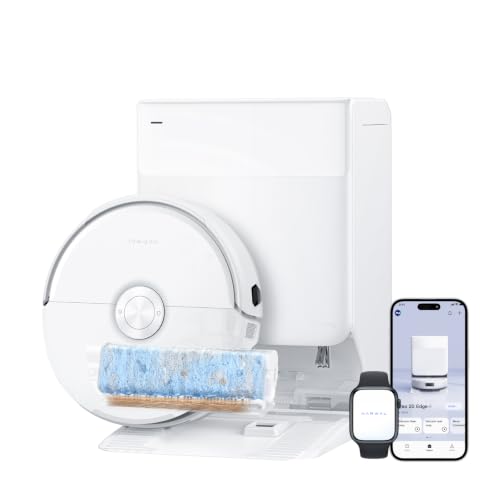
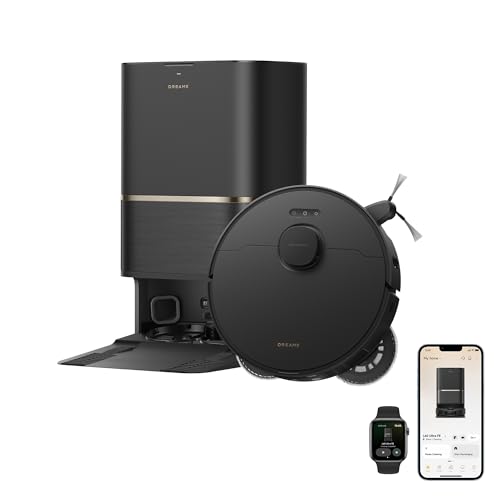

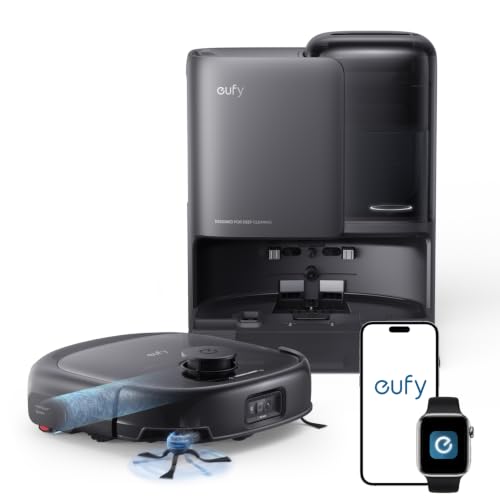
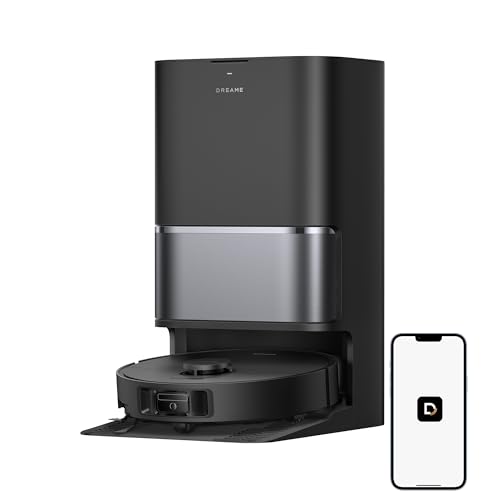


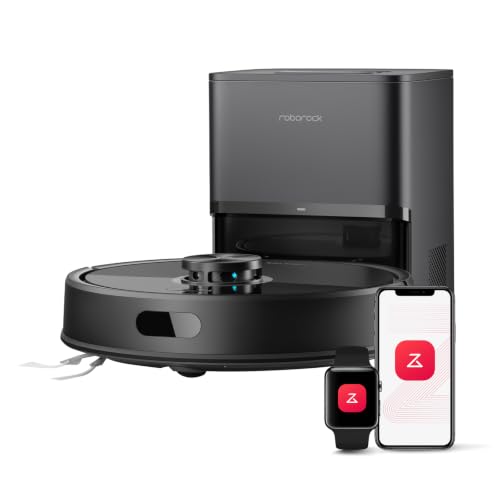
All in One Types Compared
All in one is not a single design. It describes any robot sold with a dock that handles at least one upkeep job beyond charging, and most current docks handle several. The three types below differ mainly in how much mopping support the dock gives and how much floor space it needs.
Self Emptying Dock Models
This is the entry point to the category. The dock pulls debris from the robot into a larger bag or a bagless bin each time the robot returns, so you deal with dust every few weeks instead of after every run. Mopping, if the robot offers it at all, is usually a simple drag pad that you rinse yourself. Choose this type if your floors are mostly hard surface or low pile carpet, your main complaint is frequent bin emptying, and you want the lowest dock price and the smallest footprint of the three types.
Mop Washing Dock Models
These docks add clean and dirty water tanks, wash the mop pads with water between runs, and often dry the pads with warm air to limit odor. The robot returns mid job to rinse, so it spreads less dirty water across later rooms. This type suits homes where mopping is a weekly need rather than an occasional extra, such as kitchens with sticky spills or entryways that track in mud. Expect a taller, heavier dock, more tank refills, and a higher price in exchange for far less sink time.
Compact Dock Models
Compact models shrink the dock by using smaller bags, smaller tanks, or both, and a few route dirty water into a removable tray instead of a large tank. You give up some hands free time, since bags and tanks fill sooner, but the dock fits in a laundry closet, a pantry corner, or beside a sofa where a full size tower would not. Pick this type for apartments and smaller homes where the only open wall space is narrow, and where cleaning two or three rooms at a time is the normal pattern.
How to Compare All in One Robot Vacuums
Compare docks first and robots second, because the dock decides how the machine fits your routine. Start with capacity. Bagged docks often hold several weeks of debris, while bagless docks save the cost of bags but need you to empty and rinse a bin that can puff dust back into the air. Next, check water tank size against your floor area, since a tank that runs dry halfway through a large home forces a refill stop anyway.
Ease of use is the second lens. Look at how the dock tells you a bag is full or a tank is empty, and how many small parts, such as filters, wash trays, and ramps, lift out for rinsing. Noise matters too, because the emptying cycle is brief but loud, and some docks let you mute it during set quiet hours. Last, confirm the warranty covers both the robot and the dock, since the dock has its own pumps and motors.
How to Choose the Right Robot Vacuum
Type and Floor Mix
Your floor mix should drive the type you buy. Homes with wall to wall carpet gain little from a mop washing dock, so a self emptying model with strong carpet suction and a brush that resists hair wrap is the smarter spend. Homes with mostly hard floors and area rugs get more from mop washing, pad drying, and auto mop lifting, which raises the pads over rug fibers. If pet hair is your main load, our guide to the best robot vacuum for pet hair explains hair pickup in more depth.
Features Worth Paying For
Four features earn their cost in most homes. Obstacle avoidance keeps the robot from dragging cords or pet waste through a room. Room mapping with no go zones lets you keep the robot out of a nursery or a pet feeding corner without moving furniture. Auto mop lifting protects rugs during mixed floor runs, and hot water mop washing in the dock cuts the greasy film that cold rinses leave on pads. Skip paying extra for features you will not open in the app, such as voice packs or elaborate light shows.
Suction Power and Energy Use
Makers rate suction in pascals, and higher numbers help pull grit from carpet fibers, but brush design and seal against the floor matter as much as the headline figure. Treat the number as a rough guide rather than a promise. Energy use is modest for the robot itself, since it sips power while it cleans and recharges. The dock draws more during short emptying and drying cycles. If energy cost is a concern, choose a dock with an auto off drying setting and run full cleans when rooms are empty.
Safety Features and Certifications
Look for a dock and robot with a recognized safety listing such as UL or ETL, which means an outside safety organization checked the electrical design, the battery, and the charger. Cliff sensors keep the robot from falling down stairs, and pinch protection stops the brush if a small hand or paw gets close. Keep water tanks away from outlets, route the dock cord so it cannot pool in mop water, and follow the maker guidance on which cleaning solutions, if any, are safe for the tank and seals.
Dock Size and Robot Dimensions
Measure before you order, because the dock needs more room than its footprint suggests. The robot must drive in and out in a straight line, so leave open floor in front of the dock and clear space on each side, following the clearance figures in the manual. Note the dock height if it will sit under a counter or shelf. Robot height matters as well. A tall sensor turret can block the robot from cleaning under a low sofa, so compare robot height against the lowest furniture gap you want cleaned.
How Much Should You Spend?
Plan on about $300 to $500 for a self emptying dock model with solid mapping, and about $500 to $800 once the dock also washes and dries mop pads and adds strong obstacle avoidance. Flagship packages with the largest tanks and the most dock automation can run about $800 to $1,200. Shoppers who mainly want relief from daily bin emptying can spend less, and our guide to the best cheap robot vacuum shows what the lower price bands give up. Bags, filters, and pads add a small yearly cost on top.
All in One vs Other Robot Vacuums: Pros and Cons
The clear gain is time. A good dock turns daily tidying tasks into a short weekly check, and the robot can clean while you are out without stopping on a full bin. Floors tend to stay cleaner because the robot finishes whole runs instead of pausing. Sealed bags also suit dust sensitive homes, since debris stays contained when you swap the bag. If you are still weighing the category itself, the arguments in are robot vacuums worth it walk through the value question in full.
The trade offs are space, noise, and ongoing cost. The dock needs a permanent home with an outlet, the emptying burst is loud enough to wake a light sleeper in the next room, and bags, filters, and mop pads are repeat purchases rather than one time costs. A basic robot with no dock costs less, fits almost anywhere, and has fewer pumps and parts that can clog. Households that clean one small room at a time may find a simple model plus a quick manual empty is honestly enough.
FAQ
What is the best all in one robot vacuum?
There is no single winner, because the right pick depends on your floors and the space you can give a dock. For mostly carpet, that means a self emptying dock paired with strong suction. For mostly hard floors, a mop washing dock earns its price. Start from the product table above, match the type to your floor mix, then check dock size against your space. Any model that fits those three tests will serve you better than a flagship that does not fit your rooms.
How do robot vacuums work?
A robot vacuum maps your rooms with a spinning laser sensor or a camera, plans a path in rows or zones, and drives that path while a brush and suction lift debris into its bin. Bumper and cliff sensors handle surprises the map misses. One detail worth knowing is that maps improve over the first few runs, so let a new robot complete several full cleans before you judge its routes or draw no go zones you expect it to respect every time.
How do you clean a robot vacuum and its dock?
Wipe the sensors and charging contacts with a dry cloth, rinse the wash tray and any removable dock ramp, and let those parts dry fully before you refit them so mildew cannot start. Check the side brush for wrapped string and trim it free with scissors held away from the bristles. A point many owners miss is the dock intake port itself. Lint can pack into that opening and weaken emptying long before the bag is truly full, so clear it whenever suction at the dock sounds strained.
Do robot vacuums work on carpet?
Yes, most clean low and medium pile carpet well, and many raise suction automatically when they sense carpet fibers under the brush. Thick shag is the hard case, since long fibers can slow the brush and confuse the wheels. Our guide on do robot vacuums work on carpet covers pile limits in detail. For a dedicated carpet first home, compare models in our best carpet robot vacuum guide as well, since brush shape matters more there than raw suction.
How long do robot vacuums last?
Most robots stay useful for about four to six years, and the battery is usually the first part to fade, showing up as shorter runs and more mid job recharging. You can often replace the battery and keep the robot going. Dock pumps and seals tend to outlast the battery if you rinse trays and keep the intake clear. Budget for pads, filters, and bags each year, and treat a worn main brush as a normal wear item rather than a sign the whole machine is done.
Can an all in one robot vacuum clean while you are away from home?
Yes, scheduled cleans through the app are a core strength of dock models, because the robot can empty and recharge on its own between rooms. Before a trip, empty the dirty water tank, fill the clean tank, and clear cords and small toys from the floor. Set the dock to skip its loud emptying cycle at night if neighbors are close. That prep means you come home to finished floors.
Final Thoughts
An all in one dock does not clean better than a good standard robot. It cleans more often with less help from you, and that is the real reason to pay for one. Match the dock type to your floor mix, measure the space the dock needs, and weigh bag and pad costs before you decide. Chosen that way, the best all in one robot vacuum for your home is simply the one whose upkeep fits your week, and the product table above is the fastest place to compare your options.