Best All Around Cowboy Boots 2026
Disclosure: We may earn a commission when you buy through links on this page, at no extra cost to you. As an Amazon Associate I earn from qualifying purchases. Learn more

How to choose all around cowboy boots for riding, work and daily wear, with toe shape, heel height, leather quality, fit and break in explained.
The best all around cowboy boots are one pair that handle riding, yard work and everyday wear without specialising too far in any direction. A balanced toe, a moderate heel and durable leather matter more than flashy styling. The comparison table below compares boot styles for everyday use.
Cowboy boots vary in toe shape, heel height and leather, and each choice suits a different job. This guide explains those trade offs, how to fit boots properly, and how to break them in, so one pair can serve riding, work and weekends.

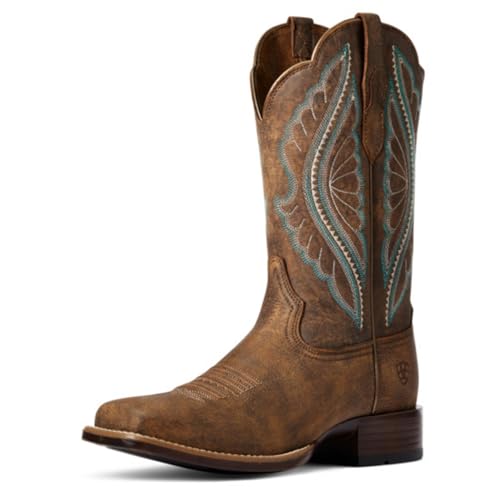

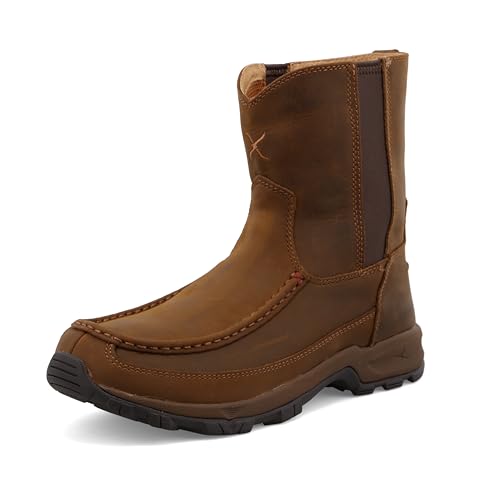

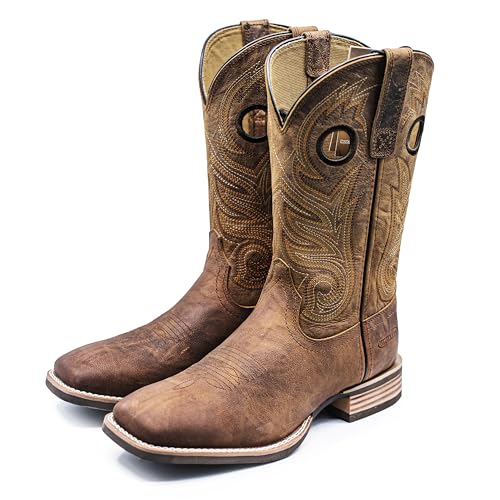
Who Should Buy All Around Cowboy Boots
Riders who also work outdoors and wear boots daily gain the most from a balanced pair. Ranch workers, horse owners and country lifestyle wearers often want one dependable pair rather than several specialised ones. Beginners buying a first pair should also favour balance over extremes.
Dedicated rodeo riders or fashion buyers may prefer specialised styles instead. If you ride daily in an arena, a riding specific boot may fit stirrups better. For most mixed use, though, an all around boot with a moderate heel and a rounded toe serves widest.
Boot Styles Compared
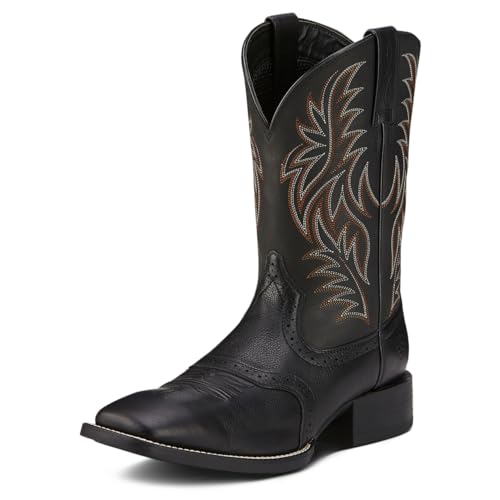
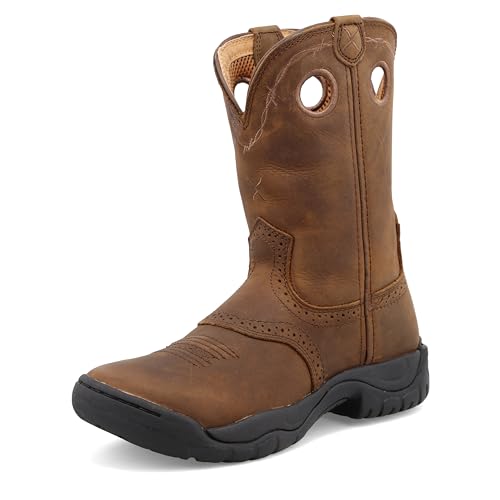
Roper boots have a lower heel and a rounded toe, which suit walking and everyday wear. Stockman boots balance riding and work with a moderate heel and a sturdy build. Western work boots add tougher soles and toe protection for yard and barn jobs.
Fashion boots focus on styling and lighter leather, which suits town wear but not heavy work. Traditional cowboy boots with a higher heel suit stirrup riding best. For all around use, roper or stockman styles usually strike the best balance.
Toe Shape, Heel and Leather
Toe shape affects comfort and stirrup fit. Rounded toes suit wide feet and daily walking, while pointed toes suit a classic look but pinch wider feet. Square toes give room without the length of a pointed toe. Heel height affects riding safety, since a moderate heel holds the stirrup without catching.
Full grain leather lasts longest and moulds to your foot with wear. Top grain leather costs less and still serves daily use well. Suede looks smart but needs more care in wet or muddy conditions. Check stitching and sole construction, since welted soles can be repaired and last longer.
Fit and Break In
Cowboy boots should feel snug at first, since leather stretches with wear. Your heel should lift slightly when new and settle as the boot breaks in. Try boots with the socks you will wear for riding or work, since sock thickness changes fit noticeably.
Break in gradually with short wears at home before long days outdoors. Leather conditioner softens stiff leather, but avoid over conditioning, which can weaken stitching. If a boot pinches sharply after several wears, the shape may be wrong rather than merely new.
Soles, Care and Daily Use
Leather soles suit riding and smooth floors but slip on wet ground. Rubber soles grip better for yard work and wet weather. Some boots use a hybrid sole that balances both, which suits all around use well. Replace worn soles promptly, since a smooth sole is unsafe on muddy yards.
Brush off dirt after use, condition leather every few months, and store boots upright with trees or stuffing to hold shape. Keep boots dry between wears, since damp leather weakens and smells. A boot jack helps removal without straining seams.
Common Mistakes to Avoid
Buying a very pointed toe for wide feet is a common error, since it pinches and causes blisters. Choosing fashion boots for heavy yard work is another, because light leather and soles wear fast. Ignoring break in time leads to sore feet on the first long day.
Do not buy boots a size up to skip break in, since loose boots cause heel slip and blisters. Avoid soaking leather boots to soften them, since water damages leather and stitching. Try boots late in the day when feet are slightly swollen, for a truer fit.
Related Guides Worth Reading
For quality markers to check before buying, best quality cowboy boots explains leather grades and construction. General versatile boots are covered in best all around boots for non western options. Women can compare best ladies cowboy boots for fit and styling, and men can check best cowboy boots for men. Pairing ideas are in best jeans for cowboy boots.
Frequently Asked Questions
What toe shape is best for all around cowboy boots?
A rounded or square toe suits most all around use, since it gives toe room for walking and still fits a stirrup safely. Pointed toes look classic but pinch wider feet and suit fashion more than work. Try each shape with your usual socks before deciding.
How should cowboy boots fit when new?
They should feel snug with slight heel lift, since leather stretches with wear. Your toes should not press hard against the front, and the arch should feel supported. If a boot pinches sharply after several wears, the shape is likely wrong rather than new.
Are leather or rubber soles better for all around boots?
Leather soles suit riding and smooth floors, while rubber soles grip better on wet yards and pavements. A hybrid sole balances both and suits mixed use well. Replace worn soles promptly, since smooth soles slip dangerously on mud.
How long does break in take for cowboy boots?
Most boots break in over one to three weeks of gradual wear, starting with short periods at home. Leather conditioner helps soften stiff areas, but avoid over conditioning. Sore spots that persist after several weeks suggest a fit problem, not normal break in.
Can one pair of cowboy boots serve riding and work?
Yes, a roper or stockman boot with full grain leather, a moderate heel and a rubber or hybrid sole handles both well. Dedicated arena riders may still prefer a riding specific boot. For mixed riding, yard work and daily wear, a balanced pair is the practical choice.
Final Thoughts
Choose a roper or stockman boot in full grain leather with a rounded or square toe and a moderate heel. Fit snugly, break in gradually, and care for the leather regularly. The product table above compares the main styles, and your mix of riding and work will settle the details.
For best all around cowboy boots, balanced toe, moderate heel and full grain leather serve widest.