
Best Airsoft Shoes: Our 2026 Checklist and Buyer Guide
Disclosure: We may earn a commission when you buy through links on this page, at no extra cost to you. As an Amazon Associate I earn from qualifying purchases. Learn more

Use this checklist to compare the best airsoft shoes by grip, ankle support, fit, and durability, and choose the right pair for indoor or outdoor fields.
Footwear is the piece of kit you feel on every step of game day, yet many players buy it last and choose by looks alone. This article gives you a clear checklist for judging the best airsoft shoes before you spend anything. Each item on the list has a simple pass or fail test you can apply to any product page or store shelf.
Work through the criteria in order, from intended use to safety, then use the quick checklist near the end to screen pairs in minutes. The comparison table below is a good place to start your shortlist.
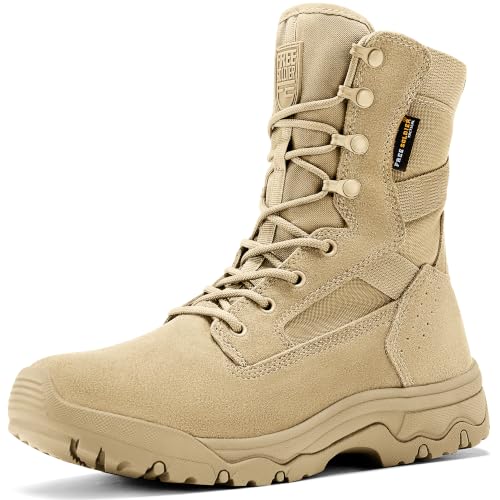


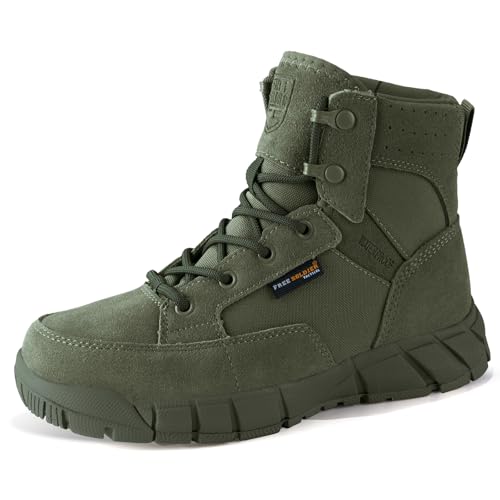
How to Evaluate Airsoft Shoes
Think of these six criteria as a scoring sheet. A pair does not need to ace every line, but it should never fail the lines that protect your ankles, your grip, and your comfort over a full day.
Skill Level and Intended Use
Beginners play shorter games, move at a learning pace, and need comfort and ankle protection above all else. A supportive mid cut shoe with forgiving cushioning passes this test for a first season. Intermediate players cover more ground and benefit from lighter builds and stronger grip. Advanced players who sprint, slide, and climb need a secure fit that never shifts mid movement. Fail any pair that is marketed for fashion or casual wear only, since those soles and uppers are not built for field movement.
Size, Weight, and Fit
Fit is the easiest criterion to test and the most common reason shoes get returned. Your toes need room to spread when you stop hard, while your heel should stay locked with no lift as you walk. Check the brand size chart against your foot length in centimeters rather than trusting your usual size, since brands vary. Weight matters over distance. A heavy boot style shoe can protect well but tire your legs by the final game, so match the weight to the longest day you actually play.
Value and Included Accessories
Value means cost per season of play, not the lowest tag on the shelf. A pair around $60 to $90 that lasts two seasons beats a pair under $40 that splits in three months. Look at what arrives in the box. Spare laces, a second set of insoles, or a storage bag add real value, while decorative extras add none. Also weigh the warranty and return window. A store that lets you test fit indoors at home and exchange sizes without a fee lowers your real cost of choosing.
Indoor vs Outdoor Use
The surface you play on should decide the sole. Indoor fields use smooth concrete, painted floors, and sometimes turf, so a flatter sole with fine tread grips well and will not mark floors. Outdoor fields add mud, gravel, wet grass, and slopes, which call for deeper lugs and a stiffer shank. Some venues ban metal cleats, so check field rules before buying aggressive outdoor soles. If you split time between both, choose a mid depth tread and accept a small compromise on each surface rather than owning two pairs at once.
Safety and Certifications
Shoes protect you in quieter ways than eye protection, but the stakes are real. Ankle support reduces sprain risk when you step on uneven ground or land from a small jump. A firm toe area guards against stubbing on barriers and debris. Breathable mesh is fine for indoor play, while outdoor players in wet regions need water resistant uppers and drainage that lets water escape. Pair your footwear thinking with your full kit, since our guide to the best gear for airsoft shows how each piece supports the others on game day.
Eye protection deserves the same checklist mindset. If you wear glasses under your protection, compare the options in our guide to the best glasses for airsoft so your footwear and eyewear plans stay balanced.
Performance Characteristics
Performance here means grip, stability, and how the shoe behaves when you change direction. Deep, widely spaced lugs shed mud and bite on loose soil, while softer rubber grips hard floors better but wears faster outdoors. A torsional shank keeps the shoe from twisting on rocks and roots. Cushioning should absorb landing impact without feeling unstable in a crouch. Forgiveness matters too. A shoe that still feels secure when your socks get damp or your feet swell late in the day will serve you better than a precise but fussy fit.
Price Tiers That Pass the Checklist
Price tiers are a useful shortcut when you know what each tier usually delivers. Use these profiles to set expectations, then confirm the details on the specific pair in front of you.
Mid Price All Rounder Profile
The all rounder profile sits in the middle price tier, usually about $90 to $150, and balances every checklist item without a weak line. Expect a supportive mid cut design, a grippy all surface sole, and uppers that mix durability with ventilation. This profile suits players who attend mixed indoor and outdoor games and want one pair to handle all of it. The trade off is that it masters nothing. Dedicated indoor and woodland players can beat it with a specialized pair, but most players never need to.
Value Profile
The value profile usually costs about $50 to $90 and spends its budget on fit, grip, and a solid sole while skipping premium fabrics. Uppers may scuff sooner and color choices stay basic, but the protective basics remain intact. This tier suits beginners and casual players who play a few times a month. The point to verify is the return policy, since value brands vary more in sizing. Order from a seller that makes size exchanges painless and the value tier becomes very hard to beat.
Heavy Use Profile
The heavy use profile is built for players who train weekly and play in rough weather. Prices often run about $140 to $200, and the money goes into reinforced stitching, tougher toe and heel zones, and soles that resist wear on gravel. These shoes feel stiffer during the first games and need a proper break in period at home. Weight runs higher than average, which strong legs accept in exchange for seasons of service. If your games involve hills, mud, and long walks between rounds, this tier repays its cost.
Quick Buyer Checklist
Run any candidate pair through these questions. More yes answers mean a safer purchase.
- Does the size chart match your measured foot length, with room for thick game socks?
- Does the heel stay locked when you walk, climb a step, and land from a small hop?
- Does the tread pattern match your main surface, indoor floors or outdoor soil and grass?
- Does the ankle height match your history of ankle twists and the roughness of your field?
- Can you return or exchange the pair after an indoor fit test at home?
- Does the upper material suit your weather, breathable for heat or water resistant for wet fields?
- Does the total price fit the seasons of use you honestly expect from the pair?
Red Flags to Watch For
Some warning signs show up again and again on poor pairs. Walk away when you spot several of them together.
- Vague specs that praise style and comfort but never describe the sole, shank, or upper materials.
- No size chart, or a chart that lists only generic sizes with no foot length measurements.
- Soles glued with visible gaps, loose stitching, or a strong chemical smell that signals weak adhesives.
- A very short return window that makes a home fit test impossible before the deadline.
- Review patterns that praise looks only and never mention grip, support, or a full day of wear.
Setup and Care Tips
New shoes need a short break in before a full game day. Wear them for errands and a walk or two, and adjust lace tension until pressure feels even across the top of the foot. After games, loosen the laces, remove the insoles, and let everything dry at room temperature away from direct heat. Store the pair out of direct sun and extreme heat, brush dried mud from the lugs, and check wear before each use so a worn sole never surprises you mid game.
FAQs
How long do airsoft shoes last?
Most pairs last one to three seasons depending on how often and where you play. Outdoor mud and gravel wear soles far faster than smooth indoor floors. A useful extra check is the heel counter. When it softens and the heel starts to roll, support has faded even if the tread still looks fine. Rotating two pairs lets each dry fully between games and can extend the life of both, which regular players often find cheaper over time.
What size airsoft shoes should I get?
Choose by foot length from the brand chart, measured in the evening when your feet are at their largest. Add a small allowance for thick socks, since game socks run thicker than daily socks. The best airsoft shoe for you should feel secure at the heel with space at the toes, never the reverse. If you fall between sizes and the model has a wide option, the wide in your normal length often fits better than sizing up and swimming in extra length.
Are premium airsoft shoes worth buying as a beginner?
Premium shoes are usually not the right first purchase for a beginner. Your play style, field type, and even interest in the hobby will settle over the first months, and mid tier shoes cover that period well. One exception is ankle history. If you have weak ankles or past sprains, spending more on support is money spent on safety, not luxury. Otherwise, put the savings toward certified eye protection, which you can compare in our guide to the best airsoft mask options.
For airsoft shoes, does indoor vs outdoor play matter?
Yes, the playing surface changes which sole and upper you should choose. Indoor floors reward flat, grippy soles and light breathable uppers, while outdoor ground demands deep lugs, ankle support, and weather resistance. One detail many players miss is venue flooring rules. Some indoor sites require non marking soles and will turn away dark rubber that scuffs their floors, so confirm the rule on the field page before your first visit in a new pair.
The Bottom Line
Screen every pair by fit, grip for your surface, and ankle support, and let price tiers guide your expectations rather than brand names. Beginners do well in the value tier, regulars in the overall tier, and weekly players in the heavy use tier. Revisit the product table above with the checklist in hand, and you will pick the best airsoft shoes for your games with confidence.


