Best Airsoft Half Mask in 2026: Which Type Is Right for You?
Disclosure: We may earn a commission when you buy through links on this page, at no extra cost to you. As an Amazon Associate I earn from qualifying purchases. Learn more

Compare every type of best airsoft half mask by fit, airflow, and coverage in this buying guide, with a clear checklist for choosing the right style.
A half mask looks simple until you stand in a shop facing mesh, fabric, and molded plastic versions that all promise comfort. The right choice depends on how you aim, how hot you get, and whether you wear glasses or a cap. This guide compares types side by side so you can find the best airsoft half mask for your field and your budget.
Use the comparison table below to see shapes and price ranges at a glance, then read the type breakdown before you buy. A mask that seals poorly or presses on your nose will bother you in the first game, so fit details matter more than color or styling.



Types of Airsoft Half Masks Compared
Half masks cover your nose, cheeks, and mouth while leaving your eyes to separate goggles. That split design gives you a better cheek weld on a rifle stock than a full mask, and it lets you mix and match eye protection. The trade off is that you must check the gap between goggle and mask every time you gear up.
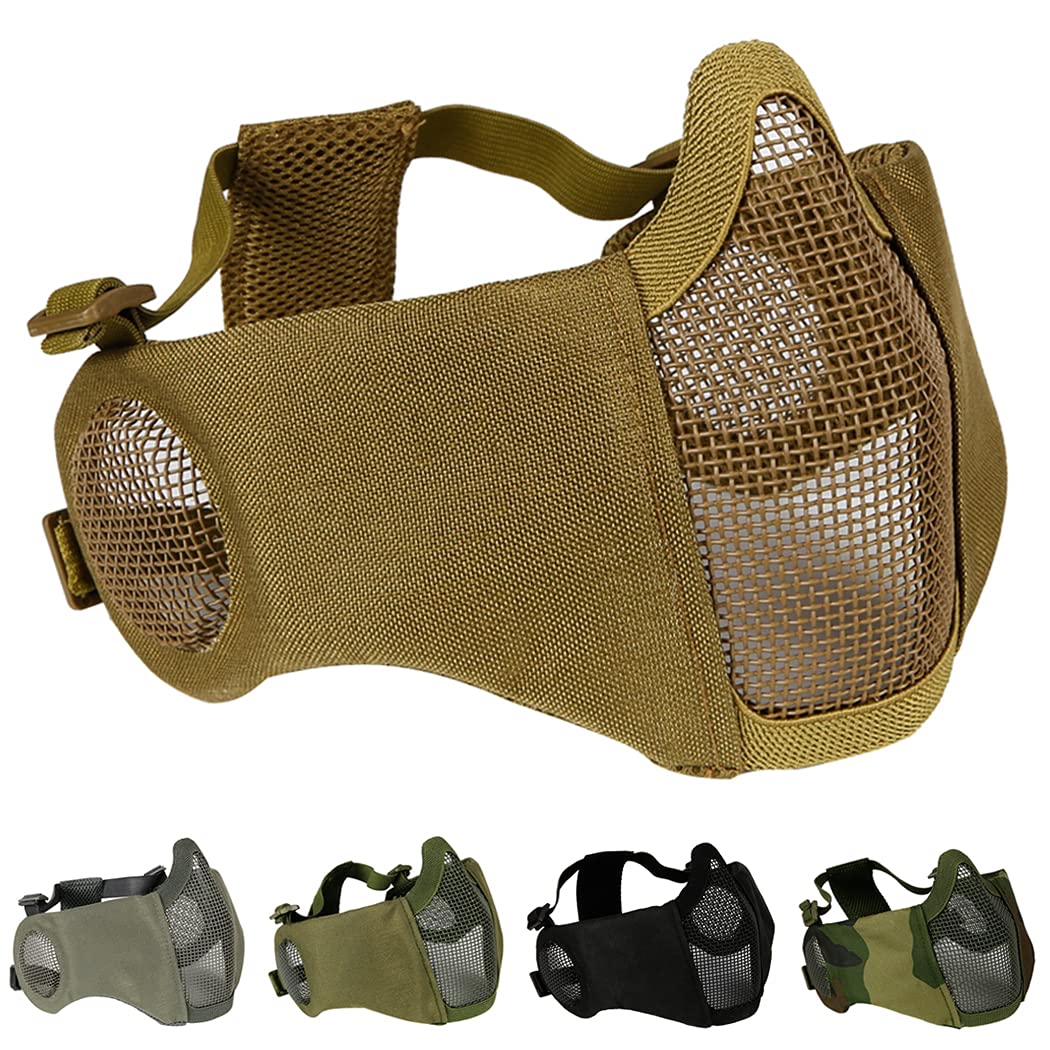
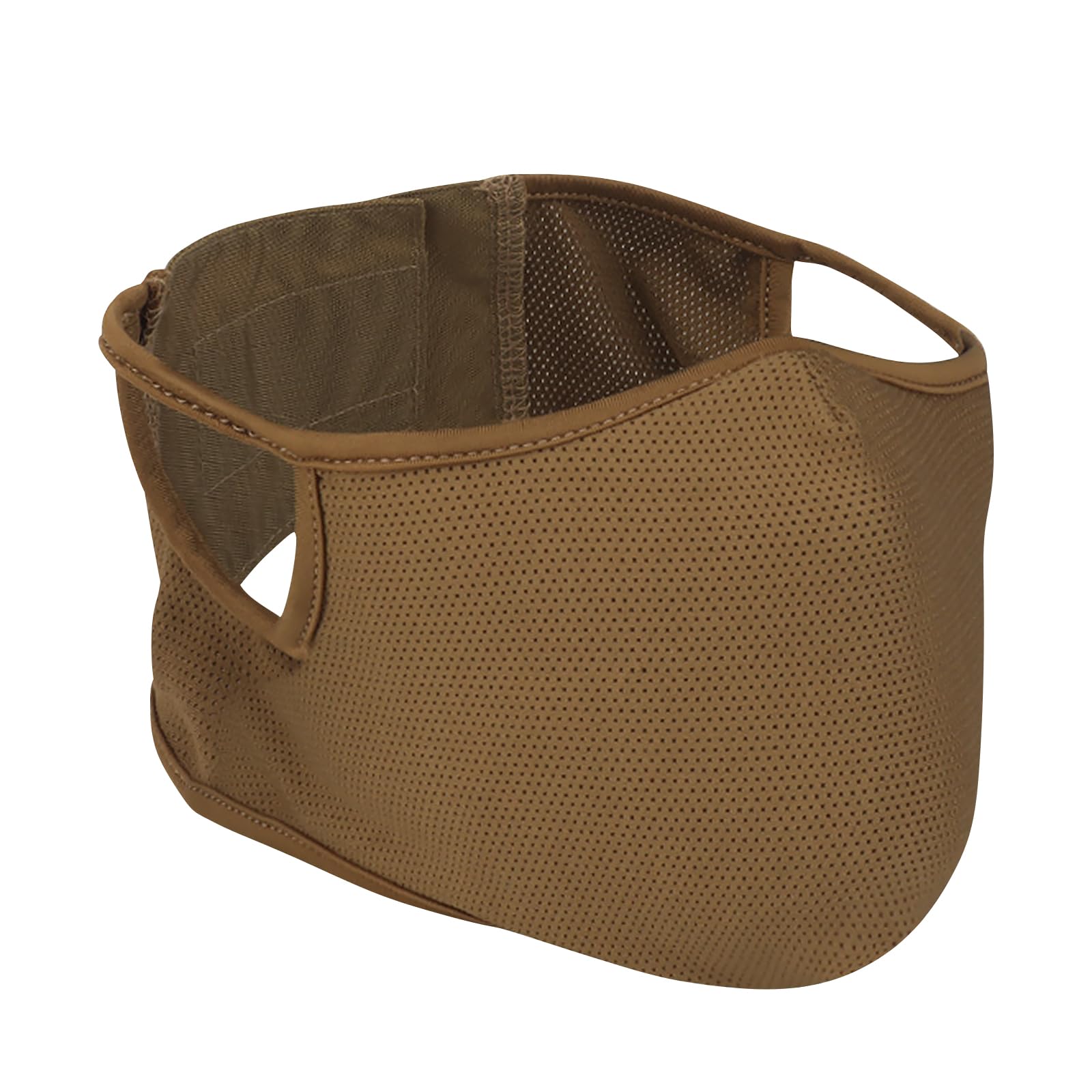
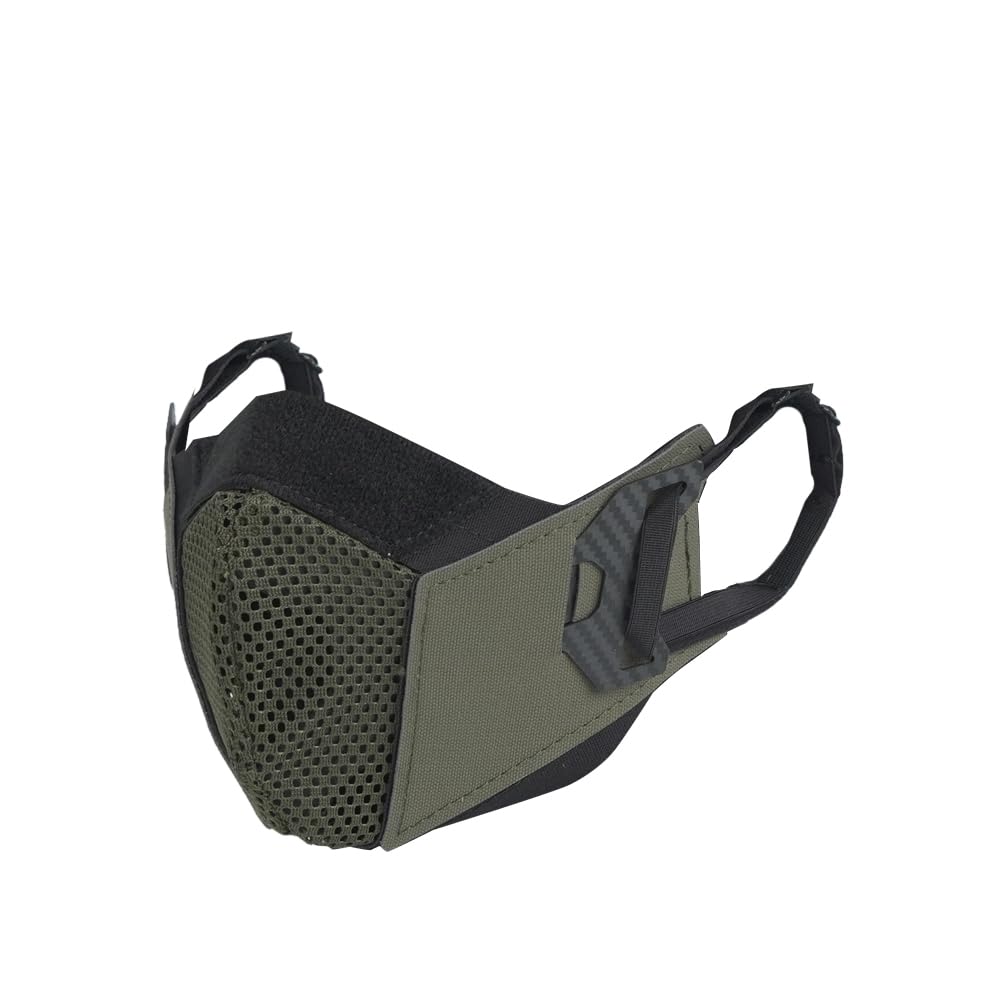
Three build styles dominate. Steel mesh holds its shape and breathes freely but can press hard spots into your cheek. Padded fabric over a flexible insert feels softer and folds flat. Molded plastic shells hold a fixed curve, protect well, and suit players who want the same fit every game.
Kids and Youth Options
Youth sizes run shorter from nose to chin and narrower across the cheeks, and that sizing matters more than any other feature for younger players. A mask that is too tall rides up into the goggles and leaves the chin exposed when the player looks down. Look for two strap adjustment points so a parent can balance tension.
Soft padded styles usually suit younger players best because they forgive growth and sit gently on smaller faces. Check the size chart by face width rather than age alone, since kids of the same age vary a lot. Always pair the mask with properly rated goggles, and have an adult check the full setup before play.
Advanced and Performance Options
Performance models focus on a low profile, firm shape retention, and straps that stay put during fast movement. Many use shaped mesh with a padded border, which keeps airflow high while spreading pressure along the edge. Some add ear coverage panels that protect without adding much bulk.
These masks suit frequent players who run, crouch, and shoulder a rifle for hours. The firmer shell holds its curve so your cheek weld stays consistent, and replaceable straps add service life. Expect to pay more, around $30 to $60, and expect a break in period before the shape matches your face.
Intermediate and All Around Options
All around masks blend a flexible mesh or insert core with fabric padding, giving moderate protection and moderate comfort at a moderate price, usually around $20 to $35. They fit the widest range of faces because the core bends a little while the padding fills small gaps. Most weekend players land in this group.
This is the sensible starting point if you play once or twice a month. You get decent airflow, a workable cheek weld, and straps that adjust enough for caps or helmets. If you later play weekly, you can upgrade and keep this mask as a loaner for friends.
Beginner Options
Beginner masks are simple padded or plain mesh designs, often under $20, with one elastic strap and basic sizing. They do the core job: they keep BBs off your teeth and cheeks. What you give up is fine fit adjustment, so hot spots on the nose bridge are common.
Choose this tier if you are testing the hobby or equipping a guest. Spend your remaining budget on good goggles first, since eye protection carries the safety rating that matters most. If the mask feels loose, add a cap or beanie under the strap to take up slack rather than overtightening.
Kids and Youth Options vs Advanced and Performance Options: Which Should You Choose?
Fit range is the biggest split. Youth masks cover smaller faces well but top out early, while performance masks assume adult proportions and adjust across a wider span. A teen between sizes often does better in a small adult padded model than in a youth mesh shell.
On comfort, padded youth designs win for short games, while shaped performance masks win over a long day because pressure spreads along a firm border. On price, youth options cluster around $15 to $30 and performance options around $30 to $60. On durability, performance straps and borders last longer under weekly use.
Match the mask to the player, not the aspiration. Buy youth sizing for a genuinely small face, and buy performance shaping only when the player plays often enough to notice fit fatigue.
How to Choose the Right Airsoft Half Mask
Safety and Certifications
A half mask protects teeth and skin, but it is not eye protection, so your goggles must carry an ANSI Z87.1 rating or better. Look for masks with steel mesh that resists denting, since a deep dent near the mouth reduces the gap that keeps fragments away. Avoid novelty masks with wide mesh spacing.
Check your field rules before buying. Some indoor fields require full lower face coverage with no gaps at the sides, and some events ban fabric only masks. When in doubt, ask the field staff which styles they accept, and keep a photo of the rating markings on your goggles.
Indoor vs Outdoor Use
Indoor games mean close range shots, hard floors, and warm air, so a slim mask with strong coverage and good airflow earns its keep. Mesh fogs less than solid plastic near the mouth, which helps when you breathe hard in a small arena. A lower profile also clears door frames and props.
Outdoors, sun, dust, and brush change the list. A padded border seals out grit when you go prone, and a darker matte finish avoids glare. If you play in heat, prioritize mesh area and a strap layout that works with a breathable cap rather than a heavy helmet.
Skill Level and Intended Use
Your role shapes the mask you want. Players who aim down sights all day need a thin cheek section, while support players who move less can accept a thicker padded mask. If you talk a lot on the field, test how clearly your voice carries through the mesh or fabric before game day.
Be honest about game length. A mask that feels fine for twenty minutes can rub raw over three hours, so padding quality matters more as sessions grow. Players who attend full day events should also carry a spare strap, since elastic is the part that fails first.
Portability and Storage
Padded fabric masks fold flat into a kit bag, while shaped mesh and plastic shells need a pocket of space where nothing crushes them. A bent mesh mask loses its curve and may gap at the cheek, so store shaped styles inside your helmet or goggles case. Let every mask dry fully before you pack it away.
Sweat soaked straps grow odor fast in a sealed bag. Air the mask on a hook after each game, and wash fabric styles by hand with mild soap. Keep a small mesh laundry bag in your kit so the mask travels apart from sharp buckles and tools.
Choosing Airsoft Half Masks for Your Situation
Best Half Masks for Airsoft
When you shop for the best half masks for airsoft specifically, three checks separate good buys from regrets. First, test the cheek weld with your own rifle, since airsoft stocks sit lower than many players expect. Second, check the nose bridge seal while wearing your goggles. Third, confirm the strap path works with your hat or helmet, because a strap that slides ruins an otherwise good mask.
If you also want full coverage on some days, see our guide to the best airsoft mask for sealed options. Players who prefer one piece designs can read about the best airsoft face mask styles that pair coverage with built in eye protection.
Setup and Care Tips
Store your mask out of direct sun and extreme heat, since ultraviolet light and hot car trunks weaken elastic and fade fabric. Check wear before each use: look for cracked mesh coating, frayed strap edges, and padding that has gone flat. Clean and dry the mask after outdoor use so dust and sweat do not grind into the border seams.
One practical habit helps fit a lot. Put your goggles on first, then the mask, then check the nose gap in a mirror while you look up, down, and side to side. If you wear glasses, our guide to the best airsoft mask for glasses explains frame friendly setups. For a pure mesh deep dive, see the best mesh mask airsoft guide.
FAQs
What size airsoft half mask should I get?
Measure your face from the bridge of your nose to your chin, and across the cheekbones, then match those numbers to the size chart. Most adults land in the standard size, while smaller faces need youth or small sizes. Between sizes, choose the smaller padded style, because padding compresses to fit, but an oversized shell will always gap at the cheeks.
Indoor vs outdoor airsoft: does the field type matter for a half mask?
Yes, field type changes what you should prioritize. Indoor play rewards a slim profile and strong close range coverage, while outdoor play rewards a sealed padded border that keeps out dust when you go prone. Heat matters outdoors too. A mostly mesh mask stays cooler in summer sun than a solid shell, even at the same weight.
How long does an airsoft half mask last?
A decent half mask lasts one to three seasons of regular play, with the strap usually wearing out first. Mesh shells can last longer if you store them uncrushed and retire them after a deep dent. Fabric padding shortens the life if it stays damp, so drying after every game is the single habit that adds the most months.
Is a premium airsoft half mask worth it for a beginner?
Not usually, because beginners gain more from spending on rated goggles and a midrange mask that fits well. Premium shaping pays off once you play long days and know your fit preferences. One exception: if cheap masks keep slipping on your face shape, a shaped performance model with two strap points can solve the problem early.
Wrapping Up
Decide by fit first, airflow second, and price third. Match the size to real face measurements, pick mesh for cooling or padding for comfort, and confirm your field accepts the style. Check the product table above to compare shapes side by side, and if you sometimes borrow field rules from paintball, our notes on the best paintball mask for airsoft explain the overlap. Chosen with care, the best airsoft half mask disappears during play, and that is exactly what good protection should do.