Best Air Tubs in 2026: Air Bubble Bathtub Buying Guide
Disclosure: We may earn a commission when you buy through links on this page, at no extra cost to you. As an Amazon Associate I earn from qualifying purchases. Learn more
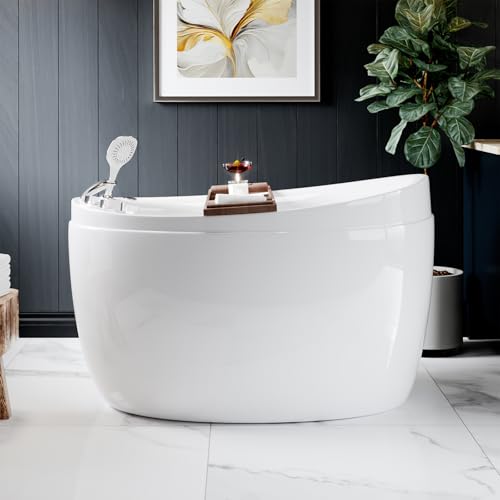
How to choose the best air tubs: jet layout, size, heater, blower noise, cleaning and installation for a gentle bubble massage soak.
An air tub fills the water with thousands of tiny bubbles pushed through small ports in the tub floor and sides by a blower. The result is a soft, even massage that feels very different from the focused push of water jets in a whirlpool. This guide to the best air tubs explains how the system works, which tub shapes suit which bathrooms, and what to check for installation and cleaning. Use the product table above to compare current models as you read.
Many tubs sold online combine air bubbles with water jets, so read the listing carefully if you want a purely air system. Pure air tubs are quieter and easier to clean, because there is no water standing in plumbing lines.


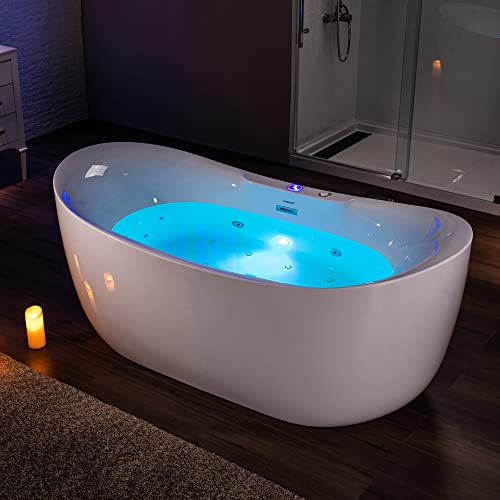


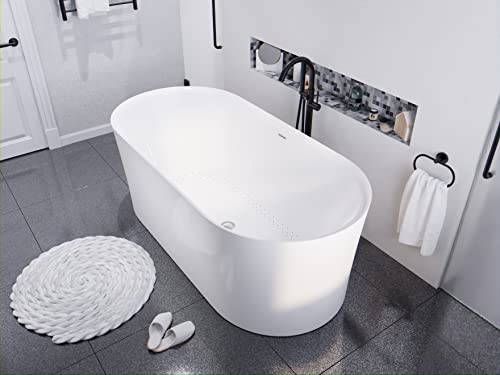


How Air Tubs Differ From Whirlpools
A whirlpool pulls water through a pump and fires it from jets, which gives a strong, targeted massage but leaves water in the pipes. An air tub sends air only, so the lines drain dry after use. The sensation is lighter, closer to champagne bubbles across the skin, and many people find it more relaxing than intense jets.
Combination tubs offer both, with a switch for each system. They cost more and need the cleaning steps of a whirlpool, but they give you a choice of massage style.
Types of Air Tubs
Freestanding air tubs
Freestanding tubs stand on their own and can be placed away from walls. They look striking in larger bathrooms and often come in oval or slipper shapes of about 59 to 71 inches. They need floor space on all sides, a floor-mounted or wall-mounted faucet, and a drain location that matches your plumbing.
Alcove air tubs
Alcove tubs fit against three walls, usually in a standard 60 inch space. They are the easiest to fit into existing bathrooms and often double as a shower with a surround.
Soaking and Japanese style tubs
Deeper tubs with a built-in seat focus on full-body immersion in a shorter footprint. A 48 inch deep model can suit a compact bathroom while still covering your shoulders when seated.
Walk in air tubs
Walk in models have a sealed door and a built-in seat, which suits anyone who finds stepping over a tub wall difficult. They usually cost more and need more time to fill and drain, so check the door seal and drain speed.
What to Compare Before You Buy
Tub size and depth
Measure the room, the doorway, and any stair turns before you order. A 71 inch tub is long to carry through a narrow hallway. Look at the interior length and depth too, not only the outside dimensions, because thick walls reduce the soaking space.
Jet or port layout
Ports along the back, seat and legs give a more even massage than ports clustered in one spot. A higher count is not always better, since the way air is spread matters more than the number.
Blower, heater and noise
The blower creates the bubbles and is the main source of noise, so look for a model that notes quiet operation. An inline heater keeps the water warm during a long soak. Without one, the bubbling air can cool the water faster than in a standard tub.
Material and finish
Acrylic tubs are lightweight, warm to the touch and easy to clean. Look for reinforced backing and a thick acrylic sheet to prevent flex underfoot.
Controls and extras
Simple controls for blower speed are enough for most buyers. Chromatherapy lights, a waterfall spout or a remote are extras. Make sure any electrical parts have the correct plug or wiring for your home.
Installation and Safety
Check floor strength, since a filled tub with a person in it can weigh several hundred pounds. A plumber should connect the drain and supply, and an electrician should supply a dedicated circuit with ground fault protection for the blower and heater. Local codes often require access to the pump or blower for service. Add a non slip bath mat and a grab bar to reduce slip risk on wet floors.
Cleaning and Care
- Run the blower in dry or purge mode after each bath so the air lines dry out.
- Wipe the tub dry and rinse the surface to remove soap film.
- Clean ports and drain strainers regularly to prevent hair and debris from blocking them.
- Avoid bath oils and harsh chemicals unless the maker says they are safe for the system.
Common Mistakes to Avoid
Buyers sometimes choose a tub that will not fit through a doorway, or forget to match the drain position to the room. Another mistake is skipping a licensed installer for the electrical work. Finally, check what the warranty covers, since acrylic shell, blower and heater often carry different terms.
Frequently Asked Questions
What is the difference between an air tub and a whirlpool?
An air tub uses a blower and tiny ports for a gentle bubble massage, while a whirlpool pumps water through jets for a stronger, targeted massage. Air systems dry out after use, which makes them easier to keep clean.
Do air tubs need special electrical work?
Yes, usually a dedicated circuit with ground fault protection for the blower and heater. Have a licensed electrician check your supply and local code before installation.
How do I clean an air tub?
Run the purge or dry cycle after each use, wipe the surface dry and clean the ports and drain on a regular schedule using products the maker recommends.
Can I add bath salts or oils?
Many makers advise against oils and some salts because they can clog ports or damage seals. Read the manual before using any additive.
How much does an air tub cost?
Prices vary with size and features. Many freestanding models sold online run from about $1,400 to $2,500, while walk in tubs cost more. Add the cost of installation to your budget.
Final Thoughts
Measure carefully, choose the shape and size that suits your room, and plan the plumbing and electrical work before you order. For related reading, see our guides to the best air jet tubs and the best freestanding air tubs. With those checks done, the best air tubs turn an ordinary bath into a relaxing soak.