Best Air Tube Headsets for Every Need in 2026: How to Pick the Right One
Disclosure: We may earn a commission when you buy through links on this page, at no extra cost to you. As an Amazon Associate I earn from qualifying purchases. Learn more

Match the best air tube headsets to your routine: tube layout, tip fit, microphone position and plug type for calls, class and commutes.
No single design suits every listener, because calls, classes, travel and desk work place different demands on the same ears. Choosing the best air tube headsets starts with how you actually spend your day, not with the longest feature list. This guide sorts buyers by routine first, then explains the tube, tip and plug choices that matter most.
An air tube set makes sound in a small speaker pod on the cord, then sends that sound through a hollow tube to the ear tip. The bud in your ear holds no speaker, so it feels very light, but the tube softens deep bass and limits volume. Use the comparison table below as a short list while you narrow your options.
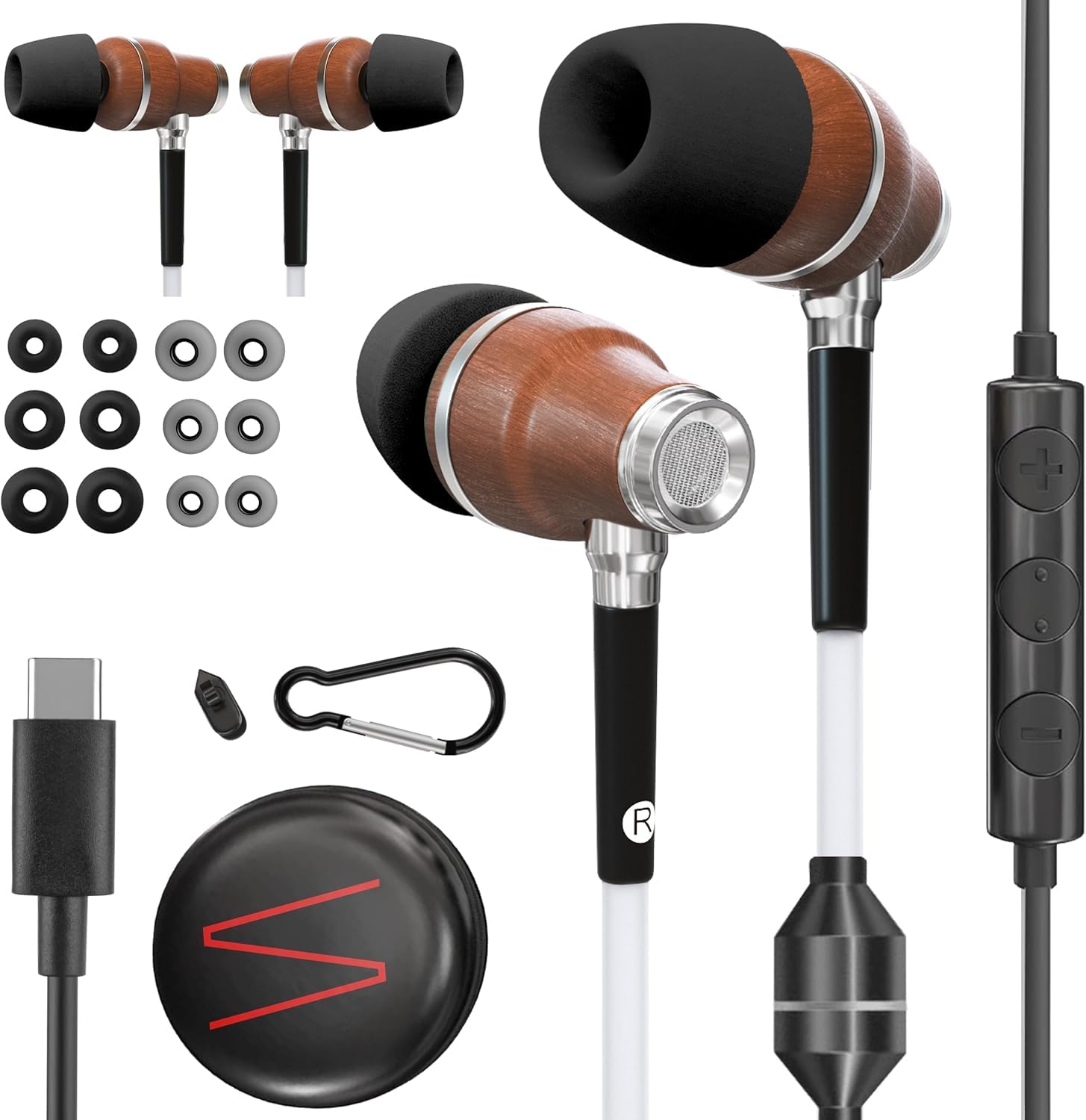
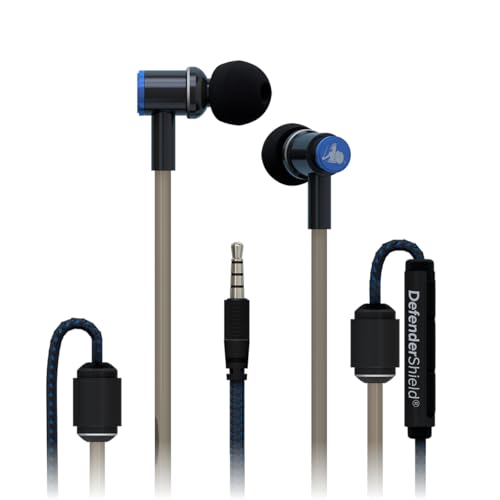
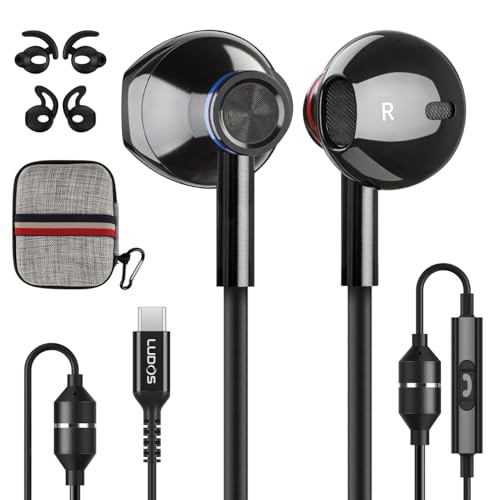
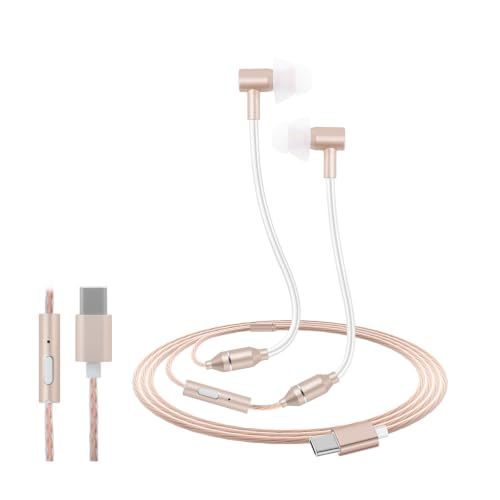

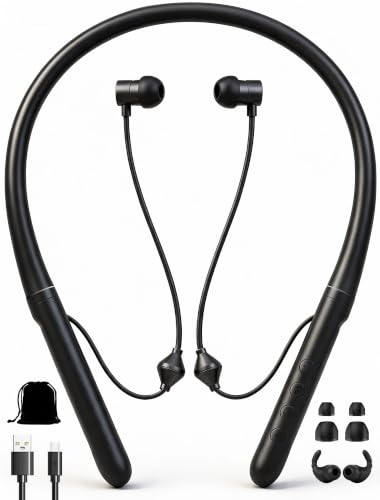
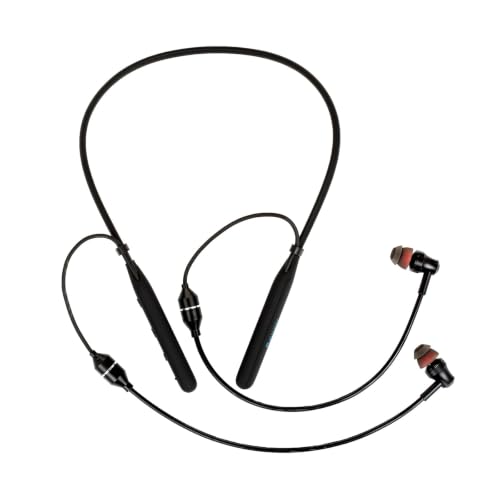
Who Should Buy Which Air Tube Headsets?
Start with your main routine, because a set that suits quiet desk calls can frustrate you on a noisy bus.
Students and Daily Listeners in Class and at Home
You need a set that works for classes, calls with family, audiobooks and music between tasks without any charging or pairing steps. Prioritize a secure tip fit, a cord that resists tangles, and clear speech tuning over strong bass. Most basic wired sets sit at a modest price, so check that several tip sizes come in the box and that the plug feels sturdy.
Commuters Who Need Clear Voices in Crowds
You need a light set that packs small, survives a bag or pocket, and keeps voices clear in stations and on buses. A firm carry case matters for you, because a crushed or sharply bent tube can muffle sound. Choose a cord length that will not catch on bag straps or coat buttons as you move through crowds.
For Remote Workers and Creators
You need callers to hear you clearly for hours, so microphone position and all day comfort matter more than music tuning. Look for a pod that rests near your jaw, simple mute and answer controls, and tips that stay comfortable through long meetings. If you record voice notes or short videos, choose speech focused tuning and a wired connection you can trust to work the moment a call starts.
Key Features to Compare
When you compare best air tube headsets, five factors decide most of your experience: tube layout, tuning, tip fit, microphone placement and plug type. Judge each one against your routine.
Air Tube Length and Driver Placement
The tube carries sound from the speaker pod to your ear, and its length sets where that pod rests on your chest or collar. A longer tube moves the pod farther from your ear, which many shoppers prefer, but the pod can swing as you walk and pull lightly on the tip. A shorter tube keeps the pod steadier and closer to your mouth for calls, though it sits nearer your jaw. Check product photos for pod position, and favor a clip that holds the pod where you want it.
Sound Quality and Tuning Through the Tube
Frequency response through a hollow tube differs from a driver placed inside the bud, so expect softer deep bass in exchange for clear, forward speech. A neutral tuning suits calls, classes and audiobooks, because voices stay easy to follow at modest volume. A warmer tuning adds fullness for music, but it cannot fully restore the punch a direct driver gives you. If music is your main use, accept this trade before you buy, and judge a set by voice clarity first.
Ear Tip Fit and Comfort in the Ear
Tip fit shapes both comfort and sound, because a loose seal leaks bass and lets outside noise in, while a tight seal can ache within an hour. Look for at least three tip sizes, and try silicone tips for easy cleaning or foam tips for a softer seal in noisy rooms. The bud itself is light since it holds no speaker, so most pressure comes from the tip alone. Stop using a set and talk with a clinician about personal needs if you notice ear pain, ringing that does not fade, dizziness or a sudden change in hearing.
Microphone Quality and Inline Controls
On most sets the microphone sits on the speaker pod or just below it, so pod position decides how close your voice stays to the mic. A mic near your jaw picks up speech with less room echo, while a pod hanging at your chest sounds distant and thin to callers. Simple controls for mute, volume and answering calls help during meetings, but button behavior can vary between phones and laptops. Creators should value steady speech clarity and a quiet room over any tuning claims.
Plug Type and Device Compatibility
Most air tube sets are wired, so the plug must match your device before anything else matters. A 3.5 mm plug suits older phones and many laptops, while newer phones often need a USB C set or an adapter that carries both audio and microphone signals. If your mic stays silent, the adapter is a common cause, since some adapters pass sound only. If your laptop is your main call device, see our guide to the best headsets for macbook air for options built around that computer.
Single Ear or Dual Ear Air Tube Headsets: Which Layout Fits You?
A single ear set leaves one ear open, which suits drivers where local rules allow it, front desk staff and parents who must hear the room while on a call. The open ear keeps you aware of doorbells, announcements and traffic. The cost is music, which sounds thin and one sided, and less isolation in loud places.
A dual ear set gives you stereo sound for music, video and focused work, plus better isolation when both tips seal well. Stereo sets often cost about $20 to $60, above most single ear call sets. If your goal is immersive gaming with a display and spatial sound, see our guide to the best vr headsets instead, because an air tube set serves voice and everyday listening, not virtual worlds.
Common Mistakes to Avoid When Buying Air Tube Headsets
Most regrets with this product come from fit, storage and adapter choices rather than from the brand on the box.
- Choosing the longest tube without checking pod position, so the pod swings as you walk and the microphone drifts away from your mouth.
- Judging bass while wearing a loose tip, so a well tuned set sounds thin and you return it for the wrong reason.
- Storing the cord loose in a pocket, so the tube creases and sound turns muffled on one or both sides.
- Assuming every adapter passes the microphone, so callers hear silence even though music plays normally.
- Buying a dual ear set for work that requires hearing the room, so you miss announcements and feel cut off from people nearby.
Care and Maintenance for Air Tube Headsets
Keep the air path clear and dry, because moisture or debris inside a narrow tube dulls sound fast. Wipe the tips after use, and wash removable silicone tips in mild soapy water only after taking them off the buds, then let them dry fully before you refit them. Never push a pin or other sharp object into the tube opening, since a puncture or scratch inside the tube can distort sound for good.
Store the set in its case in wide, loose loops rather than tight wraps, and keep the tube away from heavy objects that could crush it flat. Inspect connectors and the pod for cracks after a drop, and replace tips that tear, harden or no longer grip the bud. Keep spare tips at home so a lost tip does not end your listening.
Frequently Asked Questions
How does sound from an air tube headset differ from standard wired earbuds?
Sound from an air tube headset is usually softer in the deep bass and less detailed at the top end than sound from standard wired earbuds. The hollow tube smooths the delivery, so voices and podcasts stay clear while punchy music loses some force. Maximum volume also tends to be lower, so a loud room can overwhelm a set that sounds fine at home.
Can air tube headsets handle sweat and light rain during outdoor use?
Most wired air tube headsets can handle brief sweat and light rain, but few carry a strong water resistance rating you can rely on. Treat the speaker pod and plug as parts to keep dry, and wipe the tips after a workout or walk. If moisture gets inside the tube, sound may muffle until the tube dries fully in open air.
What plug or adapter do air tube headsets need for phones without a headphone jack?
Air tube headsets for a phone without a headphone jack need either a USB C plug or an adapter that carries both sound and microphone signals. Check that your phone case does not stop the plug or adapter from seating fully, since a shallow fit can cut one channel. Try the microphone on a short call before your first important meeting, not during it.
Are air tube headsets comfortable for long calls and listening sessions?
Air tube headsets are comfortable for long sessions for many people, because the bud holds no speaker and adds very little weight in the ear. Comfort still depends on tip size, so try each size for about thirty minutes before you judge a set. Short breaks each hour help your ears feel fresh through a long workday.
When should you replace the tubes on an air tube headset?
You should replace the tubes on an air tube headset when they turn stiff, crack, or stay muffled after you clean and dry the tips. A tube that kinks at the same spot every time you wear it has likely lost its shape for good. Replace both sides together when you can, so the left and right channels keep a balanced sound.
Our Verdict
Match the tube layout to your routine, get the tip seal right, and confirm the plug fits your main device, and the rest becomes simple. Call heavy users should favor pod position and microphone clarity, while music listeners should accept softer bass as the price of this design. When you compare best air tube headsets with those three checks in mind, the product table above will point you to the right set quickly.