Best 3D Headsets: A Buying Guide for 2026
Disclosure: We may earn a commission when you buy through links on this page, at no extra cost to you. As an Amazon Associate I earn from qualifying purchases. Learn more

Compare the best 3d headsets by spatial audio processing, battery life, microphone clarity and fit, with plain price bands and honest checks before you buy.
A stereo headset can tell you that a door opened somewhere in a game scene, but it cannot tell you whether that door sits behind you, above you, or off to your left. Readers comparing best 3d headsets usually want exactly that sense of place, for fast games, films with busy soundtracks, and calls where voices should feel separate instead of stacked in the middle of the head. This guide explains how spatial audio works, which specs actually change what you hear, and where the money bands sit, so the product table turns into a short list you can trust.
Prices run from about $40 to $150 for wired models, about $100 to $300 for wireless models, and about $300 to $450 for premium models with head tracking and strong noise cancelling. The sections below start with who benefits most, then cover the sound itself, then the practical checks: battery, microphone, connections, fit, and safe volume.



Who Should Buy a 3D Headset?
Spatial audio pays off most when the content itself carries direction information. Three groups gain the most from it, and each group should weight the buying factors in a different order.
Competitive and Story Driven Gamers
Gamers gain the clearest advantage, because footsteps, reloads, and vehicle sounds all carry position in modern game mixes. A headset that keeps those cues stable while you turn your view helps you react sooner and with less guesswork. Prioritise low latency connections and a clear boom microphone for this group. Comfort matters too, since ranked sessions and long story campaigns keep the headset on your head for hours at a stretch.
Film and Series Watchers at Home
Movie soundtracks are mixed with height and surround channels, and spatial processing lets a headset present that mix without a room full of speakers. Dialogue stays anchored to the screen while effects move around you, which makes late night viewing far more convincing at modest volume. For this group, tuning and comfort outrank microphone quality. A soft clamp and breathable pads matter more than a detachable boom you may never use.
Commuters and Frequent Travelers
Travelers want the spatial effect for films on a phone or tablet, plus quiet on trains and planes. Battery life and folding size lead the list here, and noise cancelling earns its cost on long routes with steady engine noise. Readers who want silence first and space second can compare best noise cancelling headsets, where the cancelling system leads and spatial effects play a smaller part.
How to Choose a 3D Headset
Price alone says little about how a headset will sound after a month of daily use. Build, pads, and hinges decide that, and our companion guide to best quality headsets covers those construction checks in depth. The factors below decide the sound itself and the daily fit.
Sound Quality and Spatial Processing
Spatial audio is a processing class, not a hardware class. Software takes a game or film soundtrack and places each sound at a virtual position around your head, and a driver class alone does not make a space class: a plain stereo driver with no processing behind it still sounds flat and centered. Look for processing that works on every device you own, because some systems live inside one console or one app and vanish when you switch sources. Driver size, often about 40 to 50 mm, matters less than tuning, and a balanced tune keeps voices clear while effects move around them.
Direction Cues and Soundstage
The soundstage is the virtual room the processing builds around you, and its width governs how clearly a direction cue reads in play. Footsteps on the left should stay left when you turn, and a voice above you should not collapse into the center of your head. A wider stage with stable imaging beats a louder stage with blurry positions every time. Readers who want the wider audio category can also browse best 3d audio headsets, which covers speakers and other gear built around the same spatial idea.
Battery Life and Charging
Wireless models run about 20 to 40 hours with spatial processing switched on, and turning the effect off usually stretches that figure further. Fast charging helps on busy days, since about 10 to 15 minutes plugged in often returns several hours of listening. Check whether the headset still plays while it charges, because a model that goes silent on the cable is a poor fit for long sessions. Wired models skip this whole question, which is one reason they stay popular at desks.
Microphone Quality
A detachable boom microphone almost always beats tiny built in microphones for voice clarity, because it sits close to your mouth and rejects room noise better. Look for a clear mute control you can find by touch, since fumbling for a software button mid call helps nobody. If you mostly listen and rarely speak, a built in microphone is acceptable and keeps the design cleaner. Streamers and team players should treat the boom as non negotiable.
Connectivity and Codecs
A codec is the language a wireless headset uses to carry sound, and both ends of the link must speak the same one or the connection falls back to a basic option. Multipoint pairing lets a headset hold a phone and a computer at once and switch between them without a settings dive. A wired 3.5 mm or USB connection still gives the lowest delay and never needs charging. Match the connection list to the devices you actually own before paying for extras you will never pair.
Safe Listening and Volume
A safe listening class governs how long you can play or watch each day without straining your hearing. Keep the average volume moderate, take a short break every hour, and treat ringing ears as a stop signal: lower the volume and rest your hearing before the next session. Headsets with a built in volume limit are worth a look for younger listeners. Louder is not clearer, and the spatial effect stays readable at sensible levels.
Types of 3D Headsets
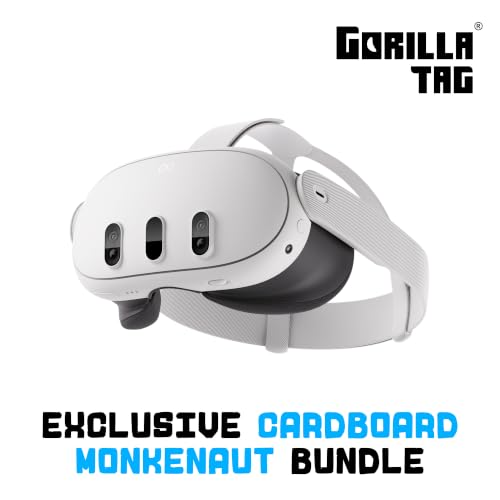
One naming trap comes first. A headset with spatial sound is an audio product you wear on your ears, while best vr headsets are a display class worn over the eyes, not an audio class, and the two are bought for very different jobs. With that settled, the range splits into three types.
Wired Models
Wired models connect by cable, cost about $40 to $150, and give the most stable sound with no battery to manage and no delay worth naming. They suit desks and single device setups where you sit in one place. The trade off is movement: a cable limits how far you can wander, and it can snag on a chair arm. For pure sound per dollar, wired still leads.
Gaming Models
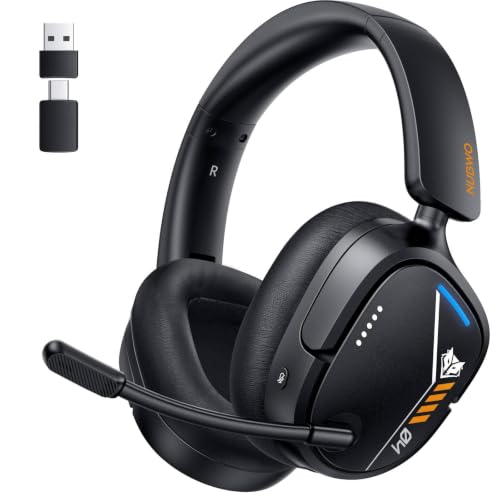
Gaming models pair spatial processing with a low latency link and a proper boom microphone, and they cost about $80 to $250. Many use a small USB dongle instead of standard Bluetooth because the dongle cuts delay for fast play. Surround processing on this class is usually tuned for cues first and music second. Choose this type if team chat and quick reactions sit at the top of your list.
Wireless and Bluetooth Models
Wireless models trade a little delay for freedom of movement, and they cost about $100 to $300. They fit mixed days of calls, music, and films across a phone, a tablet, and a computer. Battery care becomes part of ownership, and the pads and hinges take more handling wear than a desk bound wired set. Choose this type if one headset has to cover your whole day.
3D Headsets Matched to Specific Needs
The same headset rarely leads for every job. These three short sections show which criteria move to the front for each common use.
Best 3D Headsets for Gaming
For gaming, delay and cue accuracy lead. Pick a wired model or a low latency dongle model, confirm the spatial processing runs on your console or computer rather than in a single game, and insist on a boom microphone for team chat. Comfort over three hour sessions matters more than extra bass.
Best 3D Headsets for Phones
For phones, codec match and battery lead. Your phone and the headset must share a good codec or the sound falls back to basics, and multipoint pairing helps if a laptop shares your day. A folding frame and a case in the box make daily carrying easier. Touch controls you can work without looking are worth more than extra lighting.
Best 3D Headsets for Computers
For computers, a USB connection and simple software controls lead. Desktop systems handle spatial processing well, so a wired USB model often gives the full effect for less money. Long meeting days argue for light weight and a microphone that stays clear on calls. Check that the headset works as a plain plug in device if you dislike companion apps.
How to Make Your 3D Headset Last Longer
- Keep the firmware updated, because updates often fix pairing faults and improve battery reporting.
- Store the headset in its case, which protects the drivers and hinges from knocks in a bag.
- Clean the ear pads and tips on a regular schedule, since sweat and skin oil break the material down.
- Avoid maximum volume for long sessions, which strains both the drivers and your hearing.
- Replace worn pads instead of the whole headset, because fresh pads restore comfort and seal for little money.
- Wipe the headset dry after outdoor use, since trapped moisture shortens the life of pads and electronics.
Questions Answered: 3D Headset FAQ
How long does a 3D headset battery last?
A wireless 3D headset battery usually lasts about 20 to 40 hours with spatial processing on. That rating assumes moderate volume, so loud listening with noise cancelling running as well can cut the figure sharply in real days. A quick top up charge during a break covers most shortfalls. If you hate charging anything, a wired model removes the question entirely and never leaves you silent mid session.
Does a 3D headset need a special codec for spatial audio?
No, a 3D headset does not need a special codec, because spatial processing happens in the headset, the console, or the app rather than in the wireless link itself. A better codec still helps plain sound quality by carrying more detail. The catch is matching: your phone or computer must support the same codec, or the connection quietly falls back to the basic option. Wired connections skip codec limits altogether.
Wired or wireless 3D headsets: which sounds better?
Wired 3D headsets sound more consistent, because the cable carries the full signal with no compression and no delay. Wireless models sound close for films and casual play, and the freedom to move often matters more than the small gap. Competitive players still lean wired or dongle based for the lowest delay. Your own priority, movement or precision, should settle this choice.
Is active noise cancelling worth the extra cost on a 3D headset?
Active noise cancelling is worth the extra cost if you listen in steady noise, such as train cabins, plane cabins, and rooms with fans or air conditioning. It works best on low, constant sounds and does far less against irregular voices or sudden bangs. It also uses battery power, so expect shorter runtimes with it switched on. Quiet home listeners can skip it and put the money toward better tuning instead.
What water resistance rating does a 3D headset need for outdoor use?
For outdoor use, look for a rating that at least covers splashes and sweat, which handles rain showers and workouts for most people. Higher ratings survive heavier rain but say nothing about sound quality, so treat the rating as a durability check only. Pads still need drying after a wet session, whatever the rating claims. A headset with no rating at all belongs indoors.
The Bottom Line
Choose processing that works on your devices, a soundstage that keeps cues stable, and a connection that fits your day, and the rest is comfort and price. Gamers should weight latency and the microphone first, while travelers should weight battery and cancelling first. The product table above gathers the current options in one place, and the best 3d headsets for you will be the ones whose strengths match the way you actually listen.