Best Air Tool Fittings of 2026: Complete Buying Guide
Disclosure: We may earn a commission when you buy through links on this page, at no extra cost to you. As an Amazon Associate I earn from qualifying purchases. Learn more
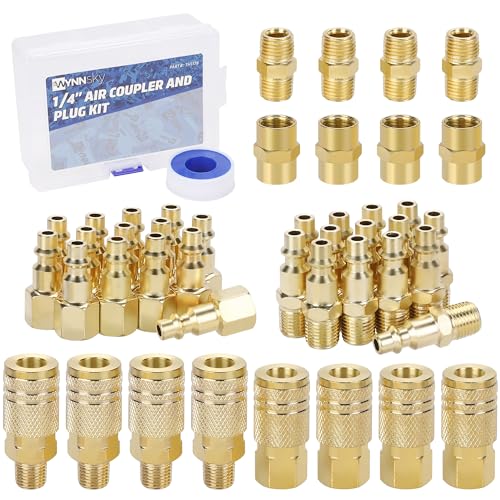
The best air tool fittings match your tool threads, coupler style and pressure rating. Learn what to check and what each spending level buys.
Fittings are small, cheap, and easy to overlook, yet they decide whether an air tool gets full power, holds pressure, and connects without a fight. The best air tool fittings match your tool threads, your coupler style, and your air supply, so air flows freely and seals hold under daily use. The product table below lists fitting options to compare, and this guide explains how to choose among them.
Many air problems blamed on a compressor or a tool actually start at a fitting. A mismatched thread, a worn coupler, a narrow fitting, or a leaking seal can all cut airflow and power. This guide covers the fitting types, the features that matter, the mistakes to avoid, and the spending levels.
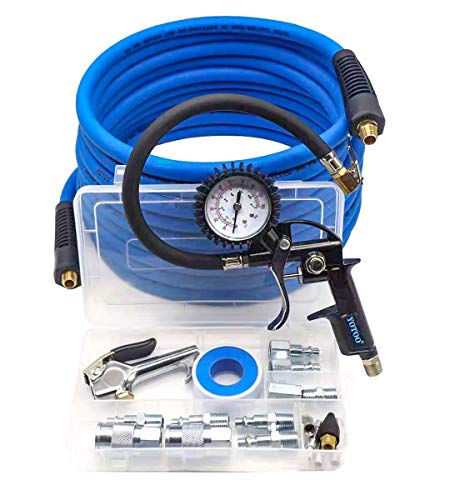


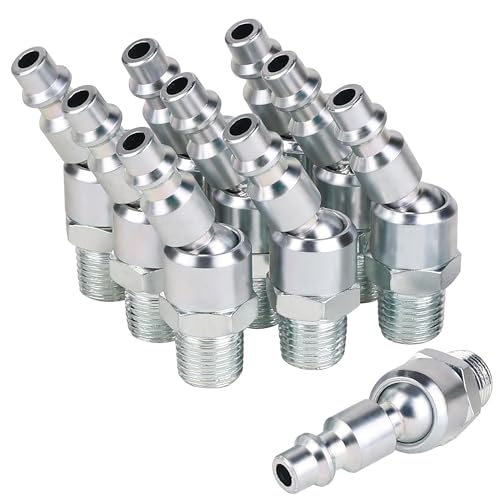
Spending Level Guidance
This section explains what each spending level usually buys, so you can match your budget to your use. Prices are approximate and refer to a single fitting or a small set, not a full shop kit.
Budget Level Fittings
Budget level fittings suit light and occasional use, such as inflating tires or running a brad nailer a few times a month. At about $5 to $15 for a basic set, you get simple steel or plated fittings that connect well when new. The trade off is thinner plating, looser tolerances, and seals that may wear faster under daily use.
Mid Range Level Fittings
Mid range fittings suit regular home shop and light trade use, at about $15 to $40 for a set. This level usually buys better machining, stronger plating, and more consistent coupler action, which means fewer leaks and smoother tool changes.
Premium Level Fittings
Premium fittings suit daily trade use and demanding air systems, at about $40 to $100 or more for a set. This level usually buys hardened steel or brass construction, precise threads, high flow designs, and seals built for many connect cycles. The higher price pays off when downtime costs money or when tools run for hours each day.
How to Choose the Best Air Tool Fittings: Buying Guide
The sections below walk through the decisions in order, from use case to safety. Work through them before you order, since a fitting that fits the thread but starves the tool of air is still the wrong fitting.
Intended Use and Who It Is For
Start with the tools you actually run. A tire inflator and a framing nailer have very different air demands, and a fitting that suits one may choke the other. List your tools, note which ones run at the same time, and check whether you need quick changes between tools or a semi permanent setup. Home users can often standardize on one coupler style across all tools.
Build Quality and Materials
Fittings are commonly made from steel, brass, or plated steel. Steel offers strength and durability for daily use, brass resists corrosion and seals well, and plated steel balances cost and rust resistance. Look for clean, well cut threads, a smooth coupler action, and a solid feel, since rough threads and gritty couplers often signal poor machining. A fitting that cross threads easily or leaks when new will only get worse with use.
Price vs Value
Price alone tells you little about a fitting, since a cheap fitting that leaks wastes compressor run time and tool power. Compare the price against expected life, seal quality, and airflow, not just the sticker price. Budget fittings make sense for rare use, mid range fittings suit most shops, and premium fittings suit daily trade work where a leak or a failed coupler stops a job.
Ease of Use and Setup
Ease of use means the fitting connects with one hand, releases without a struggle, and stays connected under vibration. Setup is simple when threads match and sealant is applied correctly, but forcing a mismatched thread damages both the fitting and the tool. Favor a coupler action that still works with gloves on.
Warranty and Customer Support
Warranty terms for fittings are often short, but they still signal maker confidence. A clear warranty, a reachable support contact, and standard sizing all make a fitting easier to live with. Standard sizes matter because a fitting from an unusual line may be hard to replace later. Check that matching fittings and seals are easy to find.
Size, Weight, and Fit for Your Space
Size affects more than the fitting itself. A bulky coupler can block a nearby port, snag on a hose, or unbalance a small tool. Check the overall length of the fitting plus the coupler against your tool and your workspace, especially for tools used in tight spots.
Safety and Certifications
Check the maximum working pressure of every fitting and make sure it exceeds your compressor output and your most demanding tool. Never use a fitting rated below system pressure, since a failure under pressure can cause injury and tool damage. Follow the manufacturer's instructions for thread sealant and torque. Wear eye protection when you first pressurize a new fitting, and check for leaks with soapy water rather than your hand.
Types of Air Tool Fittings
Fittings fall into a few broad types defined by thread, coupler design, and purpose. The type you need depends on your tools, your hose, and whether you change tools often.
Premium Options
Premium fittings use hardened steel or brass, precise threads, and high flow passages that reduce pressure loss. They suit daily trade use, high demand tools, and systems where a leak or a slow coupler costs time. Expect many connect cycles and a consistent seal.
Compact Options
Compact fittings use a shorter body and a smaller coupler to fit tight spaces and light tools. They suit trim work, small nailers, and tools used overhead or inside cabinets. The trade off is lower airflow in some designs, so check the flow rating before using a compact fitting on a hungry tool such as a large impact wrench.
Mid Range Options
Mid range fittings balance price, durability, and airflow for most home shops and light trade work. They usually offer good machining, reliable coupler action, and standard sizing that makes replacement easy. For buyers who use air weekly rather than daily, the mid range type is often the sensible default.
Budget Options
Budget fittings suit occasional use and simple setups where airflow demands are low. They cost little and connect well when new, but plating and seals may wear faster than on higher priced fittings. Budget fittings are a reasonable starting point, but plan to upgrade the fittings on your most used tools if leaks or stiff couplers appear.
How to Make Your Air Tool Fitting Last Longer
- Read the maker guide before first use, since thread type, sealant, and torque all vary by fitting design.
- Clean and inspect fittings often, and replace a fitting with damaged threads, a cracked body, or a worn seal before it leaks or fails.
- Store fittings and tools in a dry place, since moisture rusts steel and degrades seals over time.
- Drain moisture from the compressor and lines on a regular schedule, since water in the air stream corrodes fittings from the inside.
- Keep spare seals and a few common adapters on hand, so a worn seal does not stop a job.
- Register the product for warranty where the maker offers it, and keep the receipt with your tool records.
Air Tool Fittings: Your Questions Answered
Are expensive air tool fittings worth it?
Expensive fittings are worth it when air tools run daily or when a leak costs time and power. Premium fittings usually offer better machining, stronger seals, and higher airflow, which keeps tools running at full power. For occasional use, a mid range fitting often delivers nearly the same result for less money. Match the fitting level to how often you use air, not to the price of the tool alone.
How long does an air tool fitting last?
A well made fitting can last for years under home shop use, while a fitting on a daily trade tool may need replacement sooner due to connect cycles and vibration. Signs of wear include leaks at the coupler, a loose or gritty connection, and visible thread damage. Replace a worn fitting promptly to protect the tool and the hose.
How do I maintain an air tool fitting?
Maintain a fitting by keeping it clean, checking seals often, and draining moisture from the air system. Wipe dirt and grit from couplers before connecting, since grit scores seals and causes leaks. Inspect threads for damage after any cross threading, and replace a fitting rather than forcing it. A drop of air tool oil on moving coupler parts, where the maker guide allows it, keeps the action smooth.
What features matter most when buying air tool fittings?
The features that matter most are correct thread type, a coupler style that matches your tools, a pressure rating above your system output, and a flow rating that suits your most demanding tool. Material and seal quality come next, since they decide how long the fitting lasts and how well it seals. Standard sizing also matters, because it makes replacement easy and lets one coupler style serve your whole shop.
How much should I spend on an air tool fitting?
Most buyers spend about $15 to $40 for a set of mid range fittings that cover a small shop, while a full trade setup with premium fittings can cost about $40 to $100 or more. Start with the fittings for your most used tools, and upgrade only where leaks or stiff couplers appear. Spending more on the fittings you connect daily, and less on rarely used adapters, gives the best return for the money.
The Bottom Line
Good fittings are quiet, reliable, and easy to forget, which is exactly the point. Match the thread and coupler style to your tools, check the pressure and flow ratings, choose a material that suits your use, and standardize on one coupler style where you can. With those choices made, the best air tool fittings will keep your tools at full power and your air system leak free, and the product table above can guide your final comparison.