Best Affordable Solar Watches Made Simple: A Clear Buying Guide for 2026
Disclosure: We may earn a commission when you buy through links on this page, at no extra cost to you. As an Amazon Associate I earn from qualifying purchases. Learn more

Shopping for the best affordable solar watches for the first time? Learn the terms, compare options, and avoid rookie mistakes with this easy guide.
A solar watch sounds like a gadget, but it is really just a watch that feeds on light instead of battery swaps. If you have never bought one, the spec sheets can feel dense, full of movement names and millimeter figures. This guide explains best affordable solar watches in plain language, from how the charging works to the sizes that fit real wrists.
We will go step by step: the basics first, then each key spec translated into a simple buying rule, then the mistakes first time buyers make most often. Keep the comparison table below open as you read, and check each watch you like against the rules in the sections that follow.


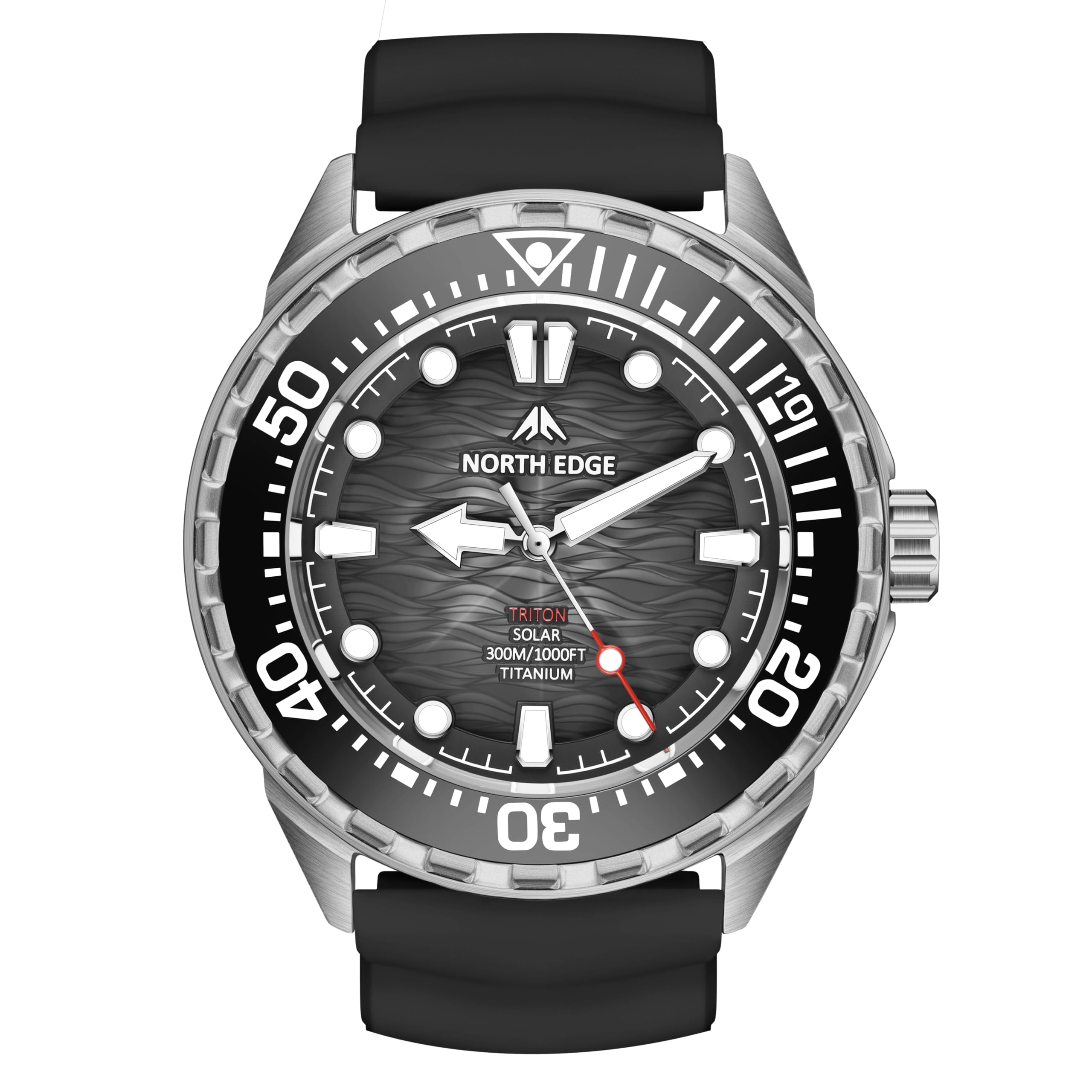


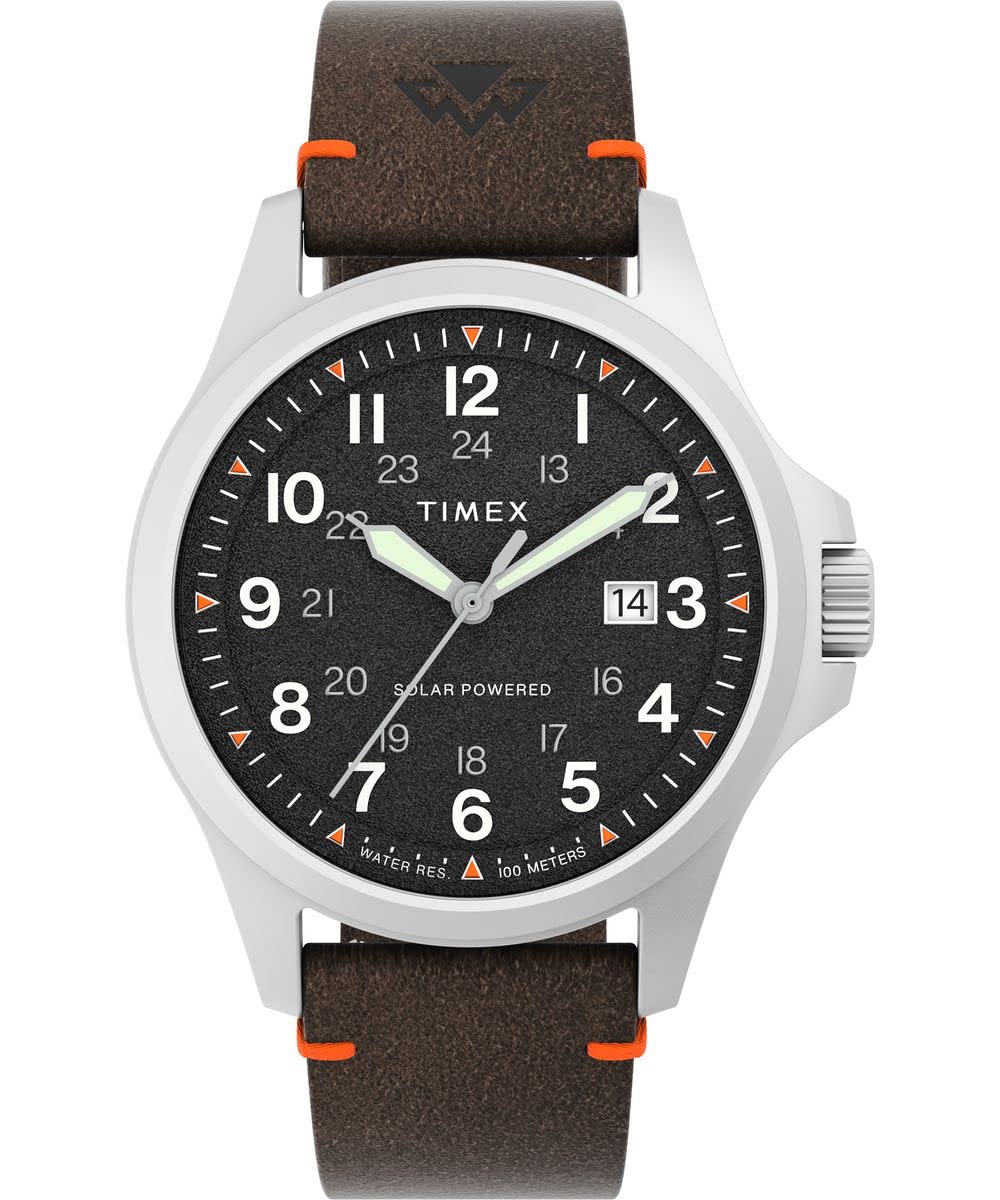


Solar Watches 101: The Basics
A solar watch has a small solar cell hidden behind or inside the dial. Light passes through the dial, hits the cell, and charges a rechargeable cell inside the case. That stored energy runs a quartz movement, the same kind of accurate, battery powered timekeeping used in most everyday watches, except here the battery tops itself up whenever the watch sees daylight or strong indoor light.
The big practical win is freedom from battery changes. A standard quartz watch needs a new battery every two to three years, and each change is a chance for a shop to damage the seals. A solar model can run for a decade or more on its original rechargeable cell, as long as you give it regular light. Most also have a power reserve of several months, so a watch left in a drawer over winter usually wakes up and resets once you set it in a sunny window.
Key Specs Explained in Plain English
What You Can Realistically Get on a Budget
Around $60 to $150, you can expect a reliable Japanese or similar quartz solar movement, a resin or stainless steel case, and a mineral crystal. Accuracy is excellent, usually within about 15 to 20 seconds a month. What you give up at this level is sapphire crystal, all metal bracelets with solid links, and radio or Bluetooth time syncing on many models. Do not give up water resistance or a readable dial to save a few dollars, because those affect daily use far more than a fancy clasp.
Movement Type (Quartz, Automatic, Solar, Smart)
Quartz movements use a battery and a vibrating crystal, and they are the accuracy champions at low prices. Automatic movement designs are mechanical, powered by your wrist motion, charming but less accurate and in need of servicing every five to seven years. Solar is a quartz movement with light charging, so you get quartz accuracy without battery swaps. Smartwatches are small computers with screens and apps, and they need charging every day or two. For a first watch you can forget about, solar quartz is the low effort choice.
Case Size and Wrist Fit
Case diameter is the width of the watch body, and most affordable solar models run from 38 mm to 44 mm. A smaller wrist, around 6 to 6.5 inches around, usually looks best with 38 mm to 40 mm. Larger wrists can carry 42 mm to 44 mm without the watch looking small. Thickness matters too: a case under about 11 mm slides under a shirt cuff, while chunky sport cases near 13 mm feel tall. Also check lug to lug length, the distance from strap pin to strap pin, because a watch whose lugs hang past your wrist will never sit comfortably.
Legibility and Style
Legibility is how fast you can read the time at a glance. Look for strong contrast between hands and dial, clear hour markers, and lume, the glow in the dark paint on hands and markers, if you check the time at night. A clean dial with a date window suits office wear, while bold numerals and a rotating bezel lean sporty. Think about your week: a watch that matches both work clothes and weekend gear will get worn, and a solar watch only charges when it is on your wrist or near light.
Smart and Fitness Features
Some solar models add Bluetooth syncing, step counts, or GPS in sportier designs, but at budget prices the smart features are usually limited to phone sync and alarms. That is fine for most buyers. Remember that fitness readings on any wrist device are estimates for general wellness, not medical measurements, and a watch should never replace proper medical advice or equipment. If full apps and notifications matter most to you, compare a solar watch honestly against a smartwatch, knowing you trade daily charging for those extras.
Rookie Mistakes to Avoid
- Buying by case diameter alone. Lug to lug length and thickness decide comfort as much as width, so check all three numbers before ordering.
- Storing the watch in darkness. A solar watch kept in a closed drawer for months can drain fully and need days of bright light to recover.
- Ignoring water resistance. A 30 m rating means splash proof only. If you swim with your watch, choose 100 m or more.
- Paying for features you will not use. Multiple alarms, world time, and chronographs add dial clutter. A simple three hand layout is easier to read and often cheaper.
- Forgetting strap comfort. A stiff resin strap can ruin a good watch. Quick release strap pins let you swap to leather or fabric in seconds, and our guide to the best affordable wrist watches explains strap widths and fit in more depth.
Getting Started: Setup and First Use
When your watch arrives, put it on a sunny windowsill for a full day before judging it, because many ship with a low charge. Set the time and date by the manual, noting that some models need the crown pulled to a specific click for each job. Then wear it daily for a week so the charge settles into its normal rhythm.
Two habits keep a solar watch happy for years. First, give it a light top up weekly, such as an hour near a bright window, if your sleeves cover it all day at a desk. Second, rinse it gently with fresh water after any saltwater exposure and dry it with a soft cloth. For broader style ideas at this budget, see our guide to the best looking affordable watches for dials that pair well with work and casual clothes.
FAQs
Quartz or automatic: which is better?
Neither is better for everyone, but quartz, including solar, wins on accuracy, price, and low upkeep. An automatic watch appeals if you enjoy mechanical craft and do not mind gaining or losing a few minutes a month plus periodic servicing. For a first affordable watch that simply works every morning, solar quartz is the safer bet, and it frees your budget for a better strap or crystal.
What case size fits my wrist?
Measure your wrist with a soft tape just behind the wrist bone. Under 6.5 inches, start with 36 mm to 40 mm cases. Between 6.5 and 7.5 inches, 40 mm to 42 mm is the versatile middle. Above that, 42 mm to 44 mm looks balanced. Whatever the diameter, the lugs should not extend past the edges of your wrist, and the watch should sit flat without rocking when you bend your hand.
Is a smartwatch worth it over a classic watch?
A smartwatch is worth it if notifications, apps, and detailed workout tracking are daily tools for you. A classic solar watch wins on battery freedom, since it runs for months per charge instead of a day or two, and it keeps working when software support ends. Many people end up owning both and rotating by day. If you lean smart, our guide to the best affordable smart watches covers that side of the choice.
How long does a watch battery last?
A standard quartz battery lasts about two to three years before the watch stops. The rechargeable cell in a solar watch lasts far longer, often ten years or more, because it is topped up constantly instead of drained once. Its life shortens if the watch sits in darkness for long stretches and drains fully again and again. Regular wear in normal light is the easiest way to keep the cell healthy.
How water resistant should a watch be?
Match the rating to your habits. A 30 m watch handles rain and hand washing only, despite the meter figure, because ratings are tested in still water without movement. Choose 50 m for showering confidence, and 100 m or more for swimming and snorkeling. If you plan to dive, you need a purpose built dive watch with a 200 m water resistance figure and a screw down crown, which sits above most affordable solar prices.
Final Thoughts
Pick your case size first, confirm the water resistance matches your life, and then let style break the tie. Everything else about solar ownership is easy once the watch lives on your wrist and sees daylight. Compare your shortlist in the product table above, and choose among the best affordable solar watches with confidence. For a wider view across all price levels, our guide to the best solar watches is a good next read, and men shopping specifically for themselves may also like our guide to the best affordable watches for men.