Best Affordable Planters: A Practical Buying Guide for 2026
Disclosure: We may earn a commission when you buy through links on this page, at no extra cost to you. As an Amazon Associate I earn from qualifying purchases. Learn more

Use this guide to the best affordable planters to compare materials, sizes, drainage, and cost per plant so you choose planters that last and fit your space.
A cheap planter that cracks in one winter or holds water until roots rot is not a bargain. The real value question is how many seasons a planter serves your plants, your space, and your watering routine. This guide helps you judge the best affordable planters by material, size, drainage, and long term cost, not by looks alone.
You will learn what each price tier usually delivers, how to match planter volume to plant size, and which small details prevent the most common failures. The comparison table below is a useful starting point once you know your space and plant list.





Price Tiers at a Glance
Instead of chasing a single winner, think in tiers. Each tier below describes the kind of planter that typically makes sense for a job, what it does well, and the limit you should expect before you buy.
All Around Tier
The all around tier usually means a sturdy resin, fiberglass, or glazed ceramic planter in a mid size, priced around $25 to $60 depending on diameter. Expect walls thick enough to resist casual bumps, a proper drainage hole, and a finish that holds up outdoors for several seasons. This tier suits a main patio plant, a small tree, or herbs you harvest often. The main limit is weight and cost as sizes grow, so measure your space and check the filled weight before you commit to the largest option.
Value Tier
The value tier covers basic plastic, fabric grow bags, and simple terracotta, often around $8 to $25 per planter. These work well for annual flowers, starter vegetables, and experiments where you are still learning what grows in your light. Fabric options give roots air and are easy to store flat, while basic plastic is light and simple to move. The trade off is appearance and lifespan, since thin plastic can turn brittle in strong sun and terracotta can chip or crack when water inside it freezes.
Best Upgrade Pick
An upgrade tier planter, often around $60 to $150, buys thicker walls, better UV resistance, refined finishes, and details such as brass fittings on self watering inserts or well made drainage trays. Large metal or high quality composite planters also hold their shape and color longer on a sunny deck. Choose this tier for a statement plant by the door, a small tree you plan to keep for years, or a spot where a cracked planter would be hard to replace. The limit is simple: you pay more up front and moving a filled large planter is hard work.
How to Choose the Best Planters: Buying Guide
The right planter supports root health first and style second. Work through the points below in order and you will avoid most returns, dead plants, and cracked pots.
What You Can Realistically Get on a Budget
Under around $25, expect light materials, fewer finish choices, and drainage that may need a drill or a layer of gravel planning on your part. You can still grow healthy plants if you check drainage and size carefully. What you should not accept at any price is a planter with no way for excess water to escape for an outdoor plant, or walls so thin they flex when you lift the planter by its rim when filled. Save on decoration, not on drainage and basic sturdiness.
Match the Product to Your Garden Size and Layout
Start with the mature size of the plant, not the size it is today. A planter that is one to two inches wider than the current root ball suits most repotting, while fast growing vegetables and small trees need more room from the start. On a balcony, group smaller planters so you can water them in one pass and move them when storms or heat waves arrive. In a yard, large planters can mark paths and seating areas, but leave space to walk, mow, and open gates without dragging heavy pots around.
Value and Coverage per Dollar
Compare cost per plant and per season rather than sticker price alone. A planter at around $40 that lasts five seasons costs less per year than a planter at around $15 that cracks after one winter. Volume matters too, because a slightly larger planter holds more soil, dries out more slowly, and gives roots a steadier temperature. For sets, check the price per planter and whether the sizes are ones you will truly use. A cheap set with three sizes you do not need is worse value than one right sized planter.
Ease of Use and Storage
Think about lifting, cleaning, and storing the planter across the year. Lightweight planters are easier to chase the sun with and to bring inside before a freeze. Nesting sets save storage space in a shed or closet. Smooth interiors clean faster at repotting time, while rough or narrow shapes can trap roots and old soil. If you use a saucer indoors, confirm it is wide enough to catch overflow and that it will not mark wood floors when damp. Handles or a slightly textured grip help more than you expect once soil and water add weight.
Performance Specs (Size, Volume, Drainage, and Soil Fit)
The key numbers are diameter, height, soil volume, and drainage hole size and count. Deeper planters suit root vegetables and small trees, while wide and shallow planters suit herbs and succulents. Drainage is non negotiable for most plants, because roots sitting in water lose access to air and can rot. If you grow in containers, use potting mix rather than dense garden soil, and refresh it with compost each season. Testing soil pH every couple of years helps when a plant looks hungry despite regular feeding, since pH affects nutrient uptake.
Material and Build Quality
Plastic and resin are light, affordable, and easy to clean, but thin versions fade and crack in strong sun. Terracotta breathes and suits plants that like drier roots, yet it dries fast and can break in freezes. Ceramic looks refined and stays stable in wind, but it is heavy and costs more. Metal can heat up in direct sun, which may stress roots, while wood looks natural and insulates well but slowly rots. Check rims, seams, and drainage edges for cracks or sharp flaws before you fill any planter with soil.
Types of Planters
Premium and Heavy Duty Options
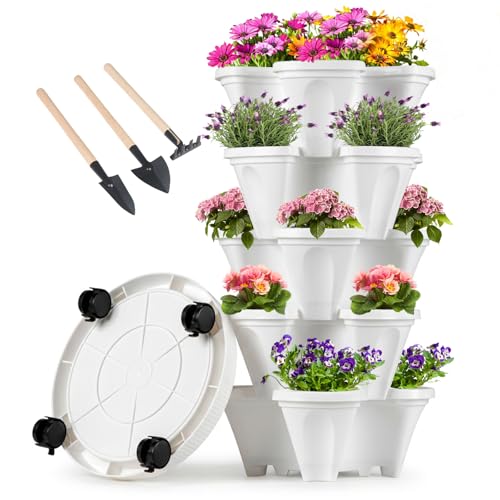
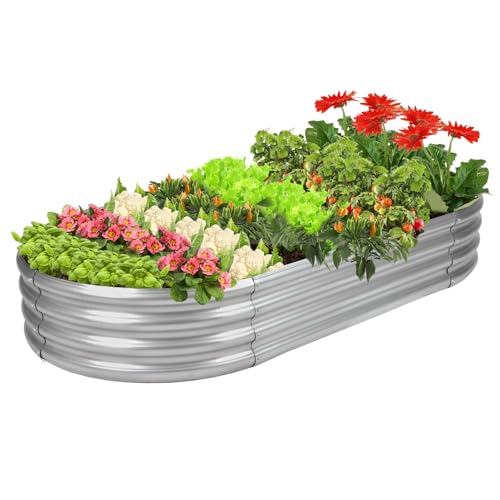
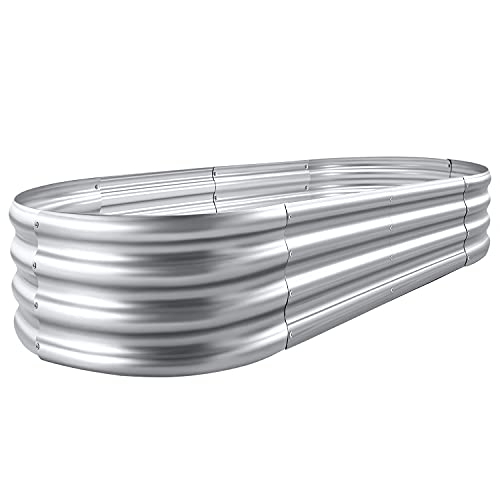
Thick fiberglass, metal, stone, and high grade composite planters make up this group. They resist wind, bumps, and sun damage, and they suit permanent spots such as entries, patios, and commercial style plantings at home. They cost more and can be very heavy when filled, so place them with care and use a dolly or a second person to move them. For a plant you expect to keep in the same spot for years, this durability often pays for itself.
Lightweight and Expandable Options
Fabric grow bags, thin resin planters, and nesting plastic sets are easy to move, store, and add to as your garden grows. Fabric gives roots air pruning benefits and drains freely, which helps vegetables and young trees. These options suit renters, balcony growers, and anyone testing a new layout for a season. The limits are looks and longevity, since fabric can stain and thin plastic can fade. They also dry out faster, so plan on more frequent watering in hot and windy weather.
Standard Options
Classic terracotta, basic ceramic, and mid weight plastic planters cover most everyday needs. They come in many sizes, are easy to replace, and work for flowers, herbs, and houseplants moving outdoors for summer. Terracotta needs more watering, plastic needs UV resistance for sunny spots, and ceramic needs care in cold weather. If you want a balanced starting point for a mixed collection, standard planters in a few repeat sizes make watering and repotting simpler and keep a display looking calm and unified.
Organic and Eco Friendly Options
This group includes untreated wood, natural fiber, recycled plastic, and biodegradable starter pots that plant directly into the ground. They appeal if you want to reduce plastic use or grow food with organic practices and compost based soil. Check that any planter sold as drinking water safe or food safe truly carries that claim from the maker if you will grow edibles in it. Expect natural materials to age visibly and break down over time, which is part of the trade off. Their shorter life can still be good value for seedlings and seasonal crops.
How to Make Your Planter Last Longer
- Empty and store fragile planters such as terracotta and ceramic before hard freezes, since trapped water expands as it freezes and cracks walls.
- Clean planters between plants with water and a stiff brush, and let them dry fully to reduce pests and disease carry over.
- Raise outdoor planters slightly on feet or a stand so drainage holes stay clear and decks stay cleaner.
- Refresh container soil with compost each season and replace mix that has compacted or smells sour.
- Move thin plastic planters out of harsh afternoon sun when empty, because UV and heat age the material even without a plant inside.
- Water early in the morning so foliage dries during the day and roots start warm weather with a full drink.
If looks matter for a front entry or patio set, our guide to the best looking planters can help you weigh finish and shape once size and drainage are settled.
Frequently Asked Questions
How many planters do I need for my garden?
Start with one planter per plant that has a distinct watering or light need, and group plants with similar needs when you want fewer, larger containers. Count your available sunny and shaded spots first, because space and light limit you more than ambition does. A useful rule is to buy for the plants you have plus one spare size up, since repotting day always goes better when the next size is already on hand and clean.
How long should an affordable planter last?
A basic plastic or fabric planter often lasts one to three seasons outdoors, while sturdy resin, fiberglass, and glazed ceramic can serve five years or more with winter care. Lifespan depends on sun exposure, freeze cycles, and how often the planter is moved when full. Bringing fragile materials indoors for winter and keeping drainage clear are the two habits that add the most years, regardless of what you paid.
Is organic worth it for planters and soil?
Organic soil and natural planter materials are worth it when you grow food, garden with children around, or want to build soil health with compost over time. They usually cost a little more and natural pots break down faster than plastic. For purely decorative outdoor flowers, the benefit is smaller and your money may matter more in planter size and drainage. The most practical step is to use quality potting mix and compost, whatever planter material you choose.
What is the difference between garden soil and potting mix?
Garden soil is made for beds in the ground and is often too dense for containers, where it compacts, drains slowly, and can suffocate roots. Potting mix is lighter, usually soil free, and built to hold moisture while still letting air reach roots in a confined space. That difference matters more in planters than almost any other choice. If a bag is labeled for raised beds or in ground use, keep it out of small and mid size containers.
Wrapping Up
Put drainage, correct size, and a material matched to your climate ahead of decoration, and compare cost per season rather than price alone. Check your shortlist in the product table above against the filled weight and the mature size of your plants. With those basics right, the best affordable planters keep roots healthy, watering simple, and your space looking cared for, season after season.