Best Affordable Massage Chairs by Budget: Smart Picks for 2026
Disclosure: We may earn a commission when you buy through links on this page, at no extra cost to you. As an Amazon Associate I earn from qualifying purchases. Learn more

Best affordable massage chairs at each price level, which features are worth paying for, and how to pick one that fits your room and budget.
Shopping for the best affordable massage chairs can feel confusing because prices range from a few hundred dollars to several thousand, and the feature lists all sound similar. This guide explains what each spending level actually buys you, which features matter most for everyday comfort, and where it makes sense to save. Use the product table to narrow your choices, then match the chair to your room, your body size, and the way you plan to use it.
An affordable chair is not a lesser version of every luxury chair. It is a chair built around a smaller set of strengths, and the best value comes from choosing the strengths you will actually use. A chair with a good roller track and a fit that suits your height will feel better day after day than a chair loaded with programs you never open. Read on for a clear look at price tiers, features, running costs, and the questions buyers ask most.




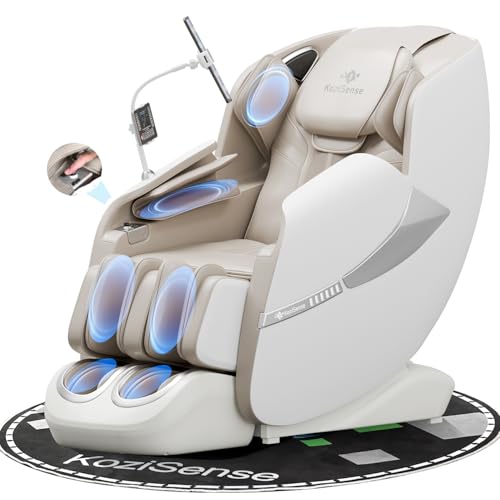

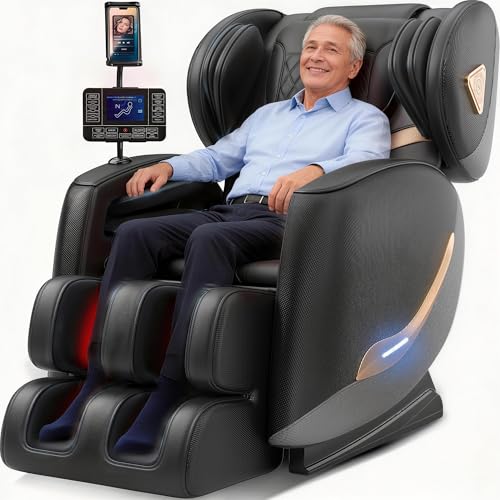

What Your Money Gets You at Each Spending Level
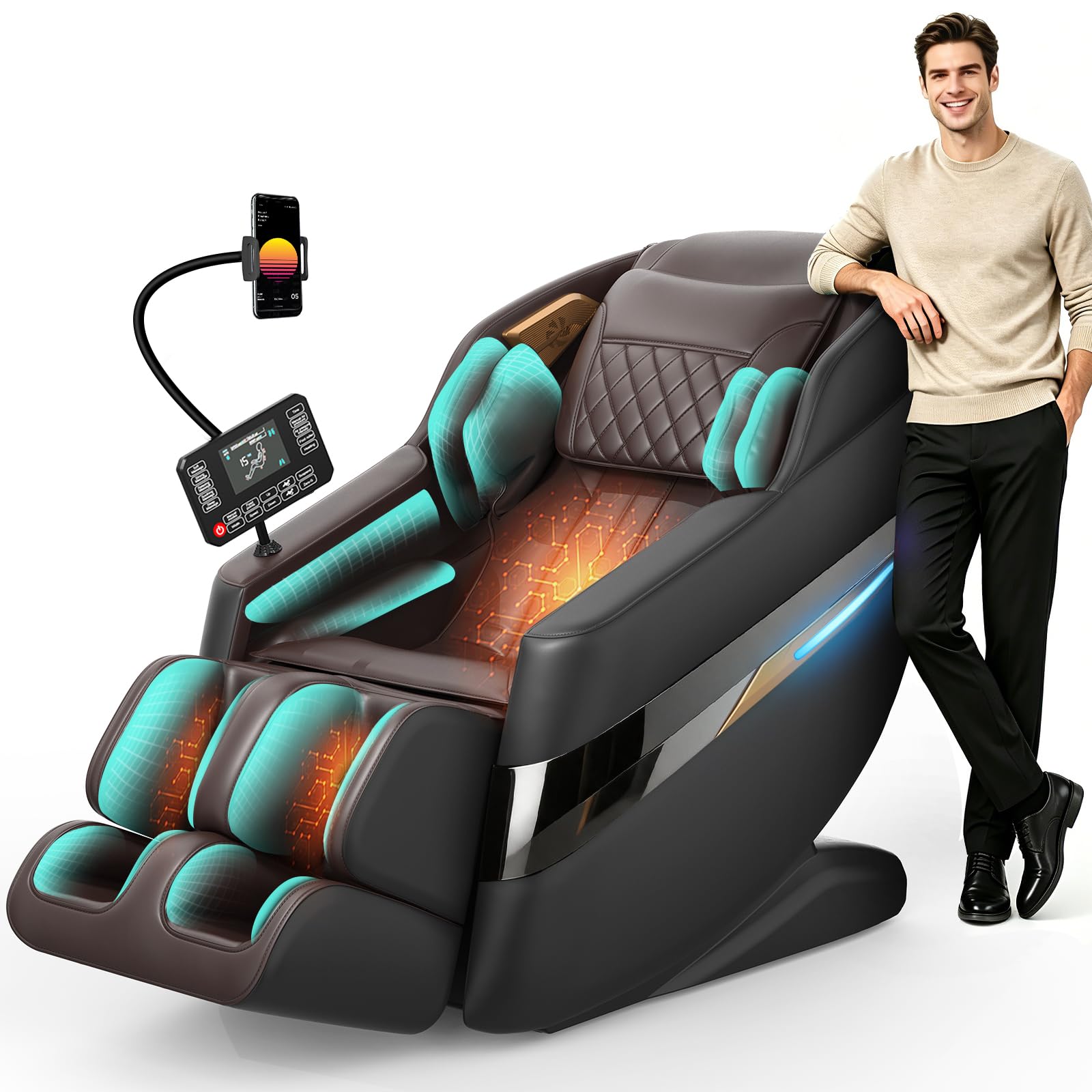
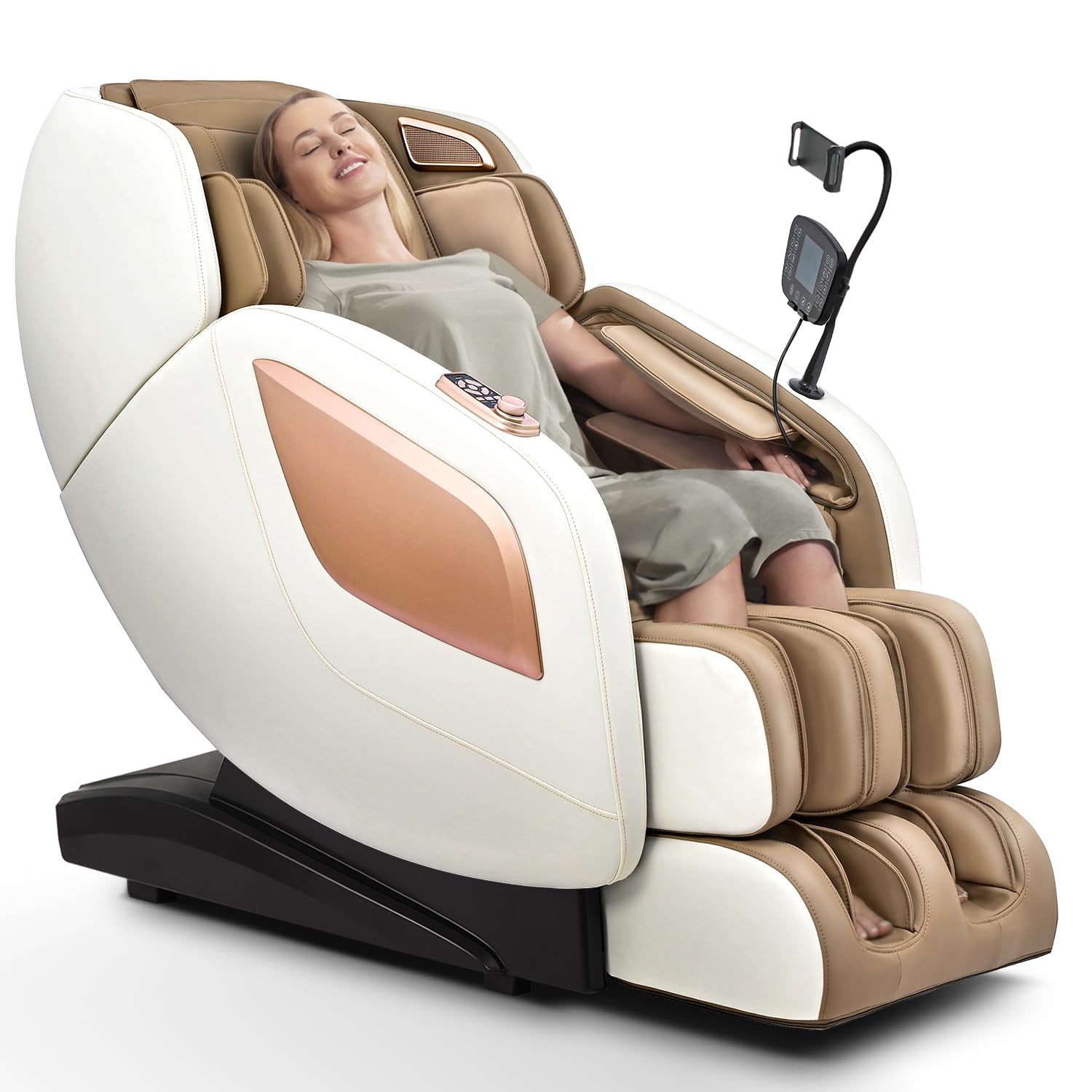
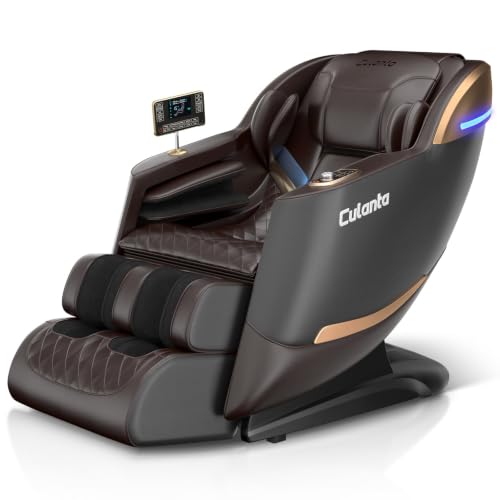
Affordable chairs fall into three broad spending levels, and each level trades something away. The lowest level keeps the basics solid and drops extras, while the middle level adds coverage and control. The higher end of the affordable range adds smoother motion and better materials. Knowing these tradeoffs helps you spend where it counts and skip what you will not miss.
Entry Level Spending
At the entry level, expect a compact chair with a shorter roller track, a smaller set of massage techniques, and simple controls. The rollers usually cover the back from the neck to the lower back, and air compression may be limited to the legs or arms. This level suits a spare room, a small apartment, or a buyer who wants a short daily wind down session rather than a full featured relaxation station. Look for sturdy upholstery and a weight capacity that fits you with room to spare, since those basics matter more than a long program list at this price.
What you give up here is mostly range and refinement. Programs may feel similar to one another, intensity steps may be coarse, and the chair may lack heat or a recline that goes fully flat. None of that makes an entry level chair a bad buy, but it does mean you should check the fit carefully. Sit in the chair if you can, or check the return terms, and confirm the seat width and height suit your frame before you commit.
Middle Ground Spending
The middle level is where most buyers find the best balance. Chairs here usually offer a longer roller track, more massage techniques, adjustable intensity, and air compression in more zones. You may also get heat in the back or legs, a better recline range, and a remote that is easier to read. For a household chair that several people share, this level is often the sweet spot, and it is also a good starting point if you want a chair for regular use after work or exercise.
At this level, still check the details that affect daily comfort. A longer track helps taller users, while a wider seat helps broader users. Also compare the noise level, the time each program runs, and whether the chair needs much clearance behind it to recline. These practical points matter more than a long list of program names, and they separate a chair you use often from one that becomes furniture.
Higher End Affordable Spending
The higher end of the affordable range adds smoother roller motion, more precise body scanning, and better padding and upholstery. You may find a track that follows the curve of the spine more closely, a recline that feels closer to flat, and extras such as foot rollers or a wider set of air zones. This level suits buyers who plan to use the chair every day and want the experience to feel refined rather than basic. It also suits taller or broader users who need the extra range of adjustment that cheaper chairs lack.
Even here, keep your expectations grounded. A higher affordable price does not buy the same build as a luxury chair, and some extras still stay out of reach, such as premium leather or a fully silent motor. Focus on the features you will feel in every session, such as roller smoothness, fit, and heat, and treat the rest as a bonus. For more seating options at lower prices, see our guide to the best affordable chairs.
Features Worth Paying For (and Ones to Skip)
Feature lists can hide what really matters. The five factors below decide whether a chair feels good in daily use. Use them to compare chairs side by side, and skip features that sound impressive but add little to your comfort.
Roller Track and Coverage
The roller track decides how much of your back the chair can reach. A short track covers the upper and middle back, while a longer track reaches from the neck down to the glutes. Longer tracks suit taller users and people who want lower back coverage, while shorter tracks suit smaller rooms and smaller budgets.
Also check whether the rollers move in a straight line or follow an S or L shaped curve that hugs the spine more naturally. For a closer look at how different chairs compare on this point, see our guide to the best massage chairs.
Massage Techniques and Intensity Control
Most affordable chairs offer kneading, tapping, rolling, and a combination mode, and some add shiatsu style pressure or stretching. The number of techniques matters less than whether you can adjust the intensity in fine steps. Coarse intensity controls can feel either too gentle or too strong, while finer steps let you find a setting that suits you. Also check whether you can target one zone, such as the lower back, instead of running a full program every time, since a chair that lets you adjust speed, width, and pressure gives you more control over each session.
Size Fit and Weight Capacity
Fit is the feature buyers overlook most, and it is the hardest to fix after delivery. Measure your height against the chair seat height and backrest length, and check the stated weight capacity and seat width. A chair that is too narrow will pinch at the shoulders, while one that is too deep will leave shorter users unable to reach the footrest comfortably.
Measure your room too, including the clearance needed behind the chair when it reclines and the width of the door it must pass through. A chair that fits your body and your room will feel better than a larger chair that does not.
Heat and Air Compression
Heat in the back or legs adds a gentle warmth that many users enjoy during a session, and it is one of the most worthwhile extras at the middle level. Air compression uses airbags to squeeze the arms, legs, or feet in a rhythmic pattern, which some users find relaxing. Both features are comfort aids, not treatments, so judge them by how they feel. If you have a condition that affects feeling or circulation, ask your doctor before using heat or strong compression, and stop using the chair if you feel numbness, dizziness, or pain that does not ease.
What You Can Realistically Get on a Budget
On a budget, expect solid basics and a few extras, not everything at once. A chair around $500 to $800 usually offers a shorter track, basic techniques, and limited air zones. A chair around $800 to $1,500 usually adds a longer track, more techniques, heat, and wider air coverage. Above that, within the affordable range, you gain smoother motion and better materials.
Skip features you will rarely use, such as a built in speaker or a long list of preset programs, and spend instead on fit, roller quality, and a warranty that covers the motor and frame for a reasonable period.
Long Term Costs to Factor In
The purchase price is only part of the total cost. Chairs use electricity, and a chair used daily will add a small amount to your power bill, while upholstery may need cleaning and leather or synthetic covers may need occasional conditioning according to the maker guidance. Moving a heavy chair can also cost money if you hire help, so plan the delivery path and final spot before ordering.
Check the warranty length and what it covers, since motor and roller repairs can be costly once the warranty ends. A chair with a longer warranty on the frame and motor can be worth a slightly higher price.
Frequently Asked Questions
How much space does a massage chair need?
A massage chair needs its own footprint plus clearance behind it to recline. Measure the chair width and depth, then add the recline clearance stated by the maker, which is often several inches to more than a foot. Also check the door width and hallway turns on the delivery path, since many chairs ship in one large box. If your room is tight, look for a wall hugger design that needs less rear clearance, and keep the chair away from radiators and direct sunlight to protect the upholstery.
Can I use a massage chair every day?
Most people can use a massage chair daily if sessions stay short and the intensity feels comfortable. Start with a gentle program of about 15 minutes and build up only if it continues to feel good. Avoid long sessions at the highest intensity, and take a break if you feel soreness that lasts well beyond the session. If pain persists, worsens, or comes with numbness or weakness, stop using the chair and talk with your doctor about what is going on.
What size massage chair fits a smaller room?
A compact chair with a smaller footprint and a wall hugger recline suits a smaller room best. Check the chair depth when upright and when fully reclined, and compare both numbers with your available floor space. Seat width matters too, since a compact chair may feel tight for broader users. If the room also serves as a bedroom or office, consider a chair with a neutral color and a design that blends in when not in use.
Do affordable massage chairs include heat?
Many affordable chairs include heat, but it is more common at the middle level than at the entry level. Heat usually covers the lower back, and some chairs add heat to the legs or feet. Check whether the heat can be turned on separately from the massage, and whether it has more than one level. If heat matters to you, treat it as a must have feature and filter your choices by it early, rather than hoping a cheaper chair includes it.
How long do affordable massage chairs last?
An affordable massage chair often lasts several years with regular use, and its lifespan depends on build quality, use frequency, and care. Chairs used daily will wear faster than chairs used a few times a week, and the motor and rollers are usually the first parts to show wear. Follow the maker care guidance, keep the chair clean, and avoid overloading it beyond its weight capacity. A longer warranty on the motor and frame is a useful sign of a chair built to last.
The Bottom Line
The best choice among the best affordable massage chairs is the one that fits your body, your room, and your budget without paying for features you will not use. Start with the spending level that matches your plans, then compare roller coverage, intensity control, fit, and heat before you look at extras. Check the warranty, measure your space, and confirm the return terms. Use the product table to compare your shortlist, and choose the chair you will enjoy using often, not the one with the longest feature list.