
Best 4d Massage Chairs: A First Time Buyer Guide for 2026
Disclosure: We may earn a commission when you buy through links on this page, at no extra cost to you. As an Amazon Associate I earn from qualifying purchases. Learn more

A plain English guide to the best 4d massage chairs: how 4d rollers, track shape, and air compression work, and how to pick one that fits your body, room, and budget.
If you are shopping for the best 4d massage chairs for the first time, the jargon alone can be daunting. Terms like 4d rollers, SL track, and air compression sound technical, but each one describes something you will actually feel when you sit down. This guide explains those terms in plain English, shows you how to compare chairs without getting lost in spec sheets, and helps you avoid the mistakes new buyers make most often, using the product table to sort the options.
A massage chair is a large purchase in both price and floor space, so it pays to slow down and learn the basics before you order. Think of a massage chair as a comfort aid for relaxation at home, not as a medical device or a treatment for any condition. The sections below cover how 4d chairs work, the specs that matter, and the setup steps that make your first session a good one.
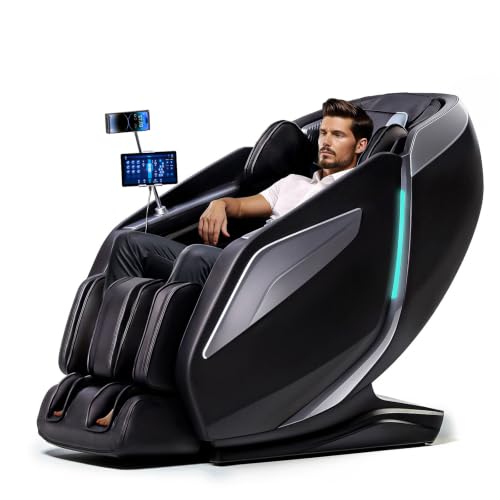
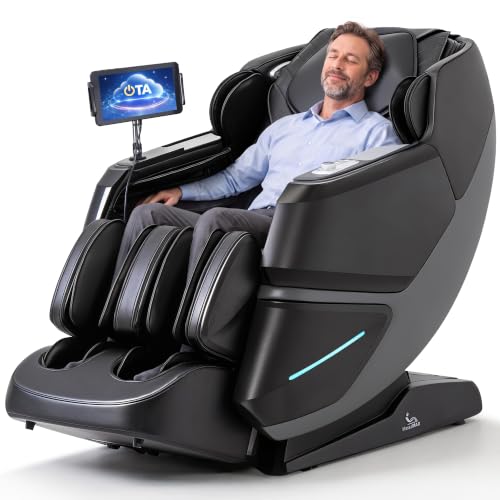

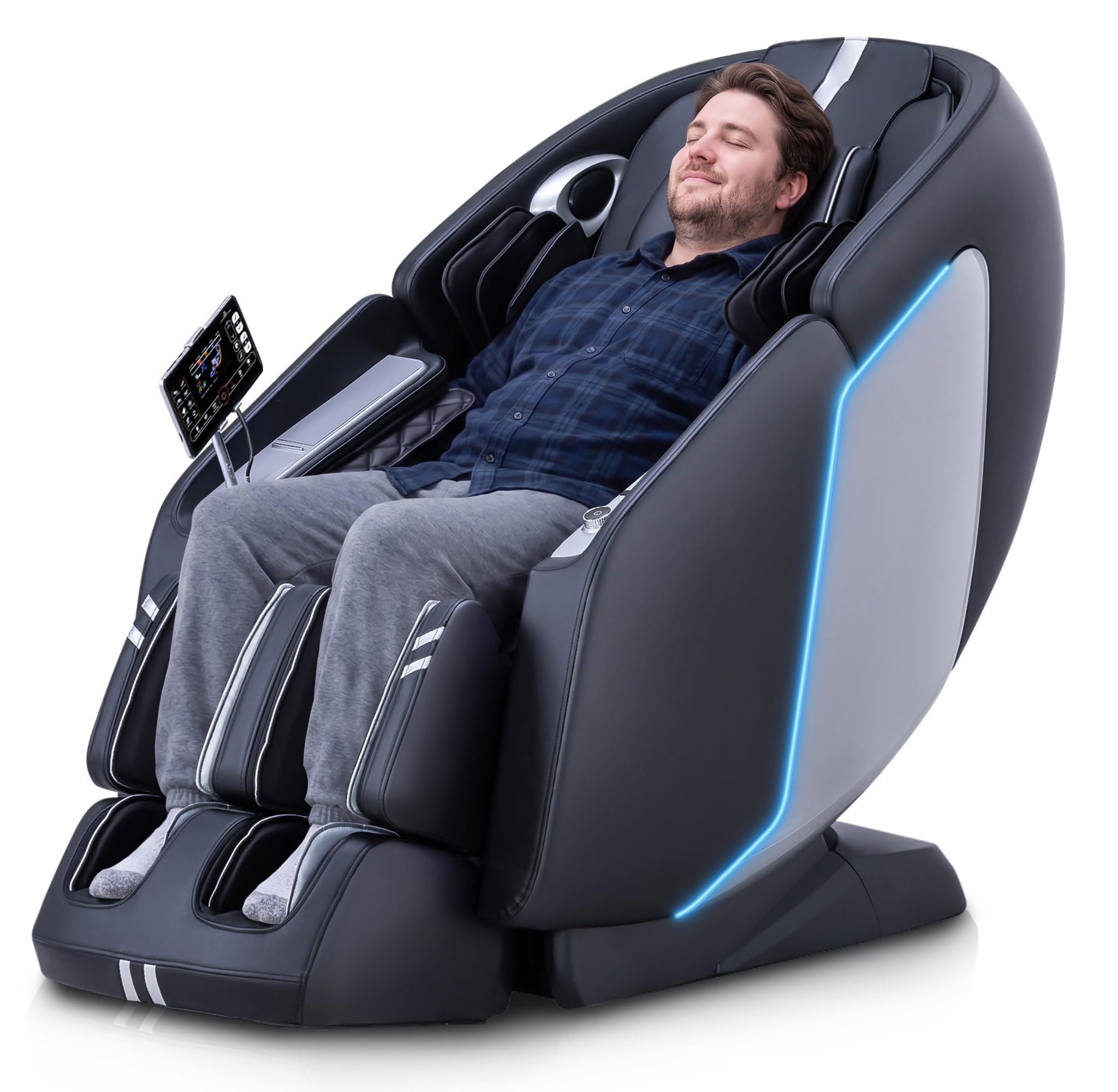


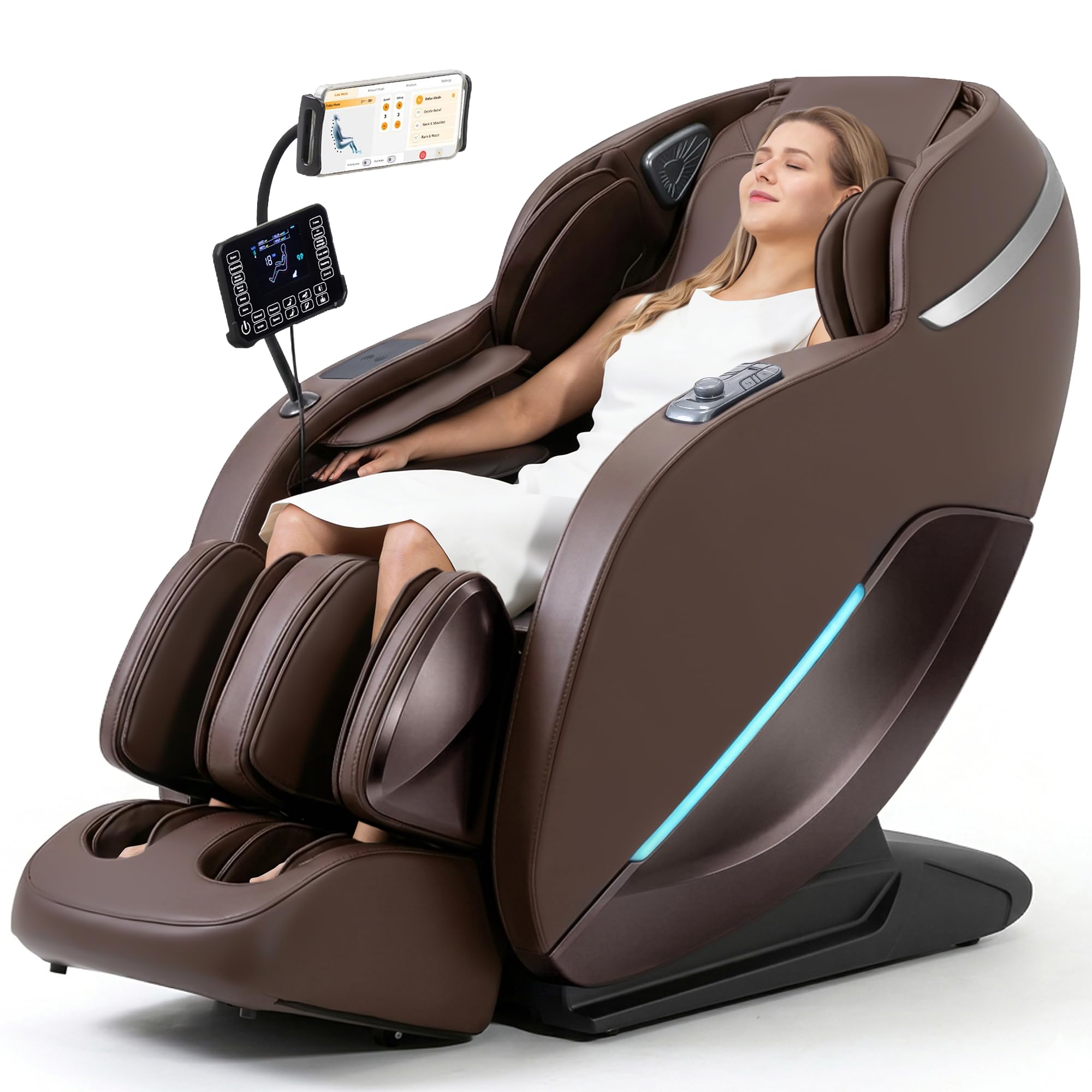

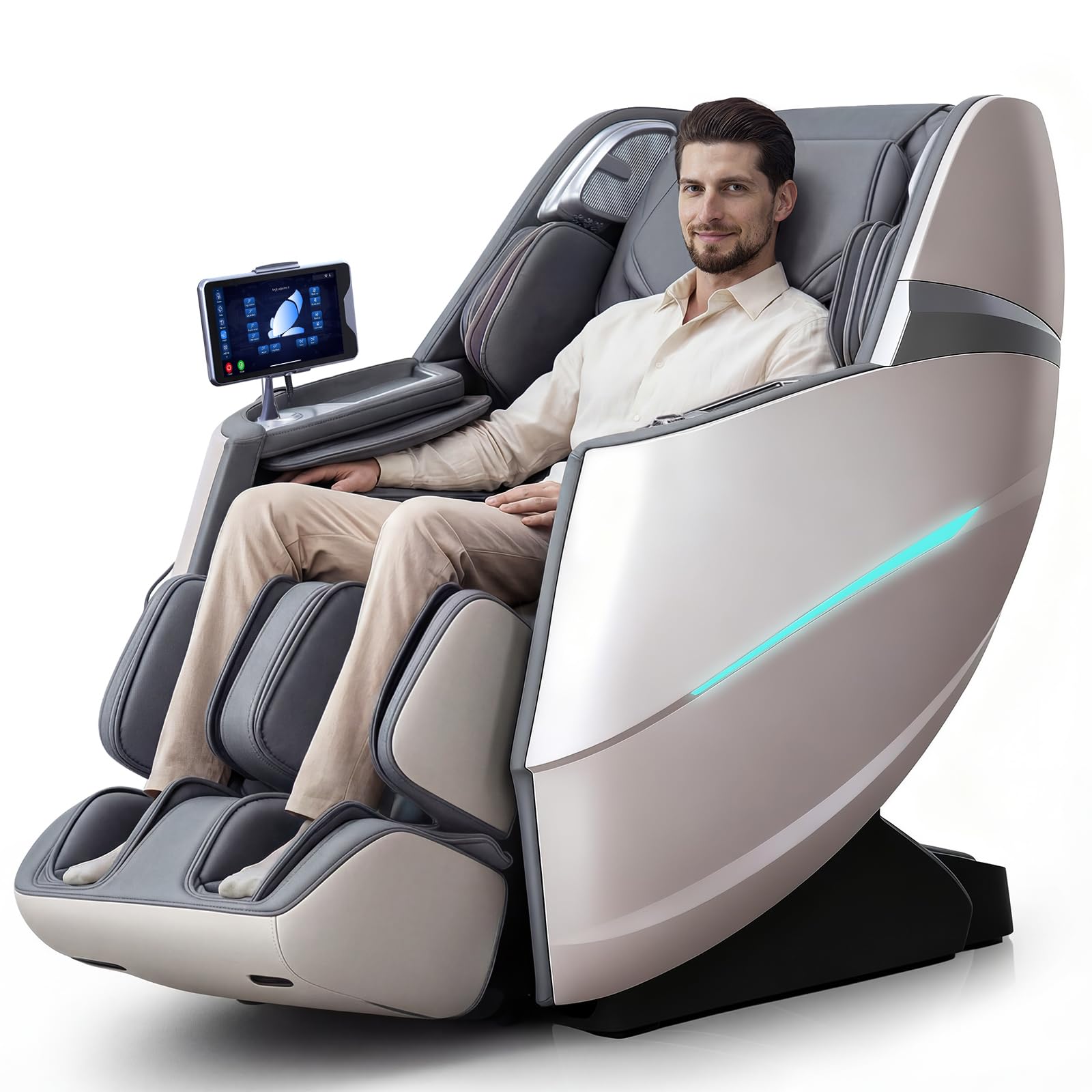
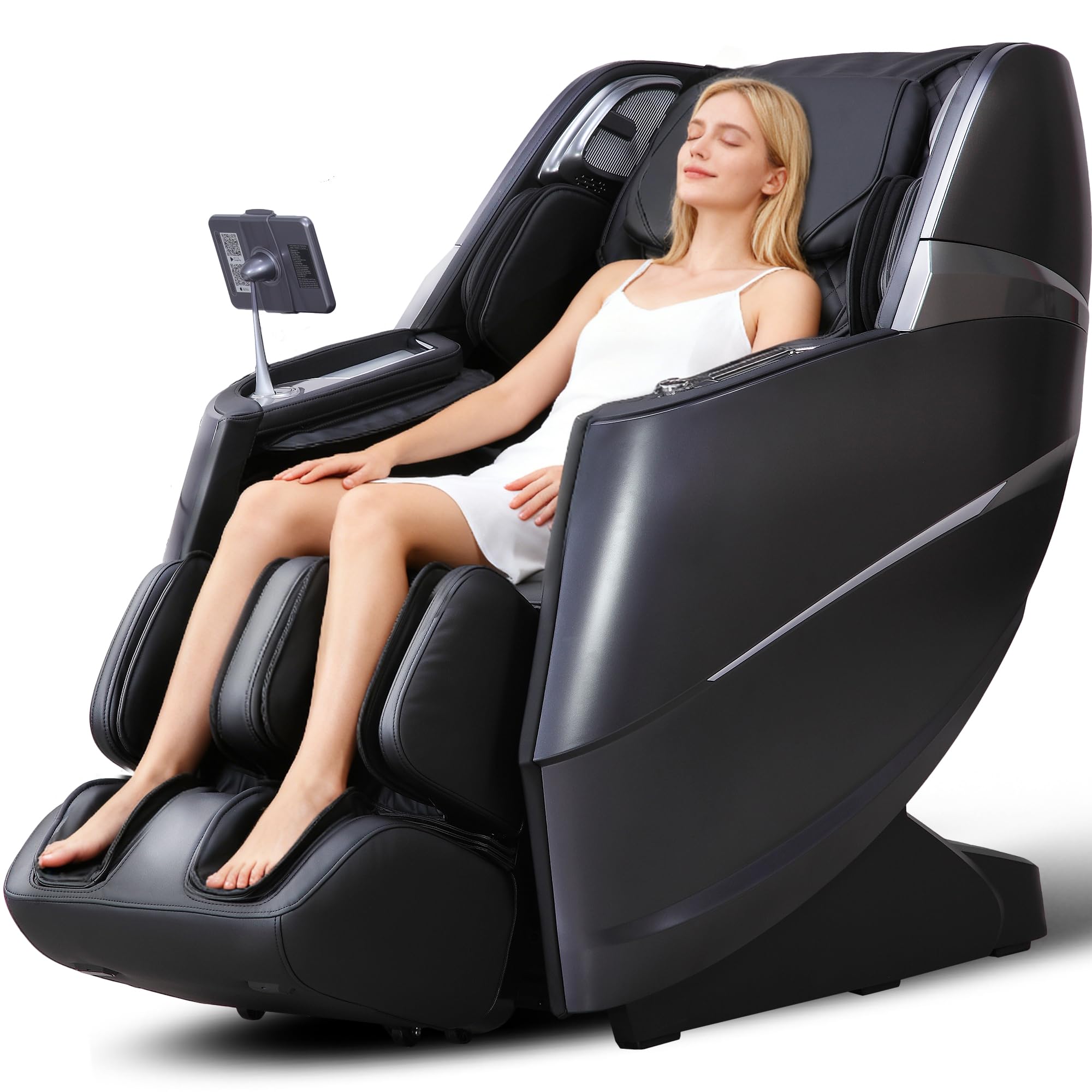
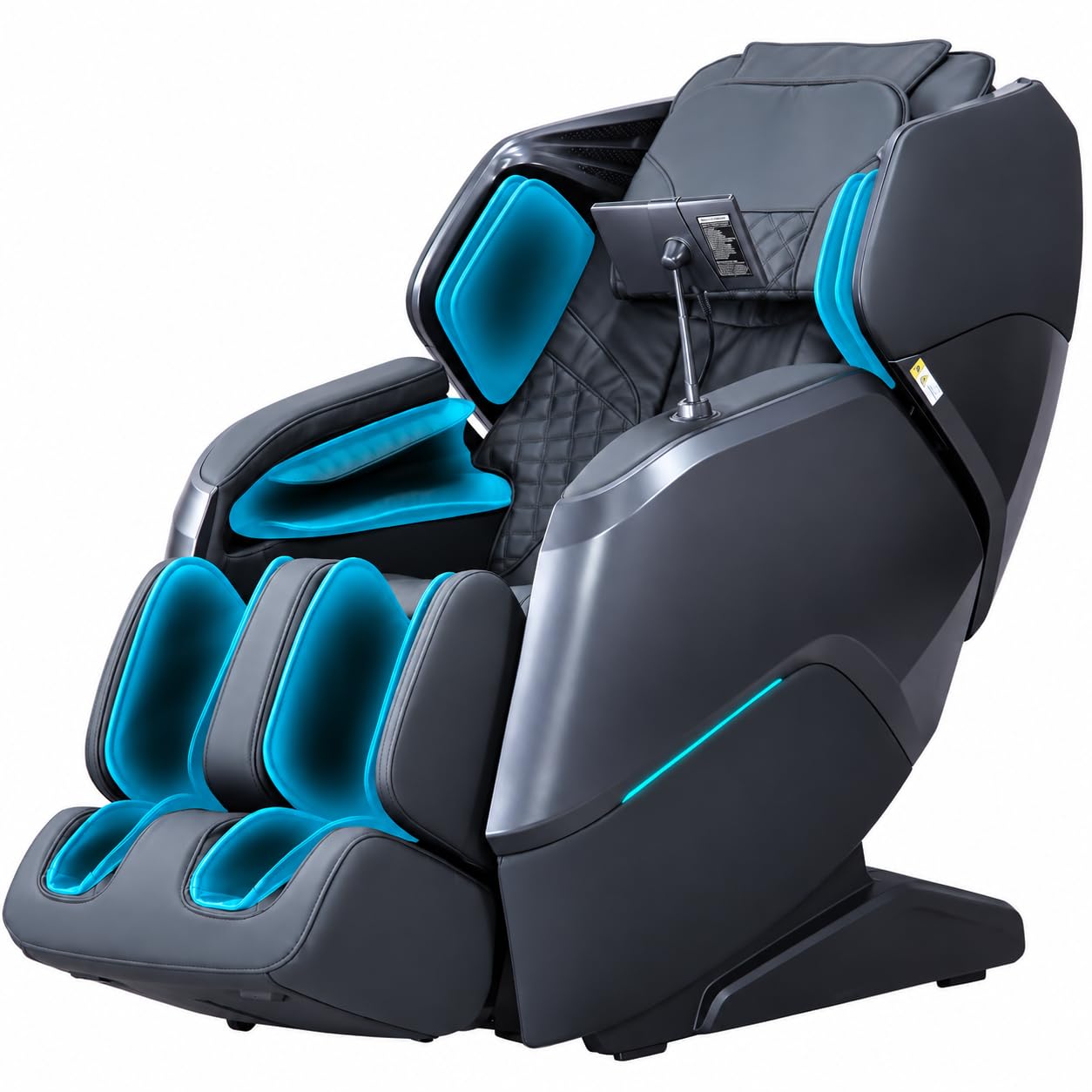
4d Massage Chairs 101: The Basics
A massage chair uses motor driven rollers that travel along a track inside the backrest, plus airbags that inflate around your arms, legs, and feet. In a 4d chair, the rollers move in four ways: up and down the back, side to side, in and out for depth, and with varying speed and rhythm. That fourth dimension is what sets a 4d chair apart from simpler chairs, whose rollers move with a fixed rhythm and a fixed depth. The result is a session that can feel more varied, shifting between gentle and deeper pressure instead of repeating the same motion.
Most 4d chairs also include a body scan at the start of a session. Sensors estimate your shoulder height and back shape so the rollers start in the right place. Air compression works alongside the rollers, squeezing and releasing around your limbs in a wave pattern.
Heat in the back or seat area adds warmth during the session, and a zero gravity position tilts the chair back so your knees sit above your heart, spreading your weight more evenly. None of these features treats or cures any condition. They are comfort features, and their value depends on how they feel to you, not on the claims on the box.
Key Specs Explained in Plain English
Spec sheets for massage chairs are full of numbers that look precise but mean little without context. The sections below translate the most important specs into practical guidance, so you can tell which numbers should shape your choice and which ones you can safely ignore.
Roller Depth and Rhythm Control
Roller depth is how far the rollers press out from the track toward your back. Adjustable depth matters because bodies differ: a depth that feels pleasant to one person can feel too strong to another. Look for chairs that let you change intensity in several steps rather than only two or three, and check whether the speed and rhythm can vary within a program.
A chair that only repeats one rhythm can feel monotonous after a few weeks. If you can, try the chair in person and pay attention to whether the deepest setting still feels comfortable, since that tells you more than any depth figure on a spec sheet.
Track Shape and Coverage
The track is the rail the rollers travel along, and its shape decides which parts of your body the rollers can reach. An S track follows the natural curve of the spine and covers the neck to the lower back. An L track extends farther, reaching under the seat to cover the glutes and upper thighs as well.
An SL track combines both shapes, following the spine curve and extending under the seat. Longer tracks cover more of the body, but they also make the chair longer when fully reclined, so check the reclined dimensions against your room. Coverage matters more than track letters alone: a chair that reaches your shoulders and lower back comfortably is more useful than one with a longer track that misses your neck.
Air Compression and Heat
Airbags inflate and deflate around your arms, calves, and feet, giving a squeezing sensation that complements the rollers. More airbags do not automatically mean a better chair; what matters is whether the pressure feels even and whether you can adjust it. Heat is usually offered in the lower back and sometimes in the calves.
It adds warmth that many people find relaxing, but it does not treat back problems or replace professional care. If you have reduced feeling in your feet or legs, or a condition that affects circulation, talk with your doctor before using strong air compression or heat, and start at the lowest setting.
Size, Weight Capacity, and Room Fit
Massage chairs are heavy and bulky, so fit is a practical spec, not a minor detail. Check the chair height, width, and depth both upright and fully reclined, and leave clearance behind the chair for the recline motion. Some chairs need only a few inches of wall clearance because the seat slides forward as it reclines, while others need much more.
Weight capacity and recommended height range matter too: a chair built for a smaller frame may place the rollers in the wrong spots for a taller user, and one with a low weight limit may strain its motors. Measure your doorway and hallway as well, since delivery and placement can be tricky for a chair this size.
Controls, Programs, and Support
Programs are preset routines that combine roller motion, air compression, and heat in different patterns, such as a gentle evening routine or a more vigorous session. A good range of programs helps you vary your sessions, but the number of programs matters less than whether you enjoy the ones you actually use. Controls should be simple to read and reach while seated, whether they use a remote, a touchscreen, or an app.
Warranty length and support quality also matter for a purchase this large: check how long the parts and labor coverage lasts, who performs repairs in your area, and whether the seller offers in home service. A chair that is hard to get serviced can become a costly problem.
Rookie Mistakes to Avoid
New buyers tend to make the same few mistakes. Avoiding them saves money and disappointment when you narrow down the best 4d massage chairs for your home:
- Buying on roller count alone: more rollers do not guarantee a better feel, since depth control and track shape matter more than the number of moving parts.
- Skipping measurements: a chair that does not fit through your door or recline fully in your room is a problem no feature list can fix.
- Choosing the strongest setting by default: deeper pressure is not always more relaxing, and starting gently lets you learn what your body enjoys.
- Ignoring weight and height limits: a chair that does not match your frame will place rollers in the wrong spots and feel awkward.
- Expecting medical results: a massage chair is a comfort aid for relaxation, not a treatment, so judge it on comfort rather than health promises.
Getting Started: Setup and First Use
Once the chair arrives, place it with the clearance the manual specifies, plug it into a grounded outlet, and keep the power cord where it will not be tripped over. Sit down and run the body scan with your back flat against the backrest and your feet in the footrest, since slouching during the scan can shift the roller positions. For your first session, choose a short, gentle program and the lowest intensity setting, then increase gradually over later sessions as you learn what feels good. Wear light, comfortable clothing without thick seams or buttons along the back, and keep the remote within reach so you can pause or stop at any time.
If you feel pain, numbness, dizziness, or discomfort during a session, stop the chair and get up slowly. Talk with your doctor before continuing if you have a spine condition, a recent injury, a circulation condition, or any condition that affects feeling in your back or legs. Pregnant readers should also check with their clinician before using a massage chair.
These cautions matter because a chair cannot tell the difference between a tight muscle and a problem that needs professional attention. For a smaller option that fits an existing seat, see our guide to the best massage pads for chairs, and for a cushion style alternative, see the best massage chair cushions.
4d Massage Chairs: Your Questions Answered
Do I need a doctor visit before buying a 4d massage chair?
You do not need a prescription to buy a massage chair for general relaxation at home, since these chairs are sold as comfort products rather than medical devices. A visit is still wise if you have a spine condition, a recent injury, a circulation problem, reduced feeling in your back or legs, or a condition such as pregnancy that changes what is safe for you. Your clinician can tell you which features to avoid, such as strong air compression or deep roller pressure.
How does a 4d chair differ from a 3d chair?
A 3d chair moves its rollers up and down, side to side, and in and out for depth, but it keeps a steady rhythm within each program. A 4d chair adds variation in speed and rhythm, so the rollers can speed up, slow down, and change pressure patterns during a session. That variation is meant to feel closer to a human style massage, with changes in pace rather than one repeated motion. The difference is real but subtle, and it matters most if you find fixed rhythm chairs monotonous.
How much floor space does a 4d massage chair need?
Most 4d chairs need a footprint of roughly 30 inches wide by 50 inches deep when upright, and more when fully reclined. Wall clearance varies widely: some chairs slide forward as they recline and need only a few inches behind them, while others need a foot or more. Check the reclined depth and the required clearance in the manual, then measure your room with tape rather than guessing. Also measure your doorway, hallway, and any turns the delivery team must navigate, since these chairs are heavy and awkward to move.
Can a 4d massage chair help back pain?
A massage chair can be a pleasant comfort aid for relaxation, but it does not diagnose, treat, or cure back pain or any other condition. If your back pain is new, sharp, spreading down a leg, or paired with numbness, weakness, or changes in bladder or bowel control, see a doctor promptly rather than relying on a chair. Judge a chair on comfort and fit, and talk with your clinician about any ongoing pain so you get care that matches the cause.
How often should I use a massage chair?
There is no single schedule that suits everyone, but most makers suggest starting with short sessions of about 15 to 20 minutes and seeing how your body responds. Daily use at a gentle setting is common for relaxation, while longer or more intense sessions are better kept occasional. Pay attention to soreness the next day: if you feel tender after a session, shorten the next one or lower the intensity. If you want a chair for a work setting, our guide to the best office massage chairs covers smaller options for office use.
The Bottom Line
For a first time buyer, the best approach is to focus on fit, adjustable depth, and a track shape that covers the areas you care about, then choose programs and extras that you will actually use. A chair that matches your height and weight, fits your room with clearance to recline, and feels comfortable at a gentle setting is a better buy than a feature packed chair that misses those basics. Take your time, measure twice, and start gently. The best 4d massage chairs are the ones that feel good to you session after session, so review the product table above once more and pick the chair that fits your body, your room, and your budget.


