
Best Affordable Iron Sets in 2026: How to Choose the Right One
Disclosure: We may earn a commission when you buy through links on this page, at no extra cost to you. As an Amazon Associate I earn from qualifying purchases. Learn more

Compare the best affordable iron sets by forgiveness, shaft flex, and set makeup to find golf irons that suit new and improving players on a budget.
A new set of golf irons can cost as much as a used car, but a good beginner or high handicap set does not need to. This guide helps you compare the best affordable iron sets by explaining forgiveness, shafts, set makeup, and the choices that matter before you spend your money.
The product table below lists current options. Use the comparison table and sections here to understand the types first.


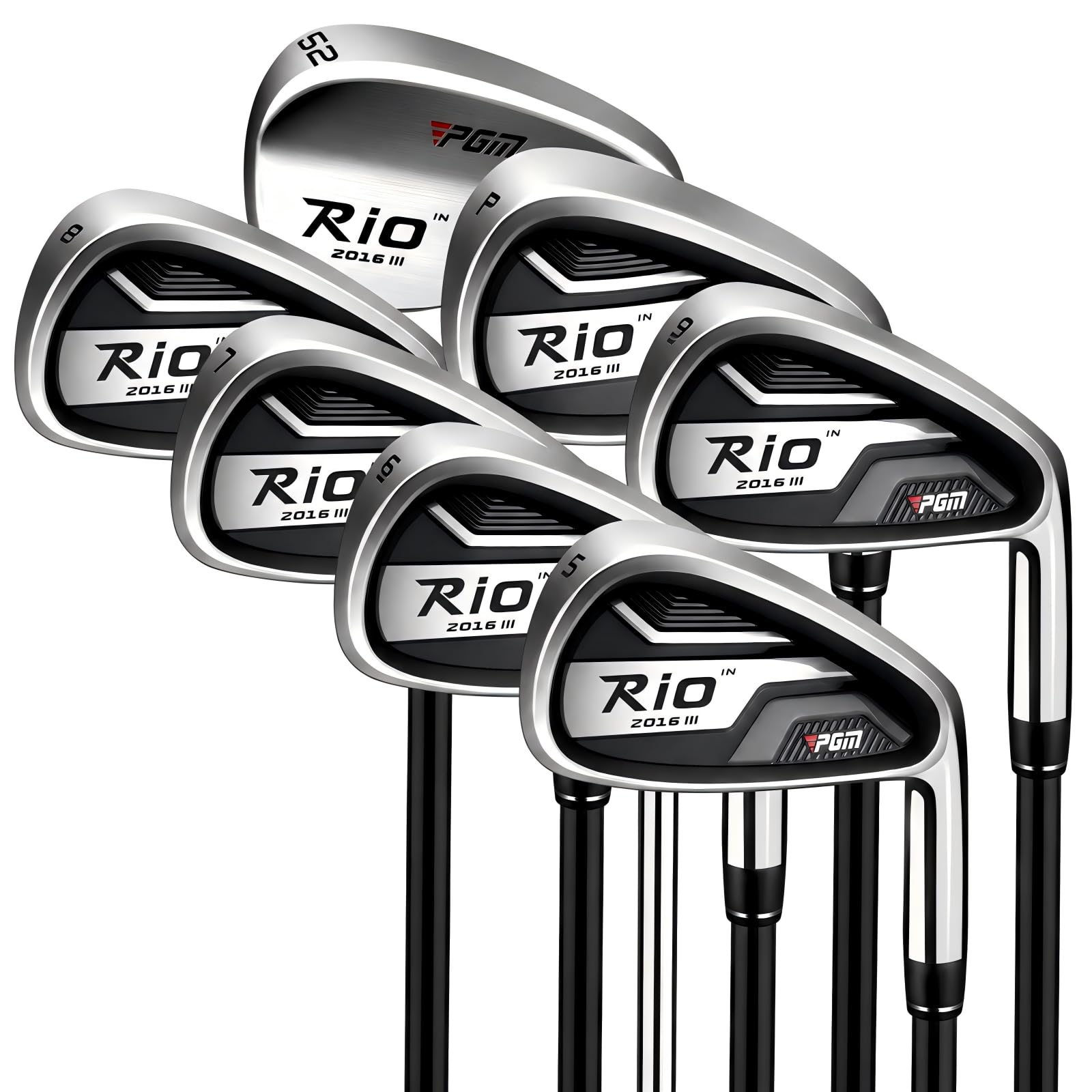

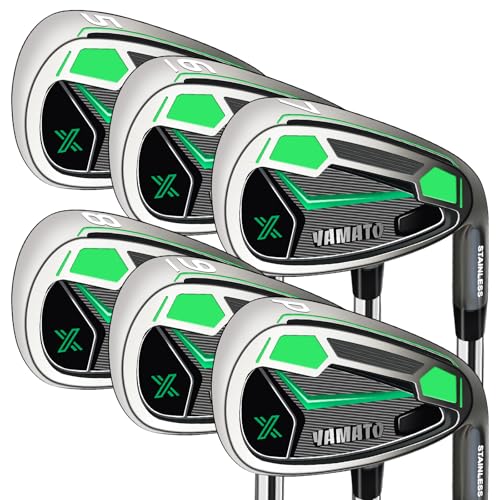
Types Compared
| Type | Best for | Notes |
|---|---|---|
| Game improvement irons | Beginners and high handicap players | Large clubhead, forgiving, higher launch |
| Players distance irons | Mid handicap golfers | Smaller head, more control, still forgiving |
| Cavity back irons | Most affordable sets | Weight spread around the edge for stability |
| Used or previous year sets | Value hunters | Lower price, same technology |
New affordable iron sets typically cost between $150 and $450. Premium sets from major brands can cost $700 or more, which is why discounted or previous year models are popular with budget buyers.
Key Features of the Best Affordable Iron Sets
Forgiveness
Forgiving irons have larger heads and weight placed around the perimeter, so off center hits lose less distance and accuracy. For beginners, forgiveness is the single most important feature.
Shaft Material and Flex
Steel shafts are durable and give control, while graphite shafts are lighter and can help with swing speed. Flex matters: regular flex suits most average swings, senior or ladies flex suits slower swings, and stiff flex suits faster swings.
Set Makeup
A typical set runs from 5 iron to pitching wedge, or 4 iron to pitching wedge. Many beginners prefer to add hybrids instead of long irons, since hybrids are easier to hit. Check which clubs are included and whether sand or gap wedges are needed.
Lie, Length, and Handedness
Standard sets fit average height golfers. If you are much taller or shorter, a fitting can adjust length and lie angle. Make sure you order the right hand or left hand version.
Grips and Condition
Fresh grips make a big difference in feel. Replace worn grips if you buy a used set, and check the grooves for wear.
Who Should Buy Which Type
New golfers do best with game improvement irons and regular flex shafts. Mid handicap players can move to players distance irons for more control. Seniors and players with slower swings may prefer lighter graphite shafts. Budget buyers should consider a previous year model from a major brand, which often costs far less than the current release.
Common Mistakes
- Buying blades as a beginner. Blade irons are hard to hit and unforgiving.
- Ignoring shaft flex. The wrong flex hurts accuracy and distance.
- Skipping a fitting. Even a quick fitting can adjust length and lie for a better fit.
- Chasing distance claims. Stronger lofts can make clubs go farther but may leave gaps in your set.
What Your Money Gets You
Under $200
Entry sets from lesser known brands appear here. They offer large cavity back heads, steel or graphite shafts, and a straightforward set of clubs from 5 iron to pitching wedge. They suit new golfers who want to try the game without spending much.
Around $200 to $350
This range includes better materials, more consistent shafts, and sets from established value brands. Many are designed for forgiveness and carry comfortable grips.
Around $350 to $500
Here you can find previous year models from major brands. They bring tour proven technology, better feel, and strong resale value at a lower price than new releases.
Getting the Most From Your Irons
Practice with your irons at a driving range and learn your distances with each club. Keep a consistent grip pressure and swing tempo, and take lessons if you are new, since a few sessions can improve results more than new clubs.
After each round, clean the grooves with a brush and warm water, dry the clubs, and keep headcovers on longer irons to avoid dings. Replace grips when they become shiny or hard, because a worn grip makes you squeeze harder and hurts your swing.
Matching Irons to Your Skill Level
A beginner needs forgiveness first. Large cavity back heads with wide soles slide through the turf and keep shots from losing distance when you miss the center. Mid handicap players who hit the ball solidly can handle a slightly smaller head for more control. Low handicap golfers often choose compact irons, but those are rarely affordable and are not the right pick for new players.
Loft matters too. Many modern game improvement sets have stronger lofts, which means a 7 iron can fly like an older 6 iron. That adds distance but changes the gaps between clubs, so check the loft chart and consider which wedges you will add.
Buying New or Used
Used sets from major brands can be a great value because golf clubs hold their performance for years. Inspect the grooves, the grips, and the shafts for dents or rust. Check the return policy, and buy from sellers who describe the condition clearly.
New budget sets come with fresh grips and a warranty, which gives peace of mind. If you are unsure that golf is for you, a lower priced new set lets you try the game without a large commitment.
Frequently Asked Questions
How do I choose the right iron set?
Start with your skill level, then choose forgiveness, shaft flex, and set makeup to match. Beginners should favor cavity back irons with large heads.
How much should I spend on an iron set?
Most beginners do well with $150 to $450. Spend more only if you play often and want better feel or durability.
How do I care for irons over time?
Clean the grooves after each round, dry the clubs, and store them out of extreme heat. Replace grips every year or two if you play often.
Can I return or exchange irons that do not fit?
Many sellers allow returns on unused clubs. Check the policy before buying, and keep the packaging until you are sure.
Should I buy a full set or just irons?
Beginners often choose a complete set that includes woods and a putter. If you already own a driver and putter, an iron set alone can be better value.
Final Thoughts
Choose forgiving irons, the right shaft flex, and a set makeup that fits your game. Compare the sets in the product table above and pick from the best affordable iron sets that suits your swing and budget. For more reading, see our guides to the best affordable golf iron sets and the best iron sets.


