
Best Affordable Golf Shoes: Buying Guide for 2026
Disclosure: We may earn a commission when you buy through links on this page, at no extra cost to you. As an Amazon Associate I earn from qualifying purchases. Learn more

A plain guide to the best affordable golf shoes: grip, waterproofing, fit, and comfort over a full round.
Best affordable golf shoes do not have to feel cheap, and a careful buyer can find a pair that handles a full round without sore feet or slipping on a damp fairway. The comparison table below lays out the main types side by side so you can match a shoe to how often you play and how much walking your course demands. Price matters, but fit, grip, and weather protection matter more, because a bargain pair that blisters your feet is no bargain at all.
Golf shoes have changed a lot in recent years, and many budget models now borrow comfort features that once appeared only on expensive pairs. You will find soft foam cushioning, waterproof uppers, and spikeless soles at prices that suit a casual player. This guide walks through what to check before you order, so you spend on the features you will actually use and skip the extras that only add cost.
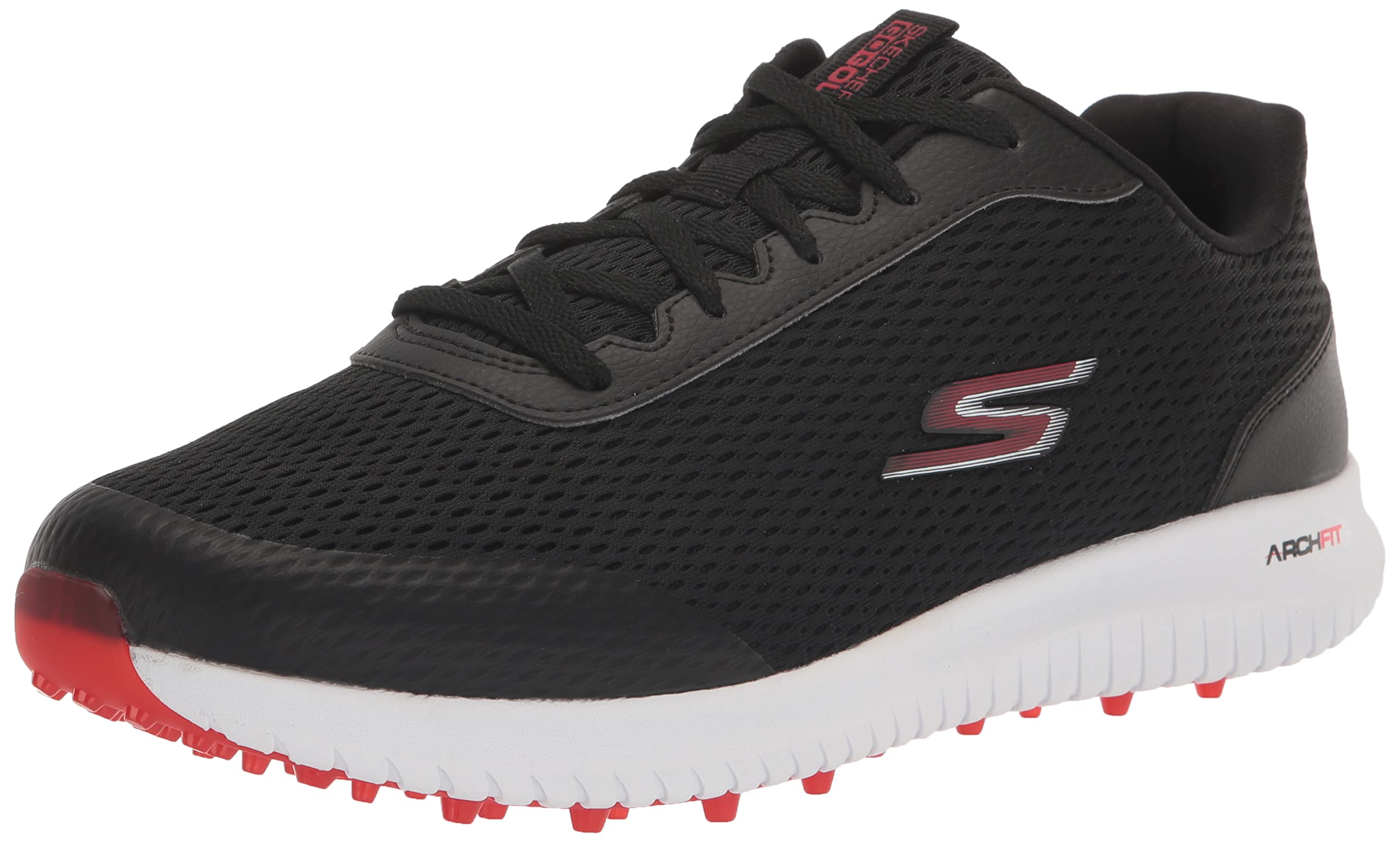

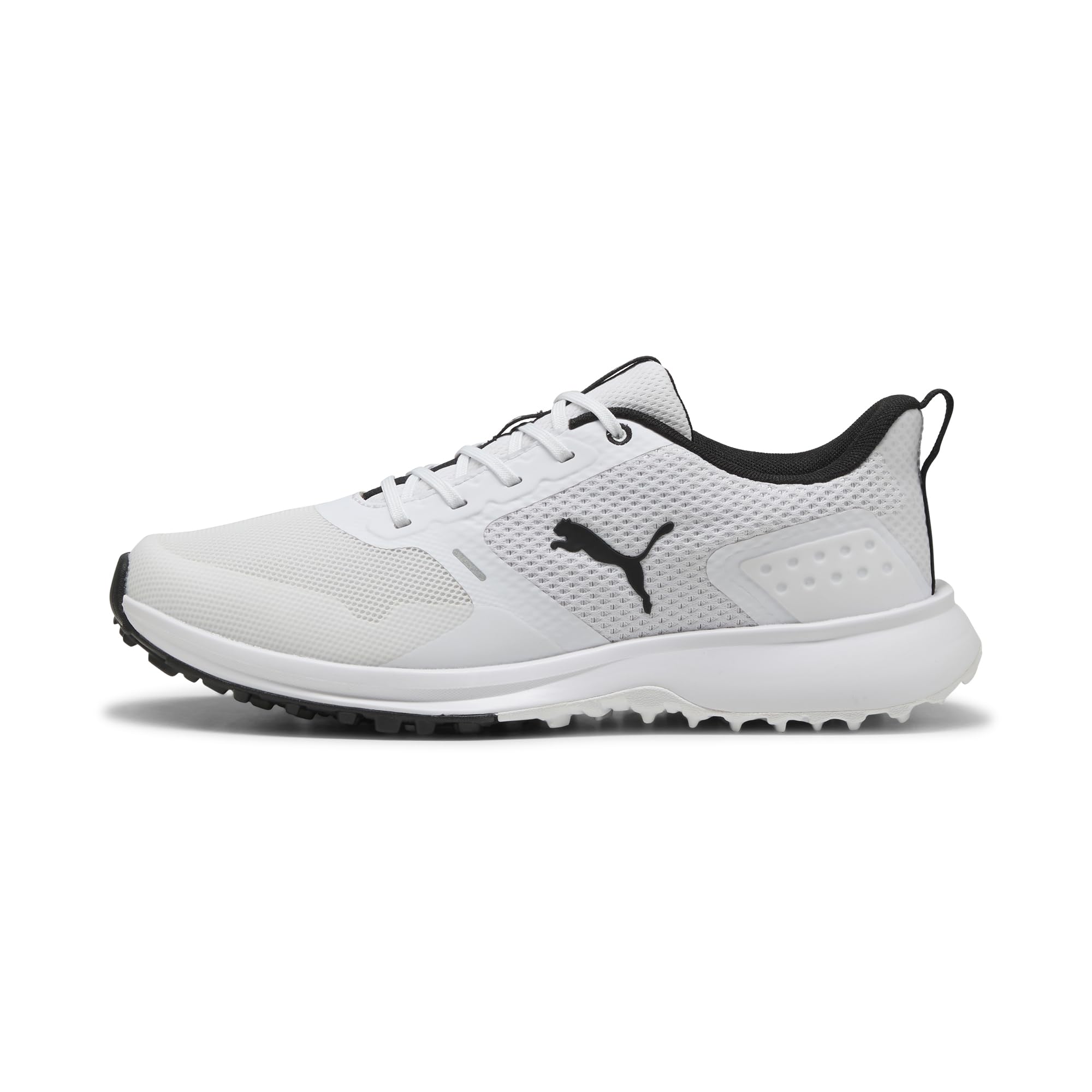
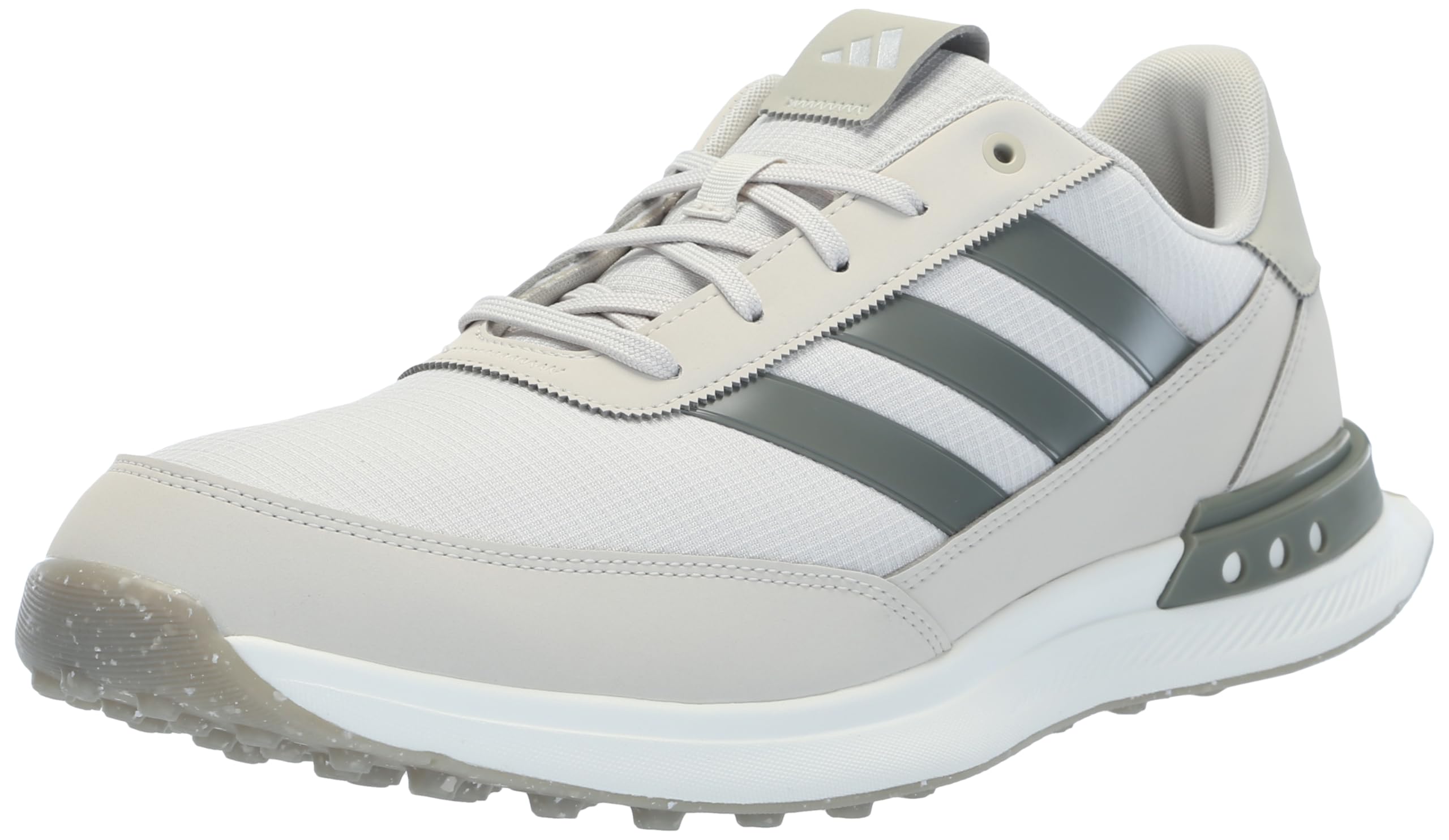
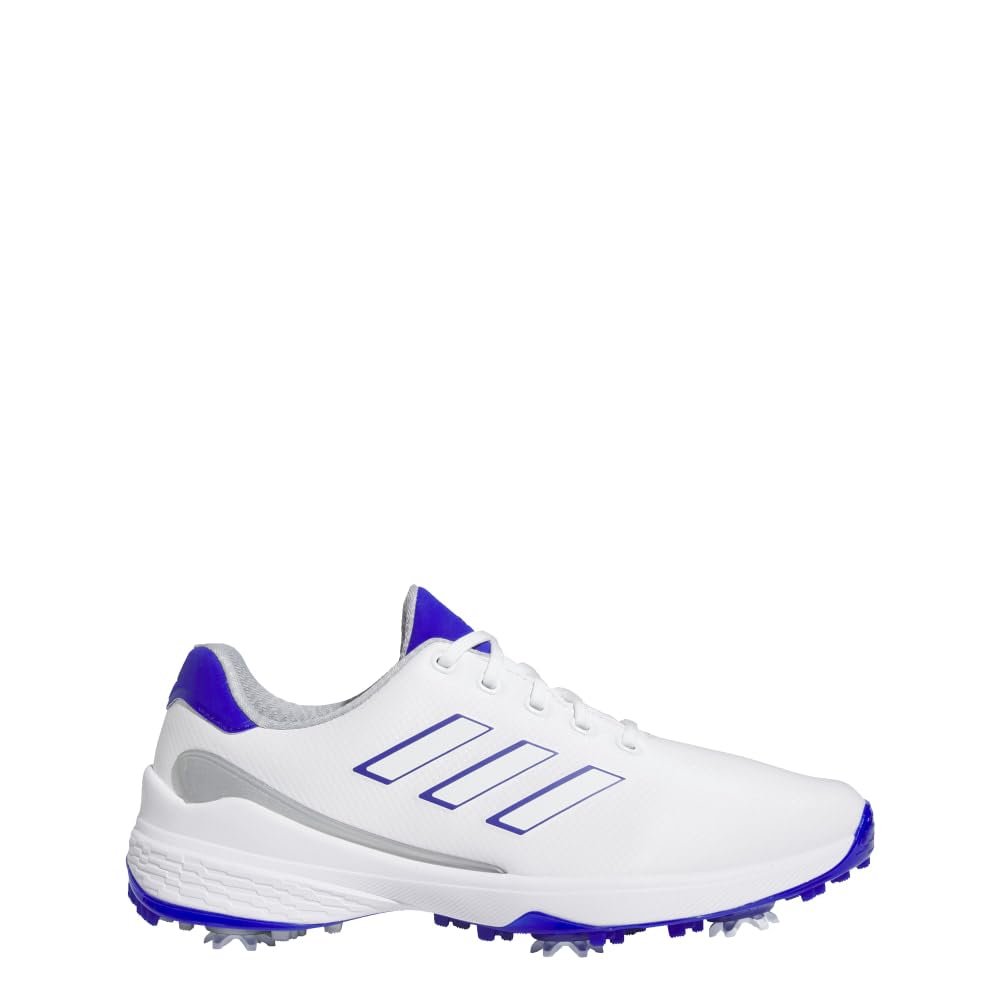


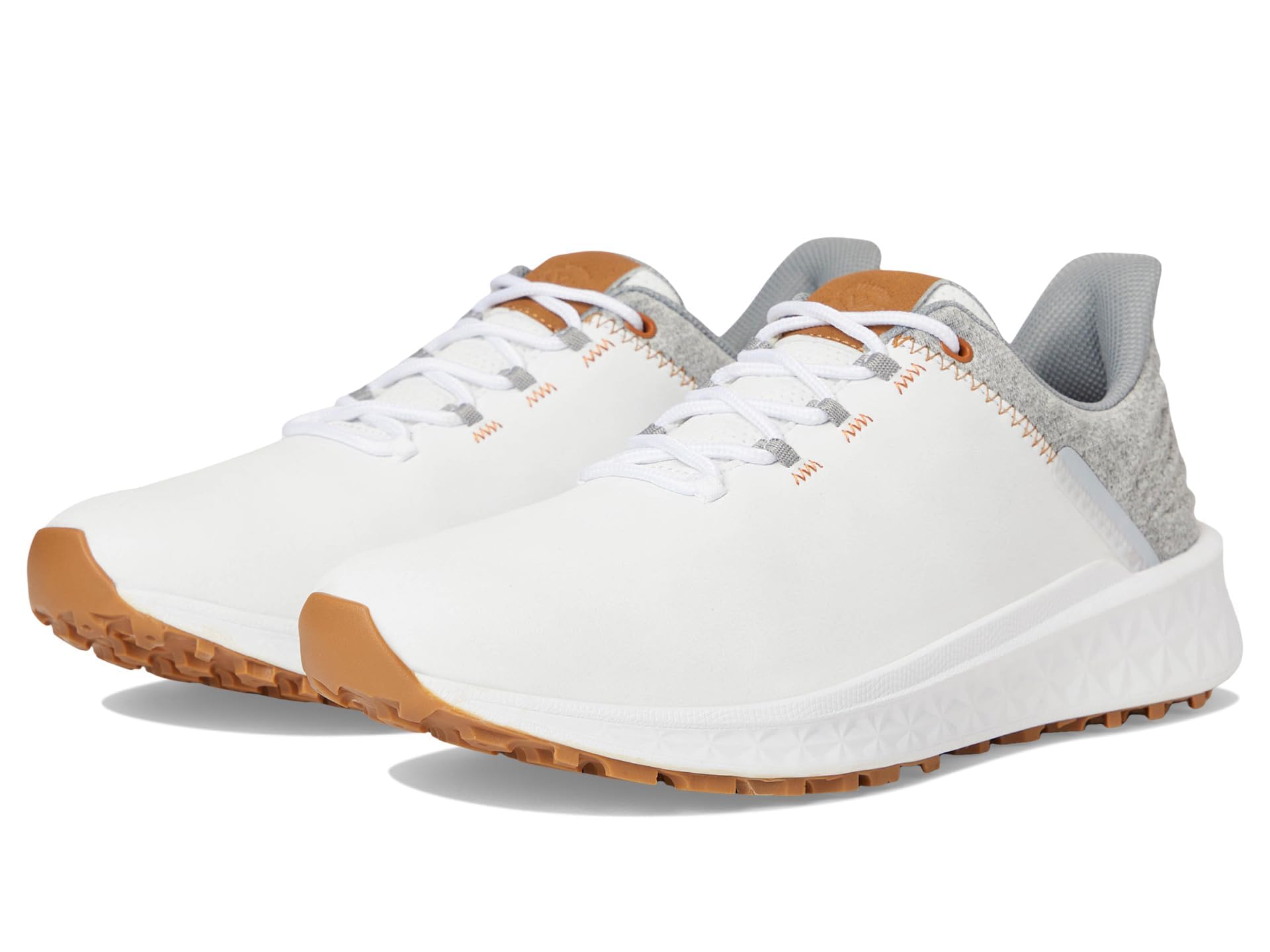
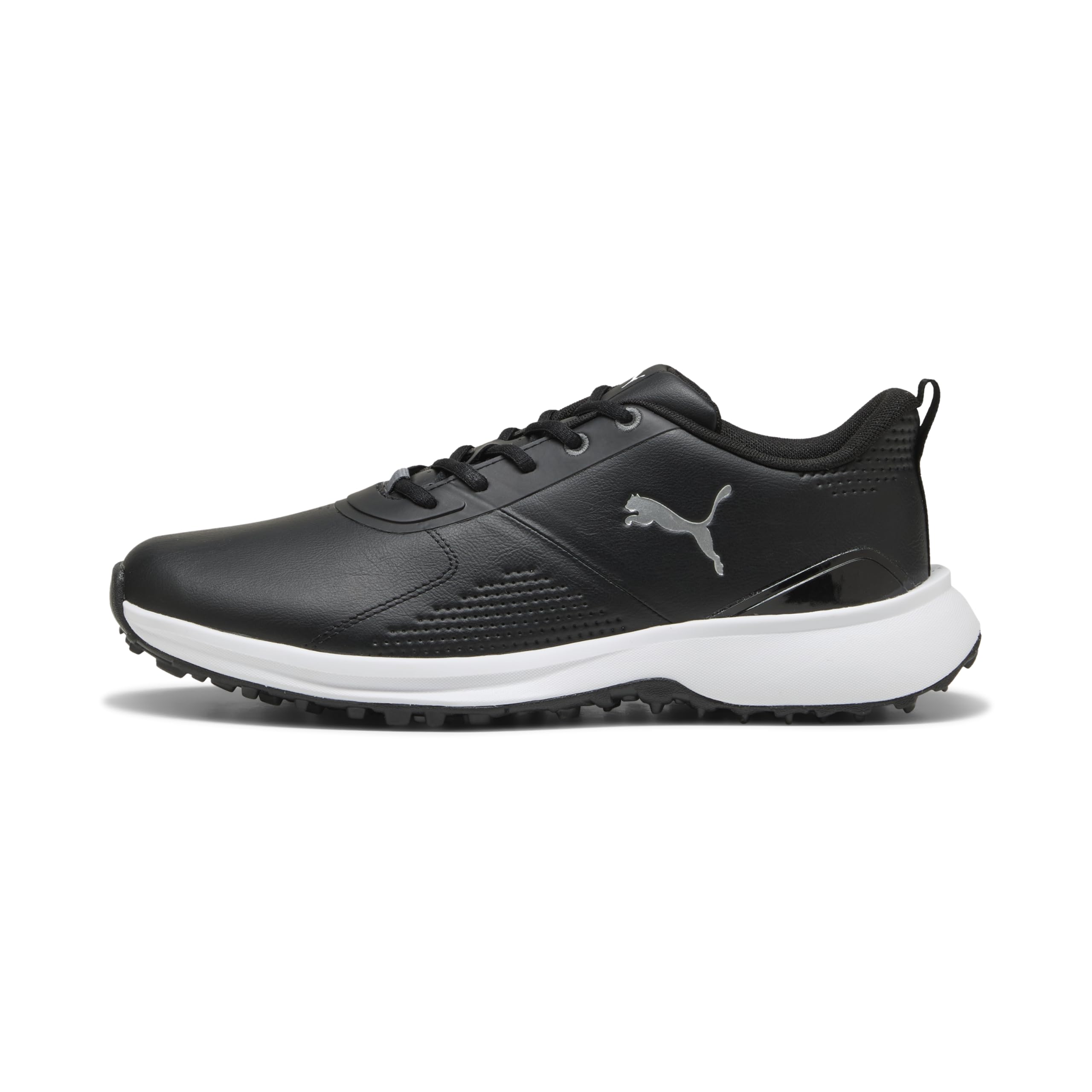
Who Should Buy Affordable Golf Shoes
Affordable golf shoes suit casual players, beginners, and anyone who plays a few times a month rather than every week. If you are still learning the game, there is little sense in spending a large sum before you know which style suits your swing and your stride. A modest pair lets you learn what you like, from a soft spikeless sole to a firmer spiked base, without a costly mistake.
They also suit experienced players who want a second pair for practice rounds or wet days. A backup pair means your main shoes can dry fully between rounds, which keeps them in better shape for longer. Budget shoes work well for juniors who outgrow footwear quickly, and for golfers who walk a hilly course and value light weight over a premium brand name.
Key Features to Compare
Grip comes first, because a shoe that slips during a swing hurts both your score and your confidence. Spiked shoes grip firmly on wet grass and steep slopes, while spikeless shoes grip well on dry ground and feel more natural when walking from the parking lot to the clubhouse. Think about the courses you play most often, and pick the sole that matches their usual conditions.
Water protection comes next, especially if you play early morning rounds when dew soaks the grass. A waterproof upper keeps your feet dry and warm, while a water resistant upper handles light dampness but may soak through in steady rain. Check the closure too, since laces give a precise fit, dial closures adjust quickly, and slip on styles suit players who dislike bending down repeatedly.
Fit and Comfort for a Full Round
A round of golf means hours on your feet, so fit deserves more attention than looks. Try shoes on later in the day when feet are slightly larger, and wear the socks you plan to golf in. Your toes should have room to move without sliding forward on downhill walks, and the heel should stay in place without rubbing.
Cushioning matters most around the middle of the round, when tired feet start to ache. Foam midsoles soften each step, while a supportive arch keeps your foot aligned through the swing. If you have wide feet, look for a wide fit option rather than forcing a standard pair, since a tight shoe causes blisters long before the final hole. Style still counts for many golfers, and our guide to best looking golf shoes shows how to balance good looks with real comfort.
Budget Tiers and What You Get
At the lowest prices, expect simple spikeless shoes with basic cushioning and limited water protection. These suit dry weather and occasional play, and they are a sensible start for a beginner. The build may be lighter, so check the stitching and sole bonding before you buy, and read the return policy in case the fit disappoints.
In the middle range, you gain better waterproofing, stronger grip, and cushioning that lasts through many rounds. This tier suits regular players who want one pair to cover most conditions. Above that range, you pay for premium leather, advanced stability features, and refined styling, which matter more to daily players than to someone playing twice a month.
Care and Durability
Budget golf shoes last longer when you care for them between rounds. Remove mud from the soles after each game, since dried mud hardens and reduces grip. Let shoes dry naturally away from direct heat, and stuff them with paper to hold their shape while they dry.
Rotate two pairs if you play often, because a full day of rest between rounds lets foam recover and moisture escape. Replace shoes when the sole wears smooth or the upper splits at the flex point, since worn grip is a safety issue on wet slopes. With simple care, a well chosen budget pair can serve a full season or more.
Mistakes to Avoid
The most common mistake is buying on price alone and ignoring fit. A cheap pair that pinches will sit in the closet, while a slightly pricier pair that fits well gets worn every week. Another mistake is choosing spiked shoes for a course that bans them, so check your club rules before you order.
Many buyers also overlook the weight of the shoe, which adds up over eighteen holes. Heavy shoes tire your legs on a hilly course, while very light shoes may lack support on uneven ground. Balance weight against support, and favor the pair that feels steady through a practice swing rather than the pair that merely looks the part.
Playing Your First Rounds in New Golf Shoes
New golf shoes feel best when you break them in gradually rather than wearing them for a full competition round on day one. Start with a short practice session and a walk around the practice ground, paying attention to heel rub, toe pressure, and any slipping during a swing. A pair that feels secure during practice swings and comfortable after an hour of walking will usually serve you well for a full round, while early hot spots signal a fit problem worth solving before it becomes a blister.
Course conditions change through the year, so think about how your shoes will handle summer firmness and winter softness alike. Firm summer ground rewards a flexible sole that keeps you connected to the turf, while soft winter ground rewards deeper grip that stops your feet sliding during a swing. If you play all year, a versatile spikeless pair with a pronounced tread may cover more conditions than a specializt pair built for one season only.
Finally, remember that socks, insoles, and lacing all change how a shoe performs, so experiment with small adjustments before judging a pair harshly. A thicker sock adds warmth and fills a slightly roomy fit, while a thinner sock frees a tight toe area on warm days. Lacing the middle eyelets snugly while leaving the toe area relaxed often improves comfort dramatically, and a supportive insole can rescue an otherwise good pair that lacks arch support.
Frequently Asked Questions
Do affordable golf shoes work in wet weather?
Yes, many budget golf shoes handle wet weather well when they carry a waterproof upper and a grippy sole. Check the product details for a waterproof rating rather than a vague water resistant claim, and look for sealed seams around the toe. Spiked soles grip better on soaked grass, while deep lugs on spikeless soles help on damp but firm ground. Dry shoes fully after a wet round to protect the materials.
Are spikeless golf shoes good for walking a full course?
Spikeless golf shoes suit walking a full course very well, since their flexible soles feel closer to a normal walking shoe. They grip firmly on dry and lightly damp turf, and they are comfortable on paths and in the clubhouse. On very wet or hilly courses, spiked shoes may grip better, so match the sole to your usual course conditions before you decide.
How long should a budget pair of golf shoes last?
A budget pair of golf shoes often lasts a full season of regular play, and sometimes longer with good care. The sole usually wears first, especially if you drag your feet or walk on hard paths. Cleaning off mud, drying shoes naturally, and rotating pairs all extend their life. Replace them when grip fades or the upper splits, since worn shoes can slip at the worst moment.
Should beginners buy spiked or spikeless shoes?
Beginners often find spikeless shoes easier, since they feel familiar, cost less, and work on and off the course. They also suit players who ride in a cart and walk mainly on flat ground. Spiked shoes suit beginners who play wet courses or want maximum grip while learning a stable swing. Either type works, so let comfort and your local course conditions guide the choice.
Can I wear golf shoes off the course?
You can wear spikeless golf shoes off the course, since they look and feel much like everyday sneakers. Many players wear them to the driving range, the clubhouse, and even for errands after a round. Spiked shoes are less practical off the course, since the spikes feel awkward on hard floors and may damage indoor surfaces. Keep a spikeless pair for days when you want one shoe for everything.
Final Thoughts
Best affordable golf shoes reward buyers who put fit and grip ahead of brand names and flashy styling. Use the product table above to compare sole types, waterproofing, and weight, then choose the pair that matches your course and your playing frequency. A comfortable pair that you actually enjoy wearing will improve your game far more than an expensive pair that stays in the closet.
Order from a seller with a fair return policy, try the shoes on a practice walk before a full round, and keep them clean and dry between games. With those simple habits, a budget pair can carry you through a whole season of enjoyable golf without draining your wallet.


