
Best Affordable Game Cameras: Buying Guide for 2026
Disclosure: We may earn a commission when you buy through links on this page, at no extra cost to you. As an Amazon Associate I earn from qualifying purchases. Learn more

A plain guide to the best affordable game cameras: trigger speed, night flash, battery life, and storage.
A game camera works while you are away. It watches a trail, a gate or a feeder, senses motion and heat, and records photos or short video clips on its own. The best affordable game cameras do that job reliably for about $40 to $100, and this guide shows which specs matter at that price. Use it to read the comparison table below with clear priorities.
Budget models ask you to trade wisely. You give up instant phone delivery and the sharpest night images, but you should not give up fast triggering, honest resolution or a housing that keeps rain out.





Who Should Buy an Affordable Game Camera?
Start with the job the camera must do each week. Your answer decides how much detection range and battery life you really need.
Hunters Scouting Trails and Feeding Areas
You need to learn when deer or other game pass, without visiting often enough to leave scent and change their habits. A standard camera that records to a card suits this well, because you check it every few weeks. Prioritize fast triggering and a quiet, dark flash so passing animals stay calm and keep using the trail.
Landowners Watching Gates, Barns and Equipment
You need a record of who or what came through a gate, a barn lane or an equipment yard. Mount the camera where vehicles and people must slow down, such as a gate post. A security box and a cable lock matter more here than extra resolution, because a camera in open view near a road faces theft.
Backyard Wildlife Watchers and Hobby Farmers
You want to see which animals visit a garden, a coop or a water trough at night, and whether a fence is failing. A simple camera with a clear setup screen and short video clips is easy to enjoy from the first week.
Key Features to Compare
Value in the best affordable game cameras sits in that order: detection first, night images second, extras last.
Trigger Speed and Detection Range
Trigger speed is the delay between the sensor sensing an animal and the camera recording the first image. Around 0.3 to 0.7 seconds is a useful budget range, and slower cameras often capture only the rear half of a deer crossing a narrow trail. Detection range is commonly about 60 to 80 feet, with a sensing angle of about 45 to 60 degrees. Favor speed over the longest claimed range.
Night Flash Type and Range
At night the camera lights the scene with infrared LEDs, and the flash type shapes both image quality and animal reaction. No glow flash is nearly invisible and suits shy game and spots near people, but its images tend to be dimmer at distance. Low glow flash casts a faint red light and usually reaches farther. White flash gives color night photos, yet it can startle animals and draw attention.
Photo Resolution, Video and Burst Mode
Many budget cameras advertise very high megapixel counts reached by software enlargement, which adds file size without adding real detail. A sensor that honestly records clear daytime images at moderate settings is the better buy. Video at 1080p is enough to judge gait, antler points and direction of travel. Burst mode takes two or three photos per trigger and raises your odds of one sharp frame.
Battery Life and Power Options
Most affordable models run on AA batteries, often eight at a time, and a set can last several months when the camera takes mostly still photos. Short video clips, cold nights and frequent night flash use drain a set far faster. Budget for batteries as a running cost, because a camera that dies in week two records nothing.
Memory Cards and Viewing Your Photos
These cameras record to an SD card, and most accept cards of 32 to 128 gigabytes. A small viewing screen helps you aim the camera in the field, but reading a full season of photos is easier on a computer at home.
Weather Sealing, Mounting and Security
A game camera lives outdoors for months, so look for a sealed housing rated around IP66 and a latch that closes firmly. Most models include a tree strap, and a threaded mount on the base accepts many pole and post mounts. Where people pass, add a steel security box and a cable lock.
Types of Affordable Game Cameras
The three types below differ in how the photos reach you, and that difference drives both price and running cost.
Standard Game Cameras That Record to a Card
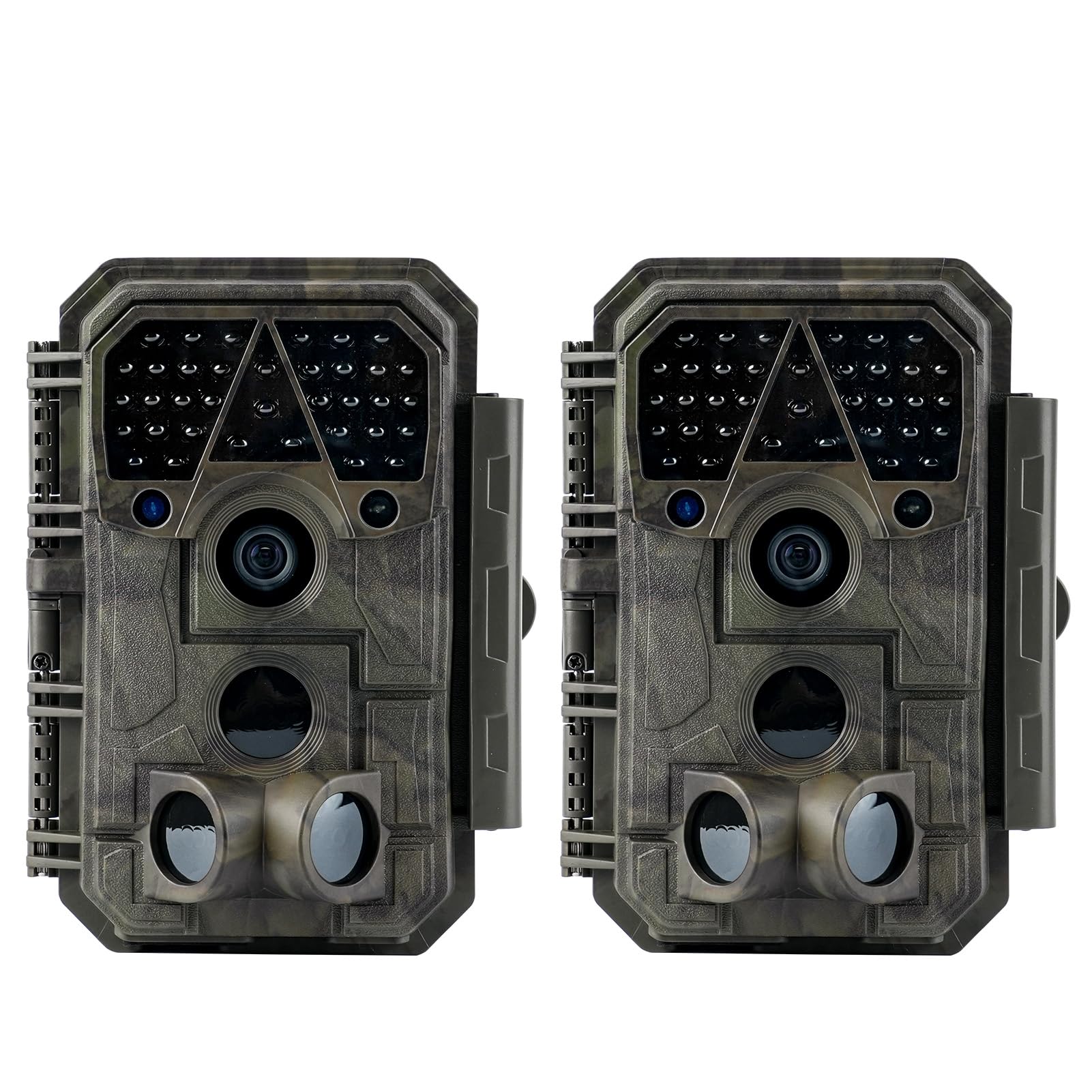
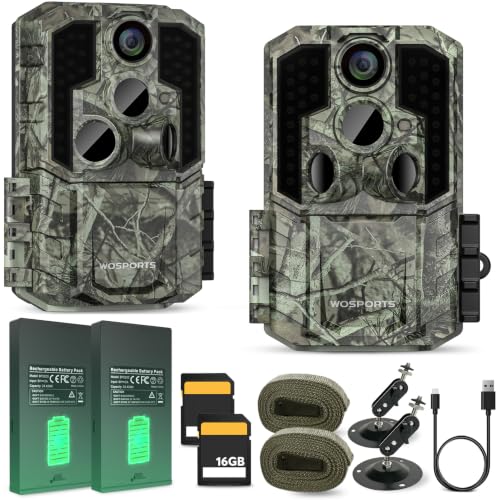
This is the cheapest type and the core of the budget market. It stores everything on its card and needs no signal at all, so it works in deep woods and dead zones. You collect photos when you visit, which suits hunting land and remote pasture. If your budget later grows, see our guide to the best game cameras for longer range models.
WiFi and Bluetooth Game Cameras
These models add a short range wireless link, so you can view and download photos from a phone while standing near the camera. There is no monthly plan. This type suits yards, coops and feeders close to home, where pulling a card each time would be a nuisance. For general photography cameras rather than trail use, see our guide to the best cameras affordable.
Cellular Game Cameras That Send Photos
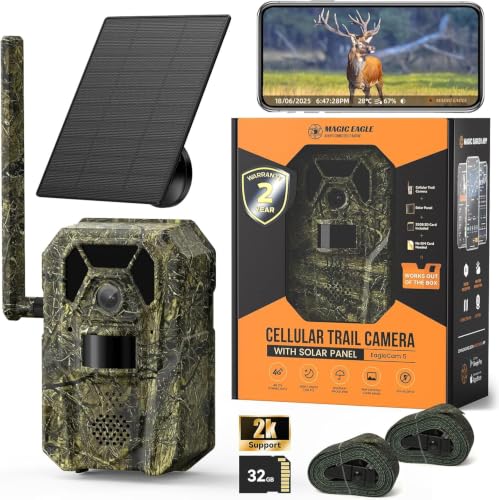
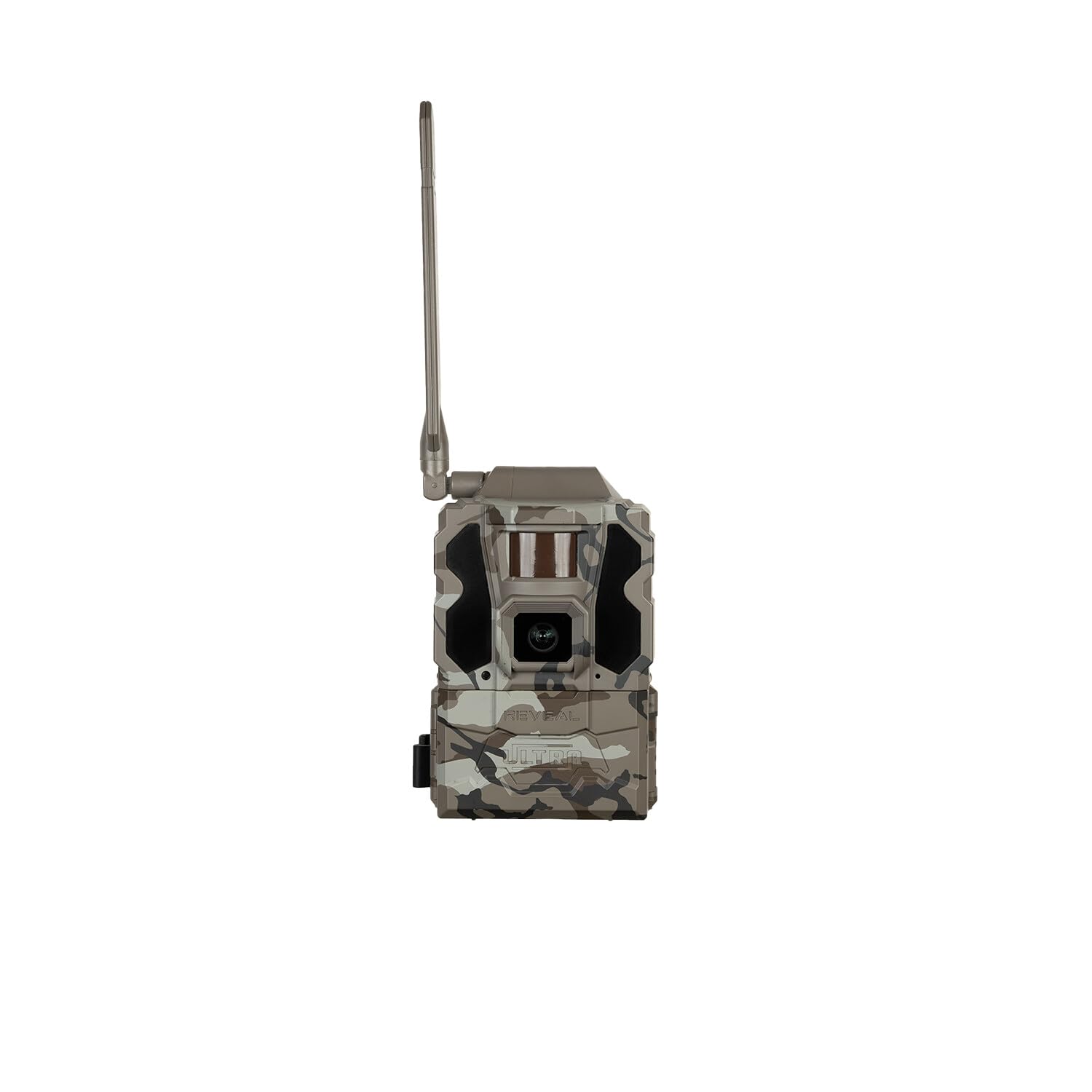
A cellular model sends preview photos to your phone over a mobile network and stores full images on its card. That instant notice helps for security, but the camera costs more and needs a paid plan. If that delivery is what you value most, see our guide to the best cellular game cameras.
Placement and Setup for Clear Photos
Mount the camera about 3 to 4 feet above the ground on a firm tree or post, and aim it along the trail rather than straight across it. An animal walking toward the lens stays in the sensing zone longer, which gives even a slower trigger time to fire. Clear tall grass and thin branches inside the detection zone, because sun warmed vegetation swaying in wind causes many empty photos.
Face the camera north when you can, or into shade, so direct sun does not wash out images or heat the sensor housing and cause false triggers. Before you leave, walk past the spot at animal height and check the test images, then set the date and time.
Common Mistakes to Avoid
- Buying on the highest megapixel claim leaves you with large files and no extra real detail.
- Aiming straight across a fast trail records tails and empty frames instead of full animals.
- Mounting too high makes the sensor look over passing animals and misses smaller game entirely.
- Skipping a security box near a road or public path invites theft of both camera and card.
- Checking the camera too often spreads scent and noise that can push game to new routes.
- Mixing old and new batteries drains the whole set early and can stop the camera mid season.
Care and Maintenance for Game Cameras
Bring the camera home between seasons and store it dry with the batteries removed, because stored cells can leak and ruin the contacts. Wipe the lens, the sensor window and the flash cover with a soft dry cloth, and clear dirt from the housing seal before you close the door. Check the strap for sun damage each time you hang the camera again.
Format the memory card in the camera itself after you have saved the photos you want, because formatting on a computer can leave a file layout the camera reads poorly. Inspect sample images for fogging inside the lens, which points to moisture past the seal.
FAQ
How much should I spend on a first affordable game camera?
Around $50 to $80 buys a sound first camera with fast enough triggering and a dark flash. Spend the rest of your budget on the parts people forget: two memory cards, spare batteries, and a security box if the site is public. A second cheap camera often teaches you more than one costly one, because two spots reveal which trail an animal uses first.
Do affordable game cameras need cell service or a monthly plan?
No, standard and WiFi models need no cell service and no plan at all. They record to a card in places with no signal, and you view the photos when you visit. Only cellular models need coverage and a plan, and they still record to the card when the signal drops, so a weak signal costs you instant delivery rather than the photos.
What size memory card does an affordable game camera need?
A 32 gigabyte card holds thousands of still photos and suits most single camera setups. Choose 64 or 128 gigabytes if you record video often or check the camera only every few months. Buy cards sold for cameras rather than the cheapest bulk cards, because a card that fails in the field loses a whole season of records.
How long do batteries last in an affordable game camera?
A set of AA batteries often lasts about three to six months for still photos, and far less with heavy video use. Lithium AA cells hold up better in freezing weather and are worth their higher price for winter sets. Turn off video for the first week at a new site, and you will learn your own camera's pace before the season matters.
Can an affordable game camera be used to watch a home or driveway?
Yes, a game camera can watch a driveway, a gate or an outbuilding, and it needs no wiring or network. Expect a short delay and no instant alert on standard models, so it works as a record of what happened rather than a live warning. Aim it where vehicles must slow down, such as a gate, so plates and faces stay in frame longer.
The Bottom Line
Choose detection speed and flash type first, then battery life and card size, and let price settle what is left. A standard card based model under $100 covers most hunting, farm and yard needs without any monthly cost. Compare the finalizts in the product table above.
When you shop for best affordable game cameras with those priorities in order, a modest camera will tell you what moves on your land, night after night.


