
Best Affordable Elliptical Bike: Budget, Midrange, and Premium Choices for 2026
Disclosure: We may earn a commission when you buy through links on this page, at no extra cost to you. As an Amazon Associate I earn from qualifying purchases. Learn more

Compare the best affordable elliptical bike at every price point. Learn what you get at budget, midrange, and premium levels and where spending more pays off.
An elliptical bike combines an elliptical stride with a bike seat, so you can train standing or seated on one compact machine. Prices run from under $200 to well over $1,000, and the listings rarely explain what the extra money changes. This guide to the best affordable elliptical bike breaks the market into clear budget tiers, shows which features earn their cost, and helps you match a machine to your room and routine. Start with the comparison table below, then use the tiers to set a budget you will not regret.

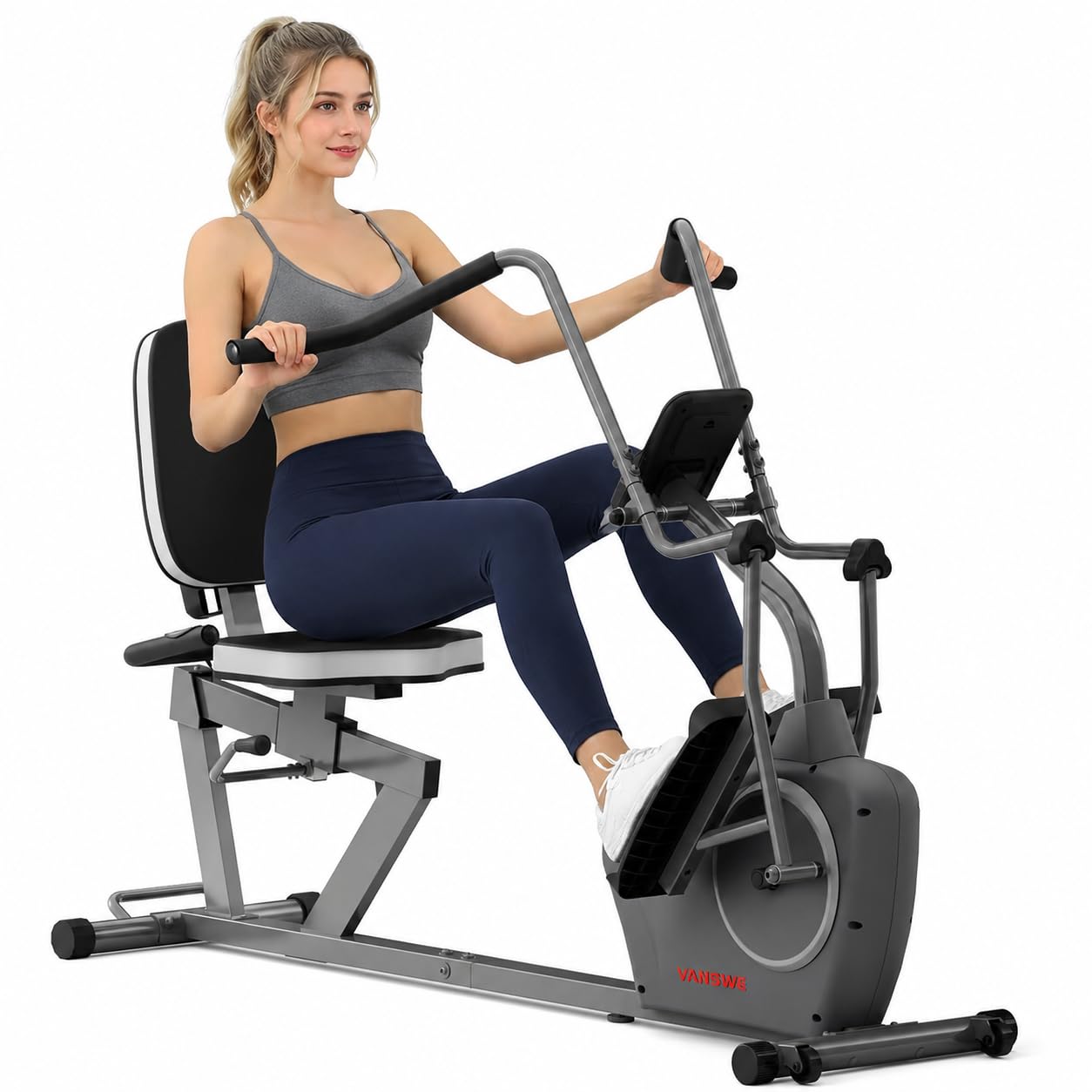


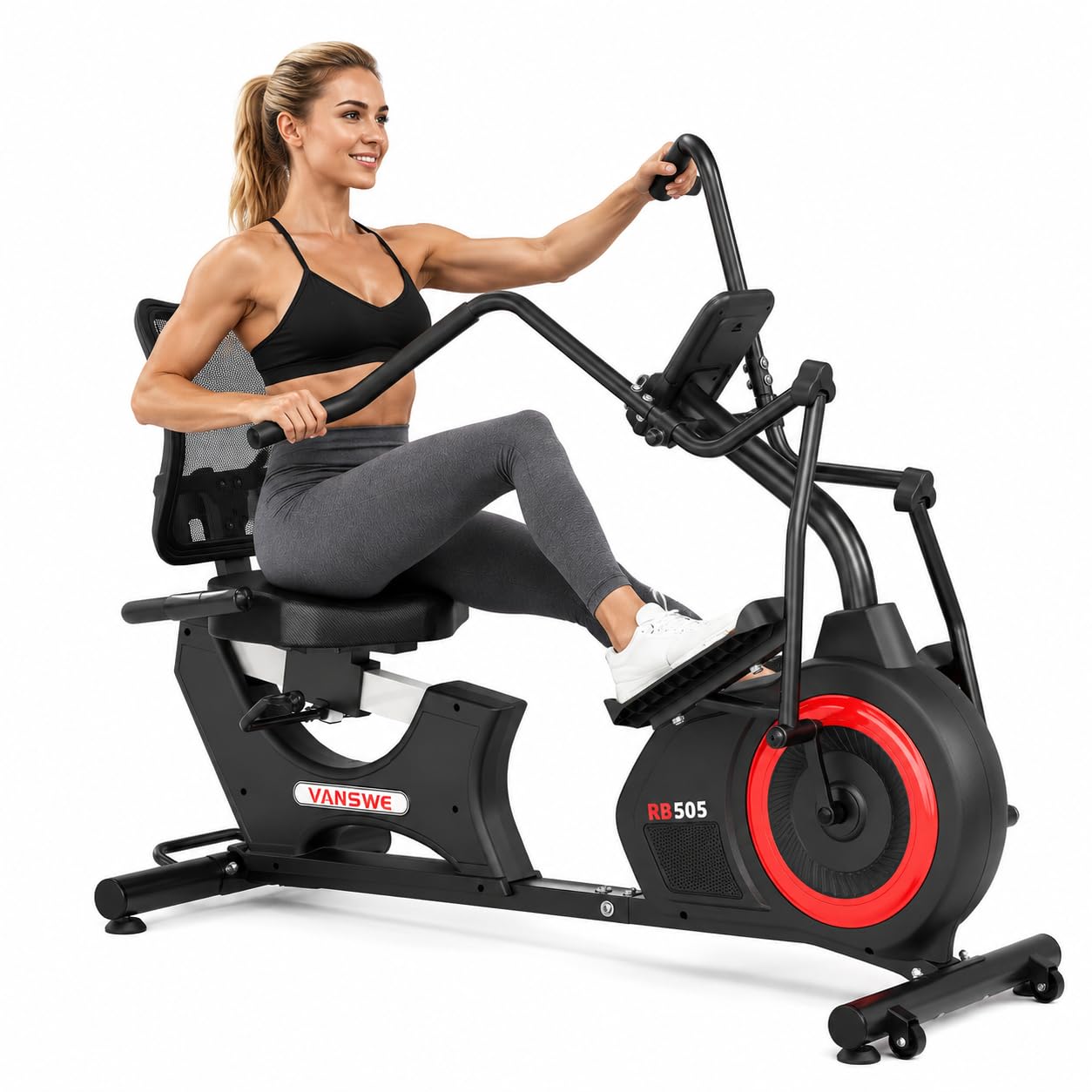
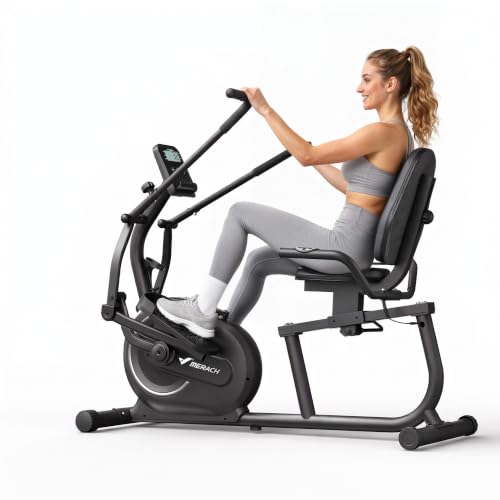
Choices by Budget: What Each Tier Looks Like
Use these profiles to grade any model you find. A machine that matches the profile for its price is fairly priced, and one that falls short should be cheaper or skipped.
Best Budget Profile
Around $200 to $350, a sound budget machine gives you a steel frame, magnetic resistance with a manual dial, a basic monitor for time, speed, and calories, and a seat that adjusts up and down. Stride length is short, often 11 to 13 inches, which suits seated pedaling and gentle standing work. The strengths are price, small footprint, and quiet operation. The limit is stability at higher effort, since lighter frames can rock when a heavier rider stands and pushes hard. This profile suits light daily exercise and rehab style movement at an easy pace.
Best Midrange Profile
Around $350 to $600, machines add a heavier flywheel, more resistance levels with electronic adjustment on some models, a longer stride near 13 to 15 inches, and a seat that also slides forward and back. Pulse sensors on the handles and preset programs appear at this tier. The ride feels smoother, and the frame stays planted during standing intervals. This profile suits most home users who train three to five times a week and want both seated and standing options without paying for a full club style elliptical.
Best Premium Profile
Around $600 to $900, premium affordable machines bring weight capacities near 300 lb, larger flywheels for a steadier stride, Bluetooth links to fitness apps on some models, and quieter, smoother magnetic drives. Warranties lengthen, and parts such as pedals and seat rails feel sturdier. The limit is size, since these machines are longer and heavier and harder to move between rooms. This profile suits heavier riders, tall users who need stride room, and households where two or more people will share the machine every day.
What Your Money Gets You at Each Price Tier
The pattern across tiers is consistent. Money buys smoothness, stability, and capacity first, and screens and programs second. Keep that order in mind when a listing leads with a large display on a light frame.
Budget Tier: What to Expect
Expect manual resistance, a simple battery powered monitor, and a compact frame that one person can move. Assembly is usually straightforward, with fewer parts than larger machines. What you give up is stride length, top resistance strength, and fine seat adjustment. For seated exercise, gentle standing sessions, and small rooms, those trade offs are reasonable. Just confirm the weight capacity with a margin above your body weight, because budget frames flex more as you approach their limit.
Midrange Tier: The Sweet Spot for Most Buyers
Most buyers land happily here. You gain a smoother magnetic drive, a sturdier seat post, and enough resistance range to grow from easy spins to hard seated climbs. If you are comparing this hybrid style with a standard machine, our guide to the best affordable elliptical machine explains what a full size elliptical adds in stride and cost. For a two in one machine that you will use for years, this tier balances price, comfort, and durability better than the rest.
Premium Tier: When Spending More Pays Off
Spending more pays off when the machine must fit a tall or heavy rider, survive daily use by several people, or deliver resistance strong enough for athletic training. Better bearings and rails also stay quiet longer, which matters in shared homes. If your use is light and mostly seated, the premium tier adds little you will feel. Put the savings toward a floor mat, a fan, and good shoes instead.
Features Worth Paying For and Ones to Skip
Four checks decide most of your satisfaction with this type of machine. Run through them in order before you compare colors, screens, or program counts.
Build Quality and Weight Capacity
A steel frame with a wide rear stabilizer is the base of a steady ride. Check the stated weight capacity and keep at least 30 to 50 lb of margin above the heaviest regular user, because capacity ratings assume smooth pedaling rather than hard standing efforts. Heavier flywheels, usually listed in the specs, smooth out the dead spot at the top of each stride. If a listing hides flywheel weight and capacity, treat that silence as a warning sign.
Space, Footprint, and Ceiling Height
Measure your floor space and add room to mount from the side, since the seat sits between the pedals. Most models need about 2 by 4 feet of floor, plus clearance behind for the pedals at full extension. Ceiling height matters less than with a full elliptical because your head rises less while seated, but standing use still lifts you by the pedal height. Foldable and compact designs exist, though most elliptical bikes simply rely on transport wheels. Roll the machine to its spot before assembly if your doorway is narrow.
What You Can Realistically Get on a Budget
Around $250, expect honest magnetic resistance, a workable seat, and a simple monitor, but not app connectivity, a long stride, or a high weight capacity. Do not save money by accepting chain drive noise or a seat that only fits one body position. A poor seat makes every session shorter. Spend first on frame stability and seat adjustment, and let the display be basic, since a phone on the console tracks workouts well enough.
Noise Level for Apartments
Magnetic resistance is the quiet option, with no contact between the brake and the flywheel, so the main sounds are your breathing and light mechanical motion. Belt drives stay quieter than chain drives as parts age. Place the machine on a dense mat to absorb vibration through floorboards, and tighten all bolts after the first week, because small clicks usually trace to a loose stabilizer. With those steps, early morning sessions rarely trouble neighbors below.
Picking the Right Elliptical Bikes for Different Uses
Your main use should fine tune the tier you pick. Walkers recovering from injury favor seated stability and a low step over height. Cardio trainers favor resistance range and a seat that locks firmly for standing work. Shared household machines favor capacity and simple controls everyone accepts.
Best Affordable Elliptical Bikes for Beginners: Where Your Money Goes
For best affordable elliptical bikes for beginners, money should go to stability, a seat that adjusts in two directions, and clear, simple controls rather than programs. New users quit machines that wobble or confuse them, so a steady frame and a monitor with one big start button beat a screen full of modes. Start with short seated sessions and add standing intervals slowly. Stop and seek medical advice if you feel chest pain, sharp joint pain, or dizziness, and talk with a clinician before starting if you have a heart condition or recent surgery.
Long Term Costs to Factor In
Ownership costs stay modest. Budget for a floor mat around $40 to $80, replacement batteries for the monitor, and a new seat or pedal straps after a few years of heavy use. Machines with electronic resistance need a power adapter and a nearby outlet, which can limit placement. Warranty terms vary widely, from one year on parts at the budget end to several years on frames at the premium end, so read the frame coverage closely. Readers weighing this style against a trainer format can compare our guide to the best affordable elliptical trainer for the cost and space contrast, and those curious about ratings can see our guide to the best rated elliptical bike for what reviewers reward. A longer frame warranty is worth real money on a machine you use daily.
Frequently Asked Questions
Is a subscription required for an elliptical bike?
No subscription is required on most affordable models, which use simple monitors and preset programs built into the console. A few connected models offer optional app memberships for classes and tracking, but the machine still works without paying. Check whether basic resistance control depends on an app before buying, because a machine that needs a phone for every session annoys many users. Free apps can log your rides if you want records.
How long does an elliptical bike last?
A midrange machine used four times a week typically lasts five to eight years. The frame rarely fails first. Seats, pedal straps, and resistance cables or knobs wear sooner and are cheap to replace. Wiping sweat from the frame after sessions prevents rust at bolt points, and keeping the machine indoors away from garage humidity protects the flywheel and electronics. Budget models under hard daily use may feel loose sooner.
Which elliptical bike is better for beginners?
A midrange model with a stable frame, two way seat adjustment, and manual or simple electronic resistance suits beginners best. It forgives uneven pedaling and grows with you for years. Very light budget models can rock enough to unsettle a new rider standing up. If balance is a concern, begin seated only, hold the fixed handles, and add standing work once your legs feel steady through a full session.
How much space do I need for an elliptical bike?
Plan on about 2 by 4 feet for the machine, plus a foot of clear space on the side where you get on and off. Seated use keeps your head low, so standard ceilings are fine, and standing use adds only pedal height. Measure doorways if the machine must move rooms, since assembled units are awkward to tilt. Transport wheels help on hard floors but struggle on thick carpet.
Is an elliptical bike quiet enough for an apartment?
Yes, a magnetic model on a mat is among the quietest cardio machines you can own. There is no foot strike impact, and the drive runs with a soft whir that rarely carries through a floor. The main risk is vibration from an uneven floor or loose bolts, both easy to fix. If you share walls, avoid the earliest hours for hard standing intervals until you know how sound travels in your building.
Final Thoughts: Best Affordable Elliptical Bike
Choose your tier by capacity and stability first, then seat comfort, then resistance smoothness, and let screens come last. The product table above lets you compare those points across current models at a glance, and our guide to the best hybrid elliptical bike covers close variations of this design. Fitted to your body and your room, the best affordable elliptical bike makes daily low impact training easy to start and easy to keep.


