
Best Affordable Cross Training Shoes: Which One Fits the Way You Use It? A 2026 Guide
Disclosure: We may earn a commission when you buy through links on this page, at no extra cost to you. As an Amazon Associate I earn from qualifying purchases. Learn more

Learn how to choose the best affordable cross training shoes by fit, cushioning, and stability, with sizing, care, and budget guidance for your training.
There is no single training shoe that suits every workout, because lifting, classes, court drills, and short runs each load your feet in a different way. A shoe that feels stable under a barbell can feel stiff and slappy during sprints, while a soft runner can wobble during side to side work. This guide to best affordable cross training shoes starts with how you train, then matches fit, sole shape, and budget to that routine.
Check the comparison table below for heel height, toe box width, and weight at a glance. Then work through the profiles and feature notes that follow before you order. The right affordable trainer is the one that disappears during your most common workout, not the one with the longest feature list.
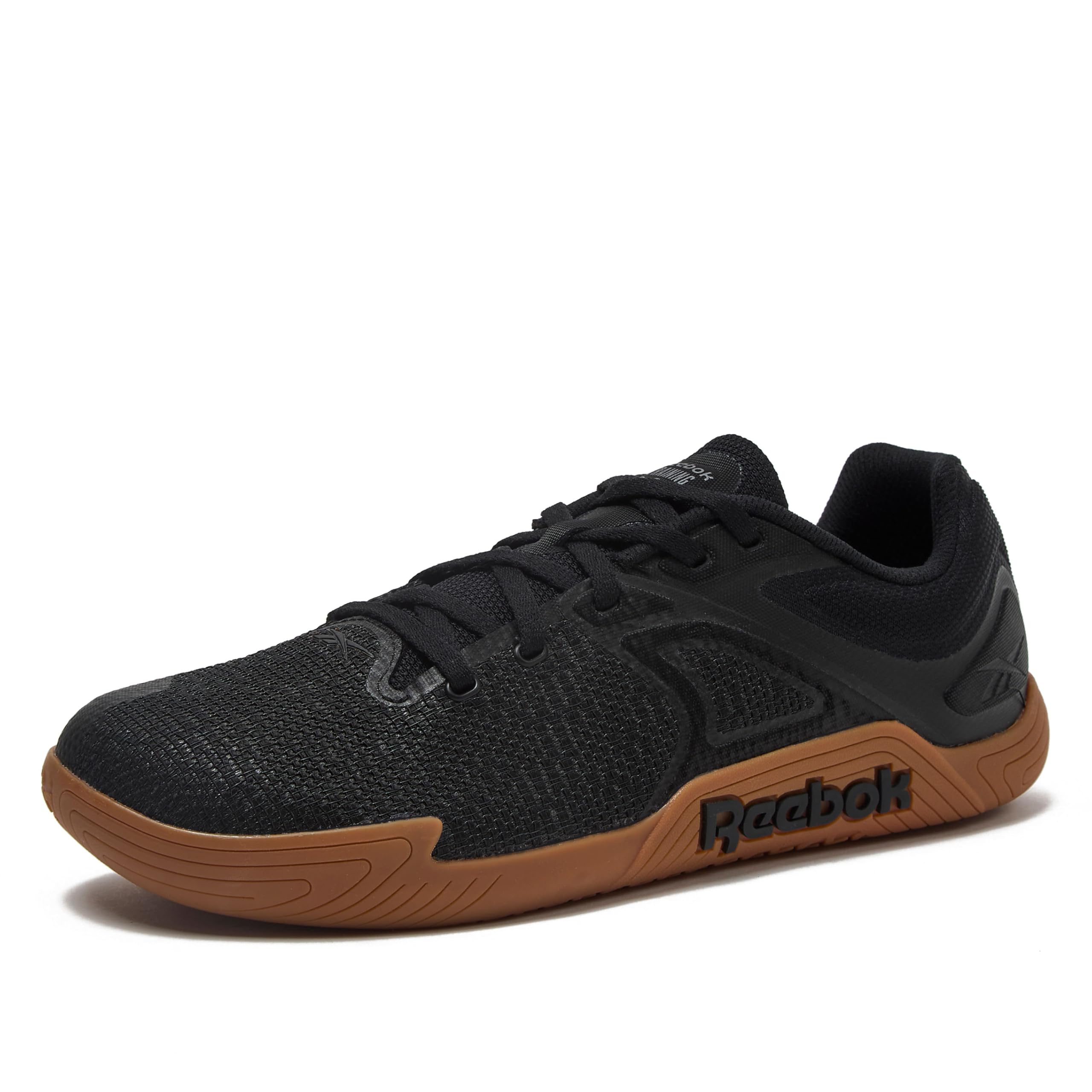
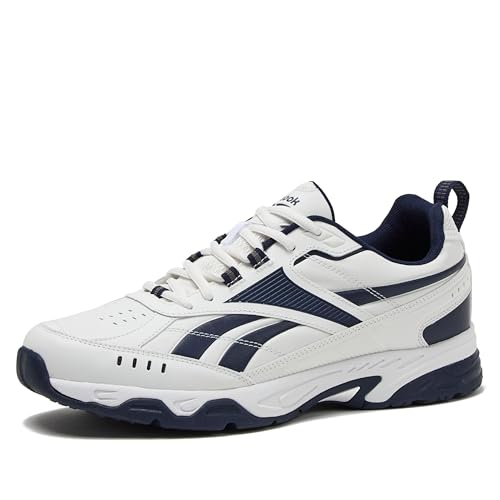


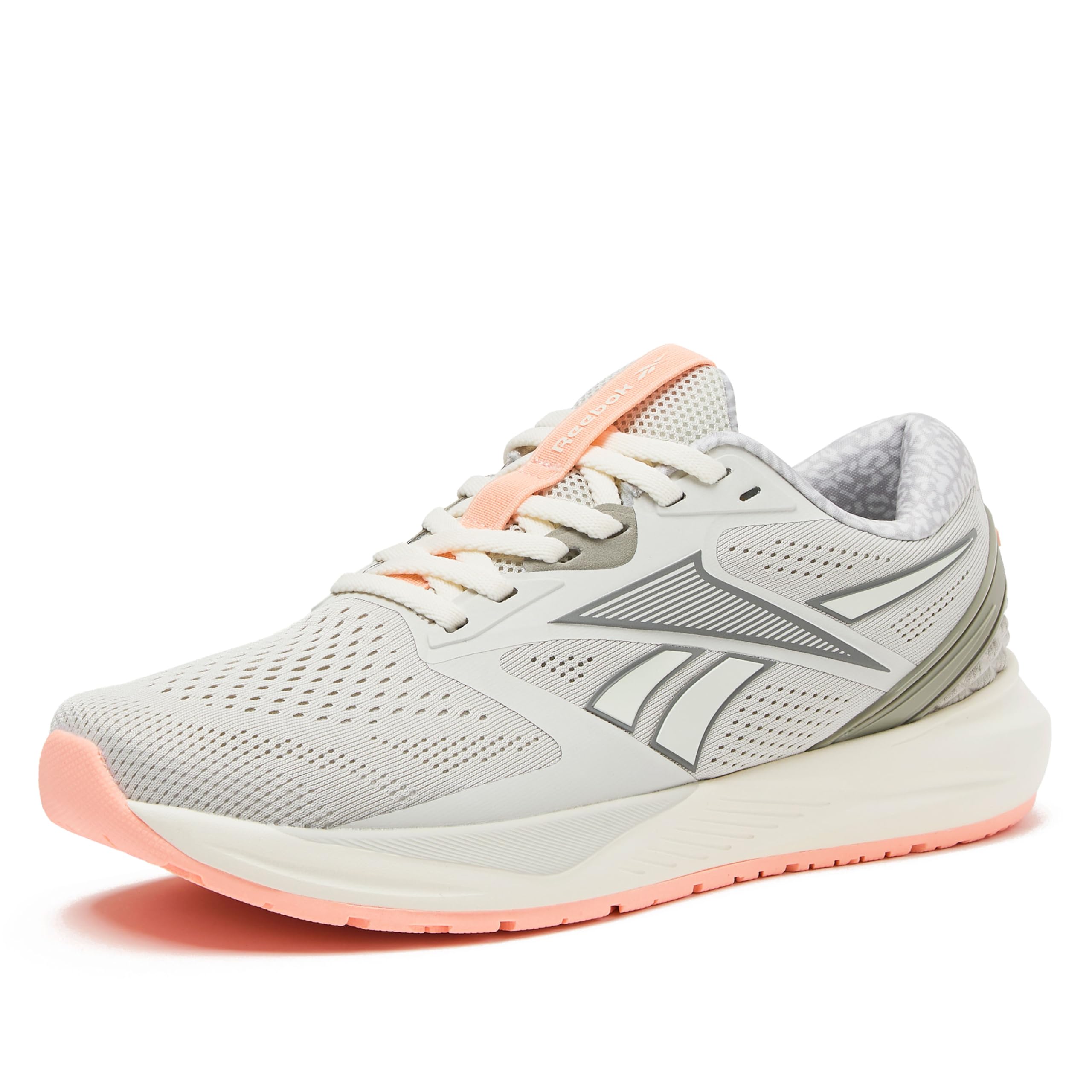
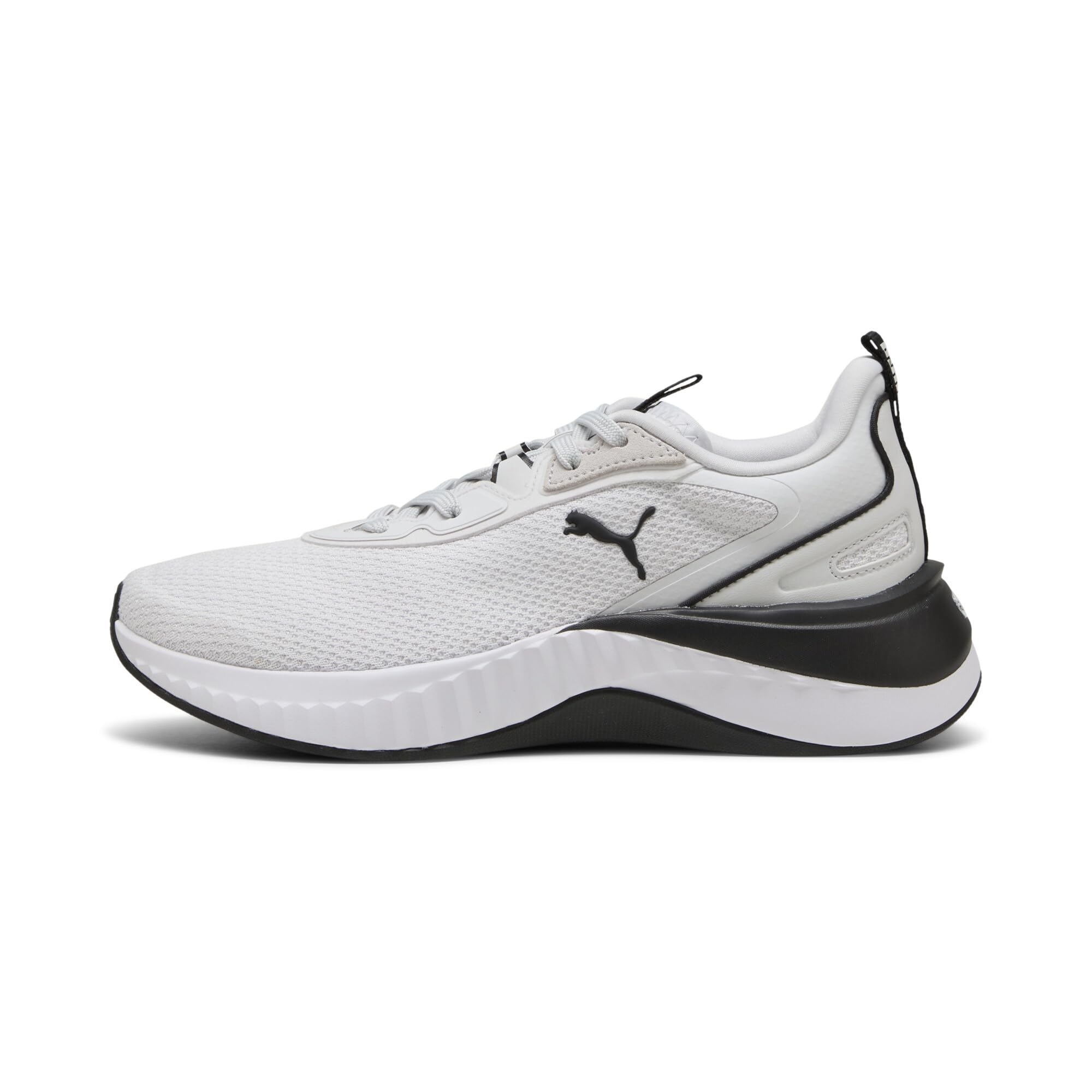

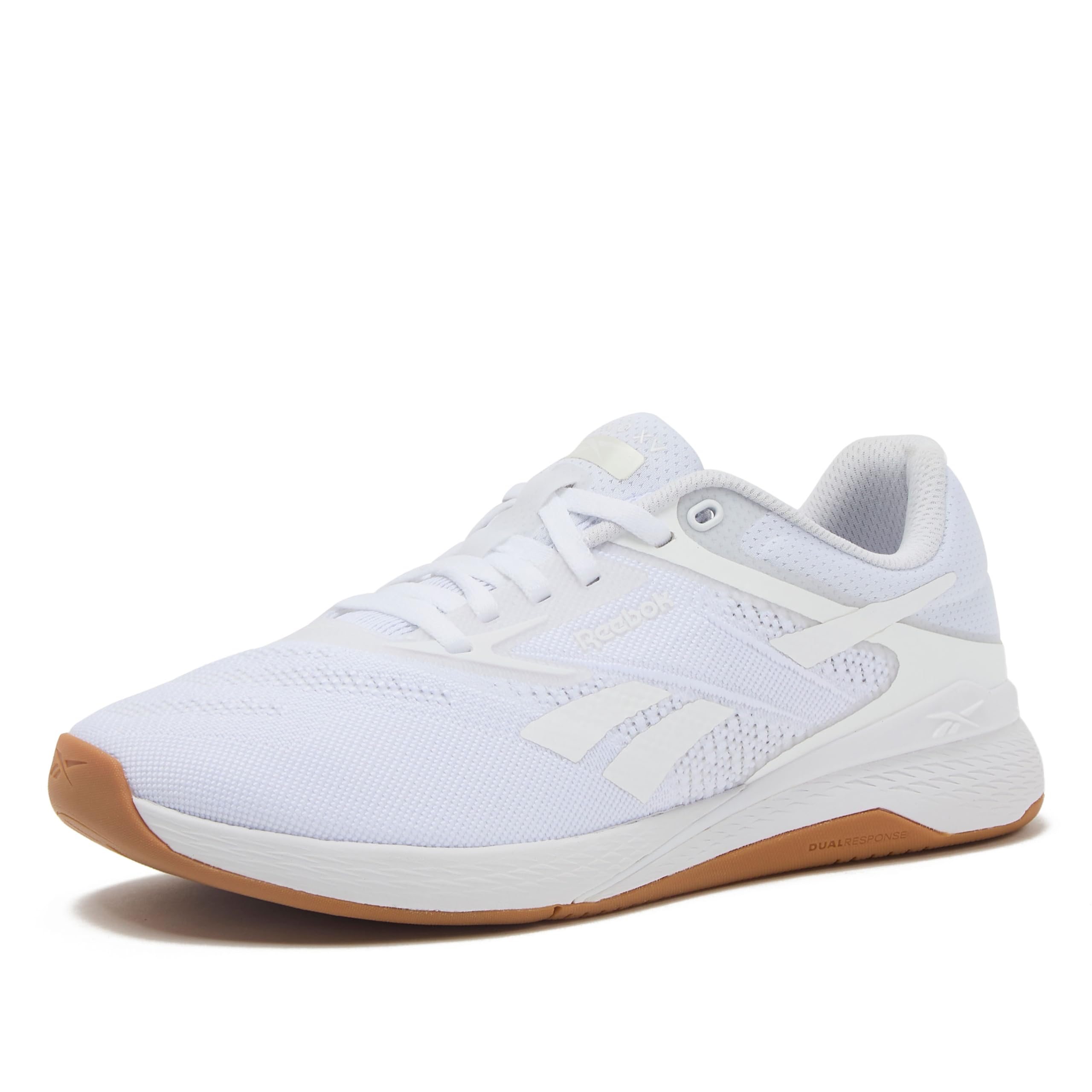
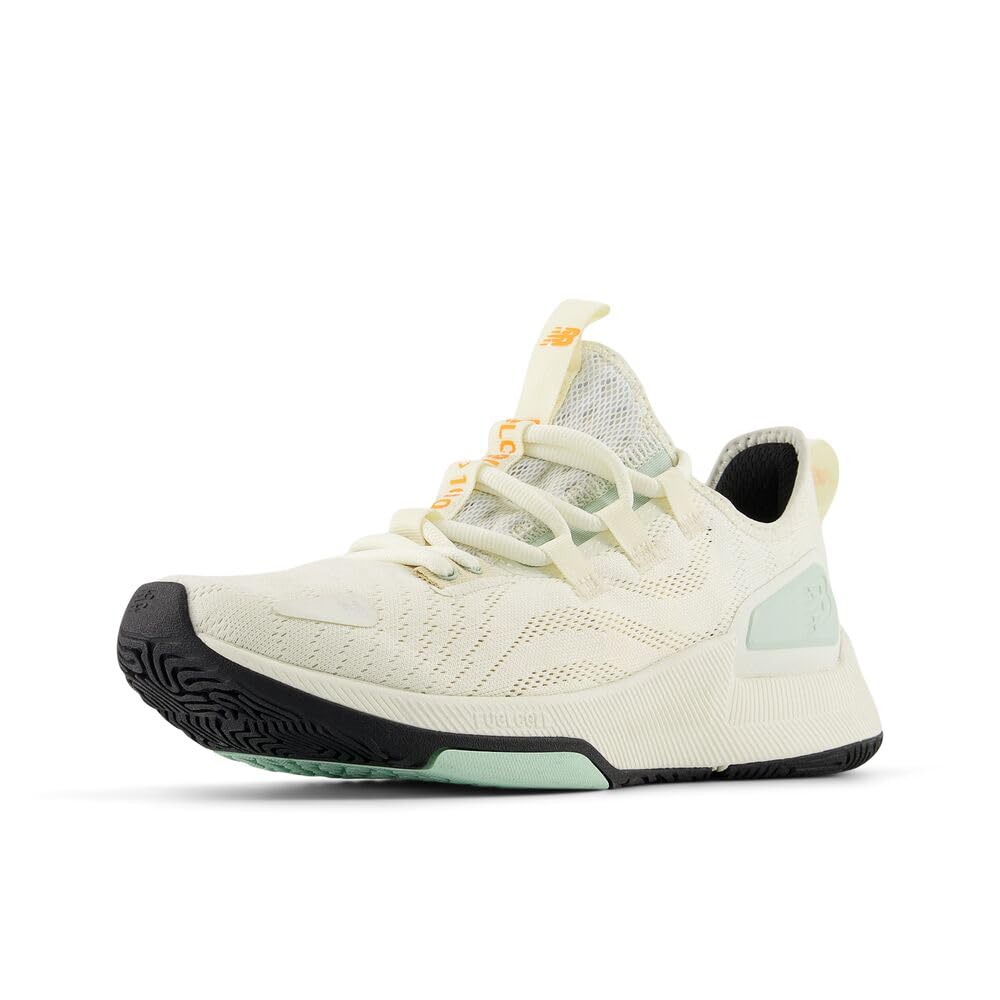

Who Should Buy Affordable Cross Training Shoes?
Your weekly routine is the best filter you own. The profiles below group buyers by training style and space, and each one points to a different sole, upper, and budget. For a wider view of the category at all prices, see our guide to the best cross training shoes after you find your profile. The same checks apply as you shortlist the best affordable cross training shoes.
For Weekend Beginners
Weekend beginners need a forgiving, general purpose shoe that handles a class, a walk, and light weights without complaint. Look for moderate cushioning, a flexible forefoot, and an upper that feels comfortable from the first wear rather than one that needs weeks of softening. A budget around $50 to $80 covers this need well.
Skip very flat lifting focused soles for now, because your training is varied and comfort will decide whether you keep showing up. A secure heel and a roomy toe box matter more than aggressive styling.
For Frequent or Serious Users
If you train four or more days a week, durability and stability deserve a bigger share of your budget. Look for a firmer heel for lifting, strong side walls on the upper for lateral moves, and an outsole with flat contact in the heel and grip in the forefoot. Expect to pay about $80 to $130 for a shoe that holds its shape under regular load. Warranty and return terms matter here too, since a shoe that fits in the store can still fail you under real training weight, and a trial window protects that spend.
For Small Spaces and Easy Storage
Home trainers working in a living room or garage need a light, flexible shoe that stores in a small bin and travels well. A knit or mesh upper folds flatter than a stiff leather one, and a moderate sole protects floors better than an aggressive trail tread. Choose grip that works on wood, tile, and mat surfaces without marking them. If you train barefoot at home for some sessions, pick a shoe with a smooth inner lining that also feels fine for short workouts in thin socks.
Key Features to Compare
Four features decide whether a trainer suits your week. Judge each one against your hardest regular session, not your easiest, because that is where a poor match shows up first.
Weight and Flexibility
Light shoes feel quick during classes, jumps, and drills, while heavier shoes often feel calmer and more planted under load. Flexibility should live in the forefoot, where your foot bends at push off, while the midfoot should resist twisting so landings stay controlled. Bend a shoe in your hands before wearing it out, and reject any pair that folds in the middle like a slipper. If your week mixes lifting days and conditioning days, one balanced shoe beats an extreme shoe in either direction for most people.
Fit, Sizing, and Toe Box
Measure your feet in the afternoon, when they are at their largest, and shop with your training socks on. You want a thumb width of space in front of your longest toe, a heel that stays put without hard pressure, and a toe box wide enough for your toes to spread during squats and landings. Many affordable lines run narrow, so wide sizes are worth seeking out rather than sizing up, which adds length without adding useful width. If pain, numbness, or recurring blisters persist after a careful fit check, stop and talk with a qualified professional about your feet and training load.
What You Can Realistically Get on a Budget
For about $50 to $90 you can realistically get a stable heel, decent grip, and an upper that lasts a season or more of regular training. What you usually give up is premium foam that stays lively for years, locked in lateral support for very heavy lifting, and brand level durability of stitching and overlays. Do not save money by accepting a narrow fit or a soft, tall heel, because both flaws affect every rep.
Spend first on fit and heel stability, and let color and extra cushioning technology go. Men sizing across brands can compare notes in our guide to the best cross training shoes for men.
Waterproofing (Gore Tex and Membranes)
Most gym training needs no waterproofing at all, and a membrane adds cost, warmth, and stiffness you will feel in every class. Choose a waterproof model only if you train outdoors in wet weather, walk to the gym in rain, or do winter boot camp sessions. For indoor use, a breathable mesh upper keeps feet cooler and dries faster after a hard session. Water resistant sprays can add light splash protection to a regular trainer for far less money, though they need reapplying and never equal a sealed membrane.
Common Mistakes to Avoid When Buying Cross Training Shoes
- Buying a running shoe for lifting, then wondering why your heels feel unstable during squats and presses.
- Judging by price or color alone and ignoring weight, flexibility, and heel shape.
- Ordering your dress shoe size without measuring, since training shoes vary widely between brands.
- Keeping a pair that pinches in the store and hoping training will stretch it into comfort.
- Skipping the return policy check, even though fit under load is hard to judge in a living room try on.
Setup and Care Tips
Break in a new pair over two or three short, easy sessions before a hard workout, so your feet and the foam adjust gradually. Air dry wet shoes away from direct heat, since a radiator or dryer can warp foam and loosen glue lines. Rotate two pairs if you train daily, giving each pair a day for the cushioning to recover and the lining to dry.
Replace training shoes when the outsole smooths out, the heel starts to collapse to one side, or new aches appear, which often happens after about six to twelve months of regular gym use. Loosen the laces fully before taking shoes off to protect the heel lining.
Frequently Asked Questions
How long is the break in period for cross training shoes?
Most modern trainers feel right within two to four sessions, because knit and mesh uppers need little softening. A shoe should never hurt during this period, since pressure points and heel slip rarely improve with wear. One useful check is a short session of your hardest move, such as a lunge or a box step, done at home during the return window. If the shoe passes that check for comfort, it will usually pass a full class as well.
How often should I replace my cross training shoes?
Replace them when grip, stability, or comfort clearly declines, often after about 300 to 500 miles of combined wear or six to twelve months of regular training. Lifting heavy shortens the useful life of the heel foam, while daily classes wear the outsole faster. A simple check is to set the shoes on a flat surface and look from behind, since a heel leaning inward or outward signals worn support. Keeping a training log date on the box helps you judge age honestly.
How should cross training shoes fit?
They should fit snug through the heel and midfoot, with room for your toes to spread in front. Your heel should stay seated during lunges and lateral shuffles, and no toe should press the front when you push off. Try both feet, since most people have one foot slightly larger, and fit to the larger one. If you split time between training and running errands, our guide to the best shoes for cross training and running explains the trade offs of hybrid use.
Can I wear cross training shoes all day?
You can wear them all day for errands, casual work, and travel, and many people find the firm support comfortable for standing. They are not ideal as your only walking shoe if you cover long distances daily, because the flatter, firmer sole can tire calves and arches over many miles. For all day wear, rotate with a cushioned walking shoe when you can. Women comparing fits across lines can also see our guide to the best women's cross training shoes for width and sizing notes.
Are expensive cross training shoes worth it?
Expensive trainers are worth it for frequent users who need durable uppers, stable heels under heavy load, and foams that stay responsive for a year or more. The gain shows up in month six, not week one, since budget shoes often feel fine at first. Occasional trainers gain little from premium pricing and do better spending on correct fit. If you favor one major brand, our guide to the best nike cross training shoes shows how that lineup divides by use.
The Bottom Line
Fit first, heel stability second, and forefoot flexibility third. Match those three to your hardest regular session and an affordable trainer will serve you as well as a costly one. Use the product table above to compare current options against that short list. Chosen with care, the best affordable cross training shoes support your training quietly, session after session, without asking for a premium price.


