
Best Affordable Chukka Boots: The Buyer Checklist for 2026
Disclosure: We may earn a commission when you buy through links on this page, at no extra cost to you. As an Amazon Associate I earn from qualifying purchases. Learn more

Compare the best affordable chukka boots by fit, suede and leather uppers, sole grip and support, with a buyer checklist for office, travel and daily wear.
A chukka boot sits between a shoe and a tall boot, with an ankle height shaft and a clean shape that works with jeans and trousers alike. The best affordable chukka boots give you that versatility without paying for rare leather or hand made details. Use the comparison table below to check price, fit, upper material and sole type.
Value here is about smart trade offs, not the lowest tag. A pair around $60 to $150 should offer a secure fit, a sole with real grip and construction that holds through regular wear.

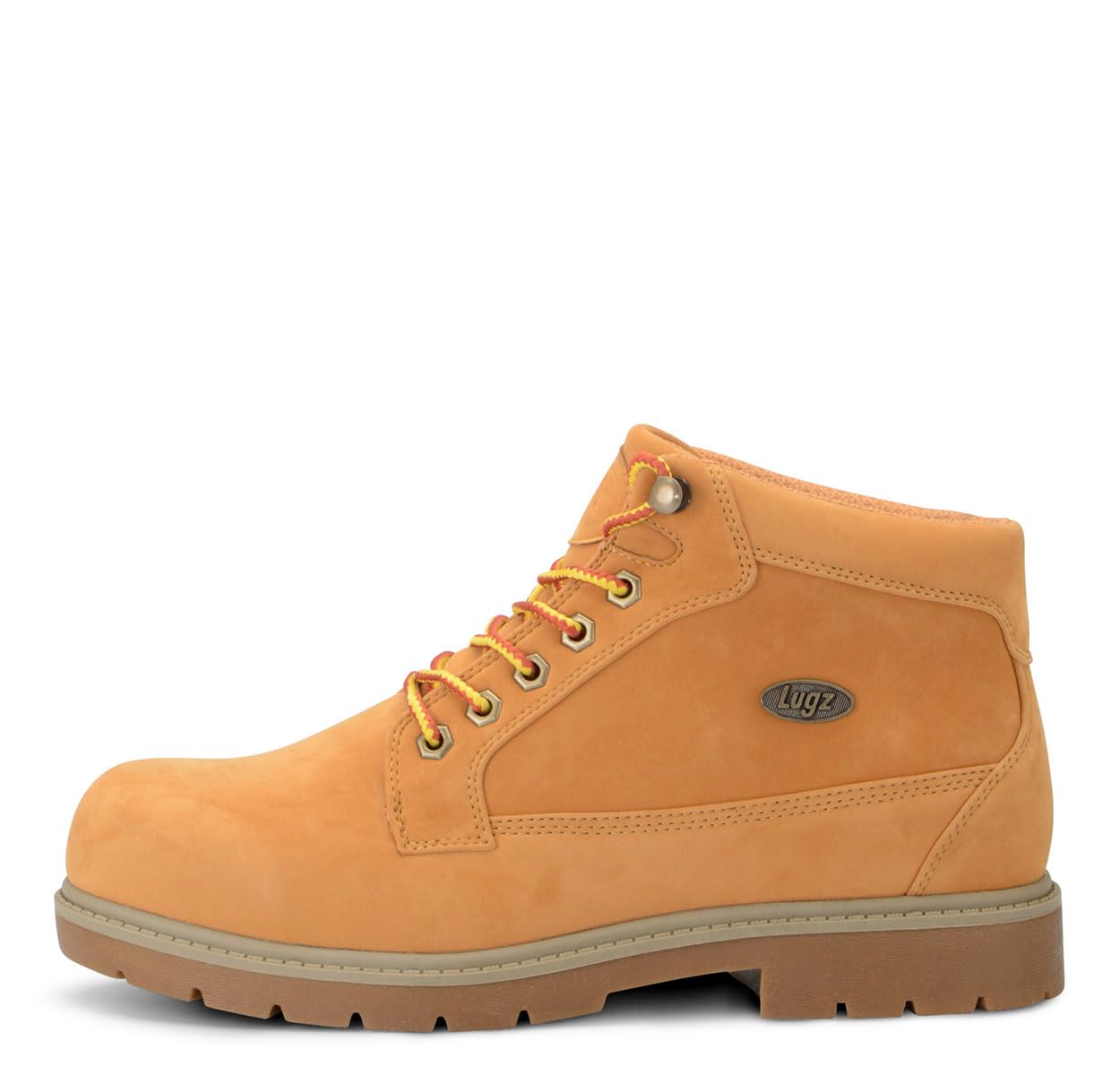


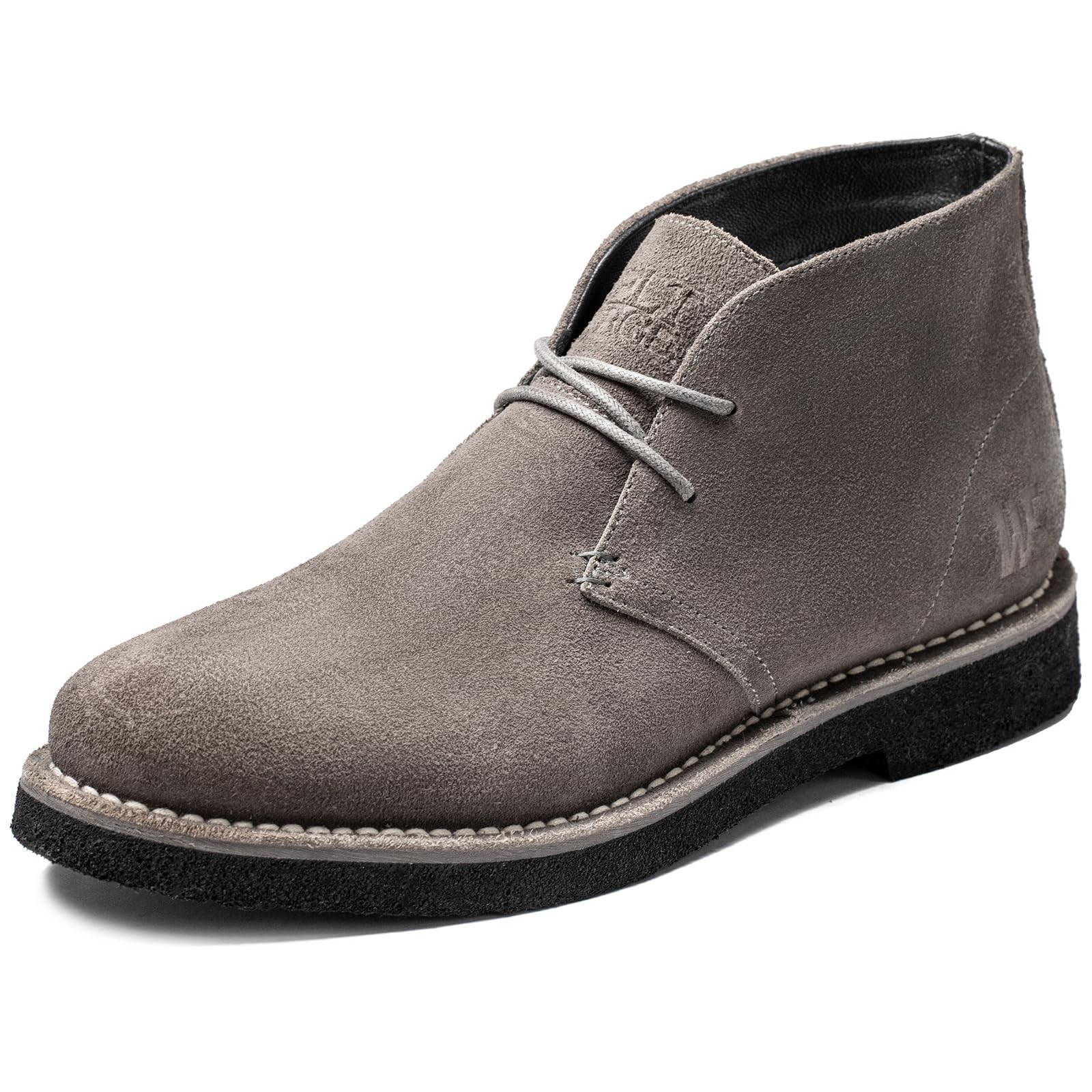

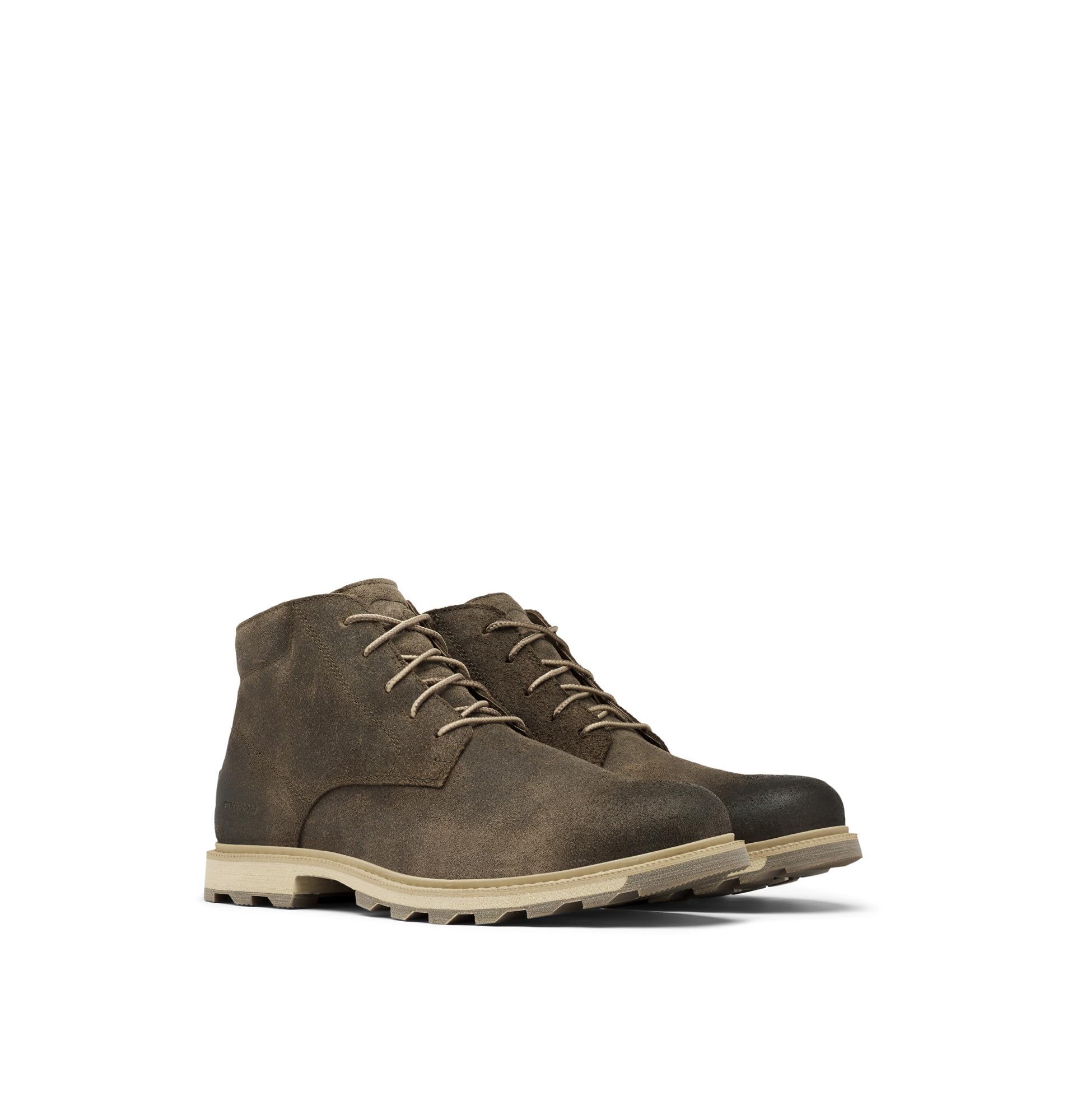
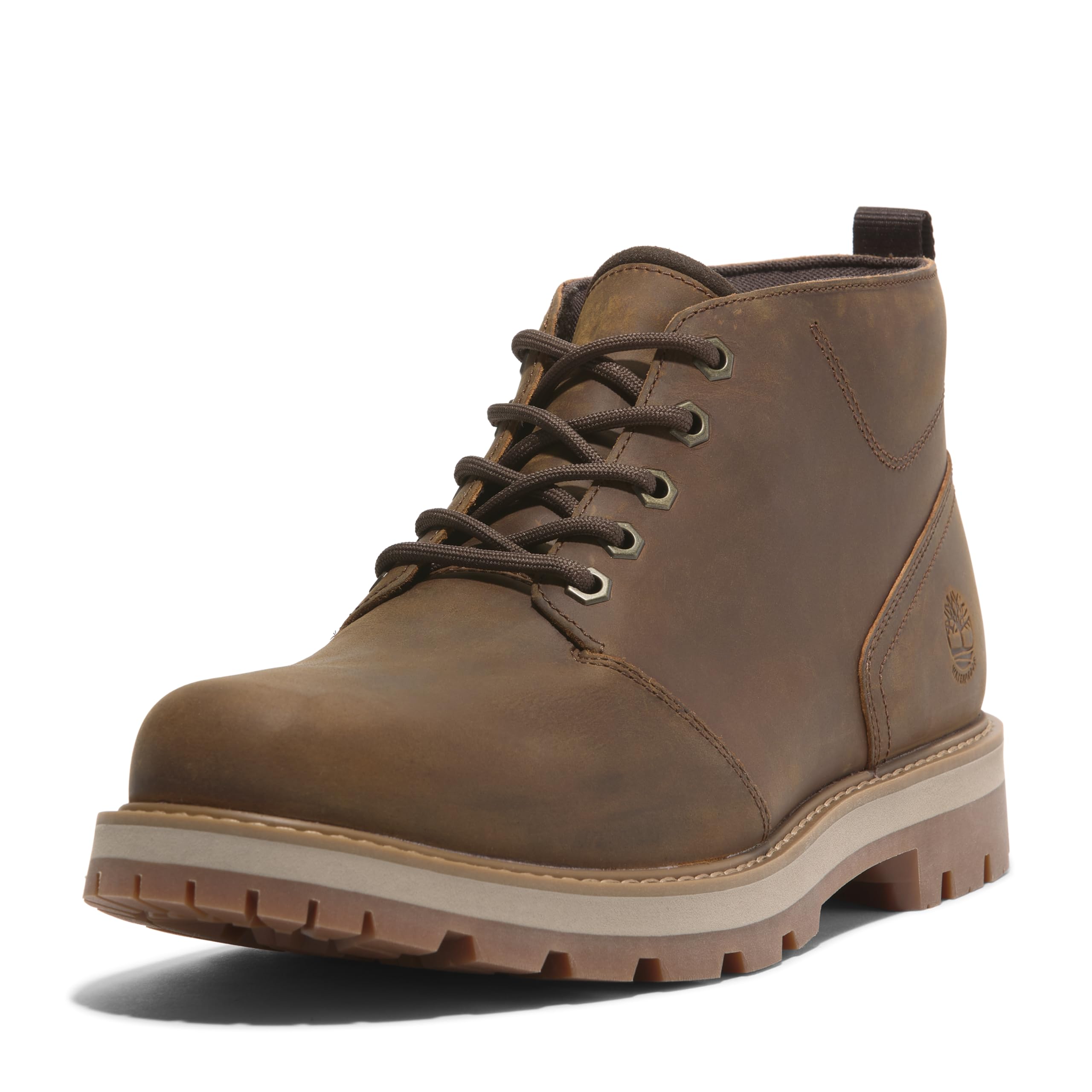

Who Should Buy Affordable Chukka Boots?
Choose this style when you want one pair for work, travel and social wear, without the bulk of a hiking boot or the formality of a dress shoe.
Office Workers Who Want a Relaxed but Polished Look
You need footwear that pairs with chinos and trousers, yet still feels easy after a commute. A smooth leather chukka in brown or black reads neat enough for most offices, and a cushioned insole helps on mixed days of sitting, walking and standing.
Travelers Who Pack One Versatile Pair
You walk on cobbles, airport floors and city streets, then go straight to dinner without changing shoes. A lightweight chukka with a rubber sole gives grip and flexibility in a compact shape. Choose a darker color that hides scuffs, and pick an upper that resists light rain for trips with long outdoor walks.
Students and New Boot Buyers Watching Every Dollar
You want the chukka look for classes, part time work and evenings out, but you cannot justify a premium pair while your size or style may still change. An entry level suede pair shows you how the shaft feels and how much room your toes need. Start with a neutral tan or stone shade that matches most outfits.
Key Features to Compare
Work through these factors in order, because fit and sole choice matter more than color.
Fit, Sizing and Toe Box Room in Chukka Boots
Measure both feet late in the day, when they are at their largest, and shop with the socks you plan to wear most often. Your longest toe should sit about a thumb width from the front, and the toe box should let your toes lie flat without pressing the sides. Chukkas often run narrow, so wide feet may need a wide fitting.
Suede, Smooth Leather and Nubuck Uppers
Suede gives a soft matte finish and feels flexible from the first wear, but it marks easily in rain and needs regular brushing. Smooth leather looks sharper, wipes clean and handles light moisture better once treated, though stiff leather needs more break in time. Nubuck sits between the two, with a dressier feel than suede.
Crepe, Rubber and Leather Soles on Chukka Boots
Crepe soles feel soft and quiet and suit dry pavements, but they can wear smooth and offer limited grip on wet stone. Molded rubber soles with shallow lugs give the most secure footing and last longest at this price. Thin leather soles look formal, yet they feel slippery on wet floors and wear fast outdoors. For all weather walking, choose rubber.
Ankle Height, Eyelets and Lacing Support
Most chukkas rise just above the ankle bone and use two or three pairs of eyelets, so support comes from a close fit rather than tight lacing. The shaft should hug the ankle without digging into the bone when you flex your foot on stairs. Metal eyelets tend to outlast punched holes in thin leather.
Cushioning and Arch Support for Long Days
Affordable chukkas often use a thin foam insole, which feels fine for short trips but can leave the forefoot sore after hours of standing. Look for a removable insole if you use your own inserts, with enough depth to fit one without crowding the toes. Flat feet often do better with a firmer insert, while high arches suit softer heel cushioning. Persistent foot or ankle pain needs advice from a clinician, not a new insole alone, so talk with your clinician about personal needs.
Construction, Durability and Expected Lifespan
Most pairs at this price use cemented construction, where the sole is glued to the upper, which keeps cost down but limits resoling. Stitched construction costs more, yet usually lasts longer and can sometimes be repaired. Check that stitching looks even and that the heel sits level on a flat surface. With rotation alongside another pair, a sound budget pair should serve for several seasons.
Types of Affordable Chukka Boots Compared
The three types below cover most listings, and each suits a different wardrobe. This is also where the best affordable chukka boots separate from pairs that only look similar in photos. For the wider category first, see our guide to the best chukka boots.
Classic Suede Desert Style Chukkas
This is the original casual form, with a soft suede upper, a crepe sole and a relaxed fit that pairs naturally with jeans and chinos. Comfort arrives quickly, since suede flexes with little resistance. Choose it for dry climates and relaxed dress codes, and pass on it if you need wet weather grip.
Smooth Leather Dress Chukkas for Work
A smooth leather upper, a slimmer last and a thin sole give this type the neatest profile of the three. It works with trousers, blazers and dark denim, and it often costs a little more within the budget range. Break in takes longer than suede, so allow short wears first.
Rugged Chukkas With Lug Soles for Mixed Use
Thicker leather, a padded collar and a lugged rubber sole make this type the most forgiving on gravel paths, wet pavements and light yard work. It looks more casual and weighs more than the other types. Choose it if your day mixes outdoor tasks with errands, and you value grip over a dressy shape.
Quick Buyer Checklist for Affordable Chukka Boots
Run through these questions before you order, and treat a no on fit or grip as a reason to keep looking.
- Does the size chart match your foot length measured late in the day?
- Can your toes lie flat and spread slightly inside the toe box?
- Does the sole material suit the wettest surface you walk on each week?
- Will you brush, condition or treat the upper as it needs?
- Does the shaft clear your ankle bone without rubbing?
- Can you remove the insole for your own insert?
- Does the return policy allow an indoor trial?
Watch for warning signs of poor value. Vague listings that hide the upper material, photos that avoid the sole and a warranty of only a few weeks all suggest corners were cut. For taller styles, see our guide to the best affordable boots.
Common Mistakes to Avoid
Each of these common errors is easy to prevent before you buy.
- Buying your sneaker size without checking length leaves toes pressed against the front on long walks.
- Choosing pale suede for a wet climate leads to water marks within the first few outings.
- Ignoring sole grip on smooth crepe or leather makes wet pavements and tiled floors risky.
- Wearing a stiff new pair all day at once causes heel blisters and sore ankles.
- Judging value by discount alone can leave you with thin leather that cracks early.
- Skipping the return policy check strands you with a narrow fit you cannot exchange.
Care and Maintenance for Chukka Boots
Brush suede and nubuck after dry wear to lift dust and restore the nap, and use a suede eraser on small marks. Wipe smooth leather with a damp cloth, then apply a thin layer of conditioner when the surface looks dry. A water repellent spray helps with light rain, but it does not turn a chukka into a rain boot.
After a wet outing, stuff the boots loosely with plain paper and air dry them away from radiators and direct heat, since heat can crack leather and warp glued soles. Rest each pair for a full day between wears, and check heels and sole edges each month.
FAQ
Can you wear affordable chukka boots all day?
Yes, you can wear affordable chukka boots all day if the fit is right and the insole suits your feet. Build up wear time over the first week, starting with a few hours indoors. Carry spare socks on the first long day, since a fresh pair reduces friction if your feet swell by afternoon.
How long does the break in period last for chukka boots?
The break in period for chukka boots usually lasts about three to five short wears for suede and up to two weeks for stiff smooth leather. The ankle fold and the area across the toes soften first. Wear thick socks during early outings to reduce heel rubbing. Sharp pain or numb toes are not normal signs, so stop and reassess the size.
How should affordable chukka boots fit at the ankle and toes?
Affordable chukka boots should fit snugly at the midfoot and ankle, with space in front of the toes. You should be able to wiggle your toes, and the laces should close without the two sides of the upper touching. Try the fit on stairs, because toes that touch the front on a descent will ache on hills.
Do affordable chukka boots need water protection?
Most affordable chukka boots benefit from water protection, especially suede pairs worn outside dry offices. A spray adds a light barrier that gives you time to wipe off splashes before they soak in. Seams remain weak points in heavy rain, so choose different footwear for storms. Reapply protection when water stops beading on the surface.
Are higher priced chukka boots worth it over budget pairs?
Higher priced chukka boots can be worth it if the extra cost buys thicker leather, stitched construction and a sole you can replace. Those gains matter most when you wear chukkas four or more days a week. For occasional social wear, a sound budget pair covers the same ground for far less. Spend on fit first.
Final Thoughts
Start with fit and sole grip, then choose the upper that matches your wardrobe and weather. Use the product table above to compare types and prices before you decide.
When you judge best affordable chukka boots by construction and comfort rather than by discount, you end up with a pair that earns its place in your rotation.


