
Best Adventure Shoes: Buying Guide and Checklist for 2026
Disclosure: We may earn a commission when you buy through links on this page, at no extra cost to you. As an Amazon Associate I earn from qualifying purchases. Learn more

Use this buying guide to choose the best adventure shoes for trails, travel, and water crossings, with clear advice on traction, fit, weight, and durability.
One pair of shoes that can handle a rocky trail in the morning, a river crossing at noon, and a dusty town walk at night sounds like a fantasy, yet that is exactly what adventure shoes aim to be. The category covers everything from light trail runners to rugged approach shoes, and the listings blur the differences. This guide sorts the category by terrain and use, so you can find the best adventure shoes for the trips you actually take.
Start with the terrain you will meet most often, then use the comparison table below to compare weight, price, and sizing across the pairs that fit that terrain.


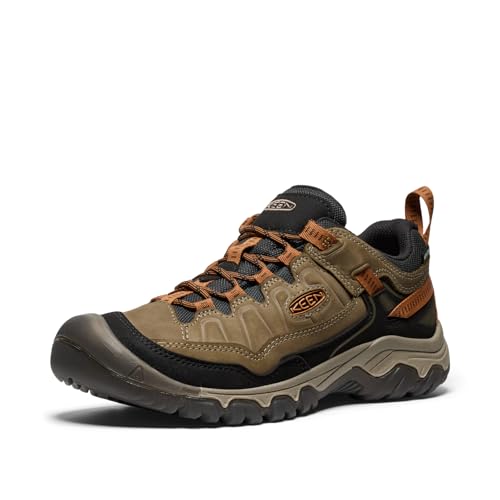
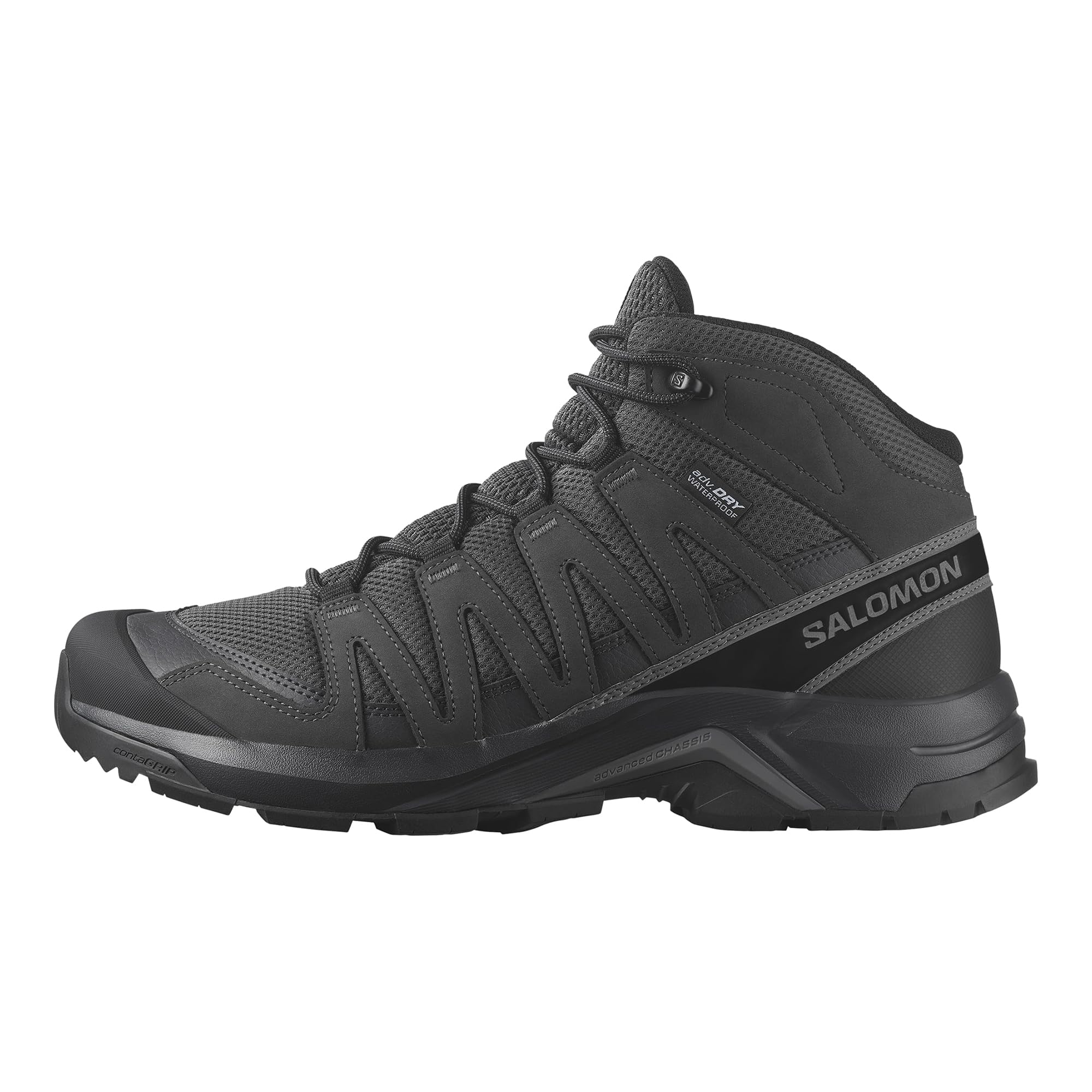


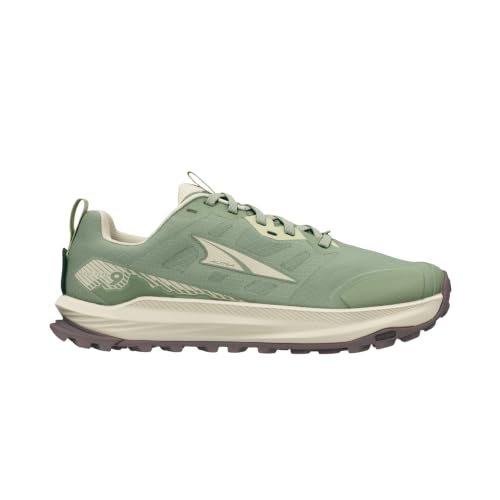

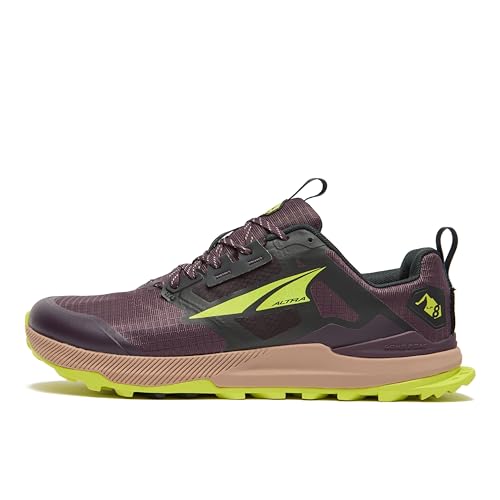
Adventure Shoe Profiles: What to Look For
Shop by profile rather than by model name. The three profiles below describe what a strong pair looks like for each kind of traveler, and any option in the product table above that matches your profile deserves a close look.
Best Overall Profile
The best all round adventure shoes balance grip, protection, and weight in one package. Expect a lugged rubber outsole around 4 to 5 mm deep, a reinforced toe cap, a breathable mesh upper with synthetic overlays, and a midsole firm enough for a loaded daypack. Prices usually run about $110 to $160. This profile handles maintained trails, light scrambling, wet town streets, and long travel days without drama. The limitation is extremes. Deep mud, serious snow, and technical climbing all want more specialized footwear, and no single shoe honestly covers those plus everything else.
Best Value Profile
Value pairs, usually around $60 to $110, cover the needs of most casual travelers and weekend hikers. You get a real lugged outsole, decent toe protection, and uppers that survive a season or two of regular use. The savings come from heavier materials, simpler midsoles, and less refined fit shaping. For trips built around day hikes and sightseeing, the performance gap versus premium pairs is small, and the money saved can fund a good pair of socks or a second lighter pair for camp. The limitation is longevity under heavy loads, where cheaper midsoles pack down sooner.
Best Premium Profile
Premium pairs, around $160 to $220, earn their price through lighter weight, better rubber compounds, and more precise fit. Outsoles grip wet rock more confidently, uppers use stronger yet lighter fabrics, and midsoles keep their spring over longer distances. This tier suits travelers who hike most days of a trip, carry their own gear between stops, or move across mixed terrain where a slip has real consequences. The limitation is that light, sticky rubber wears faster, and premium shoes can look worn sooner than a sturdy value pair. You are paying for performance per mile, not for maximum lifespan.
How to Choose the Best Adventure Shoes: Buying Guide
Fit, Sizing, and Toe Box
Measure your feet late in the day and try shoes on with the socks you will travel in. Leave about a thumb width of space in front of your longest toe, because feet swell on long descents and toes that bang the front of the shoe turn black fast. The heel should lock with no lift when you walk uphill on an incline board or a ramp. A generous toe box lets your toes spread for balance on uneven ground, which matters more the rougher your terrain gets. If you will cross streams often, remember that wet feet swell slightly too, so a fit that is merely adequate when dry can feel tight by mile six.
Outsole Traction and Terrain
Traction starts with lug depth and rubber softness. Lugs around 4 to 5 mm suit mixed trails and mud, while shallower 3 mm patterns roll more smoothly on pavement and hardpack. Softer, stickier rubber grips wet rock and roots better but wears faster on concrete, so travelers splitting time between city and trail should pick a middle compound. Quality rubber families such as Vibram appear on many higher tier pairs and signal a serious outsole. Match the pattern to your worst common surface, not your best day. A shoe that grips your local wet boardwalk and your destination scree slope covers most real trips.
Durability and Expected Lifespan
Adventure shoes die at predictable points, the toe bumper seam, the mesh beside the little toe, and the midsole under the heel. Look for stitched or welded overlays at those spots and a rand of rubber wrapping the front. Lifespan for a trail focused pair is often compared with running shoes, which people replace after about 300 to 500 miles, and adventure shoes land in a similar range under regular trail use. Rotating with a second pair on long trips extends life noticeably, because foam recovers between wears. Abrasive volcanic or desert rock shortens life for every brand, so budget accordingly for those destinations.
Weight and Flexibility
Every gram on your feet costs more energy than the same gram in your pack, so weight matters on long days. Light pairs around 250 to 350 g per shoe feel nimble and pack small, while sturdier pairs near 450 g add protection and support for rough ground and heavier loads. Flexibility should live at the forefoot. The shoe should bend where your toes bend and stay firm through the midfoot, which protects your arch on rock and ladders. Twist the shoe by hand before buying. If it wrings out like a towel, it will feel vague and tiring on uneven trails.
Upper Materials and Breathability
Mesh uppers breathe best and dry fastest after stream crossings, which makes them the default choice for warm climates and water heavy routes. Leather and nubuck uppers resist abrasion and shed light rain, but they dry slowly and weigh more when soaked. Knit uppers fit like socks and pack tiny, yet they let in dust and offer little protection from stubbed toes. Many strong designs blend all three ideas, mesh for airflow, synthetic overlays for structure, and a leather or rubber toe for protection. In hot, humid regions, breathability decides comfort more than any other single feature.
Cushioning and Support
Choose cushioning by load and distance. Light day hikes on soft trails need only modest foam, while long days on rock or pavement with a pack call for a thicker, firmer midsole that will not bottom out. Stability focused designs add structure for feet that roll inward, while neutral shoes suit most travelers with even wear patterns. Heel to toe drop in this category usually runs about 4 to 10 mm. Lower drops feel stable and natural on uneven ground, while higher drops ease calf and Achilles load on long road sections. Test your choice loaded, since a shoe that feels perfect empty can feel thin under a full pack.
Waterproofing (Gore Tex and Membranes)
Waterproof membranes such as Gore Tex keep rain and shallow puddles out, and they suit cold, wet trips where your feet never fully submerge. The trade off is real. Membranes breathe less, dry far more slowly once water comes over the top, and add cost. For warm trips with stream crossings, most experienced travelers choose non waterproof shoes that drain and dry quickly instead. Decide by water depth and temperature. Knee deep crossings in summer argue for fast drying mesh. Cold rain on a high trail argues for a membrane and good socks. There is no single right answer, only the right answer for your route.
Types of Adventure Shoes
Neutral Shoes
Neutral shoes use even cushioning with no motion control structure, and they suit the widest range of travelers. They work for day hikes, travel days, and mixed itineraries where comfort matters more than technical grip. Most first time buyers should start here, then specialize only when a trip demands it.
Sandals and Recovery Footwear
Adventure sandals with closed or protected toes serve as camp shoes, water crossing shoes, and hot weather hikers on easy trails. They dry fast and pack light, which earns them a place in many bags. Our guide to the best sandals for adventure covers the sturdy end of that category. Keep them off steep or loose terrain, where open sides invite stones and stubbed toes.
Waterproof Boots
Waterproof boots step in when loads get heavy, trails turn rough, or cold and snow enter the plan. Ankle support and stiff soles protect you in ways no shoe can. The cost is weight, bulk, and slow drying. Many travelers own both, choosing boots for mountain routes and shoes for everything else, rather than forcing one pair to do every job.
Tips to Get the Most From Your Adventure Shoe
- Break new shoes in on short local walks for at least a week before a trip, so fit problems show up near home.
- Lace properly to prevent heel slip by using the extra top eyelet, which locks your heel on descents.
- Air dry wet shoes away from direct heat, with insoles removed and the tongues open, so glues and foams survive.
- Rotate two pairs for daily wear on long trips, giving each pair a rest day to dry and rebound.
- Carry a small repair kit with strong tape and a spare lace, because a torn lace or peeling toe cap is fixable in the field.
- Rinse grit out of the uppers after sandy or silty water crossings, since trapped sand saws through mesh from the inside.
Travelers who race rather than ramble should also see our guide to the best shoes for adventure racing, where drainage and speed matter more than all day padding.
Adventure Shoes: Your Questions Answered
How often should I replace my adventure shoes?
Replace them when the lugs wear smooth at the heel and forefoot, the midsole feels dead and flat, or the upper tears beside the toes. For regular trail use that often means about 300 to 500 miles, similar to running shoes. A useful field check is the wet rock test. If a pair that once gripped now skates on damp stone you know well, the rubber has hardened or worn past its useful life, even if the shoes still look respectable.
Can I wear them all day?
Yes, that is close to their design brief, since adventure shoes are built for long mixed days of trails, streets, and standing around viewpoints. Still, rotate pairs on multi week trips and give your feet a lighter evening option at camp. People who stand on hard floors all day at work may find trail midsoles too firm by evening, so save your adventure pair for trips and use a softer shoe for daily shifts. Your adventure shoes will last longer too.
Are expensive adventure shoes worth it?
They are worth it when you hike most days, travel far from easy replacements, or cross terrain where grip is a safety issue. Premium money buys better rubber, lighter builds, and fits that stay comfortable at high mileage. Casual travelers who hike a few weekends a year get nearly the same experience from the value tier. One cost to weigh is rubber wear. The stickiest premium compounds wear fastest, so heavy users should budget for replacement sooner rather than expecting a longer life.
How long is the break in period?
Modern mesh and knit adventure shoes often feel good within a few short walks, while leather heavy pairs can take two weeks of regular wear. Plan at least three progressively longer outings before a big trip, ending with one walk that includes hills and your loaded pack. Blisters during break in usually trace back to heel slip or the wrong socks, not the shoe itself. Fix lacing and sock choice first, and only blame the shoe if the same hot spot returns every time.
Do I need waterproof shoes?
Only if your trips are cold and wet without deep water. Waterproof membranes handle rain and wet grass well, but once water tops the collar, a membrane shoe becomes a slow drying bucket. Warm routes with streams favor quick draining mesh instead. Think about drying conditions too. A humid jungle lodge will not dry any shoe overnight, while a heated mountain hut dries even soaked boots. Match the shoe to the whole system of weather, water, and where you sleep.
How should adventure shoes fit?
They should fit secure at the heel and midfoot, with about a thumb width of space before your longest toe and room for your toes to spread. Try them in the evening with your hiking socks, walk downhill if the store has a ramp, and check that your toes never touch the front. Feet swell over long days, so a fit that feels perfect in a cool morning shop can feel tight on a hot afternoon trail. When in doubt between two sizes, most trail travelers do better with the larger one.
The Bottom Line
Terrain, fit, and drying speed are the three decisions that matter most. Match the outsole to your roughest common surface, leave real room for swollen feet, and pick waterproofing based on water depth rather than habit. Do that, and the best adventure shoes for your trips are waiting in the comparison table above, ready to carry you from trailhead to town without a second thought.


