
Best Adult Water Shoes 2026: A Practical Buying Guide
Disclosure: We may earn a commission when you buy through links on this page, at no extra cost to you. As an Amazon Associate I earn from qualifying purchases. Learn more

Choose adult water shoes for beaches, rivers, and pools by grip, drainage, protection, and fit. Safety tips for slippery, rocky, and uneven water.
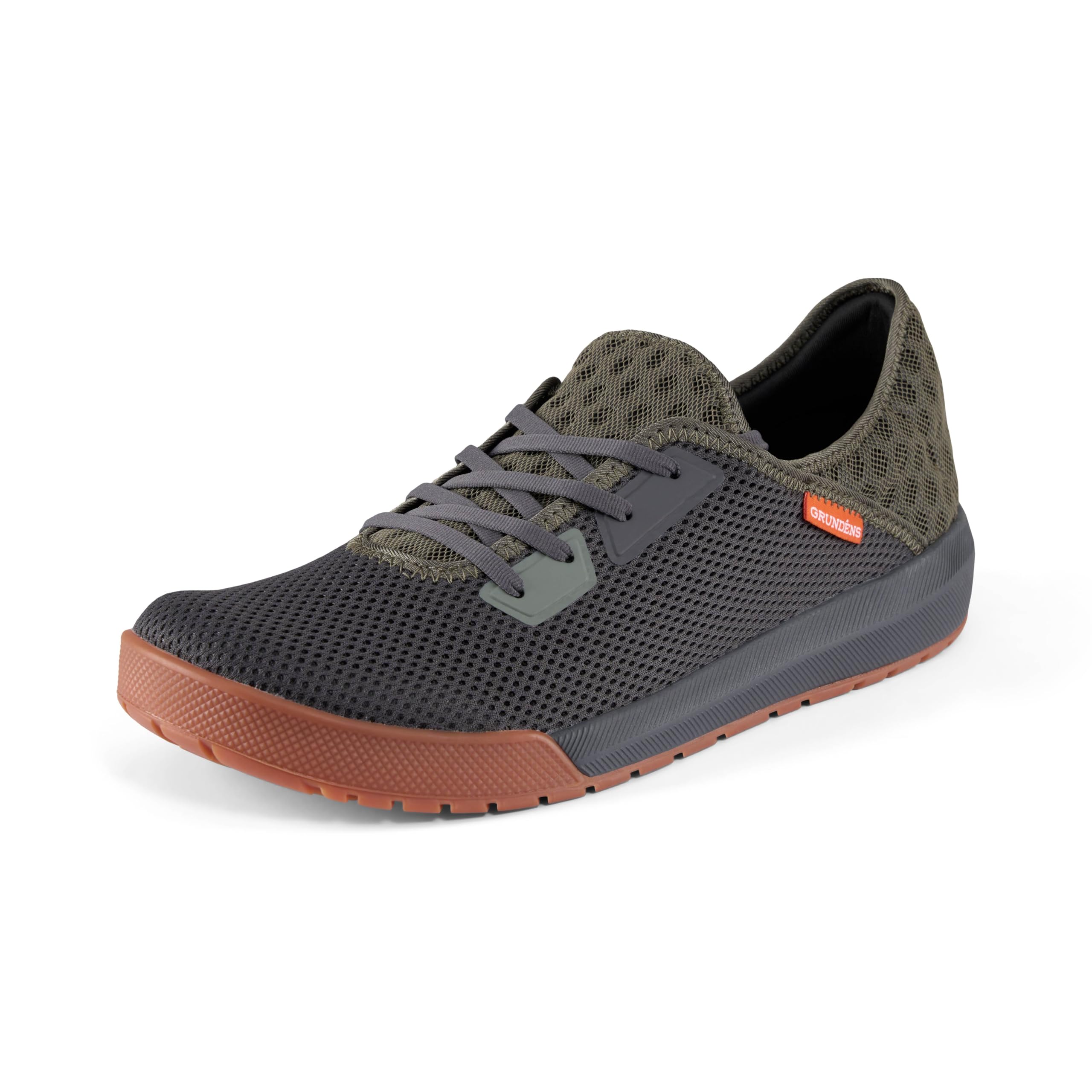
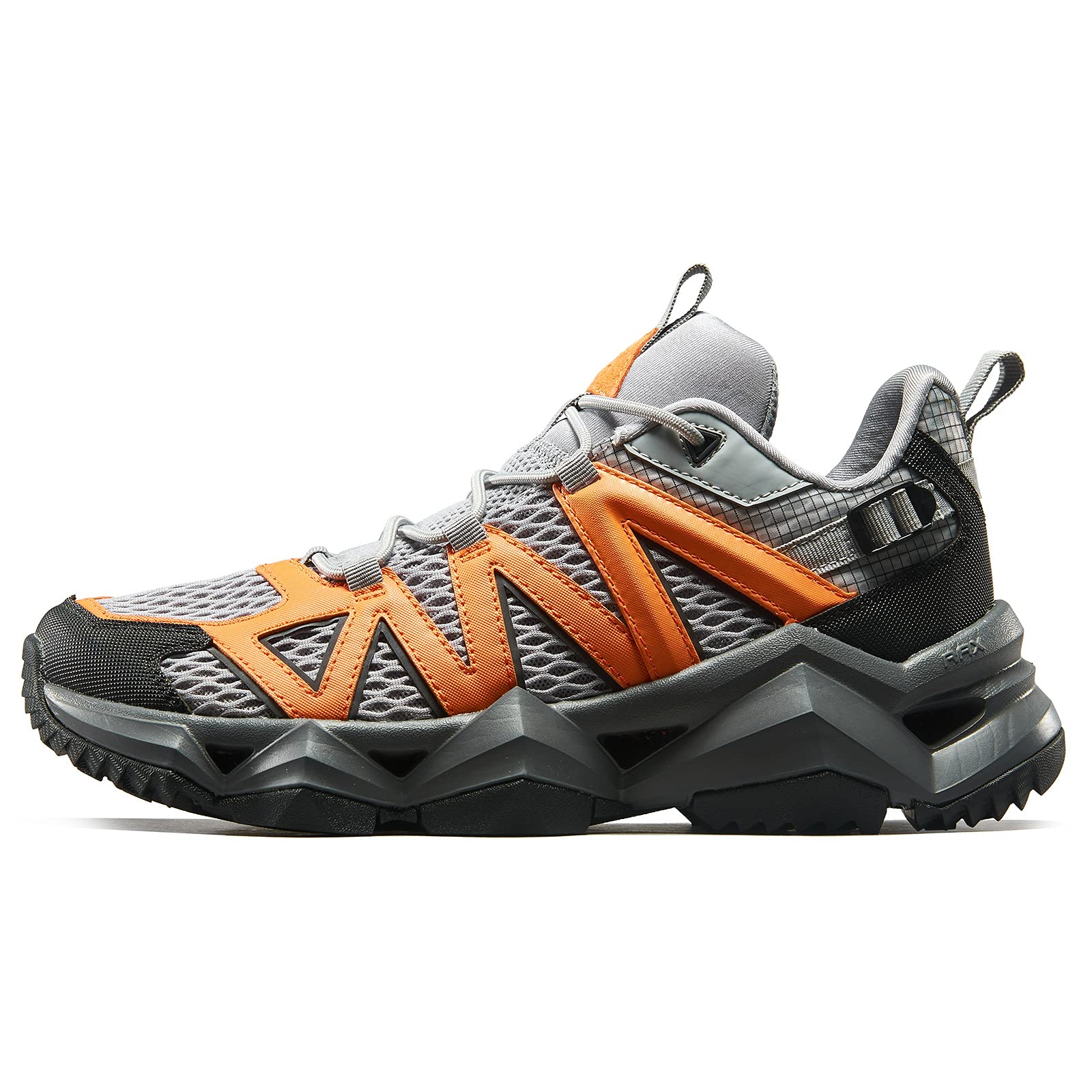
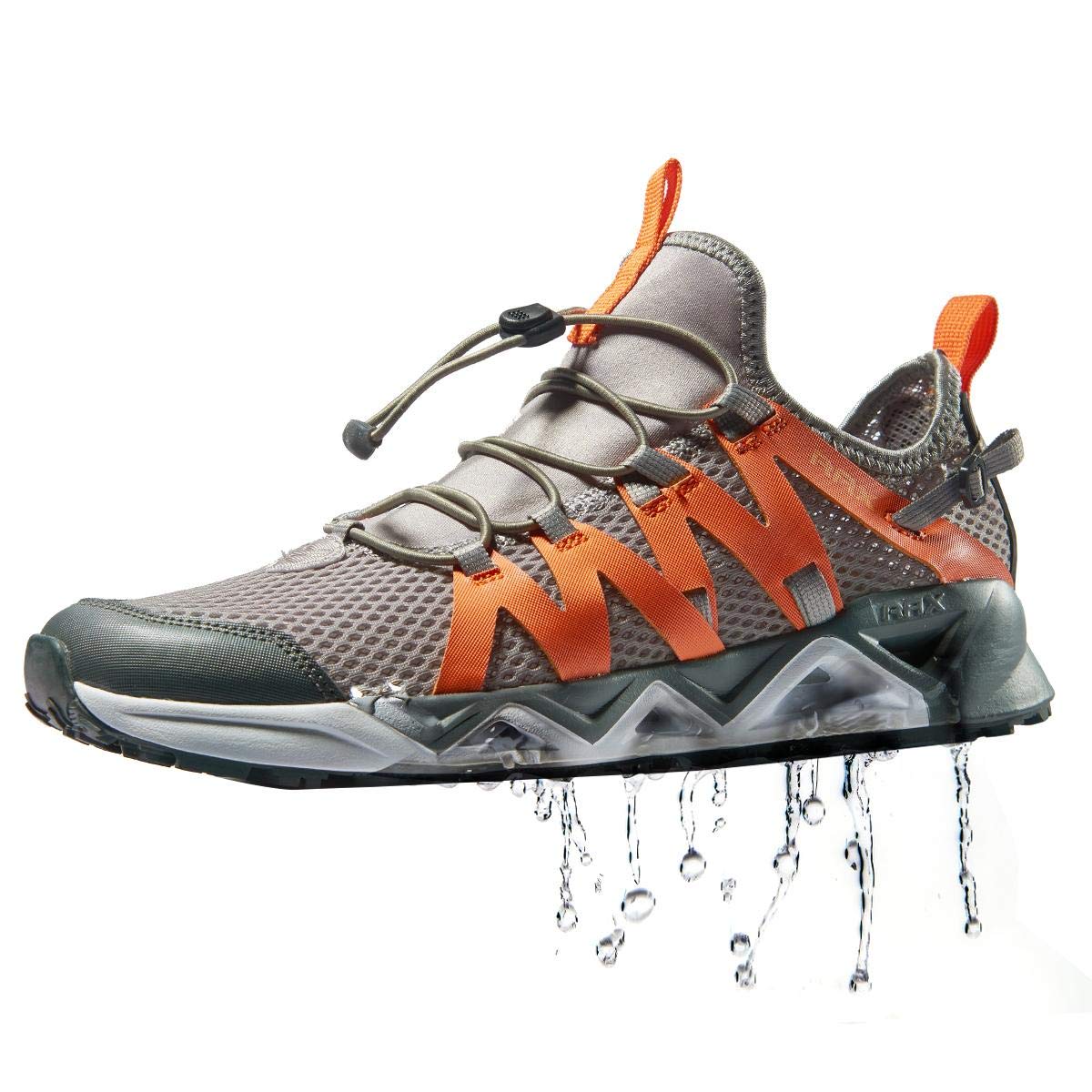
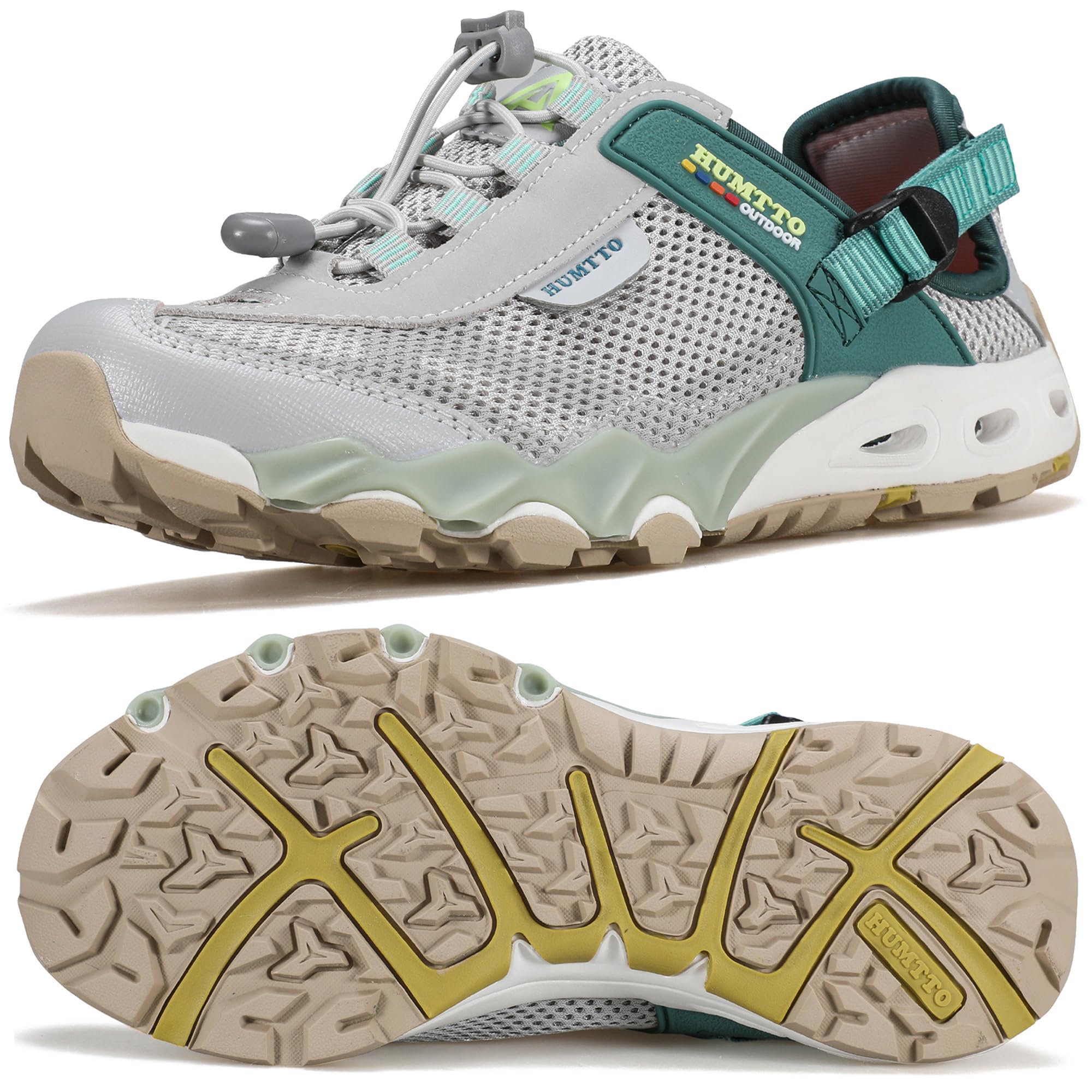
Water shoes protect feet where bare feet suffer: sharp shells, hot sand, slippery rocks, and rough riverbeds. The best adult water shoes drain fast, grip wet surfaces, and stay on through waves and currents. The comparison table below will help you compare the main options side by side.
This guide covers grip, drainage, protection, and fit for beaches, rivers, pools, and boats. It includes safety notes for currents, slippery surfaces, and foot injuries, since water hides hazards that land does not.

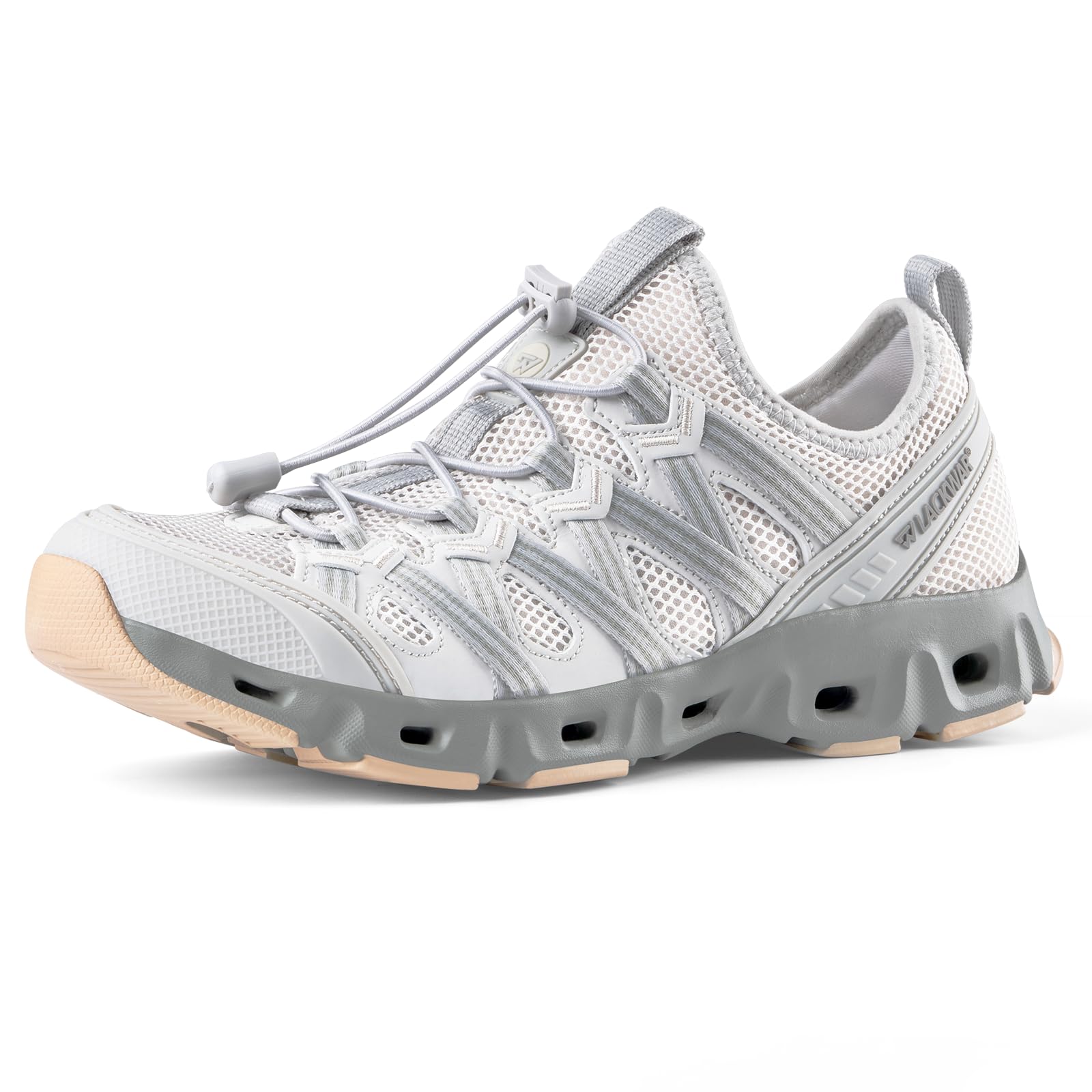

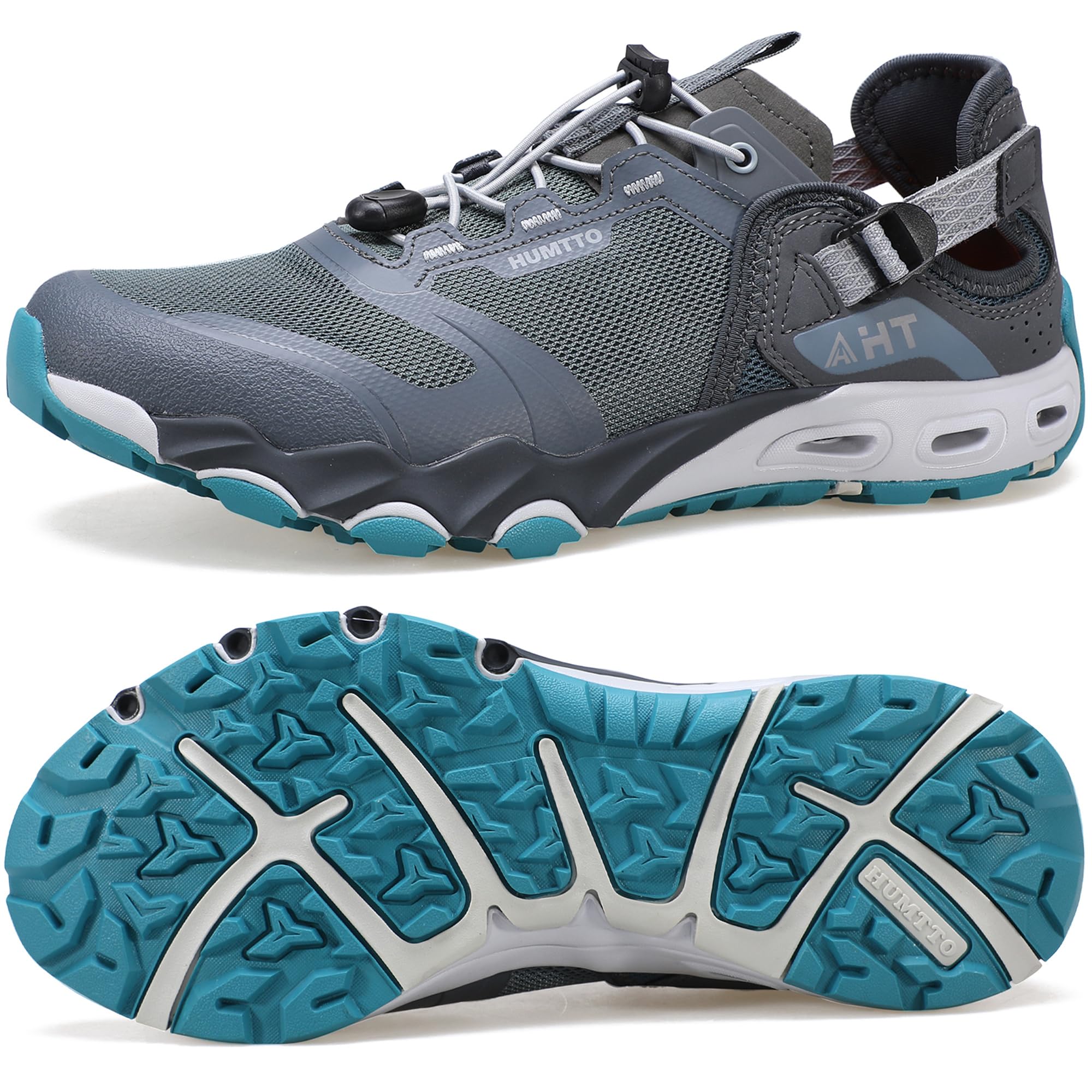


Who Should Buy Which Type
For Beach Goers
Beach goers need sand friendly shoes that drain, resist sand buildup, and protect against shells and hot surfaces. Light, quick drying shoes suit long beach days. A secure fit matters in surf, where loose shoes wash off easily.
For River and Creek Explorers
River explorers need grip on slippery rock, toe protection, and drainage that keeps shoes light after immersion. Sturdy soles and closed toes help on rocky riverbeds. Check current and depth before wading, and never wade alone in strong flow.
For Pool and Boat Users
Pool and boat users need slip resistant soles for wet decks and tiles, plus shoes that dry quickly between uses. Light shoes that stay comfortable all day suit decks and docks. Drainage still matters, since pooled water adds weight and odor.
Types Compared
Slip On Water Shoes
Slip on water shoes are light, easy to wear, and quick to dry. They suit beaches and pools where protection needs are modest. They can slip off in strong surf or currents, so check fit carefully.
Lace Up Water Shoes
Lace up water shoes offer a more secure, adjustable fit for rivers and active use. Laces or straps let you tighten for currents and rough ground. They take longer to put on, but they stay on better.
Closed Toe Water Shoes
Closed toe water shoes protect toes from rocks, shells, and stubs on riverbeds and trails to water. They suit rocky and unknown bottoms. They run warmer than open designs, but protection often outweighs heat.
Water Sandals
Water sandals combine open airflow with water friendly straps and soles. They suit warm beach days and casual wading. They protect less than closed shoes, so reserve them for known, gentle bottoms.
Key Features to Compare
Outsole Grip on Wet Surfaces
Wet grip depends on rubber compound and tread pattern, not just tread depth. Look for soles designed for wet rock and tile, and test grip on wet surfaces where possible. Worn soles slip suddenly, so replace shoes when tread fades.
Drainage and Drying Speed
Drainage holes and mesh uppers let water escape quickly, keeping shoes light and reducing blisters. Fast drying also limits odor between uses. Shoes that hold water feel heavy and stay damp long after you leave the water.
Toe and Sole Protection
Toe caps and sturdy midsoles protect against rocks, shells, and sharp objects hidden underwater. Thicker soles help on rough riverbeds, while thinner soles suit sandy beaches. Match protection to the bottoms you will actually walk on.
Fit and Retention
Water shoes must stay on in surf and current, so heel hold and closure matter greatly. Try shoes wet if possible, since wet feet and materials behave differently. A shoe that fits dry but slips wet will fail when you need it most.
Comfort and Breathability
Breathable mesh and soft linings reduce blisters during long water days. Seams should sit flat, and insoles should drain rather than hold water. Comfort over hours matters more than a snug first impression in the shop.
Fitting and Water Safety
Try water shoes with wet feet where possible, and walk, wade, and flex to check heel hold and toe room. Tighten closures for river use, and loosen slightly for beach lounging. If a shoe slips, rubs, or pinches, try another size or closure style before committing.
Check water conditions before entering: depth, current, bottom type, and weather. Never wade in strong currents, flooded rivers, or unknown water alone. Wear water shoes as protection, not as permission to take risks, and keep children within reach in moving water.
Care and Maintenance
Rinse water shoes in fresh water after salt, sand, or river use, and dry them in shade, not direct heat. Remove insoles to dry faster and reduce odor. Sand and grit wear materials, so shake and rinse thoroughly after beach days.
Inspect soles, seams, and closures for wear, especially after rocky use. Replace shoes when grip fades, seams split, or closures fail, since water safety depends on them. Store dry shoes away from sun to slow material aging.
Mistakes to Avoid
- Choosing fashion sandals with poor wet grip for river or boat use.
- Wearing loose water shoes in surf or current, then losing them.
- Ignoring bottom hazards, assuming water shoes make any water safe.
- Keeping worn, slippery water shoes because they still look fine.
A Final Check Before You Order
Before you order, confirm grip type, drainage, toe protection, closure, and fit against your water activities. Try shoes wet where possible, and check return terms for water trials. These checks matter more than style or color.
The related guides linked below cover nearby water shoe choices, including general and gender specific options, so you can compare grip and fit. Read them with your waters in mind, and shortlist the shoes that stay on and grip well. Related guides: best water shoes, best water shoes for men, best water shoes for women.
Frequently Asked Questions
Do water shoes protect against all sharp objects?
No. Water shoes reduce cuts and stubs from shells, rocks, and debris, but very sharp objects can still penetrate thin soles. Thicker, closed toe shoes protect more on rough bottoms. Always watch where you step and avoid unknown, debris filled water, and thicker soles also insulate against hot sand, which thin beach shoes handle poorly at midday.
Should water shoes fit tight or loose?
They should fit snugly, with heel hold and toe room, without pinching. Loose shoes slip off in surf and current, while tight shoes cause blisters. Try them wet, since wet fit differs from dry fit, and adjust closures for your activity. Neoprene uppers stay flexible when wet, though they dry slower than mesh uppers after use.
Can I wear water shoes for hiking to a beach or river?
Light trail approaches suit sturdy water shoes, especially closed toe models with good grip. Long, rough hikes call for hiking shoes instead, with water shoes carried for the water itself. Match the shoe to the longest, hardest part of your route. Carry water shoes in a mesh bag, so sand and water drain instead of pooling in your main bag.
How do I stop water shoes from smelling?
Rinse in fresh water after use, dry fully in shade, and remove insoles to dry. Rotate pairs if you use them daily. Persistent odor despite care often means materials are breaking down and replacement is near. Baking soda soaks reduce odor between uses, though thorough drying remains the best prevention.
Are water shoes safe for children in rivers?
Water shoes help children, but adult supervision, life jackets where appropriate, and careful water choice matter far more. Avoid strong currents, deep water, and slippery rocks with children. Shoes protect feet; they do not make moving water safe. Bright colored shoes also help adults spot children in busy water, which adds a small safety benefit.
Reading Water Before You Step In
Reading water is a skill that keeps water shoe users safe, since shoes protect feet but not judgment. Look for current speed, depth changes, slippery rocks, and underwater obstacles before stepping in. Clear, shallow, slow water suits wading, while fast or murky water calls for caution.
Watch how water moves around rocks, since smooth surface flow can hide strong currents below. Test depth and footing with a stick or pole before committing your weight. A few seconds of checking prevents slips and surprises that shoes alone cannot fix.
Plan an exit before entering, especially in rivers where banks can be steep or slippery. Know where you will get out downstream if you slip, and avoid water with no safe exit nearby. An exit plan matters most when you hope you will not need it.
Finally, respect weather changes, since rain upstream can raise river levels quickly even where skies look clear. Check forecasts and local conditions before water activities. Good judgment, plus good shoes, makes water days safe and fun.
After buying water shoes, test them in shallow, safe water close to shore before relying on them in rivers or surf, checking grip on wet rock, drainage after immersion, and whether they stay on when you walk against a gentle current. This low risk trial reveals fit problems, slippery soles, or drainage issues while help and dry land stay close at hand. Shoes that pass a calm water test earn trust for harder conditions, while shoes that fail it can be returned or replaced before they matter most.
Final Thoughts
Grip, drainage, protection, and a fit that stays on, and the best adult water shoes for your waters will be the ones you trust step after step. The product table above gives a useful starting point, but your beaches, rivers, and boats should make the final call.
Order only after you have confirmed wet fit and grip for your activities, and respect water conditions every time you enter. Good water shoes protect feet so you can enjoy the water with confidence.


