
Best Adjustable Mattress for 2026: A Complete Buying Guide
Disclosure: We may earn a commission when you buy through links on this page, at no extra cost to you. As an Amazon Associate I earn from qualifying purchases. Learn more

Match the best adjustable mattress to your base and sleep position with clear advice on flex, thickness, firmness, cooling and trial terms.
An adjustable base only helps if the mattress on top can bend without losing support or wearing out early. Finding the best adjustable mattress means checking flex, thickness and construction first, then matching firmness to how you sleep. Comfort on a flat bed and comfort with the head raised can feel quite different.
This guide walks through who benefits most, the features that matter on a moving base, and how to check compatibility before you order. Use the product table to compare thickness, type and firmness side by side, then read the sections that match your sleep position and budget.


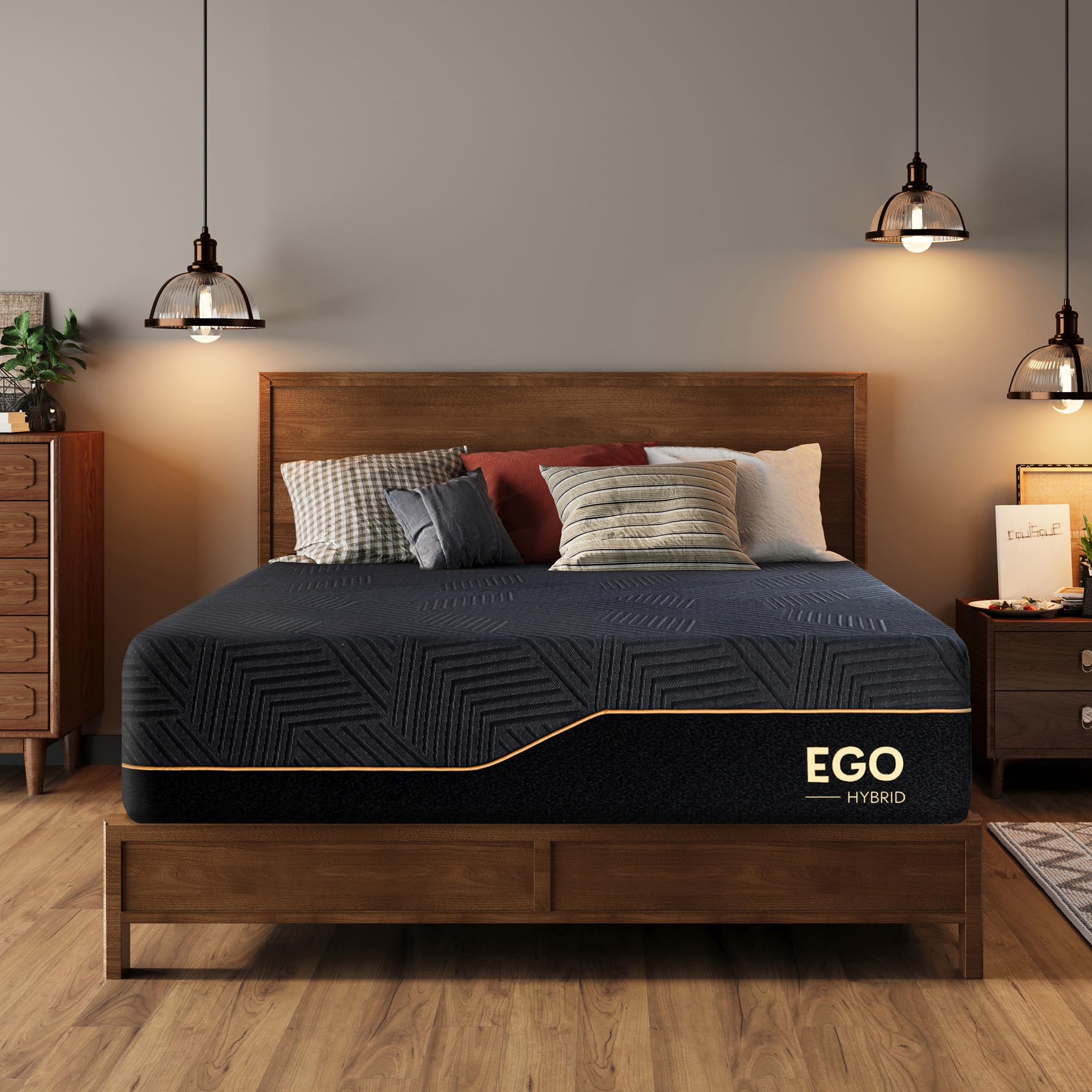
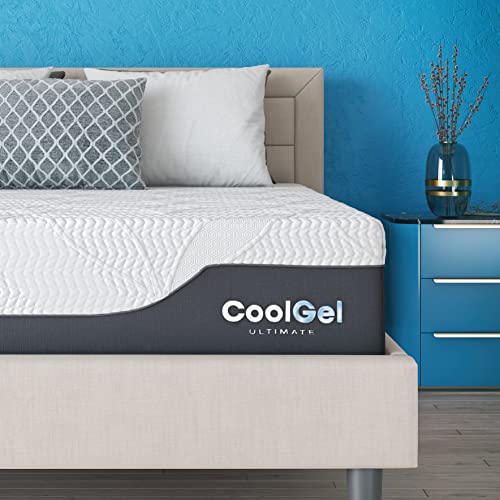

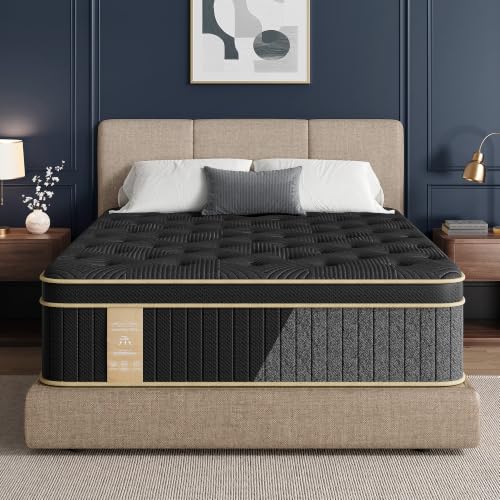

Who Should Buy an Adjustable Mattress?
Not every sleeper needs a mattress built to flex, and not every mattress should go on an adjustable base. The groups below gain the most from pairing the right build with a base that raises the head, the feet, or both.
People Who Read, Work or Watch TV in Bed
If you sit up in bed each day, a mattress that bends cleanly at the hips keeps the surface smooth instead of bunching behind your back. Flexible foam and flexible hybrid builds follow the base through small angle changes, so pillows do less of the work. Look for a profile around 10 to 12 inches thick, since very thick builds can feel stiff when raised and may slide as the base moves.
Sleepers Who Want Head Elevation for Comfort
Raising the head can make breathing feel easier for some sleepers and can ease pressure on the lower back when the knees are raised slightly too. An adjustable mattress lets you test those positions without stacking pillows that shift overnight. If back pain is ongoing, worsening, or paired with leg weakness or numbness, talk with a doctor before relying on bed position alone, and use our guide to the best mattress for back pain to compare support needs.
Side Sleepers Who Change Position at Night
Side sleepers need cushion at the shoulder and hip, yet the mattress still has to flex when the base lifts. A surface that is too firm can press on the shoulder once the head end rises, while one that is too soft can let the hips sink and twist the spine. Medium and medium firm feels usually balance both needs, and our guide to the best mattress for side sleepers covers pressure relief in more detail.
Couples Who Want Separate Settings
Couples often want different head angles, which is why split king setups pair two twin XL mattresses on two base sections. Each sleeper can raise or lower their own side without moving the other side. For this setup, both mattresses should match in height and feel close in firmness, so the middle of the bed stays even when both sides are flat.
Key Features to Compare
Five factors decide whether a mattress works well on an adjustable base: size, internal build, firmness, materials and cooling. Price and trial terms matter too, but they cannot fix a mattress that fights the base every time it moves.
Size and Form Factor
Start with the size that fits both your frame and your base, since an adjustable mattress must match the base dimensions exactly. Common choices include twin, twin XL, full, queen, king and California king, plus split king for couples who want separate control. Measure the inside of your bed frame as well, because some frames reduce the usable width. A mattress that overhangs the base edge will bend in the wrong place and wear unevenly.
Type and Flexibility
Memory foam bends most easily and follows the base closely, though it can hold heat and feel slow to respond when you change position. Latex flexes well too and springs back faster, with a more buoyant feel on top. Hybrids pair foam comfort layers with pocketed coils that bend one by one, giving more airflow and edge support, while traditional innerspring builds with connected coils often resist bending. Our comparison of hybrid vs memory foam explains how the two most common flexible types differ in feel.
Firmness, Sleep Position and Body Type
Firmness should match your weight and main sleep position, not a label alone. Lighter side sleepers often prefer a softer surface that lets the shoulder sink in, while heavier back and stomach sleepers usually need a firmer build that keeps the hips level. When the head end rises, your weight shifts toward the middle of the bed, so support at the lumbar area matters more than it does when flat. If you share the bed, choose for the partner who needs more support and adjust comfort with bedding.
Materials and Certifications
Check what is inside each layer and what each certification actually covers. Foam that carries CertiPUR US certification has been checked for content, emissions and durability, and fabrics with OEKO TEX labels have been tested for harmful substances. Latex may be natural, synthetic, or a blend, and that mix changes both price and feel. A clear layer list with thicknesses tells you far more than a vague comfort claim, and it helps you predict how the mattress will bend.
Cooling and Breathability
Foam that hugs the body can trap heat, and bending the mattress does not improve airflow on its own. Look for open cell foam, latex that allows air to move, or coils that leave space for heat to escape. Covers made with breathable fibers can help the surface feel cooler at first touch, but the layers below decide how warm you feel hours later. Hot sleepers should favor hybrid or latex builds and lighter bedding.
Trial Period, Warranty and Budget
A home trial matters more here because a mattress can feel right when flat and wrong when raised, so confirm the trial lets you return the mattress after trying it on your base. Read the warranty for rules about adjustable base use, since some warranties require an approved base type. On price, models under $500 tend to be thinner foam builds, about $500 to $1,000 covers many queen foam and hybrid options, and above that you mostly pay for thicker comfort layers, latex, or stronger edge support.
How to Check Compatibility With an Adjustable Base
Before ordering, confirm four points with the mattress maker and the base maker. First, ask whether the mattress is approved for adjustable base use in writing, since folding a mattress that was not built for it can void coverage. Second, compare thickness with the base manual, because very thick mattresses may not follow sharp angles well. Third, check the weight limit of the base with both the mattress and sleepers included.
Fourth, look at the underside and the retention system. Many bases use a retainer bar at the foot to stop the mattress sliding as the head rises, and some add straps or a fabric surface with more grip. If your frame has a footboard, leave room for the mattress to shift slightly when it returns to flat. Try every base position during the first week, including the flattest setting, so you can spot sliding, bunching, or gaps early while returns are still simple.
Adjustable Mattresses Compared With Standard Mattresses
A standard mattress is built to stay flat, so its job is support on a fixed surface. If you never plan to raise the head or feet, our general guide to the best mattress may be all you need. An adjustable friendly mattress trades some of that rigid structure for flex, using foam, latex, or pocketed coils that can bend without cracking or forming a hard ridge across the middle.
The gains are control over sleep position, easier sitting up in bed, and separate settings in a split king setup. The trade offs are cost, since you need both the mattress and the base, and limits on thickness and coil design. Very thick pillow top builds and stiff connected coil units are poor matches for a moving base. If you value position control, the flexible build is worth it, and if you sleep flat every night, you can skip the base and put the money toward better materials.
Common Mistakes to Avoid
- Putting a stiff innerspring mattress on an adjustable base, which can damage the coils and void the warranty.
- Choosing a mattress that is too thick to bend, so the raised position feels like sliding off a slope.
- Ignoring the base weight limit, which must cover the mattress plus everyone who sleeps on it.
- Picking firmness based only on flat sleeping, then finding the raised position presses on your lower back.
- Forgetting the retainer bar, so the mattress creeps toward the foot of the base each night.
- Assuming every split king pair feels level, when mismatched heights leave a clear step in the middle.
How to Make an Adjustable Mattress Last Longer
Care for a flexible mattress starts with the base settings. Return the bed to flat when you make it and when nobody is using it, which reduces constant stress on the folded area. Rotate the mattress head to foot every few months if the maker allows it, since most flexible builds should not be flipped. Keep the base surface clean and check the retainer bar for looseness as part of that routine.
Use a protector to guard against spills, and clean stains promptly with mild methods that do not soak the foam. Our step by step guide on how to clean a mattress shows safe ways to handle common stains and odors. Let the mattress air out with bedding removed now and then, and avoid letting children jump on a raised section, since a bent mattress takes impact poorly. With steady care, most quality builds last about 7 to 10 years before support fades.
Frequently Asked Questions
What is the best adjustable mattress?
The right choice is a flexible foam, latex, or pocketed coil hybrid that is approved for base use and matches your firmness needs. Thickness around 10 to 14 inches tends to balance flex and support for most sleepers. Beyond the label, check that the return policy lets you test raised positions at home, since that trial tells you more than any single spec.
Are adjustable mattresses worth the cost?
They are worth it if you regularly raise the head or feet to read, watch TV, or get more comfortable in bed. The value comes from position control you use every day, not from a feature you try once. If you sleep flat and never sit up in bed, a standard mattress and a simpler foundation will usually serve you just as well for less money.
Can any mattress go on an adjustable base?
No, not every mattress can go on an adjustable base. Connected coil innerspring models and very thick, stiff builds can resist bending and may be damaged by repeated folding. Always confirm approval from the mattress maker in writing before pairing them. A quick test is to check whether the product page lists adjustable base use by name rather than implying it.
What firmness is best for an adjustable mattress used with a raised head?
Medium to medium firm suits most people who sleep with the head raised, because the angle shifts weight toward the center of the bed. Side sleepers who raise the head only a little may still prefer a slightly softer surface for shoulder comfort. If you wake with new aches after trying a raised position for several nights, lower the angle first before assuming the firmness is wrong.
How often should an adjustable mattress be replaced?
Most adjustable mattresses should be replaced after about 7 to 10 years, or sooner if you see lasting dips where you sleep. A useful sign is waking with stiffness that fades within an hour of getting up, which often points to worn support. Check the folded zone carefully, since the section that bends most can soften earlier than the rest of the surface.
Does using an adjustable base shorten mattress life?
It can shorten life slightly if the mattress stays in a bent position for many hours each day. Returning the bed to flat during the day spreads wear more evenly across the surface. Bases with smooth, gradual movement also reduce stress compared with bases that jerk into position, so base quality plays a part in how long the pairing lasts.
Final Thoughts
The right adjustable mattress bends without a fight, supports your spine at every angle, and fits both your base and your budget. Start with flex and thickness, then narrow by firmness, materials and trial terms, using the product table to compare your short list. When you choose the best adjustable mattress that meets those checks, you get position control that still feels like a proper bed every night.


