Best Adjustable Height Vacuums: Every Type Explained Side by Side for 2026
Disclosure: We may earn a commission when you buy through links on this page, at no extra cost to you. As an Amazon Associate I earn from qualifying purchases. Learn more
Compare the best adjustable height vacuums by type, ideal floors and users, and price range, so you can choose the right one.
Height adjustment sounds like a small feature until you watch a vacuum skate uselessly over a thick rug or dig its brush into a delicate low pile carpet. The setting controls how the cleaning head sits against the floor, and that decides how much dirt the brush and suction can actually lift. This guide compares the best adjustable height vacuums type by type, so you can match the format and the height range to the floors in your home.
Four main types offer height adjustment in different ways, from numbered dials to floating heads that adjust on their own. Read the type comparison first, then use the buying checks and the product table to narrow your choice.




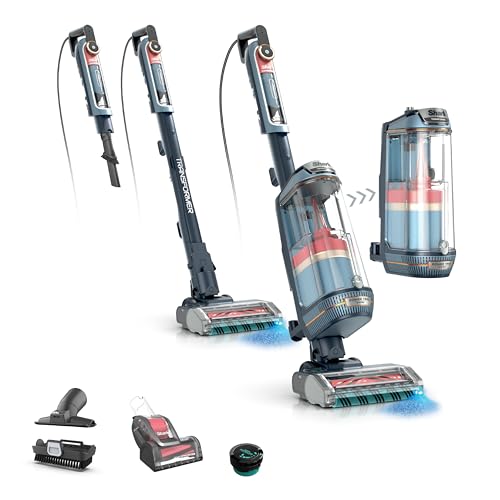
Types of Adjustable Height Vacuums Compared
Each type handles height adjustment differently. Uprights usually give you a dial or lever with clear settings for bare floor, low pile, and high pile. Sticks tend to rely on the head design and suction mode instead. Canisters move the adjustment to the floor nozzle, and handhelds mostly skip the feature entirely. Price follows the format: handhelds cost the least, uprights and canisters sit in the middle for full size cleaning power, and premium cordless sticks cost the most. The roundups in our guide to the best ranked vacuums show how these formats compare on overall cleaning scores.
Upright Vacuums
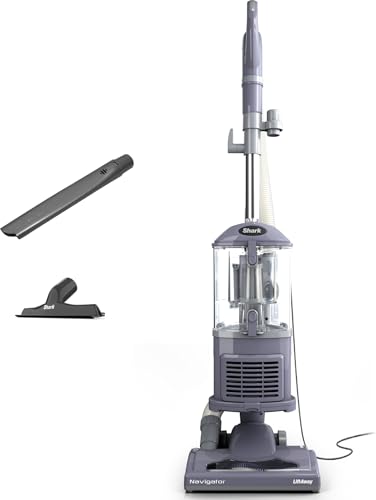
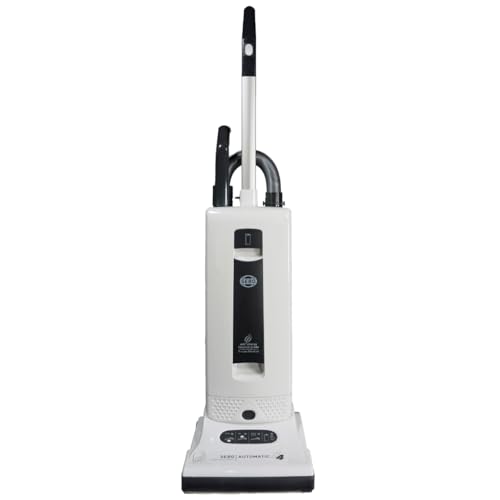
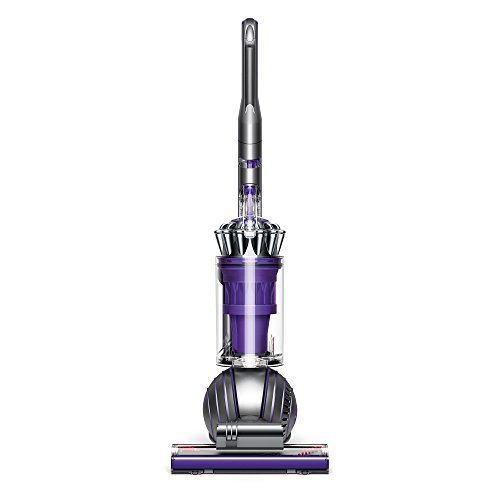
Uprights are the classic home of true height adjustment, with a dial, pedal, or lever that raises and lowers the brush roll through several set positions. That control matters on mixed flooring, because high pile carpet needs the head raised so the brush can spin freely, while bare floors need it low and sealed. Uprights bring strong suction, large bins or bags, and long cords at moderate prices, often about $120 to $350. The costs are weight, bulk on stairs, and storage space. Choose an upright if carpet covers much of your home and you want the setting to be explicit, not guessed.
Cordless Stick Vacuums
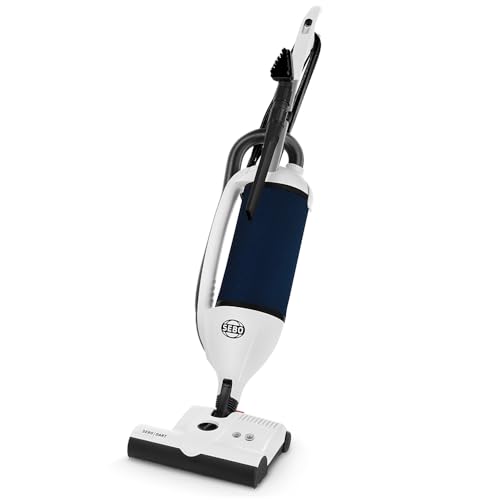
Cordless sticks rarely offer a numbered height dial. Instead, their cleaning heads are built low and flexible, and some use sensors or motorized brushes that adapt to the floor as resistance changes. This works well on hard floors and low to medium pile, and the light body makes quick daily cleaning easy. Runtime is the limit, typically about 20 to 60 minutes per charge, and deep cleaning thick carpet drains the battery fastest. Prices run from about $150 to $500. Choose a stick if your floors are mostly hard with area rugs, and you value grab and go convenience over maximum carpet power.
Handheld Vacuums
Handhelds are the honest exception in this category: most have no height adjustment at all, because they are built for spot cleaning, car interiors, upholstery, and crumbs rather than full floors. Their small nozzles sit directly on the surface, so pile height rarely matters. They cost about $40 to $150 and store anywhere. A handheld makes a great second vacuum beside a full size model, but it should not be your only machine if you have carpeted rooms. If a listing sells a handheld as a whole home solution, read the runtime and bin size carefully before believing it.
Canister Vacuums
Canisters split the machine in two: a rolling body holds the motor and bin, while a wand and floor nozzle do the cleaning. Height adjustment lives in the nozzle, either as a pedal with several settings or as a dedicated carpet head with its own brush and height positions. This design excels under furniture, on stairs, and across mixed floors, and suction is usually strong and steady. Prices commonly run about $200 to $500. The trade off is the trailing body, which takes practice to steer around chair legs. Choose a canister if your home mixes hard floors, rugs, and carpeted rooms in roughly equal measure.
Upright Vacuums vs Cordless Stick Vacuums: Which Should You Choose?
Start with your floors. If carpet covers more than half your home, the upright wins, because its dial gives real control over brush height and its cord never cuts a session short. If hard floors dominate and carpet means a few rugs, the stick wins on convenience, since it is light enough to use daily and its head handles low pile well, a point that matters for the rug focused shoppers in our guide to the best vacuums for rugs. On suction, a good upright still leads for deep carpet cleaning, while top sticks come close on hard floors. On cost, uprights deliver more cleaning power per dollar, while sticks charge for the battery and the design. Many homes end up happiest with an upright for weekly deep cleans and a stick for daily touch ups.
How to Choose the Right Adjustable Height Vacuum
Corded vs Cordless Runtime
Corded models run as long as you do, which suits large homes and deep cleaning days. Cordless models trade that freedom for limits you should check honestly: a claimed 60 minutes usually means the lowest suction mode on hard floors, while maximum mode on carpet may last 10 to 15 minutes. A removable battery doubles your working time and makes replacement cheaper years later. Match runtime to your home size: a small apartment needs far less than a two story house with carpeted stairs.
Suction Power and Airflow
Suction numbers confuse buyers because brands use different units. Air watts and pascals both describe pulling power, but neither tells the whole story, because airflow and head design decide how much dirt actually leaves the carpet. A well sealed head at the correct height will outclean a stronger motor with a poor seal. Use the numbers to compare models within one brand, and rely on the height range, brush design, and bin and filter quality to compare across brands. If a listing shouts a huge suction number but never mentions the brush or the head, be skeptical.
Weight and Maneuverability
Weight decides whether you will actually use the machine. Full size uprights often weigh about 12 to 18 lb, fine on one floor but tiring on stairs. Sticks weigh about 5 to 8 lb and canisters put most of their weight on wheels, so your arm only carries the wand. Swivel steering helps around furniture, and a head that lies flat reaches under sofas and beds. If you have back or shoulder trouble, test the push effort on carpet, because a head set too low on thick pile can feel twice as heavy.
Filtration (Sealed HEPA)
A HEPA filter only helps if the whole machine is sealed, so fine dust cannot leak out before reaching the filter. Look for the words sealed system or complete seal alongside the HEPA claim. This matters most for allergy sufferers and homes with pets, where dander and fine dust are the real targets. Washable filters save money but must dry fully, usually a full day, before reuse. Bagged models trap dust neatly at disposal time, while bagless models need careful emptying outdoors to avoid a dust cloud.
Matching the Height Range to Your Floors
Count your floor types before you shop. A home with one carpet type needs only a simple two or three position adjustment, while a home with bare floors, low pile, and a plush rug needs a wider range or a reliable automatic head. Signs your current setting is wrong are useful guides: a head that is too low stalls the brush and pushes hard, while a head that is too high leaves grit behind and sounds loud and airy. The best setting lets the brush just touch the carpet fibers while the head still seals. Test any new machine on your thickest rug first, because that is where weak adjustment shows up.
Tips to Get the Most From Your Adjustable Height Vacuum
Empty the bin before it passes the fill line, because a full bin cuts suction sharply. Wash or replace filters on the schedule in the manual, and keep a spare filter so the machine is never down while one dries. Cut hair off the brush roll with scissors every few weeks, working along the groove most brush rolls provide. Change the height setting as you move between rooms instead of leaving it in the middle, and slow your passes on carpet, since the brush needs time to work grit loose. On very thick rugs, raise the head one setting higher than you think you need, then lower it until the brush just engages.
Frequently Asked Questions
Is HEPA filtration necessary in a vacuum?
It is necessary if someone in the home has allergies or asthma, or if you have indoor pets, because a sealed HEPA system keeps fine dust and dander from blowing back into the room. For a garage or workshop machine, it matters less. Remember that the filter alone is not enough: the seals around the bin, hose, and head decide whether air is forced through the filter at all. Check for a sealed system claim, not just a HEPA label.
Are cordless vacuums strong enough for carpet?
Yes, modern cordless sticks clean low and medium pile carpet well, especially on their higher modes. Thick, plush carpet is still their weak point, because the head lacks fine height control and maximum mode drains the battery in minutes. If your home has large areas of dense carpet, a corded upright remains the safer main machine. A practical test: if the stick leaves visible grit after two slow passes on your thickest carpet, it is not the right primary vacuum for that floor.
How often should I replace the vacuum filter?
Most foam and fabric filters need washing about once a month and replacement every 3 to 6 months, while HEPA filters usually last 6 to 12 months. Follow your manual first, because designs vary. A filter that still looks grey after washing, or a machine that smells dusty while running, is telling you the filter is done. Mark replacement dates on a small label on the machine, an easy habit that keeps suction strong.
What type of adjustable height vacuum is best for my home?
Match the type to your dominant floor. Carpet heavy homes suit uprights with a real height dial, mixed floor homes suit canisters, hard floor homes with rugs suit cordless sticks, and handhelds suit spot jobs only. Then check that the height range covers your thickest carpet. If two types both fit, choose by weight and storage, because the machine you can store and carry easily is the one that gets used.
Final Thoughts
The right choice comes down to three things: a height range that truly covers your thickest and thinnest floors, enough suction and filtration for your household, and a format you will happily use every week. Decide your type first, then compare models within it. Do that, and the best adjustable height vacuums for your home will narrow to a short and confident list.