Best Adirondack Chairs Comfort in 2026: What Actually Matters Before You Buy
Disclosure: We may earn a commission when you buy through links on this page, at no extra cost to you. As an Amazon Associate I earn from qualifying purchases. Learn more

Find an Adirondack chair built for comfort, with a checklist on seat depth, back angle, wide arms, materials and fit for long outdoor sitting.
An Adirondack chair looks simple, yet two chairs with the same wide back can feel completely different after an hour outside. The best adirondack chairs comfort comes from fit, not from the label. Seat depth, back angle and arm height decide whether you settle in or keep shifting. This guide turns those points into a clear checklist, so you can judge the comparison table below before you spend anything.
Start with how you actually sit outdoors. You may read by the fire, watch children in the yard or rest after yard work, and each habit favors a different seat shape. The sections below match body size and sitting time to the features that matter most.




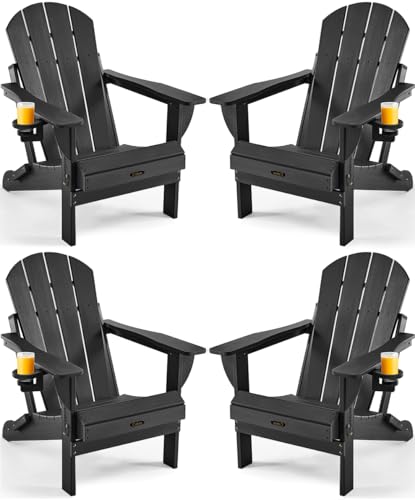
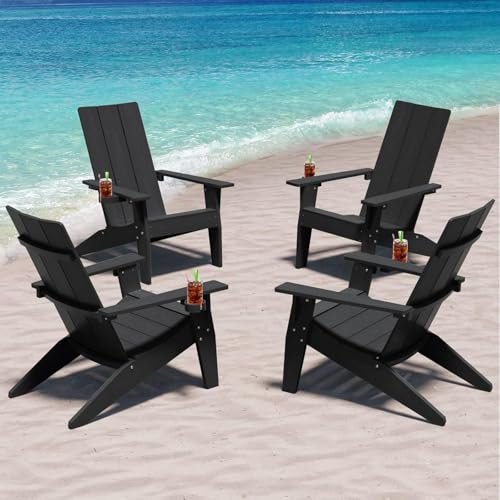

Who Should Buy an Adirondack Chair for Comfort?
Choose by the sitting you do most often, because a chair for a short coffee outside may not suit a long evening.
Long Evening Sitters Who Stay Outside for Hours
You sit through sunset, long talks and slow meals, so pressure points matter more than quick setup. Choose a chair with a shaped seat, a back that lets your shoulders rest, and arms wide enough for a book or a drink. Skip very upright versions, because a stiff posture grows tiring long before the evening ends.
Taller and Larger Sitters Who Need More Room
You need space before anything else. Look for a wider seat, a taller back and a stated weight capacity with real margin above your body weight. A deep seat suits long legs, while a shallow one leaves tall sitters feeling perched. Check the width between the arms rather than the full outside width, because arm posts take several inches from the room you actually get.
Older Adults and Anyone Who Finds Low Seats Hard to Leave
You enjoy the relaxed lean but still need to stand without a struggle. Choose firm, flat arms you can push against, a seat that is not the lowest in the range, and a frame that does not rock as you rise. If sitting brings new numbness, sharp pain or swelling in your legs, stop and talk with your clinician about your personal needs before you buy.
Key Features to Compare
Work through these factors in order. Together they explain most comfort differences between chairs that look alike.
Back Angle and Slat Shape
The classic Adirondack lean places the back well behind the seat, and that angle spreads your weight across your back instead of loading only your seat bones. A gentle curve in the slats supports your lower back, which sellers often call lumbar support, while a flat board back can feel hard within half an hour. If you like to sit up and talk, pick a chair described as more upright, because the deepest lean suits resting far more than eating or playing cards.
Seat Depth and the Front Edge
Seat depth decides where your legs rest. Most Adirondack seats run about 19 to 22 inches deep. A deeper seat supports long thighs, but it can press behind the knees of shorter sitters and make standing harder. The front edge matters just as much. A rolled or sloped front edge lets blood keep moving in your legs during long sits, while a sharp straight board edge digs in.
Wide Armrests at the Right Height
Wide flat arms are a signature part of this chair, and they do real work. They hold a drink or a paperback, and they give your hands a firm base when you stand. Arms set about 7 to 9 inches above the seat suit most adults. Arms placed much higher lift your shoulders, and arms placed much lower leave you pushing from your thighs alone. The arms are fixed, so check that height before you order, because it cannot change later.
Seat Height and Getting Up
Most Adirondack seats sit about 11 to 15 inches off the ground, far lower than a dining chair. That low seat creates the relaxed lean, but it also asks more of your knees and hips each time you rise. A seat near the top of that range is the safer pick if you stand often to tend a grill. For most buyers, best adirondack chairs comfort depends on this single trade off between leaning back easily and standing up easily.
Material and How an Adirondack Chair Feels Outdoors
Wood feels warm and traditional, and thick boards can feel very solid under you. If wood appeals to you, see our guide to the best wood for adirondack chairs before you choose a species. Recycled plastic lumber feels smoother, and our guide to the best polywood adirondack chairs explains that option. Thin slats in any material can flex, while thicker slats stay quiet and steady when you shift your weight.
Weight Capacity, Size and Stability
Most standard chairs are rated around 250 to 350 pounds, and oversized models go higher. Treat the rating as a limit for everything on the seat, including a child on your lap. Wide feet keep the chair steady on grass, while narrow feet can sink after rain. Before you order, measure your gate and storage corner, because a fixed chair does not fold down to solve a tight space later.
Adirondack Chair Types Compared for Comfort
The classic fixed chair has few moving parts, so it tends to feel the most solid. It suits a deck or fire pit where the chair stays in place all season. The trade off is storage, because a fixed chair takes its full space in the garage all winter.
A folding design gives up a little of that solid feel for storage and travel, and our guide to the best folding adirondack chairs covers the hinge styles. Reclining versions let you change the back angle for reading or resting. Oversized chairs add seat width and back height for larger bodies. If finish and build matter most, see our guide to the best quality adirondack chairs for the construction details behind each type.
Cushions change the feel of every type. A thin pad softens hard slats without lifting you much, while a thick cushion can push your knees up and change the intended lean.
Common Mistakes to Avoid
Most comfort complaints trace back to these errors.
- Buying the deepest lean you can find leaves you almost lying down when you wanted to sit and talk.
- Judging width by the outside measurement leaves you squeezed between the arm posts.
- Ignoring seat height leaves you with a chair you dread standing up from.
- Choosing thin slats to save money leaves the seat flexing and creaking under you.
- Ordering for a soft lawn without checking the feet leaves the chair sinking after the first rain.
- Adding a thick cushion before testing the bare chair leaves the seat angle feeling wrong.
Care and Maintenance for an Adirondack Chair
Wash the chair with mild soap and water at the start and end of the season, and rinse pollen off the slats every few weeks in summer. A soft brush clears the gaps between slats. Let the chair dry fully before you add a cushion or cover, because trapped damp dulls the finish and invites mildew on fabric pads.
Check the screws and bolts where the back meets the seat each spring, and tighten any that have worked loose. Wood chairs may need sanding and a fresh coat of outdoor finish once the surface looks dry and rough. Plastic lumber needs no finish, but store it out of strong sun when you can. Bring cushions inside during wet weather and winter.
FAQ
What makes an Adirondack chair comfortable for a full evening outside?
Time is what makes an Adirondack chair comfortable, so judge it over a full evening rather than a two minute sit. Small pressure points that feel fine at first often ache after an hour. If you can, sit for at least fifteen minutes before you commit, shift positions, and set a drink on the arm. A chair that still feels easy after that test rarely disappoints later.
Does an Adirondack chair footrest improve comfort for long sitting?
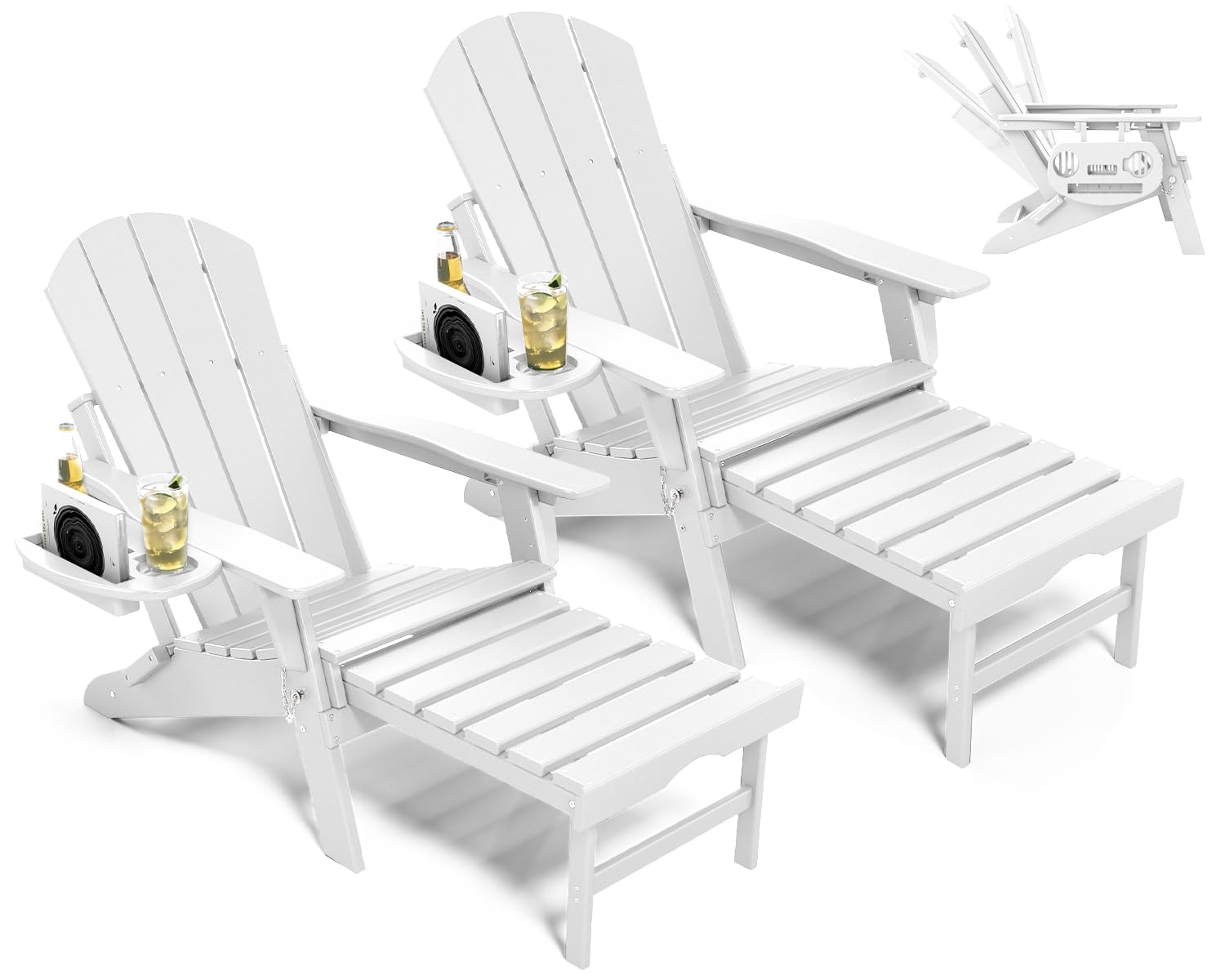
Yes, an Adirondack chair footrest improves comfort when you stay seated for long stretches. It lifts your lower legs, which takes pull off the backs of your thighs. Match the footrest height to your chair so your knees keep a slight bend rather than locking straight. It also adds one more piece to store in winter.
Are cushions worth adding to an Adirondack chair for comfort?
Cushions are worth adding to an Adirondack chair when the slats feel hard against your back or seat bones. Choose outdoor fabric that drains and dries fast, and pick a pad with ties so it stays put when you stand. One detail many buyers miss is color. Dark pads grow hot in direct sun on a summer afternoon.
How wide should an Adirondack chair seat be for a larger adult?
An Adirondack chair seat for a larger adult should give clear space between the arms, not just a wide outside frame. Many oversized models offer about 24 to 26 inches of seat width. Sit with your usual layers on, because a jacket takes room you may not notice in summer clothing. Leave a little spare width on each side so you can shift during a long sit.
Can an Adirondack chair stay outside all year in a cold climate?
An Adirondack chair can stay outside all year in many cold climates, but it will age faster than a stored chair. Snow load and repeated freezing and thawing work at joints and finishes. Stand the chair on boards or pavers rather than bare soil, and tip it forward after storms so melt water runs off instead of pooling and freezing between the slats.
The Bottom Line
Comfort in this chair style comes from fit first. Match the back angle to how you spend your evenings, check seat depth and height against your own legs, and confirm the arms and capacity suit your body. Then use the product table above to compare types and prices.
When you shop with those points in order, the best adirondack chairs comfort stops being a vague promise and becomes a seat you can picture in your own yard. Pick the chair you will use on an ordinary evening, not only on the best night of summer.