
Best Adidas Streetwear Shoes: The 2026 Checklist and Buying Guide
Disclosure: We may earn a commission when you buy through links on this page, at no extra cost to you. As an Amazon Associate I earn from qualifying purchases. Learn more

Pick the best adidas streetwear shoes with a clear checklist on fit, traction, cushioning, materials, durability, and value for daily wear and style.
Streetwear shoes live a double life. They need to look right with jeans, joggers, and shorts, and they also need to stay comfortable through a full day of walking, commuting, and standing around. This guide shows you how to judge the best adidas streetwear shoes with one simple checklist, so you can compare any pair on fit, grip, support, and durability instead of guessing from photos.
Use the checklist as you scan the comparison table below. Every section explains what a spec actually means on your feet, what a good range looks like, and which shortcuts in a product listing should make you pause. By the end, you will know which details matter for your feet and which ones are just styling.


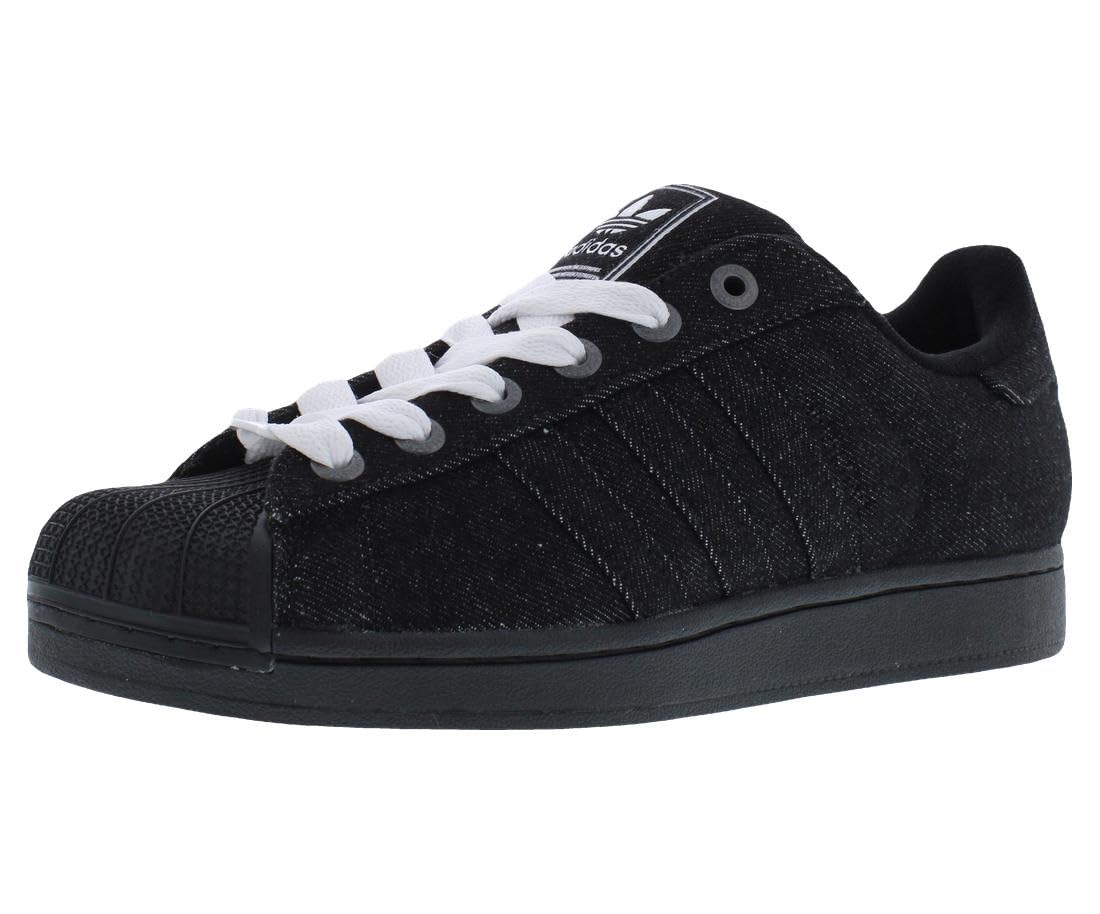

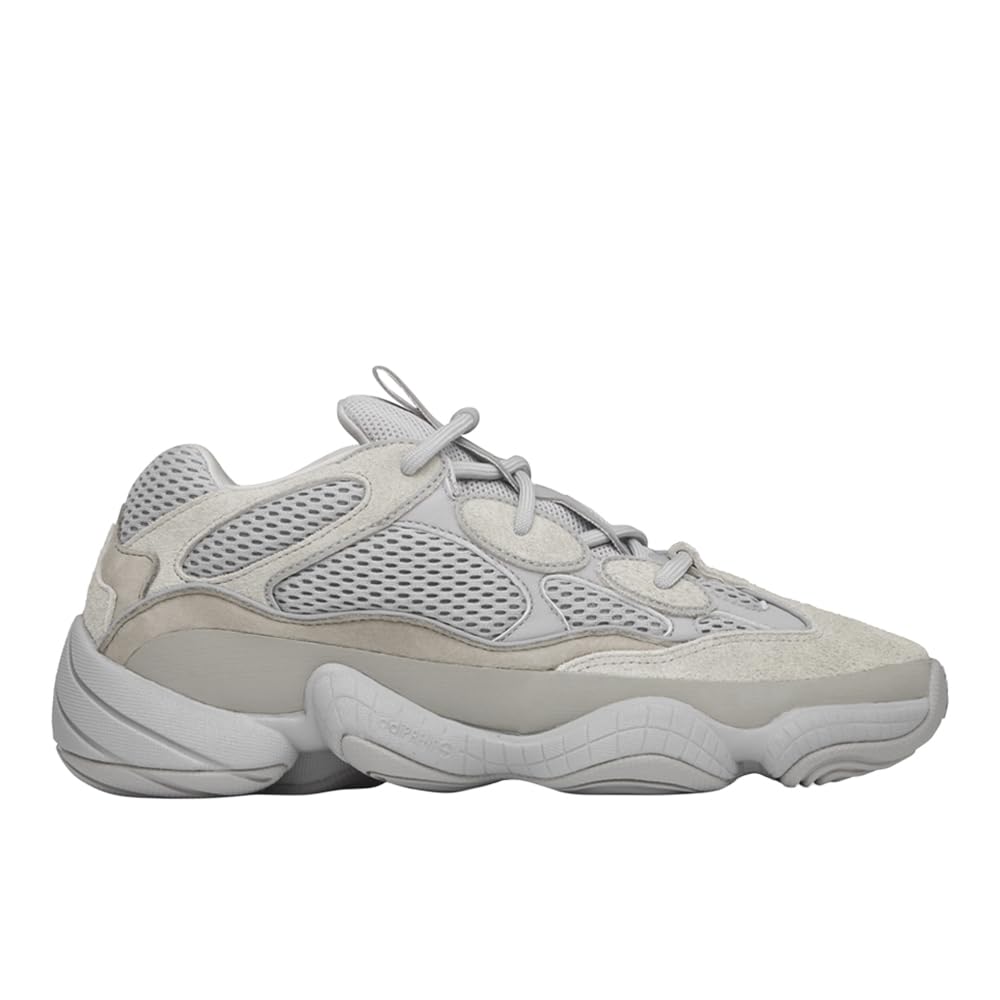


How We Evaluate Adidas Streetwear Shoes
Our checklist scores each pair on the same seven points, in the order your feet will notice them. Fit comes first, because no amount of cushioning fixes a shoe that pinches. Then we look at grip, support, materials, durability, comfort from the first wear, and weather protection. If you are still deciding between street styles and sport styles, our guide to the best streetwear shoes shows how the wider category compares.
Fit, Sizing, and Toe Box
Measure your feet in the afternoon, when they are slightly swollen from the day, and compare that length with the size chart for the exact model. You want about a thumb width of space in front of your longest toe, and the toe box should let your toes lie flat without pressing the sides. Adidas lasts vary by line, so a size that fits in one model can feel snug in another. If you are between sizes, choose the larger one and use thicker socks or a thin insole to fine tune the fit.
Outsole Traction and Terrain
Most streetwear pairs use a flat rubber outsole with a shallow tread pattern, which grips dry pavement and indoor floors well. Look for full rubber coverage rather than exposed foam, because rubber resists wear and gives more confident grip on wet sidewalks. Deep lugs are unnecessary for city use and can feel clunky, but a herringbone or multidirectional pattern helps on smooth stone and tile. Court inspired soles also shine indoors, which is one reason styles covered in our guide to the best adidas basketball shoes share similar rubber compounds.
Arch Support and Foot Type
Streetwear shoes usually ship with a fairly flat insole, which suits neutral feet but can leave flat feet tired after long days. If your arches collapse inward as you walk, look for a firmer midsole, a structured heel counter, and room for your own supportive insole. High arches need the opposite approach, with softer cushioning that fills the space under the arch. For long daily walks, a dedicated design often works better, and our guide to the best adidas walking shoes explains what changes in that category.
Upper Materials and Breathability
Leather uppers hold their shape, shrug off scuffs, and suit cooler weather, but they breathe less and need a short break in period. Knit and mesh uppers feel light and airy from the first wear, yet they stretch more and offer less protection in rain. Suede looks rich but marks easily and hates wet days. Your choice also drives the look of the shoe, and our guide to the best looking adidas shoes can help if appearance is your top priority. For most people, a leather or mixed upper gives the best balance of polish and comfort.
Durability and Expected Lifespan
A daily wear pair should give you roughly a year of regular use before the cushioning feels flat and the outsole smooths out. Check the stitching where the upper meets the sole, the thickness of the rubber under the heel and forefoot, and whether the heel counter feels firm when you squeeze it. Foam midsoles compress over time, so a pair that feels perfect but very soft on day one may feel tired sooner. For comparison, purpose built trainers are usually replaced after about 300 to 500 miles, as noted in our guide to the best adidas running shoes.
Break In Period and Comfort Out of the Box
Knit styles usually need almost no break in time, while full leather pairs can feel stiff for the first few wears. A good sign is comfort on a short walk around your home with no hot spots on the heel or pressure on top of the foot. Wear new pairs for a few hours at a time before committing to a full day out. If a shoe still rubs after a week of short wears, the fit is wrong, and more time rarely fixes a shape that does not match your foot.
Waterproofing (Gore Tex and Membranes)
Most streetwear shoes are not waterproof, and that is fine for dry city days. A membrane such as Gore Tex keeps rain out and helps in slush, but it also traps heat and raises the price. Water resistant coatings shed light drizzle for a short walk, though seams still let water in during a downpour. Choose a membrane only if you regularly walk in wet weather. Otherwise, a leather upper and a spare pair for rainy days is the simpler and cooler option.
What Each Price Tier Usually Delivers
Price tells you a lot about materials and construction, even without naming any specific model. Use these tiers to set expectations before you compare pairs in the product table above.
Entry Tier: Around $50 to $90
At this level you get simple, classic silhouettes with synthetic or basic leather uppers and standard foam cushioning. Grip and comfort are fine for school, errands, and casual office days. Expect thinner linings, glued construction, and faster wear if you walk long distances daily. This tier suits you if style matters most and your days are not spent on your feet. Check the outsole carefully, because some budget pairs use more exposed foam, which wears down quickly on rough pavement.
Mid Tier: About $90 to $140
The middle tier is where most buyers should shop. Uppers use better leather or engineered knit, insoles gain real cushioning, and outsoles use more durable rubber. Fit options also improve, with some models offering wider sizes. These pairs handle daily commuting and long weekend walks without feeling flat by evening. You also tend to get cleaner stitching and a heel counter that holds its shape. For a shoe you will wear four or five days a week, this tier usually gives the lowest cost per wear.
Premium Tier: About $140 and Up
Premium pairs pay for refined materials, such as full grain leather or advanced knit, plus more responsive cushioning foams borrowed from sport lines. Finishing details improve, colorways get more limited, and the shoes often hold their shape longer. What you do not automatically get is better arch support, so flat feet still need to check the insole. Buy at this level for materials and longevity you can feel, not for the logo. If you mostly want a clean look for occasional wear, the mid tier will serve you just as well.
Quick Buyer Checklist
Run through these questions before you buy. If you answer no to any of the first three, keep looking.
- Did you measure your feet in the afternoon and check the size chart for this exact model?
- Is there a thumb width of space in front of your longest toe?
- Does the toe box let your toes lie flat without side pressure?
- Is the outsole mostly rubber rather than exposed foam?
- Does the arch support match your foot type, or is there room for your own insole?
- Does the upper material suit your weather and your wardrobe?
- Can you return or exchange the pair after wearing it indoors?
Red Flags to Watch For
Some listings hide weak construction behind good photos. Watch for vague material descriptions that say leather look or premium synthetic without naming the actual material. Be wary of product photos that never show the outsole, since thin or foam heavy soles wear out fast. A very short or unclear return policy is another warning sign, because fit varies so much between models. Finally, treat a sudden flood of identical five star reviews with caution, and weigh detailed reviews that mention sizing and comfort over time more heavily.
Care and Maintenance Tips
A little care doubles the useful life of a pair. Brush dirt off after wear, loosen the laces before you take the shoes off, and let wet pairs air dry away from direct heat, which can crack leather and warp glue. Rotating two pairs on alternate days lets the cushioning recover between wears. Wipe leather with a damp cloth and use a gentle cleaner for knit, then stuff the shoes with paper while they dry to hold their shape. Replace a pair when the tread smooths out or the midsole feels flat and unresponsive.
Adidas Streetwear Shoes: Your Questions Answered
Can I wear adidas streetwear shoes all day?
Yes, most people can wear them all day if the fit and support match their feet. Choose a cushioned midsole, a roomy toe box, and an upper that does not press on the top of your foot. If you stand on hard floors for full shifts, add a supportive insole or pick a walking focused design instead. Sore arches or heel pain by midday means the support is wrong for you, even if the size is correct.
How often should I replace my adidas streetwear shoes?
Replace them when the outsole tread looks smooth, the cushioning feels flat, or the upper stretches so much that your foot slides. With daily wear, that point often arrives after about a year. Rotating two pairs stretches the timeline for both. A simple test helps: if a long walk that used to feel fine now leaves your feet tired, the foam has likely packed down and stopped doing its job.
Do I need waterproof adidas streetwear shoes?
You only need waterproof shoes if you regularly walk in rain, slush, or wet grass. Membranes keep water out but feel warmer and cost more. For occasional drizzle, a leather upper and an umbrella work fine, and a water resistant spray adds short term protection. Many people prefer one standard pair for dry days and a separate weather ready pair for storms, rather than one warm waterproof shoe worn all year.
How should adidas streetwear shoes fit?
They should feel snug at the heel and midfoot, with about a thumb width of space before your longest toe. Your toes should lie flat and wiggle slightly, and the widest part of your foot should match the widest part of the shoe. Walk on a hard floor before deciding, because carpet hides pressure points. If your heel slips with every step even with the laces firm, the last is too roomy for your foot shape.
Are expensive adidas streetwear shoes worth it?
They are worth it when the extra cost buys better leather, more durable rubber, and cushioning that stays lively longer. They are not worth it if you only wear the shoes occasionally, because cost per wear stays high. Compare cost per wear honestly: a pair worn 200 times at a mid tier price beats a premium pair worn 20 times. Fit and support matter more than price, so never keep an expensive pair that pinches.
How long is the break in period for adidas streetwear shoes?
Knit and mesh pairs usually feel comfortable within a day or two, while leather pairs may need one to two weeks of short wears. Start with a few hours at home, then a short outing, and watch for heel rubbing or pressure on top of the foot. Blisters mean the shape is wrong, not that you need more patience. A well fitting pair should never need to hurt before it feels good.
Final Thoughts
Start with fit, then check grip and support, and let materials and price tier finish the decision. Those three checks will filter out most poor matches before style even enters the picture. Compare your shortlist in the comparison table above, run the quick checklist once more, and you will end up with the best adidas streetwear shoes for your feet, your weather, and your wardrobe.


