Best Acupressure Sandals: Our 2026 Checklist and Buying Guide
Disclosure: We may earn a commission when you buy through links on this page, at no extra cost to you. As an Amazon Associate I earn from qualifying purchases. Learn more

Use this checklist to find the best acupressure sandals for your feet, with clear criteria on node pressure, fit, arch support, materials, and price tiers.
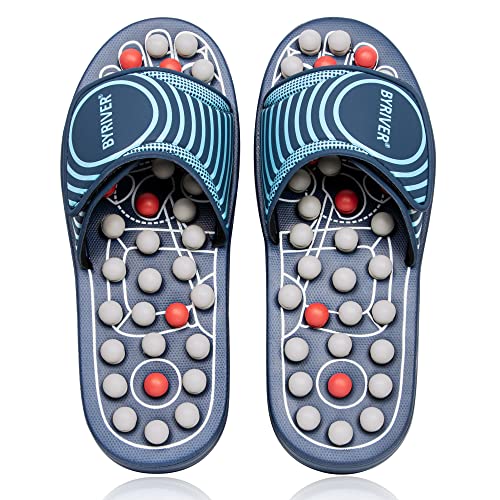
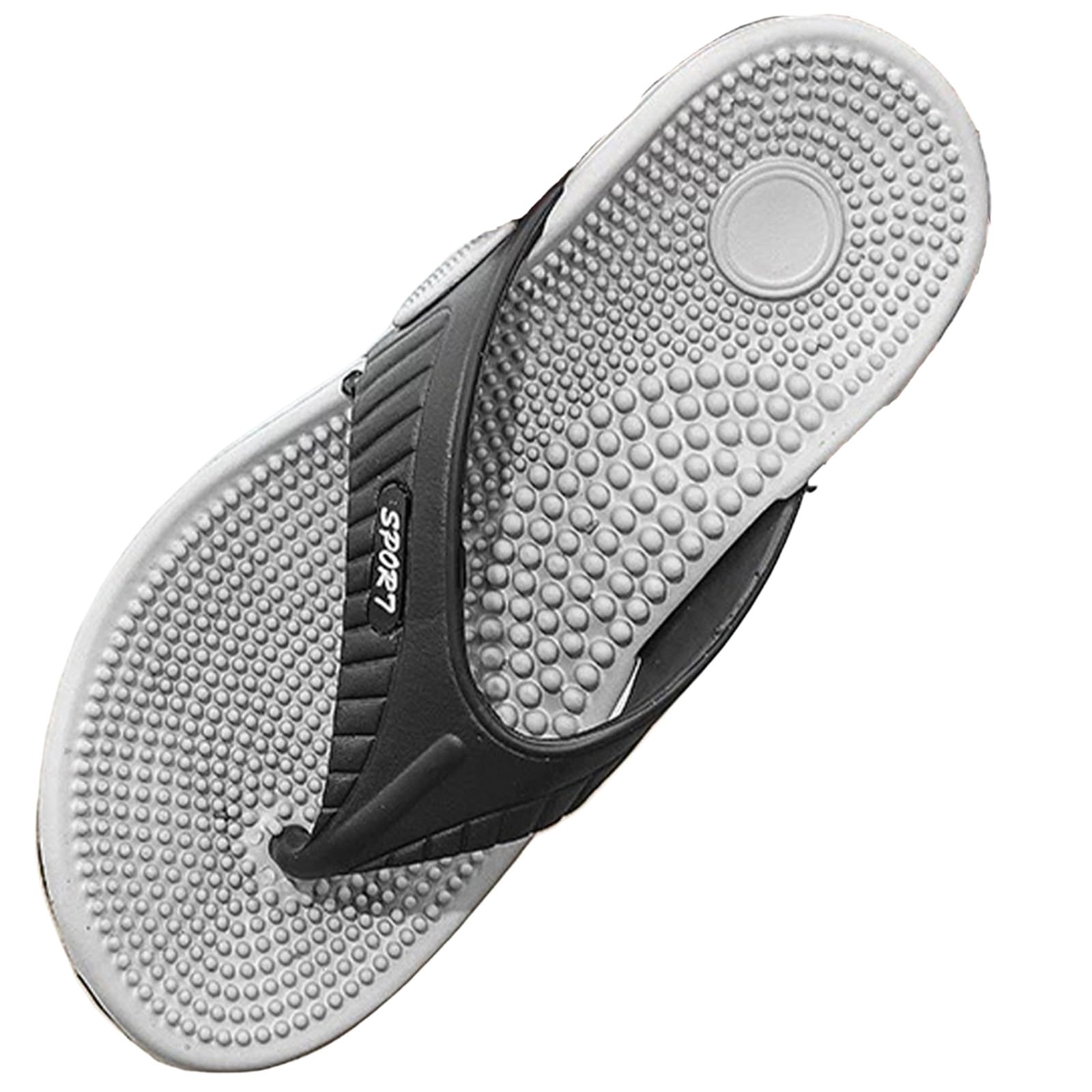
Acupressure sandals look simple, but the difference between a pair that feels good and a pair that hurts comes down to details you can check before you buy. Node height, node spacing, strap fit, and footbed shape matter far more than color or brand claims. This guide gives you the exact checklist we use to judge the best acupressure sandals, so you can compare any pair in minutes.
Work through the criteria below, note which ones matter most for your feet, and then check the comparison table below to see how current options line up. A short scoring pass now prevents the most common mistake, which is buying nodes that are far too aggressive for daily wear.



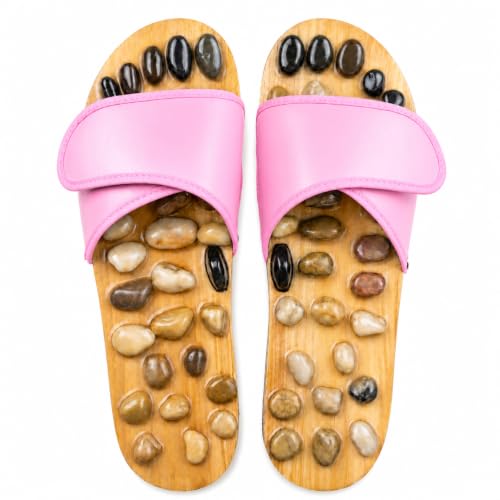


How We Evaluate the Best Acupressure Sandals
Our checklist scores every pair on the same six points, in the order your feet will notice them. Fit comes first, because even perfect nodes feel wrong in the wrong size. Pressure and support come next, then comfort during the first week, water behavior, and finally weight. A pair does not need top marks everywhere, but it should never fail on fit or on node comfort.
Fit, Sizing, and Toe Box
Measure your feet late in the day, when they are at their largest, and compare the length in centimeters with the brand size chart rather than trusting your usual shoe size. Your heel should sit fully inside the footbed rim, and your toes should rest on the node field without curling over the front edge. A wide toe box matters here because your toes need room to spread under pressure. If you land between sizes, size up, since a slightly long footbed is far more comfortable than nodes pressing into your toe joints.
Cushioning and Support
Look for a footbed with a firm base and a thin layer of cushioning above it, not a soft foam slab that lets the nodes sink and vanish. Stability matters more than plushness in this category, because the nodes need a steady platform to press from. Check the heel to toe drop as well. A low, gentle drop keeps your weight spread across the whole node field, while a steep drop overloads the forefoot. Good support also means the footbed holds its shape after weeks of wear instead of flattening out.
Break In Period and Comfort Out of the Box
Almost every pair feels intense at first, so judge comfort by the trend, not the first minute. Start with ten to fifteen minutes a day in socks, then add time as the tenderness fades. A well designed pair feels strong but tolerable on day one and clearly easier by the end of week one. Sharp pain, bruising, or numb toes are not part of a normal break in period. Those are signs the nodes are too tall or too hard for your feet, and you should stop and choose a gentler design.
Arch Support and Foot Type
Match the footbed contour to your arch. Flat feet usually do best with a mild arch rise and broad nodes that spread pressure evenly, while high arches need a footbed that actually reaches the midfoot, or all the pressure lands on the heel and forefoot. If you overpronate, choose a firmer footbed with a defined heel cup so your foot does not roll inward off the node field. One caution matters for everyone. Acupressure sandals are comfort footwear, not a medical treatment. Persistent foot pain, swelling, numbness, or sores that heal slowly are warning signs to see a doctor or a podiatrist, and people with diabetes or poor circulation should ask a clinician before using strong pressure nodes at all.
Waterproofing (Gore Tex and Membranes)
Full waterproof membranes such as Gore Tex belong in closed shoes, and you will rarely find them in open sandals. What matters here is simpler. The footbed and straps should tolerate splashes, dry quickly, and keep their grip when damp. Synthetic straps and rubber or EVA footbeds handle water well, while cork and leather footbeds absorb it and can crack or smell over time. If you plan poolside or garden use, pick an all synthetic pair. The trade off is breathability in reverse. Open sandals breathe by design, so quick drying matters more than any membrane.
Weight and Flexibility
A lighter sandal is easier to wear for longer sessions, but very light foam footbeds often flex too much and let the nodes shift under your weight. Aim for a middle ground, a footbed that bends slightly at the forefoot yet stays firm through the arch. Flex the pair by hand before your first wear. If the sole folds in half with little effort, support will be poor. If it feels like a rigid board, your feet will tire quickly. Balanced stiffness keeps the pressure even from heel to toe.
What Each Price Tier Delivers
Price tiers in this category describe build quality and materials, not magic results. Use these three profiles to decide what your budget should buy, then match pairs in the product table above against the profile that fits your routine.
Balanced Profile
The strongest all round pairs, usually about $45 to $80, combine molded nodes of varied heights, a contoured footbed with a real heel cup, and adjustable straps that hold the foot steady on the nodes. Expect durable rubber outsoles, even node spacing with no sharp edges, and sizing that runs true to the chart. The one limitation at this tier is choice. Color and style ranges stay narrow, because the money goes into the footbed rather than fashion.
Budget Profile
Value pairs, usually under $45, cover the basics well when you shop carefully. You get a flat or lightly contoured footbed, uniform nodes, and simple slip on straps. That is enough for short daily sessions around the house. The trade offs show up in durability and fit. Foam footbeds compress faster, straps stretch sooner, and wide or narrow feet get fewer options. If your plan is fifteen minutes after work rather than hours of wear, this tier makes sense and saves real money.
Best Profile for Heavy Use
If you will wear your pair daily on hard floors or outdoors, look at the upper end, around $80 to $120. Heavy use pairs add abrasion resistant outsoles, reinforced strap anchors, and denser footbed compounds that resist flattening for a year or more. Some add replaceable straps, which extends the life of the whole sandal. The limitation is intensity. These footbeds often use firmer nodes, so sensitive feet may still prefer a midrange pair even when the budget allows more.
Quick Buyer Checklist
Run through these questions before you order. Every yes means the pair fits your needs a little better.
- Does the size chart match your measured foot length in centimeters?
- Are the nodes rounded on top rather than sharp or pointed?
- Can you adjust at least one strap to stop your foot sliding?
- Does the footbed contour match your arch height?
- Is the outsole rubber or another grippy material for hard floors?
- Does the seller state a return window long enough for a slow break in?
- Have you planned short first sessions instead of all day wear?
Red Flags to Watch For
Walk away from listings that promise to cure medical conditions, detox your body, or fix your posture. Those claims tell you the seller cares more about marketing than accuracy. Vague specs are another warning sign. If a listing never states node material, footbed material, or sizing in centimeters, you cannot judge what you are buying. Watch for reviews that repeat the same phrases, a warranty of only a few weeks, and photos that hide the node tops. Finally, skip pairs with glued on decorative stones instead of molded nodes, since loose pieces can press unevenly or fall off. If foot pain runs in your family or you already treat a foot condition, browsing our guide to the best sandals for plantar support needs can help you compare gentler everyday options too.
Choosing Acupressure Sandals for Your Situation
Most buyers share the same checklist, but a few details shift with body weight, foot width, and where you will wear the sandals.
Best Rated Acupressure Sandals for Men
When you shop for the best rated acupressure sandals for men, three criteria move up the list. First, size range, since many node sandals stop at smaller sizes, so confirm your size exists before comparing anything else. Second, footbed density, because heavier body weight compresses soft foam fast, and a firmer base keeps the nodes effective. Third, strap strength and width, which keep a heavier foot from sliding on the nodes. Our roundup of the best sandals for guys covers everyday pairs that pair well with a dedicated acupressure set, and the broader list of best rated sandals is useful if you want a second, softer pair for rest days.
Tips to Get the Most From Your Acupressure Sandal
Start on carpet or a mat, which softens the first sessions while your feet adapt. Wear thin socks during week one, then go barefoot once the pressure feels controlled. Keep sessions after a warm shower at first, since warm feet tolerate pressure better than cold ones. Clean the footbed weekly with mild soap and water, and air dry it away from direct heat so the material does not warp. Rotate with a normal pair of sandals on rest days, because daily pressure with no break often leads people to quit entirely. Store the pair flat, not under heavy shoes, so the nodes keep their shape.
Acupressure Sandals: Your Questions Answered
Are expensive acupressure sandals worth it?
They are worth it only when the extra money buys better materials, not bigger claims. Premium pairs usually add denser footbeds, stronger strap anchors, and more careful node shaping, which means the pressure stays even for longer. If a costly pair lists the same foam and the same uniform nodes as a budget pair, the price is paying for branding. One point buyers miss is sizing. Higher tiers often include half sizes and wide options, and that fit upgrade alone can justify the jump.
Do I need waterproof shoes?
No, you do not need waterproofing for typical indoor use, and true waterproof membranes do not suit open sandals anyway. What you need is water tolerance. Choose synthetic straps and a rubber or EVA footbed if the pair will meet wet floors, patios, or pool decks. Cork and leather footbeds feel lovely when dry but stain and crack with repeated soaking. A practical detail is drying time. Pairs with fabric lined straps stay damp for hours, so unlined straps are the smarter wet use choice.
How should acupressure sandals fit?
They should fit with your heel seated inside the back rim and a small margin of footbed visible in front of your longest toe. Your foot should not hang over either side, because overhang shifts your weight onto the edge nodes and causes soreness. Straps should hold the foot snugly without pinching, and your toes should be able to wiggle. Try them late in the day, walk on a hard floor for two minutes, and check that your foot stays centered on the node field instead of drifting forward.
How often should I replace my acupressure sandals?
Replace them when the nodes no longer feel distinct under your feet, which for daily wear is often around twelve to eighteen months. Flattened foam, cracked node tops, and straps that no longer hold adjustment are the clear signals. A simple test helps. Press a thumbnail into the footbed beside a node. If the material stays dented instead of springing back, the cushioning layer is done. Outdoor use on concrete shortens the lifespan, so check the outsole tread every few months as well.
How long is the break in period?
For most people the break in period lasts about one to two weeks of short daily sessions. Begin with ten minutes, add five minutes every few days, and expect the strongest tenderness in the first three sessions. Wearing socks early on cuts the intensity roughly in half, which helps you stay consistent. If one specific spot stays sharply painful after a week, inspect that node for a molding flaw or rough edge. A single bad node is a defect, not something your foot should learn to tolerate.
Can I wear them all day?
Not at first, and many people never should. Acupressure nodes concentrate pressure in a way normal sandals do not, so even adapted feet usually top out at a few hours of wear split across the day. Build up gradually, alternate with regular footwear, and treat lasting soreness as a signal to cut back. People who stand on concrete all day should be especially careful, since hard floors add their own load. If your job keeps you on your feet, use the sandals at home and keep supportive shoes at work.
The Bottom Line
Fit, node shape, and footbed firmness decide whether a pair helps your routine or ends up in a closet. Score every candidate against the checklist above, respect the break in period, and let the comparison table above confirm prices and sizing before you order. Chosen well, the best acupressure sandals become an easy daily habit rather than a test of endurance. Talk with your clinician about your personal needs if you have diabetes, circulation problems, or ongoing foot pain, and choose the gentlest node profile your clinician approves.