
Best Activewear Sets 2026: Fabric, Fit and Movement
Disclosure: We may earn a commission when you buy through links on this page, at no extra cost to you. As an Amazon Associate I earn from qualifying purchases. Learn more

An activewear set should move, breathe and wash well. Learn about fabrics, fit, layering, pockets and care for training and daily wear. Read before you buy.
A matching activewear set saves morning decisions, but only if both pieces move well, breathe, and survive repeated washing. The best activewear sets are the ones whose fabric suits the activity, whose fit stays put during movement, and whose colours and shape hold up after many washes. A set that looks good new but bags, pills, or chafes quickly is poor value.
The comparison table below shows the main options side by side. This guide covers fabric choices, fit for different activities, layering, and care, so the set works for training and for everyday life.
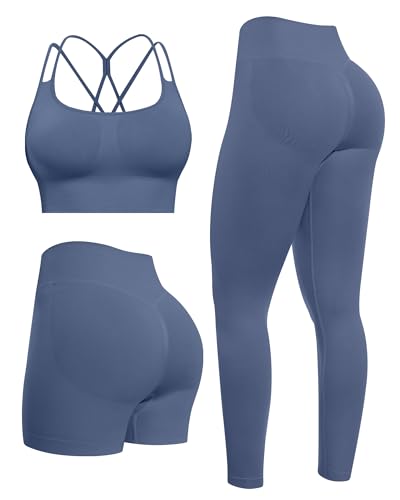
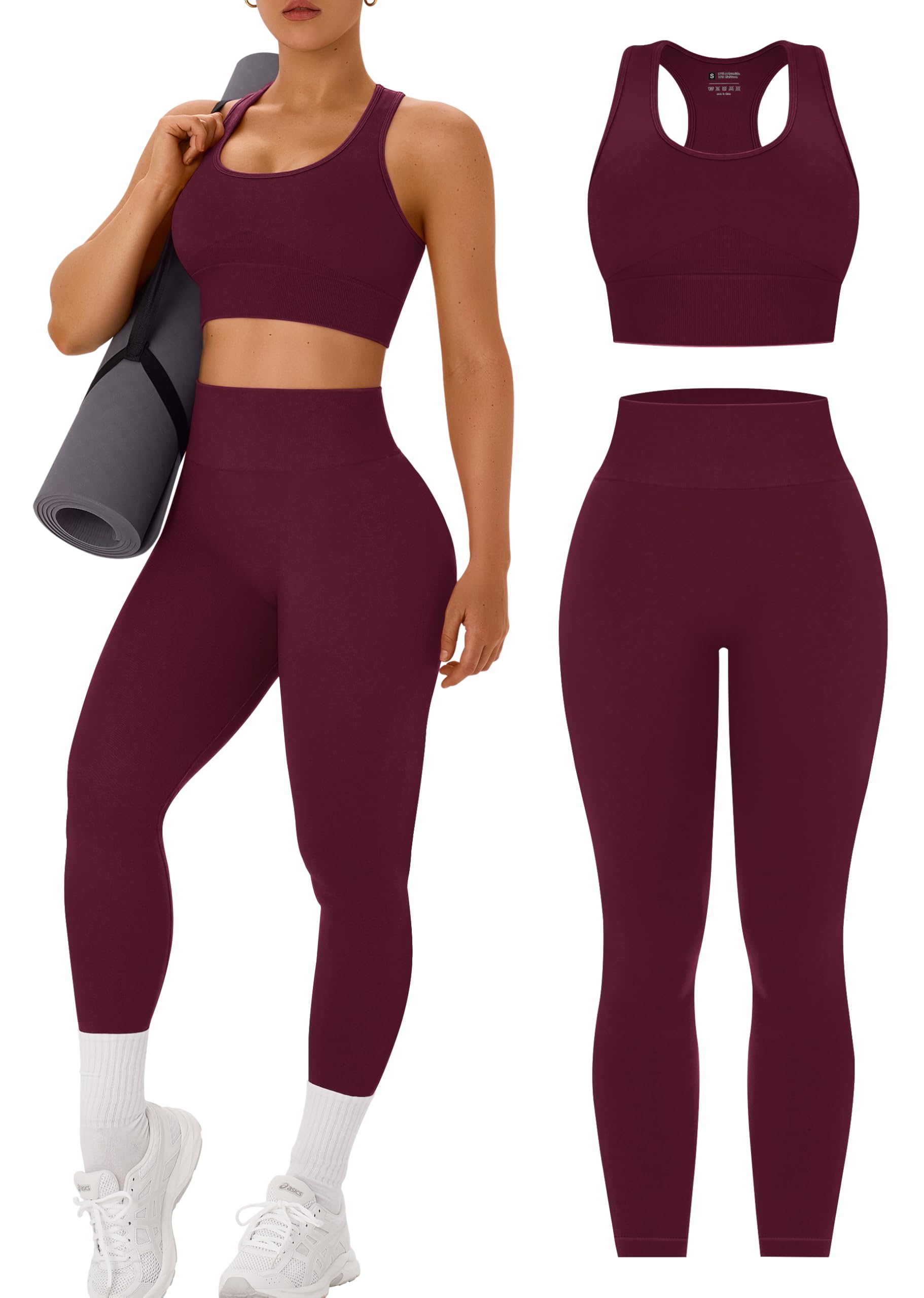

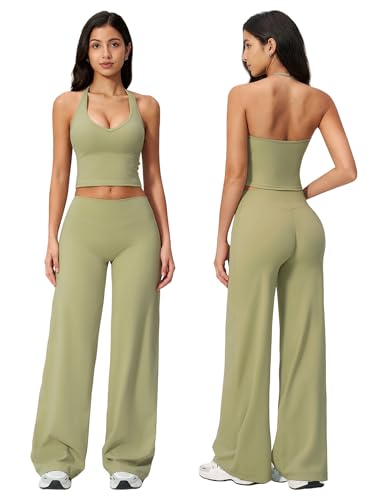


Fabric Choices: What Each Blend Does
Polyester blends wick sweat and dry quickly, making them popular for running and gym training. Nylon blends offer softness and durability with good stretch, while cotton blends feel natural and comfortable for low intensity wear but stay damp longer during hard workouts. Elastane content, usually a small percentage, gives the stretch that keeps a set moving with the body.
Fabric weight matters too. Light fabrics suit hot weather and high intensity training, while heavier knits suit cooler days and lounge wear. Check the fabric feel and the care label together: a set that needs delicate handling may not suit daily training, however nice it feels new.
Women shoppers can compare best women's activewear sets, which focuses on fit, rise, and support details for women's training sets.
Fit: Movement, Coverage and Comfort
Fit should allow a full range of motion without riding up, digging in, or needing constant adjustment. Test squats, lunges, overhead reaches, and twists in the set before deciding, since a set that fits standing still may fail during movement. Waistbands should sit flat without rolling, and tops should cover without restricting shoulders.
Coverage preferences vary by activity and personal comfort. High waisted leggings suit many training styles, while looser shorts suit court sports and hot weather. Choose fit by activity and comfort, not by fashion alone, and consider whether the set will also be worn for errands or travel, where a tidier look helps.
Activity Matching: Gym, Run, Yoga and Everyday
Gym sets benefit from durable, sweat wicking fabrics and secure fits that stay put during lifts and floor work. Running sets benefit from light weight, reflective details for low light, and pockets that hold a phone without bouncing. Yoga and stretching sets benefit from soft, four way stretch fabrics and waistbands that do not dig during bends.
Everyday sets can favour softer, slightly heavier fabrics and a cleaner look that works beyond the gym. A set bought for one activity can often serve another, but a set bought for everything may excel at nothing. Match the main activity first, then check whether secondary uses still work.
Layering, Pockets and Practical Details
Layering extends a set across seasons. A light jacket or long sleeve top over a short set handles cool mornings, while a base layer under a set handles cold training days. Pockets should be tested with a real phone and keys: a pocket that bounces or gaps during movement is worse than no pocket at all.
Seams, zips, and drawstrings deserve attention. Flatlock seams reduce chafing on long sessions, a secure zip pocket protects valuables, and a drawstring that stays tied avoids mid workout adjustments. Small details like these decide daily satisfaction more than brand logos.
Washing, Durability and Value
Wash activewear in cool water, avoid fabric softener which coats wicking fibres, and air dry where possible to protect elastane. Turn sets inside out, wash with similar colours, and avoid high heat, which breaks down stretch over time. A set that survives fifty washes well is better value than a cheaper set replaced twice a year.
Check seams, waistband elastic, and colour fastness after the first few washes. Pilling on high friction areas, fading, or stretched waistbands are early signs of short life. Spending a little more on a durable set often costs less per wear than repeated cheap replacements.
A Closer Look Before You Order
Before buying, try the movement test in the shop or at home on arrival: squats, lunges, overhead reaches, and a short walk. A set that passes standing fit but fails movement will disappoint in the first workout. Keep tags on until the movement test is done, so a poor fit can be exchanged easily.
Also check the wash label against real laundry habits. A set that needs hand washing or delicate cycles will not suit a household that washes training gear with everything else. Easy care fabric that survives normal washing is worth more than a delicate fabric that looks good once.
Finally, consider cost per wear rather than price alone. A durable set worn weekly for two years costs less per wear than a cheap set replaced every few months. Seams, waistband elastic, and colour after several washes are the true value signals, not the first impression.
Mistakes That Shorten Activewear Life
One common mistake is washing activewear hot with fabric softener, which coats wicking fibres and breaks down elastane. Cool water, no softener, and air drying protect stretch and wicking far better, and the habit costs nothing. Heat is the quiet killer of training clothes.
Another mistake is buying for standing fit only. A set that looks good standing still may ride up, dig in, or chafe during squats, lunges, and overhead reaches. Testing movement before removing tags prevents an exchange problem and a wasted workout.
A third mistake is leaving sweaty sets balled up in a bag, where bacteria thrive and odour sets in. Washing promptly, or at least airing the set after training, keeps fabric fresh and extends its life noticeably.
Finally, many buyers judge value by price alone, while a cheap set replaced twice a year costs more per wear than a durable set worn weekly for two years. Seams, waistband elastic, and colour after several washes are the true value signals.
Choosing With Confidence
A final practical test is to wear the set for a full workout and then wash it exactly as the label directs, checking fit during movement and shape after washing. A set that passes the shop mirror but bags after one wash, or fits standing but rides up during training, fails the only tests that matter. One workout plus one wash reveals the truth.
Also check the set under the lighting where it will actually be worn, since colours and fabric sheen change between shop lights and daylight or gym lights. A set that looks right in daily light, moves freely, and washes well is a better buy than one that only impresses under bright store lighting.
One last check costs nothing and prevents most regrets: wash the set once exactly as the label directs, then try the full movement test again after washing. A set that keeps its fit, colour, and stretch after that first wash is very likely to stay comfortable and tidy through many more training weeks.
Frequently Asked Questions
What fabric is best for gym training?
Polyester or nylon blends with elastane suit gym training well, since they wick sweat, dry quickly, and stretch with movement. Cotton blends feel comfortable for light sessions but stay damp during hard workouts. Choose fabric by intensity: wicking blends for hard training, softer blends for light wear.
How should activewear fit for workouts?
It should allow full movement without riding up, digging in, or needing adjustment during squats, lunges, and overhead reaches. Waistbands should sit flat, tops should cover without restricting shoulders, and seams should not chafe. Test movement, not just standing fit, before buying.
Can one set work for running and yoga?
A soft, stretchy, wicking set can serve both, but running favours light weight and reflective details, while yoga favours soft four way stretch and secure waistbands. A versatile set works for moderate use in both, while dedicated sets perform better for serious training in either activity.
How do I stop activewear from smelling?
Wash promptly after workouts, use cool water, skip fabric softener, and air dry where possible. Bacteria thrive in damp, warm fabric, so do not leave sweaty sets balled up in a bag. A sports wash product can help for persistent odour, but good drying habits matter most.
Why does my activewear lose stretch?
Heat is the main cause: hot washing, hot drying, and ironing break down elastane over time. Wash cool, air dry, and avoid high heat. Storing sets folded rather than stretched on hangers also helps waistbands keep their shape longer.
Final Thoughts
The right set moves freely, breathes well, and survives the wash without losing shape or colour. Fabric, fit, and activity matching together matter more than a matching logo or a low price. The product table above can help compare the main options side by side.
For most buyers, the best activewear sets are the ones worn weekly without thought: comfortable in motion, easy to wash, and tidy enough for life beyond the gym. Choose durable fabric and honest fit, and the set will earn its price per wear.


