
Best Acoustic Drum Sets 2026: Shells, Sizes and Sound
Disclosure: We may earn a commission when you buy through links on this page, at no extra cost to you. As an Amazon Associate I earn from qualifying purchases. Learn more

An acoustic drum set is a long term buy. Learn about shell woods, sizes, hardware, heads, practice noise and tuning before you choose. Read before you buy.
An acoustic drum set shapes how a drummer learns, practises, and performs, so the choice deserves more thought than colour or price alone. The best acoustic drum sets are the ones whose shell material, sizes, and hardware suit the player level, the music style, and the room where they will be played. A set that is hard to tune or awkward to sit at will slow progress, however good it looks.
The comparison table below shows the main options side by side. This guide explains shell woods, drum sizes, hardware quality, heads, and the practical question of volume at home.


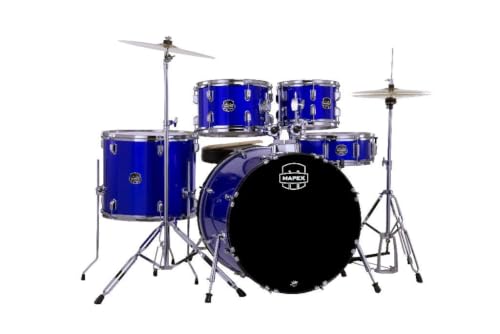
Shell Materials and Their Sound
Shell material shapes tone more than finish does. Maple shells sound warm and balanced, birch shells sound bright and focused with strong attack, and poplar or mixed woods offer an affordable starting point with a pleasant, general tone. Mahogany adds low end warmth, while metal snares cut through a loud band with a sharp crack.
Shell construction matters too: ply count, bearing edge quality, and hoop type all affect tuning stability and resonance. A well made affordable shell often sounds better than a poorly made premium shell. Listen for even tuning across the drum and a tone that sustains without harsh overtones.
A broad overview in best drum sets compares acoustic and electronic options and helps narrow the choice before focusing on shells.
Beginners should also see best starter drum sets, which focuses on value, simple setups, and first upgrades.
For quiet home practice, best digital drum sets explains electronic alternatives and how they compare with acoustic feel.
Sizes, Configuration and Music Style
Standard configurations suit rock and pop, with a 22 inch bass drum and a mix of rack and floor toms. Smaller jazz style sets with an 18 or 20 inch bass drum suit quieter rooms and acoustic music, while larger fusion sets suit players who want more tom voices. The right sizes follow the music and the room, not a wish list of drums.
Depth affects sound as well: deeper drums sound bigger and lower, while shallower drums respond faster and tune higher. Beginners benefit from a standard, versatile configuration that can be tuned for many styles, rather than an exotic setup that only suits one genre.
Hardware: Stands, Pedals and Stability
Hardware quality decides whether a set stays put during playing. Sturdy stands, a smooth bass pedal, and a throne that holds height without slipping all matter daily. Cheap hardware wobbles, creeps, and needs constant adjustment, which distracts from playing and can damage drums over time.
Check pedal feel, hi hat action, and cymbal stand stability before buying. Double braced stands suit heavier cymbals and energetic playing, while lighter stands suit quiet practice and transport. Good hardware can be kept when shells are upgraded later, so it is worth a fair share of the budget.
Heads, Tuning and Cymbals
Factory heads are often a compromise, and a fresh set of quality heads can transform a mid priced set. Coated heads suit snares and toms for a warm, controlled sound, while clear heads sound brighter and more open. Learning basic tuning, even and gradual, improves any set more than any single purchase.
Cymbals deserve separate attention, since bundled cymbals are often the weakest part of a starter set. Budget for at least a decent hi hat and ride, and add crash cymbals as playing develops. A good cymbal lasts for years and holds its value better than a cheap set that sounds harsh from day one.
Volume, Practice and Neighbours
Acoustic drums are loud, and volume is a practical issue at home. Practice pads, mesh heads for quiet practice, and low volume cymbals can reduce noise substantially while keeping feel reasonably close to real drums. Room placement away from shared walls, plus rugs and soft furnishings, also helps.
Agree practice times with household members and neighbours early, and keep sessions focused. Short, regular practice on a well set up kit beats long, loud sessions on a kit that is hard to play. Hearing protection is sensible for loud practice and for playing with amplified bands, especially for young players.
Related Guides Worth Reading
Readers comparing options may also find best drum sets for beginners useful, since it covers a closely related choice in the same category.
A Closer Look Before You Order
Before buying, sit at the set if possible and check throne height, pedal reach, and tom angles, since comfort shapes practice more than shell wood. A set that forces awkward posture will tire a player quickly and can encourage bad habits. Adjustability in stands and throne matters as much as drum quality for a growing player.
Also plan the practice space honestly, including noise, storage, and room for a teacher or bandmates. A set that cannot be left set up will be played less, while a set squeezed into a noisy shared room will cause friction. Space and noise planning are part of the purchase, not afterthoughts.
Finally, budget for the extras that make a set playable: decent heads, a practice pad, hearing protection, and at least a usable hi hat and ride. A complete, playable setup at a modest price beats an impressive shell pack that cannot be played properly for months.
Mistakes That Slow a New Drummer
One common mistake is buying too many drums too soon. A large set overwhelms a beginner, complicates tuning, and encourages poor posture from reaching too far. A standard five piece set with good hardware teaches fundamentals better and leaves room to grow sensibly.
Another mistake is spending everything on shells and nothing on heads, cymbals, and hardware. Factory heads are often a compromise, bundled cymbals are frequently harsh, and wobbly hardware distracts constantly. Balanced spending across the whole kit sounds and feels better.
A third mistake is ignoring setup comfort. Throne height, pedal reach, and tom angles shape posture and stamina, and a kit that forces awkward positions tires a player quickly. Taking time to adjust the kit before playing pays off in every practice session.
Finally, many players practise loud without hearing protection or neighbour consideration, which risks hearing and household harmony. Practice pads, low volume options, and agreed practice times keep progress steady without conflict.
Choosing With Confidence
A final practical test is to play the set for at least half an hour, covering soft playing, loud playing, and the styles that will actually be practised. Tuning stability, pedal feel, and throne comfort all reveal themselves over a longer session, while a five minute tap in a shop hides them. A longer trial, ideally with a teacher present, is worth arranging.
Also confirm what is included and what is not, since shell packs, hardware packs, and cymbal packs are often sold separately. A complete budget that includes heads, a throne, and at least usable cymbals prevents a shell pack sitting unplayable for months while extras are saved for.
Frequently Asked Questions
What shell wood should a beginner choose?
Poplar or mixed wood shells offer good value and a pleasant general tone for beginners, while maple and birch suit players ready to invest more. Construction quality and tuning matter more than wood species alone. A well made affordable set that tunes easily will encourage practice more than an expensive set that is hard to control.
How many drums does a beginner need?
A standard five piece set with snare, bass drum, two rack toms, and a floor tom suits most beginners, plus hi hat, ride, and one crash cymbal. Extra drums can wait until playing style develops. Fewer, well chosen drums that are easy to reach and tune beat a large set that overwhelms a new player.
Are bundled cymbals good enough to start?
Bundled cymbals are usable for starting out, but they are often harsh and limited in tone. Plan to upgrade the hi hat and ride first as playing improves. Good cymbals last for years, so spending a little more there is usually better value than buying more drums.
How can I practise drums quietly at home?
Practice pads, mesh heads, and low volume cymbals reduce noise greatly while keeping stick feel close to real drums. Add rugs and soft furnishings, avoid shared walls where possible, and agree practice times with others in the home. Hearing protection is still wise for louder sessions.
How often should drum heads be replaced?
Snare and tom heads last months to a year depending on playing intensity, while bass heads last longer. Replace heads when they dent, lose tone, or will not hold tuning. Fresh heads and careful tuning often improve a set more than any hardware upgrade.
Final Thoughts
A good drum set balances shell quality, sensible sizes, sturdy hardware, and room for growth. Beginners should favour versatile configurations and solid hardware over extra drums or flashy finishes. The product table above can help compare the main options side by side.
For most players, the best acoustic drum sets are the ones that tune easily, sit comfortably, and sound good across styles. Take time to sit at the kit, check the hardware, and plan for quiet practice, and the set will support years of playing.


