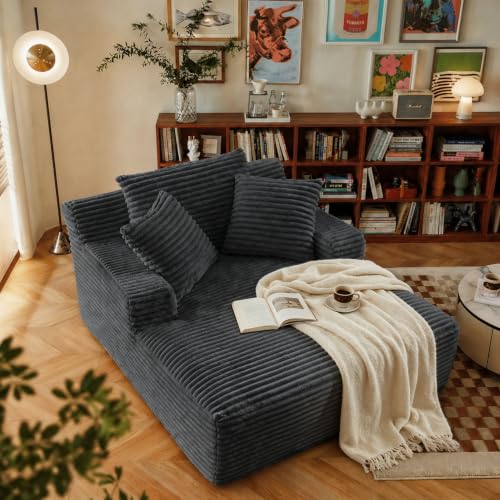
Best Accent Lounge Chairs in 2026: Which Type Is Right for You?
Disclosure: We may earn a commission when you buy through links on this page, at no extra cost to you. As an Amazon Associate I earn from qualifying purchases. Learn more
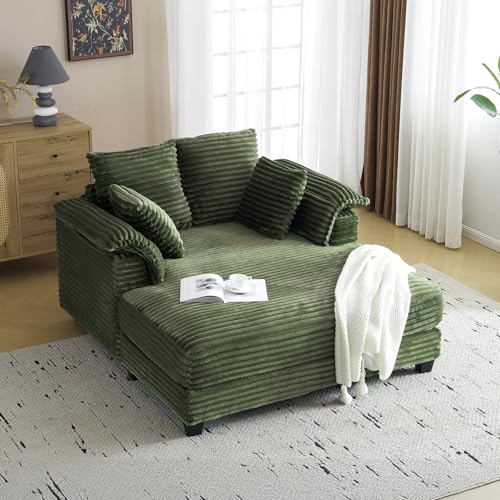
Compare accent lounge chair types by size, cushion support, fabric and frame, with simple sizing checks and care tips to help you choose with confidence.
Choosing among accent lounge chairs is confusing because a chair that looks perfect in a photo can feel too deep, too low or too wide once it reaches your room. The best accent lounge chairs balance three things at once, a seat that suits your body, a footprint that suits your floor and a style that suits the furniture you already own. Use the comparison table below to compare types before you fall for a color.
This guide compares chairs by type rather than by brand, then walks through the checks that matter in a living room, bedroom or reading corner. You will learn how seat depth changes comfort and how to measure a doorway before you order. By the end, you can match a type to your space, budget and sitting habits.

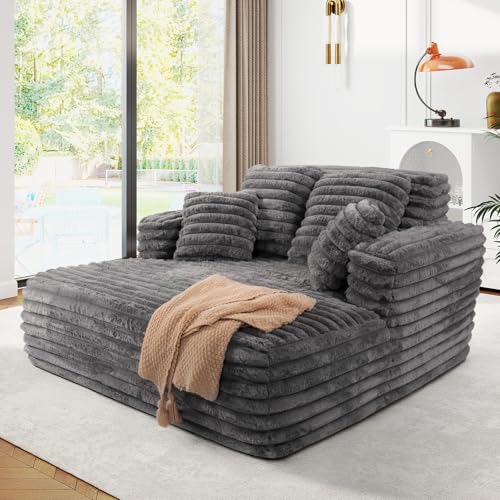


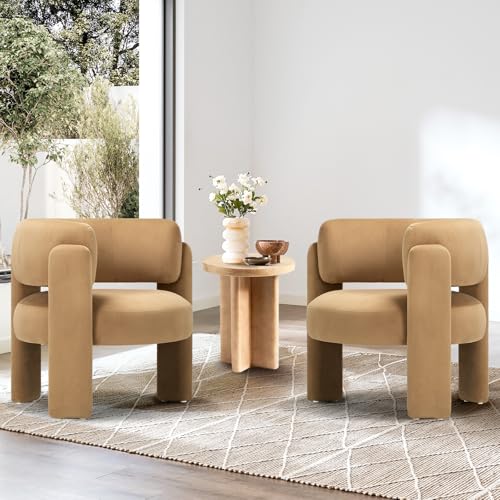


Types of Accent Lounge Chairs Compared
Accent lounge chairs fall into four broad types, and most disappointment comes from picking a type for its looks alone. For a broader view of loungers for other rooms, see our guide to the best lounge chairs.
Compact Space Saving Models
Compact models keep the lounge shape but trim the scale, with narrow arms or no arms and an overall width of about 26 to 30 inches. They suit apartments, bedroom corners and pairs beside a sofa, where a full size chair would crowd the walkway. The trade off is a shallower sit and less room to curl up sideways.
Premium Statement Models
Premium models are built as the anchor piece of a room, with a solid wood frame, fuller cushions and fabrics such as velvet or a thick linen weave. Prices often run about $600 to $1,200, and the extra cost buys stronger joinery, denser foam and upholstery that holds its shape for years. They suit a main living room seat you plan to keep through several room updates.
Budget Models
Budget models usually cost about $120 to $300 and rely on engineered wood frames, thinner foam and simpler fabrics to keep the price down. They work well in a guest room, a first apartment or a corner that gets light use a few times a week. The seat feels fine at first, but the cushion softens sooner and the fabric wears faster than on pricier types.
Ergonomic Comfort Models
Ergonomic comfort models shape the seat and back around the body, with a curved back that supports the lower back, a slightly reclined angle and high density foam that resists sinking. Prices often run about $350 to $800. They suit readers and anyone who sits for an hour or more at a stretch, since the back angle spreads pressure instead of pushing you upright.
Compact Space Saving Models Versus Premium Statement Models: Which Should You Choose?
The two types differ first in footprint. A compact chair fits a corner with room to spare, while a premium chair needs a clear zone of its own and can overwhelm a small room. They also differ in build, since compact models use lighter frames to stay easy to move, while premium models use solid wood and denser foam that add comfort and years of use.
Choose the compact type if your room is small, if you rearrange often or if you need two chairs for the price of one large piece. Choose the premium type if the chair will be the main seat in your living room and you want one purchase to last.
How to Choose the Right Accent Lounge Chair
When you compare the best accent lounge chairs with a tape measure in hand, most choices become simple. Work through the five checks below in order, since size and support rule out more chairs than color will.
Cushion Fill and Seat Support
The cushion decides how a chair feels after twenty minutes, not in the first ten seconds. High density foam holds its shape and supports your weight evenly, while low density foam feels soft in a showroom and flattens within a year or two. If you sit for long stretches, pick the firmer cushion, since you can soften a firm seat with a throw pillow but cannot firm up a seat that has gone flat.
Frame, Base and Weight Capacity
A strong frame uses solid wood or sturdy engineered wood with corner blocks and joints that are glued and screwed, not only stapled. Most accent lounge chairs hold about 250 to 300 pounds, and solid frames may hold up to 350 pounds, so check the rating against every regular user. Base style matters too, since four fixed legs feel most stable, a swivel base helps in conversation areas and a rocking base suits a nursery corner but needs extra clearance. Readers who put build quality first can also see our guide to the best quality accent chairs.
Materials and Upholstery
Upholstery decides how the chair looks and how much work it asks of you. Velvet gives rich color and a soft hand, but it shows pressure marks and needs gentle brushing. Linen and woven polyester blends hide crumbs and pet hair better and wipe clean more easily.
Faux leather wipes down fastest but can feel warm in summer. Match the fabric to your household, since a stain resistant weave serves a family room better than a delicate pile.
Size, Style and Room Fit
Measure before you fall for a style. Most accent lounge chairs stand about 30 to 34 inches wide, with a seat depth of about 20 to 23 inches and a seat height of about 16 to 19 inches. Your feet should rest flat and the seat front should leave a small gap behind your knees. These chairs are indoor furniture, so if you need patio seating, see our guide to the best outdoor lounge chairs instead.
Assembly, Delivery and Warranty
Most accent lounge chairs arrive with the back and legs separate, and assembly usually means bolting on the legs and sliding the back onto brackets in about 15 to 30 minutes. Check box dimensions against your doorway and stairs before you order, since a chair that cannot reach the room is a return waiting to happen. Look for a frame warranty of at least one year and a return window that lets you sit in the chair at home, because comfort is hard to judge from photos.
Common Mistakes to Avoid
These errors cause most returns, and each one is easy to prevent before you order.
- Buying by photo alone leaves you with a seat that is too deep for your legs and strains your back.
- Skipping the doorway measurement means a chair you love may never reach the room it was bought for.
- Choosing delicate fabric for a busy family room leads to stains and worn patches within the first year.
- Placing a wide chair in a tight corner blocks the walkway and makes the whole room feel crowded.
- Ignoring the weight rating risks a cracked frame when a heavier guest sits down.
How to Make Your Accent Lounge Chair Last Longer
Vacuum the upholstery every week or two with a soft brush tool, since grit in a weave acts like sandpaper on the fibers. Blot spills at once with a clean cloth and plain water, and keep the chair out of direct sun, because sunlight fades fabric and dries out faux leather. Rotate and flip any loose seat cushion every few weeks so one side does not compress faster.
Check the legs and frame bolts every few months and tighten any that have worked loose, since a small wobble grows into joint damage if you keep sitting on it. Lift the chair when you move it instead of dragging it, because dragging twists the legs and loosens joints.
FAQ
How long should a good accent lounge chair last?
A good accent lounge chair should last about 7 to 10 years of regular use. The frame usually outlives the cushion, so expect the seat to feel softer after about 3 to 5 years even when the chair still looks sound. A guest room chair can serve far longer than the same chair used daily.
Is an expensive accent lounge chair worth it?
An expensive accent lounge chair is worth it when you sit in it daily and plan to keep it for many years. The higher price usually buys a solid frame, denser foam and fabric that resists sagging and fading. Spread over a decade, a premium chair can cost less per year than replacing a budget chair twice. For a guest room seat used a few times a month, the extra spend rarely pays back.
How do I choose the right size accent lounge chair?
Choose the right size accent lounge chair by matching three numbers to your body and room, seat height, seat depth and overall width. Sit in similar chairs and note where your feet and knees land, then mark the footprint on your floor with tape before you order. The tape outline shows at once whether the chair blocks a doorway swing or walkway. Allow extra width if you sit with a book or tablet in your lap.
What features matter most for long hours in an accent lounge chair?
For long hours in an accent lounge chair, the features that matter most are a back angle that lets you lean slightly, a seat deep enough to shift position and arms that support your forearms without lifting your shoulders. Add a small firm pillow at your lower back if the seat is deep, and consider a separate ottoman so your feet rest level. Stand and move every hour, since no chair shape replaces a change of position.
Our Verdict
Match the type to the room first, then judge cushion support and frame build, and only then choose fabric and color. A compact chair serves a small room better than a premium chair squeezed into the same corner, and a firm cushion serves a daily reader better than a soft one that flattens. Use the product table above to check width, seat depth and price against your measured space.
When you shop with those checks in mind, the best accent lounge chairs stop being a guess and become a fit you can feel on the first evening. Pick the simplest type that meets your needs, and the chair will earn its place in the room for years.