Best Abu Boots at Every Price in 2026: What Your Money Really Gets You
Disclosure: We may earn a commission when you buy through links on this page, at no extra cost to you. As an Amazon Associate I earn from qualifying purchases. Learn more

Compare the best abu boots by price tier, fit, traction, cushioning and uniform rules so you can pick the right pair without overspending on duty.
ABU boots sell across a wide price range, and the gap is not obvious from a photo. Two pairs in the same sage green color can feel very different after ten hours on concrete. The best abu boots for you depend on your duty, your feet and your weekly miles, so match each tier to your routine in the comparison table below.
This guide skips named picks and explains what money actually buys: which upgrades change comfort, which ones only change looks, and where a modest pair is honestly enough. Start with your job and your budget, then check fit before anything else.


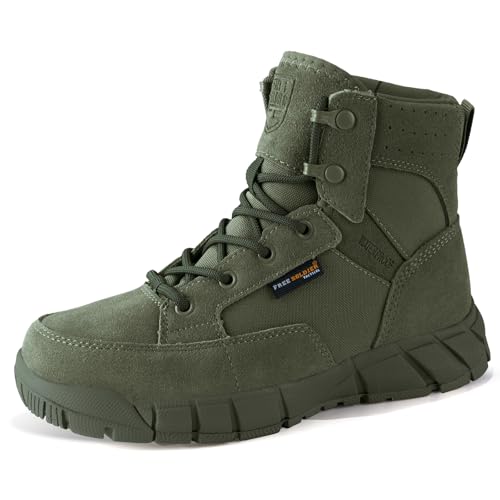

Who Should Buy Which ABU Boots?
Your daily surface and duties should set your budget before styling enters the picture.
Airmen in Garrison, Office and Classroom Duty
You spend most of the day indoors, on smooth floors, walking short distances. A budget or middle tier boot with a soft toe, sage green suede and moderate cushioning will usually cover this work. Spend extra on good socks and spare laces instead of premium features you will rarely feel.
Flight Line, Maintenance and Security Forces Crews
You work on concrete, gravel and wet pavement, and your job may require a safety toe. Choose a boot your unit accepts, with a composite or steel toe only if your duties call for one. Deeper lugs, a stable heel and stronger suede earn their cost here, because slips and worn soles end a boot early. If you kneel, climb and carry loads, favor firm ankle support over a soft, flexible feel.
Trainees, Cadets and Airmen Who March Often
You will put in long miles early, often before your feet are used to boots. Fit and break in time matter more than any premium label. Choose room in the toe box and steady arch support, and start wearing the boots well before a long march. A middle tier pair suits this group best, since cheap boots punish new feet.
ABU Boot Price Tiers and Uniform Basics
Use price tiers to predict materials and comfort when you compare best abu boots, and treat the ranges as a guide, since sales move prices often.
Budget Tier, About $80 to $120: Simple Uniform Basics
Budget ABU boots cover the uniform basics: sage green suede, a standard height shaft and a basic rubber outsole. Cushioning is a simple foam insole that feels fine for short days but packs down within months. Stitching and eyelets are functional rather than refined. This tier suits occasional wear, short shifts and a compliant backup pair.
Middle Tier, About $120 to $170: Less Fatigue for Daily Wear
Middle tier boots add denser cushioning, a smoother lining and suede that scuffs less and holds its shape longer. Outsoles usually grip wet concrete better. Most daily wearers feel this jump on long shifts, because foot fatigue builds later in the day. For airmen in uniform five days a week, this tier balances value and service life most evenly.
Premium Tier, About $170 to $230: Lighter, Stronger Boots
Premium ABU boots use lighter midsoles, more durable lug rubber and linings that manage heat and moisture better. Some add a Gore Tex lining or an outsole compound that keeps grip as lugs wear. This tier pays off for heavy daily use, harsh surfaces and buyers who keep one pair in service for years.
Key Features to Compare in ABU Boots
Check these factors in order, because a boot that fails the first two will not be saved by the rest.
Uniform Compliance, Color and Toe Style
An ABU boot must first look correct in uniform: sage green suede, a height of about 8 to 10 inches and a plain, rounded toe without decoration. Rules and unit guidance can vary, so confirm the current standard with your unit before you buy. Soft toe boots suit most duties and weigh less. A composite safety toe adds protection for industrial work while staying lighter than steel.
Sizing ABU Boots With Duty Socks On
Measure both feet in the afternoon, when they are at their largest, and size to the longer foot. With duty socks on, leave about a finger width of space ahead of your longest toe. The heel should stay planted when you walk, while the toe box lets your toes spread under load. Width matters as much as length, because a wide foot squeezed into a standard last will ache long before the sole wears out.
Midsole Cushioning for Hour Eight on Concrete
Cushioning decides how concrete feels at hour eight, so look for a midsole that feels firm and springy rather than soft and flat. Arch support should match your foot: flat feet usually need steadier support to limit inward rolling, while high arches often need more padding under the midfoot. Heel to toe drop on duty boots is modest, commonly about 8 to 12 mm. If foot pain keeps returning, talk with a clinician about your personal needs.
Outsole Traction, Lug Pattern and Stability
Traction comes from lug shape and rubber softness, not from lug depth alone. Wide, spaced lugs clear gravel and mud, while closer lugs on a flatter sole grip smooth concrete and indoor floors better. A broad heel base and a firm midfoot shank add stability when you carry weight. Very soft rubber grips well but wears fast on pavement, so crews who walk mostly on asphalt should favor a harder compound that holds its edges.
Breathability, Water Resistance and Boot Weight
Suede and fabric panels vent heat on dry bases, which helps in hot climates where feet sweat through long shifts. A waterproof lining such as Gore Tex keeps rain and puddles out, yet it also holds warmth in, so summer wearers often prefer an unlined boot. True waterproof boots also cost more and dry slowly. Weight adds up across a shift: a pair near 3 pounds feels notably easier than one near 4 pounds.
Insole and Sock Replacement Costs Over Time
The purchase price is only part of what a pair costs you. Insoles often need replacing every 6 to 12 months, and duty socks wear out faster than the boots themselves. Fresh insoles can extend the life of a middle tier boot by months. Laces and suede cleaner cost little and protect the bigger purchase.
Replacement timing is the largest hidden cost. A cheap pair replaced twice can cost more than one durable pair. Keep the receipt and warranty terms, since some makers cover stitching and sole defects for a set period after purchase.
Common Mistakes to Avoid
Most ABU boot regrets come from a few repeat errors at the buying stage.
- Buying by street shoe size alone leaves toes cramped once thick duty socks enter the picture.
- Choosing a safety toe you do not need adds weight and cost to every step.
- Ignoring unit rules on color and toe style can leave you with boots you cannot wear on duty.
- Wearing new boots on a long march invites blisters that can sideline you for days.
- Judging grip by lug depth alone misses how rubber and lug spacing change traction on wet concrete.
- Paying for waterproof lining on a hot, dry base leaves feet hotter with no benefit.
Care and Maintenance for ABU Boots
Brush dry dirt from the suede after duty with a stiff nylon brush. Stuff the boots with newspaper or use boot trees to hold their shape. Let wet boots air dry away from heaters and direct sun, because forced heat cracks suede and weakens glue lines. Rotate two pairs if you can, since rest days let foam recover.
Treat stains with a cleaner made for suede, tested on a hidden area first. Check lugs, stitching and eyelets each month, and replace worn laces before they snap on duty. Store boots upright in a dry place, never sealed in a plastic bag while damp.
ABU Boots: Your Questions Answered
Can I wear ABU boots all day on duty?
Yes, you can wear ABU boots all day once they are broken in. Build up wear time over several days before your longest shift. Carry blister tape during the first week. If one spot rubs in the same place every day, the fit is wrong, not just new, and an exchange beats months of taping.
How often should I replace ABU boots?
Replace ABU boots when the lugs are smooth, the midsole feels dead or the upper cracks at the flex points. Daily wearers often reach that point after about 500 to 800 miles. If the heel midsole feels hard and deep creases stay when pressed, the cushioning is spent.
How should ABU boots fit when I first try them on?
ABU boots should feel snug at the heel and midfoot, with clear space ahead of your toes and no pinch across the top of the foot. Lace them as you would on duty, then walk stairs if you can. Your heel may lift slightly at first, but it should not slide forward. Bring the exact socks and insoles you plan to wear.
Are premium ABU boots worth the extra cost?
Premium ABU boots are worth it when you wear them daily on hard surfaces or in harsh weather. The gain shows up as slower sole wear, steadier grip and less end of day soreness. If you wear boots only for inspections or a few short days each month, a middle tier pair plus spare socks serves you better.
How long is the break in period for ABU boots?
The break in period for ABU boots is usually about one to two weeks of regular wear. Stiff suede softens first at the ankle and across the toes. Short walks, then half shifts, then full days is the safest order. Avoid soaking boots to speed the process, because wet shaping can loosen glue and leave suede blotchy.
The Bottom Line
Start with uniform compliance, then fit, then the tier your duties justify. Daily crews on concrete gain the most from middle and premium boots, while occasional wearers can stay in the budget tier and save the rest. Use the product table above to check toe style, weight and price.
Chosen that way, the best abu boots are simply the pair you can wear all shift, all week, without thinking about your feet.