Best Absorbent Beach Towels for Every Need in 2026: How to Pick the Right One
Disclosure: We may earn a commission when you buy through links on this page, at no extra cost to you. As an Amazon Associate I earn from qualifying purchases. Learn more

Discover the best absorbent beach towels for your needs. We match features to real use cases so you avoid overpaying and get the right fit the first time.
No single towel suits every beach day. A swimmer who dries off six times needs fast absorbency and fast drying, while a reader who stays on one blanket needs softness and full coverage. The best absorbent beach towels for you depend on fiber, weight and size, and this guide matches those choices to real use so you can read the comparison table below with clear priorities.
Start with how often you get wet, how far you carry your gear and where the towel will dry afterward. Those answers point you toward cotton or microfiber, a light or heavy weight and a standard or oversized cut.


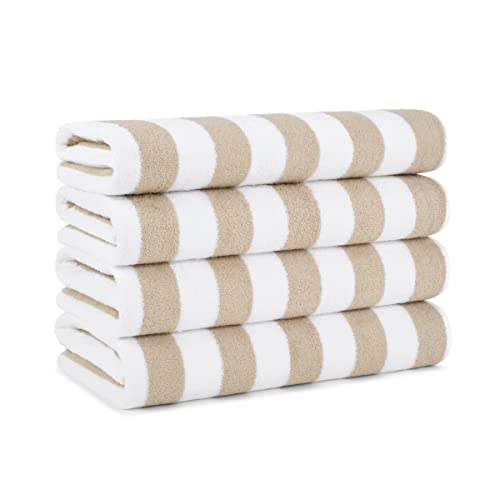

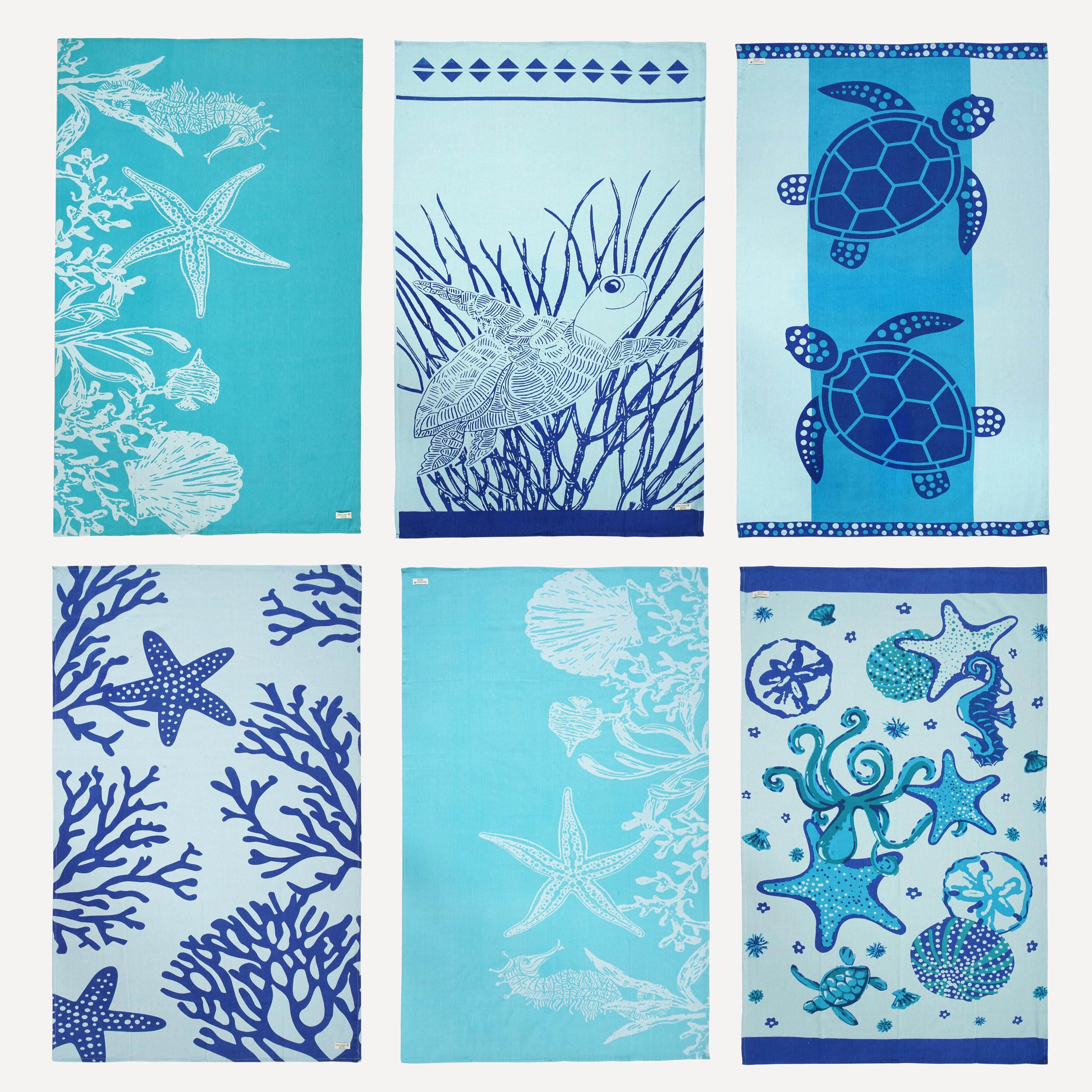
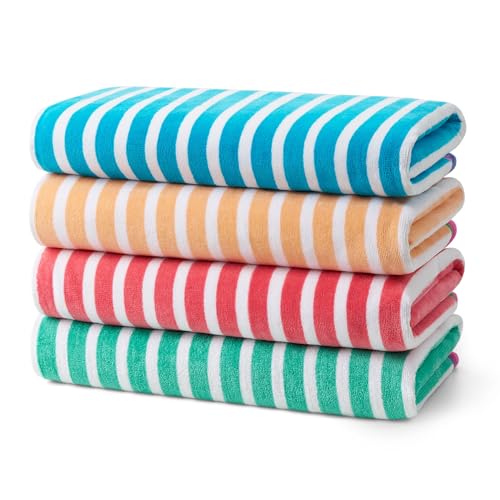

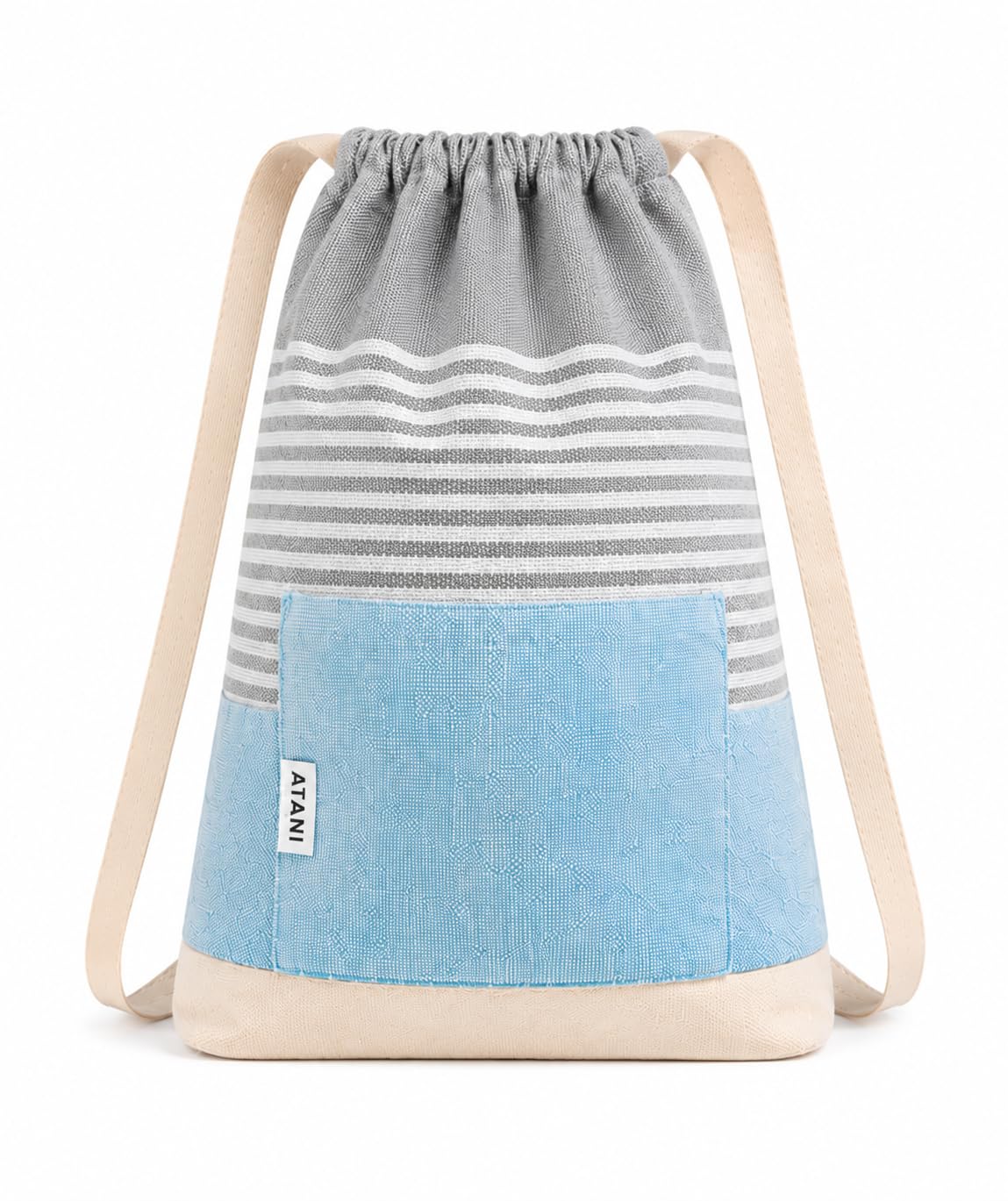
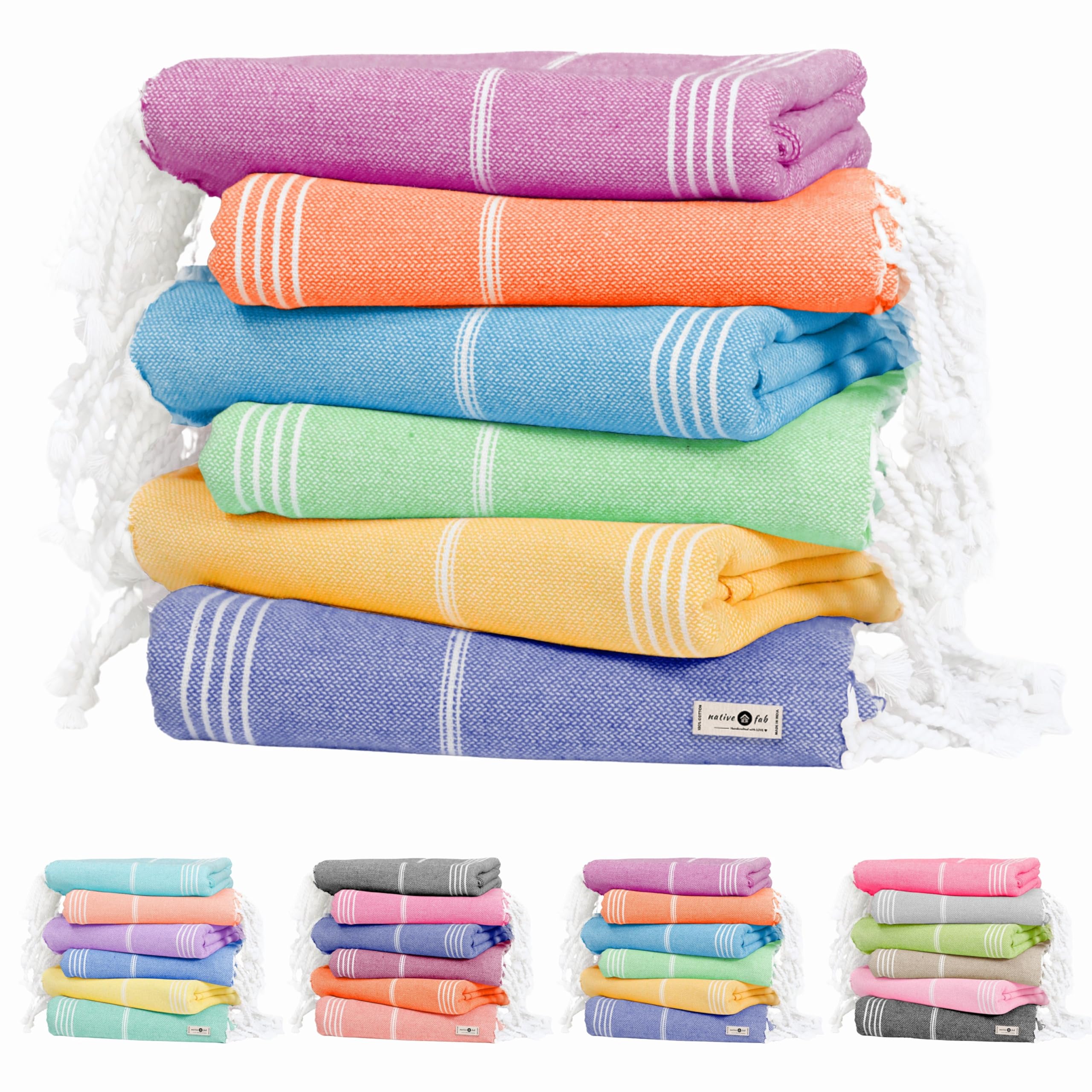
Who Should Buy Which Absorbent Beach Towels?
Pick by the beach routine you repeat most often. A towel that feels plush for one long lounge can feel slow and heavy for someone who swims all afternoon.
Frequent Swimmers Who Dry Off Again and Again
You need a towel that still takes up water on the fourth or fifth use, not only the first. Prioritize dense terry loops, a mid weight fabric and a size that wraps your shoulders fully. Turkish cotton suits you well if you can hang the towel to dry between swims, because the loops keep pulling in water even as the surface gets damp. Choose darker colors if you swim in lakes, where pale fabric shows stains quickly.
First Time Buyers Who Want One Reliable Towel
You need a simple towel that works for pool days, beach trips and guests without special care rules. Choose a mid weight cotton towel in an oversized size, with plain edge stitching and a color that hides fading. Skip very thick spa style weights and very thin travel styles for your first purchase, because both solve narrow problems. One balanced towel teaches you what you value before you buy a second one.
Gift Shoppers Buying for Beach Lovers
You need a towel that feels generous, looks good folded and suits many body sizes. Choose an oversized cut, a classic stripe or a solid color with wide appeal and a soft feel right from the package. Include a note that the towel should be washed before first use, since that step unlocks its full absorbency. Avoid novelty prints tied to one season, because a gift towel gets used longer when the design stays timeless.
Key Features to Compare
Compare these factors in the same order each time. Fiber and weight decide how much water a towel holds, while size and construction decide how pleasant it is to own.
Fiber and Material: Cotton, Turkish Cotton and Microfiber
Cotton absorbs water inside each fiber, so a cotton towel keeps taking up moisture as you press and move it across your skin. Turkish cotton uses long staple fibers that make loops stronger and smoother, so the towel stays soft and sheds less lint over time. Egyptian cotton feels similar, but it often costs more for a small gain.
Microfiber absorbs across many fine fibers and packs far smaller, yet many swimmers find its flat feel less cozy than looped cotton. If you also stock towels for home drying, see our guide to the best absorbent towels.
GSM, Loop Density and How Much Water a Towel Holds
GSM tells you the fabric weight in grams per square meter, and beach towels commonly run from about 300 to 600 GSM. Towels near 300 to 400 GSM feel light, dry fast and suit travel and kids who carry their own gear. Towels near 450 to 600 GSM hold more water and feel plush, but they dry slower and weigh more when wet.
Loop density matters as much as weight, because tall, closely packed loops expose more fiber surface to your skin. Favor springy loops over flat, sparse ones.
Size, Coverage and Comfort on Sand
A standard beach towel is about 30 by 60 inches, while oversized styles reach about 35 by 70 inches or more. Extra length keeps your feet off the sand and gives tall users full coverage when they wrap up after a swim. A velour face feels smooth against skin, while a terry face grips better and absorbs more. Choose coverage for the tallest regular user first, since a short towel cannot be fixed later.
Drying Speed, Weight and Packability
A towel that stays damp in your bag can smell musty by evening, so drying speed shapes daily use as much as absorbency does. Thin microfiber and lower GSM cotton dry fastest and fold into a small roll, which suits backpacks and carry on bags. Thick cotton needs air and time, and it rewards you with warmth on a windy shore. If small packed size is your top need, see our guide to the best travel beach towels.
Durability, Edge Stitching and Color Fastness
Beach towels face sun, salt water, chlorine and rough sand, all in one trip. Look for double stitched hems and tightly woven edges, because fraying almost always starts at the border. Yarn dyed stripes hold their color longer than printed patterns, since the color runs through the thread itself. For a broader view of build quality, see our guide to the best quality beach towels.
Certifications and Skin Feel
An OEKO TEX label means the finished fabric was tested for substances that can irritate skin, which matters for a towel pressed against wet skin all day. That label speaks to safety of the material, not to absorbency, so read it alongside fiber and GSM rather than instead of them. If a towel feels stiff and slick in the store, it may carry a finish that will wash out, so judge it again after the first wash.
Beach Towel Types Compared by Weave
Weave explains much of the difference you feel at the shore. When you compare best absorbent beach towels by type rather than by color, the right choice becomes obvious.
Classic terry weave leaves loops standing on both faces, and those loops give the strongest absorbency and a familiar plush feel. Terry is the safe default for swimmers and families, though it can hold sand in the loops and needs a firm shake. Velour towels shear one face short, which makes prints look sharp and the surface feel silky, but the cut face absorbs less than full loops.
Flat weave and waffle style towels pack small, shed sand easily and dry quickly, yet they hold less water per pass. If long staple cotton in a classic weave is your preference, see our guide to the best turkish beach towels.
Common Mistakes to Avoid
These errors are easy to make when towels look similar on a shelf.
- Choosing by softness in the store alone leads you to a coated towel that absorbs poorly once the finish washes out.
- Buying the highest GSM you can find leaves you carrying a heavy towel that stays damp in your beach bag.
- Picking a standard size for a tall user leaves feet and shoulders uncovered on the sand.
- Ignoring edge stitching leads to frayed hems after only a few washes and trips.
- Paying for a luxury label without checking fiber leaves you with an ordinary towel at a premium price.
Care and Maintenance for Absorbent Beach Towels
Wash new towels before first use in warm water with a small amount of detergent, because this removes factory finishes and loose lint and lets the loops open fully. Skip fabric softener on towels, since softener coats fibers and lowers absorbency with each wash. If towels already feel coated, one rinse with plain white vinegar can help clear the buildup.
Shake sand out outdoors before washing, rinse salt and chlorine out promptly and dry towels fully in open air before you fold them away. Wash beach towels with similar colors, avoid bleach on colored cotton and check hems each season for loose threads you can trim before they unravel. Store towels dry and loosely folded, because a damp closet invites odor even in clean fabric.
Frequently Asked Questions
How do I keep absorbent beach towels fresh for longer?
Hang each towel fully open right after use, even before you rinse or wash it. Airflow does most of the freshness work, because odor grows when damp cotton sits folded in a warm bag. Alternate two towels on a multi day trip so each one gets a full day to dry deep in the loops.
How often should I replace absorbent beach towels?
Replace a beach towel when it stays thin, rough or slow to absorb after a proper wash without softener. For most households that point arrives after about two to three seasons of regular summer use. Frayed hems and a sour smell that returns within one use are clear end signs. Towels kept as guest spares can serve longer, since they face fewer washes and less sun.
Are luxury absorbent beach towels worth the extra cost?
Luxury towels are worth it when the price buys long staple fiber, dense loops and strong hems that you will use for many seasons. They are not worth it when the cost only buys a logo or a gift box. Spread the price across your beach days per year, because a towel used thirty times each summer earns its cost back in comfort. Casual users who swim twice a year get better value from a solid mid priced towel.
What GSM is best for absorbent beach towels?
For most beach use, about 400 to 500 GSM gives the best balance of absorbency, weight and drying time. That range holds enough water for a full dry off and still dries overnight on a line. Go lower if you hike to the shore or pack for flights, and go higher only if you drive to the beach and dry towels outdoors at home. Test your pick after one swim by noting how your skin feels, not how heavy the towel feels.
Wrapping Up
Match fiber to feel, GSM to how much water you need to move and size to the tallest person who will use the towel. Weave and edge stitching then decide how the towel ages through sun, salt and washing.
Use the product table above to compare those points side by side, and choose the best absorbent beach towels that fit your routine, your bag and your drying space at home.