
Best Abs Equipment: A Buying Guide for 2026
Disclosure: We may earn a commission when you buy through links on this page, at no extra cost to you. As an Amazon Associate I earn from qualifying purchases. Learn more

Compare the best abs equipment by type, footprint, build and price, with plain notes on what core gear can do, what it cannot, and when to ask a clinician.
Core training gear looks simple, yet a wrong purchase wastes money and floor space fast. The best abs equipment for your home is the piece that fits your room, your floor and your current strength, and this guide works through those checks in order. One point stays plain from the first line: everything here is a training aid, not a medical device, and no tool on its own changes a body.
Results from any routine depend on the whole program, on sleep and on what you eat, so this guide makes no outcome promises and compares types, sizes and build quality instead. Use the product table to see the picks side by side, then read on for the checks that separate a useful buy from a regret.

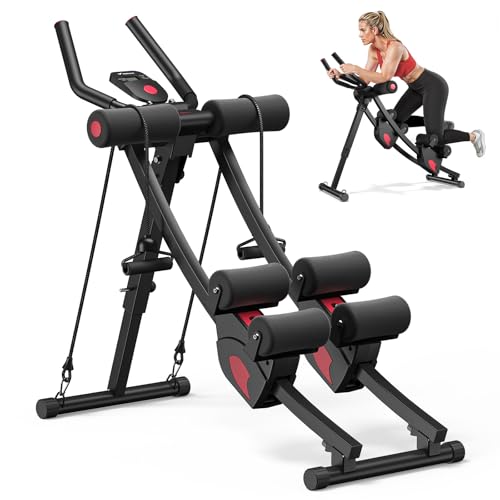
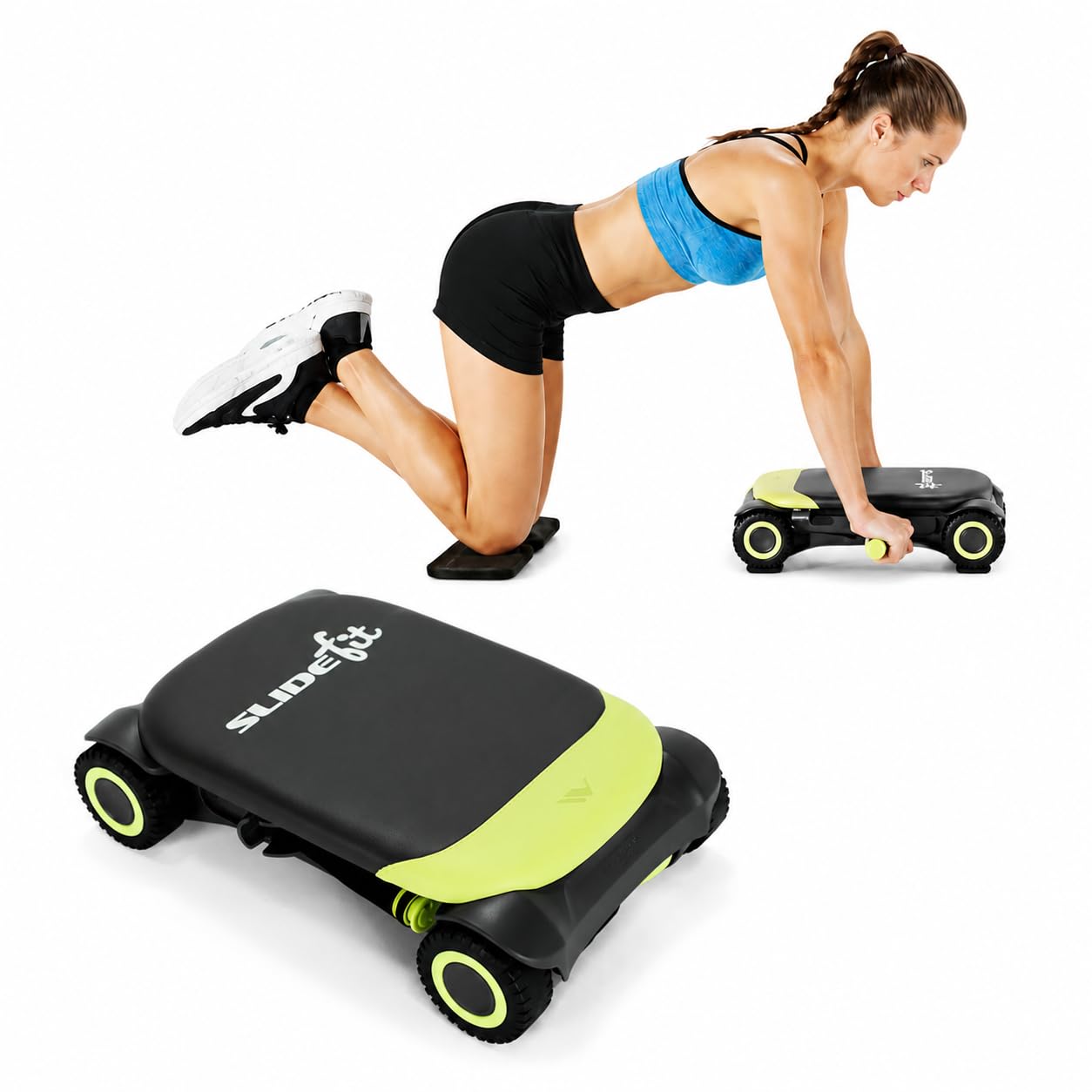


Start With the Floor: Space, Load and Storage
Most buying guides start with features, but home core gear fails on logistics more often than on resistance. Work through the three floor checks below before you compare a single frame.
Measure the Footprint You Actually Have
A stored footprint is not a working footprint, and the gap between the two is where bad purchases happen. A bench needs its full length plus room for your legs to extend and your head to clear the end pad. An ab wheel needs a clear runway about as long as your body, with nothing fragile at the far end. Mark the working area on the floor with tape and train inside it once before you order anything.
Think About Floor Load and Surface Protection
Heavy frames rest on four small feet, so the load lands on a few square inches rather than spreading across the base. On hard floors that means dents, and on carpet it means a frame that rocks as the pile compresses unevenly. A dense mat under the frame spreads the load, quiets the contact points and keeps sweat off the flooring. Renters and anyone training above a finished ceiling should treat the mat as part of the purchase price, not an extra.
Match the Storage Class to Your Routine
Fixed frames suit a garage or a spare room where the gear stays set up all week. Folding benches earn their hinges only if you truly fold them after every session, because a bench left open still owns its footprint. Floor only tools such as wheels and sliders store in a drawer and suit rooms that return to living space every evening. Choose the class you will actually live with, since the best routine is the one the room allows daily.
What Abs Equipment Can and Cannot Do
Core tools add resistance and variety to trunk training, and used steadily they make the muscles of the midsection stronger and better coordinated. They do not spot reduce fat, they do not fix posture on their own, and they cannot outwork a routine that is skipped or a diet that works against it. Judge every product in this guide as training equipment with limits, not as a health device with promises.
Backs deserve a plain warning before any purchase. Loaded bending and twisting movements load the spine, so anyone with back pain, a diagnosed back condition or a recent injury should talk with a clinician before using flexion based gear. During training, stop at once on sharp pain, pain that travels into a leg, numbness or dizziness, and treat those signals as a reason to get checked rather than to push through. Sound form at a modest load always beats a heavy load with a rounded back.
The Best Abs Equipment Types for Home Use
Four classes cover nearly the whole market, and the short table here sorts them by the space they demand and the parts that wear. One naming note first: the letters ABS also name a hard plastic used in 3D printing, which is a different shelf from the fitness gear discussed here.
| Type | Working space | Moving parts | Typical price band |
|---|---|---|---|
| Ab wheel | One body length of clear floor | Wheel and bearings | about $15 to $40 |
| Sliders and suspension straps | Small square of floor | None, or straps only | about $20 to $80 |
| Adjustable bench | Full bench length plus leg room | Hinges, pads and rollers | about $80 to $250 |
| Cable station | A fixed corner of the room | Cables, pulleys and a weight stack | about $300 to $800 |
Ab Wheels and Rollers
The wheel is the smallest serious core tool: a single or double wheel with handles that you roll out from a kneeling start. Resistance comes from your own body weight, so the load scales automatically as you get stronger and the rollout range grows. Wide wheels and dual wheel designs trade a little challenge for stability, which helps newer users keep the path straight. A knee pad belongs in the budget, because bare knees on hard floors end sessions early.
Benches and Hyperextension Frames
An adjustable bench supports crunch and decline work with the body held at set angles, while a hyperextension frame trains the back side of the trunk as well. Angle range is the feature that matters, since small angle steps let you raise difficulty without adding plates. Check the pad stitching and the hinge pins, because those are the parts that loosen first under daily use. These frames are the middle ground of the market: real versatility, at the cost of real floor space.
Cable Stations and Towers
A cable station moves the resistance off your body and onto a weight stack or loading pins, which makes small, repeatable load steps easy. That control suits progressive programs and households where several people train at different strengths. The price is a fixed corner of the room, a ceiling height check and the highest cost in this guide. Cable condition also becomes a maintenance item, since frayed cables are a replacement part rather than a cosmetic flaw.
Sliders and Suspension Trainers
Sliders are discs that glide under hands or feet on smooth floors, turning planks and climber patterns into moving work. Suspension trainers hang from a door anchor or a beam and use body angle as the resistance dial. Both classes store in almost no space and travel in a bag, which makes them the honest choice for small flats and shared rooms. Their limit is feedback: with no frame or stack, tracking progress takes more discipline.
Key Features to Compare
Build Quality and Materials
Frame steel, weld finish and bearing quality decide whether a tool still feels tight after a year of daily sessions. On wheels, a sealed bearing rolls quieter and resists dust better than an open one, and on benches the foam density decides whether pads bottom out against the board. Treat the stated weight capacity as a maker figure and build in your own margin: stay well under it, especially for dynamic work. Paint and powder coat matter less than joint design, so inspect how parts join, not how they shine.
Resistance and Adjustment Range
Progress comes from small steps, so the useful question is how finely a tool lets you add difficulty. Benches do it with angle stops, cable stations with stack steps, and body weight tools with range and tempo. A tool with three hard settings strands you between levels, while one with fine steps keeps every week productive. If a listing hides its adjustment steps behind marketing words, treat that silence as your answer.
Grip, Padding and Contact Points
Every core tool meets your body at a few contact points, and those points decide comfort more than the frame does. Handle diameter on a wheel should fill the hand without forcing a fingertip grip, and ankle rollers on a bench should turn freely instead of dragging on skin. Knee and elbow pads with closed cell foam shrug off sweat and wipe clean in seconds. Discomfort at a contact point is not toughness training; it is a fit problem that shortens sessions.
Price Bands and Value for Money
Floor tools cluster at about $15 to $60, benches at about $60 to $250, and cable stations at about $250 to $800, with assembly and a mat often priced on top. A longer warranty usually signals a maker who expects the frame to last, which is worth more than a cosmetic upgrade. Buyer feedback gathered under best abs machine reviews can flag features owners praise, but it cannot judge whether a frame fits your floor or your back. Spend first on the class you will use weekly, and let the band follow that choice.
Who Should Buy Which Type
Core gear also sits beside whole body machines in many home gyms. If your main training is low impact cardio, compare best elliptical equipment first and treat the abs tools in the product table above as the smaller second purchase.
Beginners Training in a Corner of a Room
Start with a wheel or sliders and a mat, a full kit for well under $100 that stores in a drawer. Small gear makes consistency easy, and consistency is what the first months are actually for. Add a bench only when floor tools stop challenging you, which for most people takes months rather than weeks.
Garage Gym Owners With Fixed Space
A bench plus a cable station covers nearly every trunk movement with fine load steps, and a fixed layout removes setup friction. Measure ceiling height for the tower and leave walk around room on both sides for loading pins. This is the one setting where premium frames earn their price, because daily use punishes weak hinges and cables.
Lifters Adding Core Work to a Wider Routine
Many lifters pair direct core tools with loaded carries and swings, and our guide to the best ab workout with kettlebells shows how that routine side fits together. For this group the bench is usually the best single buy, since it doubles for other lifts and folds into an existing rack area. Keep the core kit small and let the main program carry the variety.
Common Mistakes to Avoid
- Ordering a cable station before measuring the room, so the tower arrives taller than the ceiling allows.
- Judging a frame by star ratings alone, when fit for your floor and your back matters more than averages.
- Loading bending movements hard in the first week, which turns a new routine into a sore back and a skipped month.
- Ignoring the stated weight capacity, even though dynamic work loads a frame well past your body weight.
- Storing steel gear in a damp garage corner, where surface rust starts on welds and hinge pins within a season.
Care and Maintenance
Read the manual before the first session, because torque figures for frame bolts and the correct folding order differ by design. Wipe pads and handles after training, since dried sweat cracks foam coverings and corrodes grip surfaces over time.
Inspect moving parts monthly: spin wheels for gritty bearings, run a cloth along cables to feel for frayed strands, and retighten hinge bolts that have worked loose. Store gear in a dry place off bare concrete, and register the product for warranty cover while the receipt is still easy to find. Worn pads, cables and bearings are replaceable wear parts, so budget small amounts for them across the life of the frame.
Abs Equipment: Your Questions Answered
How much should I spend on abs equipment for a home gym?
Spend follows the type, not the brand ladder. A wheel, sliders and a mat cover serious training for about $40 to $100 all in, while a bench runs about $80 to $250 and a cable station starts at about $300. One cost buyers forget is delivery and assembly on heavy frames, which can add the price of a bench to a tower order. Set the budget by the class you measured space for, then buy the best built example inside it.
Can abs equipment on its own make a stomach flatter?
No, no device flattens a stomach on its own. Training strengthens and thickens the muscles underneath, while how visible those muscles are follows overall body composition, which responds to the whole routine and to eating patterns over months. Anyone who promises a flat result from one tool is selling the promise, not the equipment. Buy gear to train the trunk well, and judge it on build, fit and how often you actually use it.
Is an ab wheel or a bench better for a small bedroom?
A wheel wins in a small bedroom, because it stores in a drawer and needs only a body length of clear floor to use. A bench needs its full length plus leg room every session, and folding it twice a day gets old within a fortnight. One check wheel buyers miss: confirm the floor surface, since wheels grip poorly on thick carpet and can skid at full extension. On carpet, sliders cut for that surface are the safer small room pick.
How long does home abs equipment last with regular use?
A sound steel frame lasts many years, and the honest lifespan question is about wear parts rather than the frame. Pads compress, cables fray and wheel bearings go gritty, typically after a few years of daily sessions. Treat a new creak, wobble or rough roll as an inspection signal rather than background noise. Makers who sell spare pads and cables openly are telling you the frame was built to outlast them.
What should I check before using abs equipment with a sore back?
Treat ongoing soreness as a stop sign, not a warm up problem. If back pain persists, travels into a leg, or comes with numbness, talk with a clinician before using any flexion or loaded rotation gear, and follow their limits when you return. When training resumes, start with the smallest range and the lightest setting, and end the session at the first sharp signal. A buying shortcut helps here: choose tools with fine adjustment steps, so the first weeks back can stay genuinely easy.
Final Thoughts
Buy in this order: measure the floor, pick the type that fits your routine, then compare build quality inside that class. For most homes the best abs equipment is the smallest piece that still challenges you every week and stores without a fight. Set your shortlist against the product table above, check the footprint one last time, and buy once instead of twice.


