
Best Abs Code Reader at Every Price: What Your Money Really Gets You for 2026
Disclosure: We may earn a commission when you buy through links on this page, at no extra cost to you. As an Amazon Associate I earn from qualifying purchases. Learn more

Learn how to choose the best abs code reader by vehicle coverage, live data and update support, with clear price tier guidance and a simple buying checklist.
When the ABS warning light stays on, a basic code reader that only speaks engine will leave you guessing, because brake system codes live in a different module. Prices for tools that can read them run from under $50 to several hundred dollars, and the gap buys real capability. This guide to the best abs code reader shows what each price tier actually delivers. The comparison table below lines up the main options by coverage and features.
One safety note before anything else: brakes are a critical safety system. If your pedal feels soft, the red brake warning light is on, or stopping distances have grown, park the car and have a qualified mechanic inspect it rather than driving on a code reading alone.
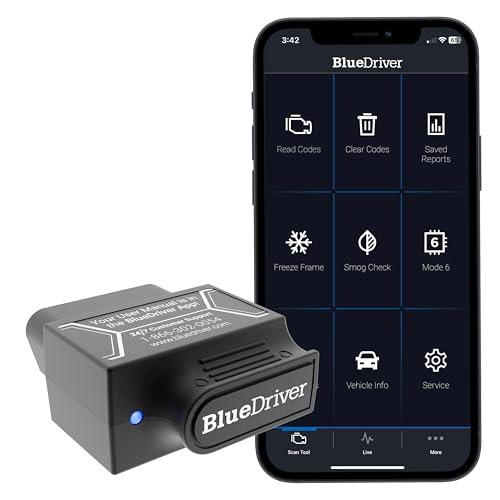
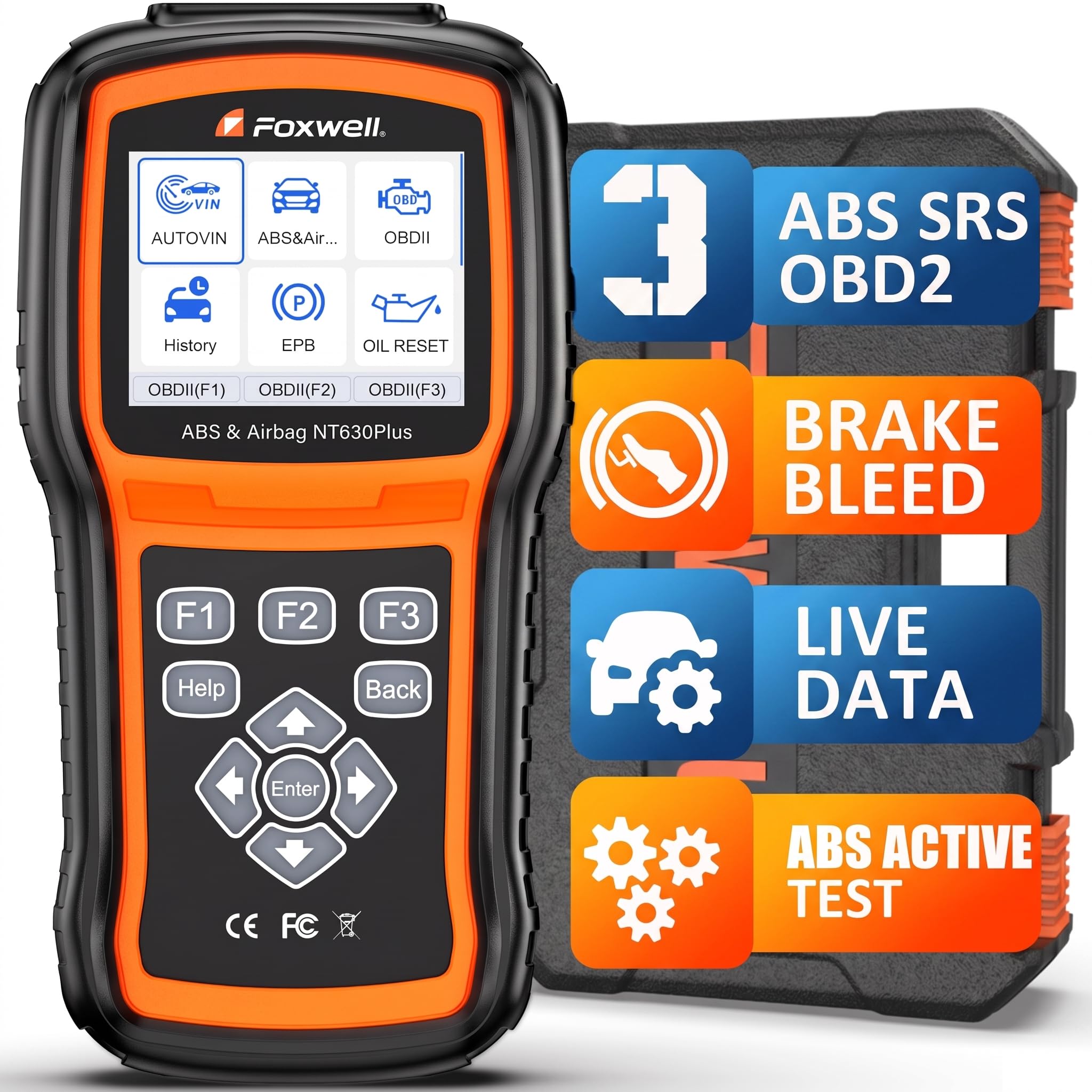
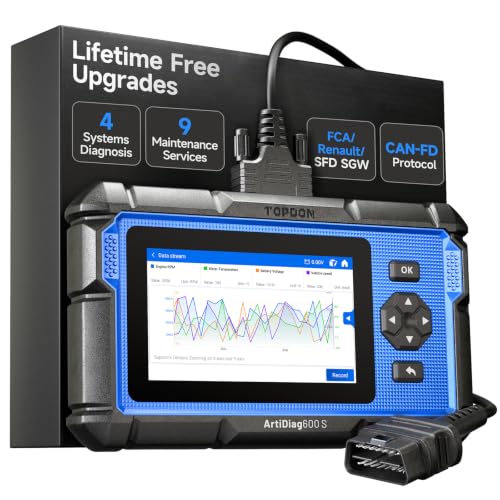

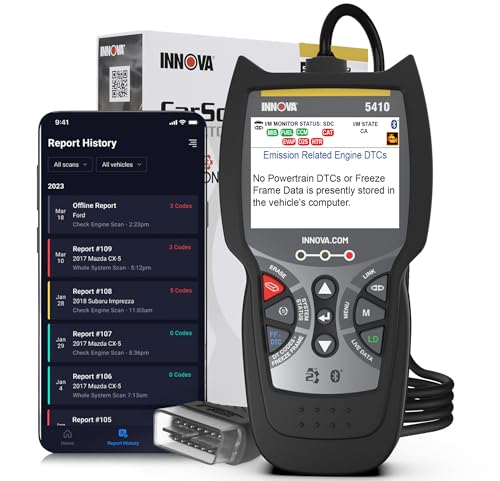

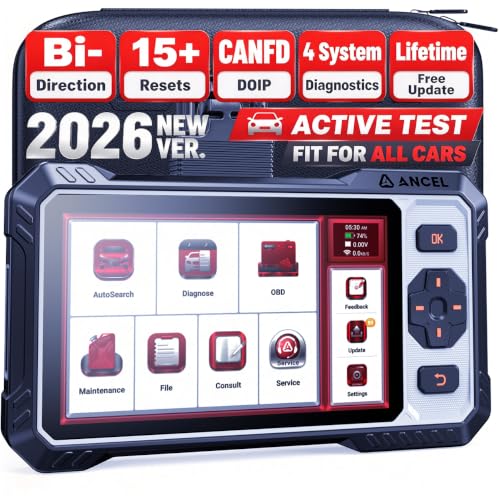
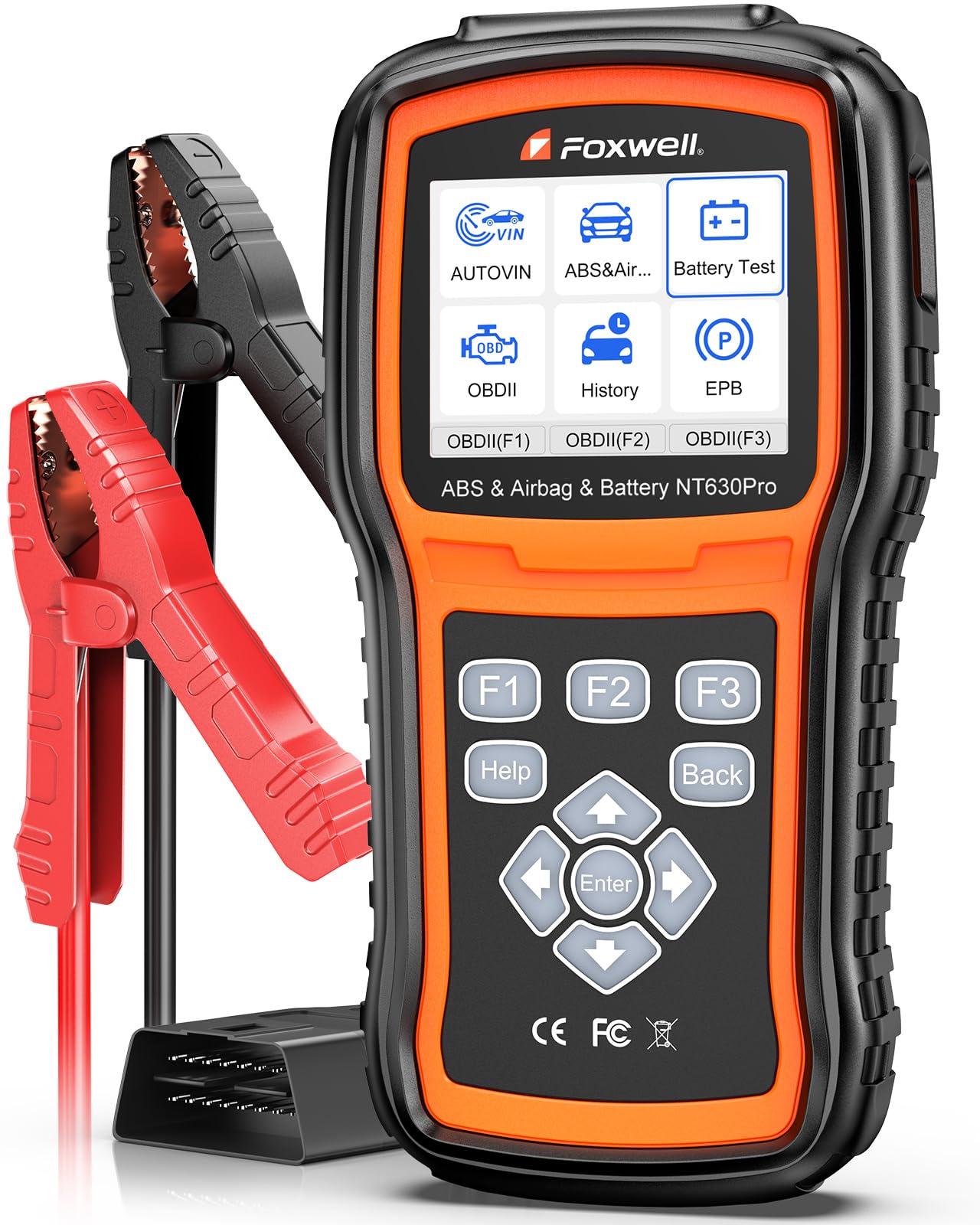
Top 3 Picks by Budget
Treat these as budget profiles rather than single models. Each profile describes the kind of tool that earns its price, who it suits, and the limit you accept at that level.
Best Budget Pick
A sound budget choice, around $40 to $70, reads and clears ABS codes on one car brand family or a limited list of makes, and usually handles engine codes as well. Look for a color screen, plain language code definitions on the device, and free basic updates. The limit is coverage: a tool tuned for one brand may not touch the brake module on your other car. This profile suits a single car household that wants to know whether a warning light means a wheel speed sensor or something bigger before visiting a shop.
Best Midrange Pick
The midrange profile, around $80 to $150, is where most home mechanics should land. Expect ABS plus airbag coverage across many makes, live data for wheel speed sensors, and freeze frame details that show conditions when the code set. Battery and charging system tests often appear here too. The limit is depth: advanced functions such as brake bleeding routines may be locked to certain brands. If you maintain two or three family cars of different brands, this tier usually pays for itself the first time it avoids a diagnostic fee.
Best Premium Pick
A premium tool, around $200 to $400 or more, adds all system diagnostics, guided ABS bleeding on supported vehicles, and bi directional tests that let you command components on and off. Screens get larger, processors faster, and update subscriptions more generous. The limit is cost and complexity: menus run deep, and some brands still restrict certain functions. This profile fits serious home mechanics and small shops that see many makes each month. If that sounds beyond your garage, our overview of the best code reader options explains where simpler tools still make sense.
What Your Money Gets You at Each Price Tier
The tiers follow a clear pattern: money buys vehicle coverage, system depth, and speed. Knowing which of those three you actually need keeps you from paying for the other two.
Budget Tier: What to Expect
Budget tools answer one question well: what code is stored in the brake module, in plain words. You get code reading and clearing, engine diagnostics through standard OBD2, and simple readiness checks that help before an emissions test. Screens are small, updates may require a Windows computer, and brand coverage is narrow. That is fine if your goal is triage: confirm the fault, decide whether it is a sensor you can replace in the driveway, and clear the code after the repair to verify the light stays off.
Midrange Tier: The Sweet Spot for Most Buyers
Midrange tools widen coverage to most major makes and add the airbag system, which matters because ABS and stability control share sensors with safety systems. Live data is the real prize: watching all four wheel speed readings while a helper drives slowly can pinpoint an intermittent sensor in minutes. Graphing, code tips, and WiFi updates on some models save time. For households comparing broader diagnostic gear, our guide to the best car code readers shows how these midrange strengths compare with engine only tools.
Premium Tier: When Spending More Pays Off
Premium money pays off when you need the tool to act, not just report. ABS bleeding cycles the pump and valves to purge air after caliper or line work, a job that can otherwise send you to a shop. Bi directional control lets you test fans, pumps, and actuators from the screen. Coverage extends to steering, transmission, and body modules across dozens of brands. If you restore cars, help friends with theirs, or run a small repair side business, those abilities turn the tool into equipment rather than a gadget.
Features Worth Paying For (and Ones to Skip)
Spec sheets for scan tools borrow terms from other categories, so judge each feature by what it does for a brake diagnosis in your own driveway.
Vehicle Compatibility
Compatibility decides everything, so verify your exact year, make, and model on the maker coverage list before ordering. All modern cars use OBD2 for engine data, but ABS access depends on brand specific protocols, and coverage for an older model year does not guarantee coverage for a much newer one. Check whether the tool supports your car stability control system as well, since it shares the brake module. Our guide to the best vehicle code reader options walks through coverage checks step by step if you want more detail.
Warranty and Brand Support
A scan tool is software as much as hardware, so support quality matters. Look for at least a one year warranty, a clear update policy, and a support channel that answers coverage questions before you buy. Free lifetime updates sound generous, though some brands limit them to one year and charge afterward, so read the policy in writing. Established brands publish coverage charts and release notes, which tells you the platform is alive. A tool abandoned by its maker slowly loses value as newer cars arrive in your driveway.
Performance Specs
For a code reader, performance means scan speed, screen clarity in bright light, and the depth of live data, not electrical ratings borrowed from jump starters. Fast auto scanning that checks every module in a few minutes beats a slow tool you dread plugging in. Look for the ability to graph several data channels at once and to record a short drive for review. A long, sturdy cable or a stable Bluetooth link matters too, because a connection that drops mid test wastes the whole session.
Features and Extras
Useful extras include a phone app that stores reports you can show a mechanic, a battery monitor mode, and one click readiness checks. Print or email support helps when a shop needs your findings in writing. Skip paying for entertainment style extras or vague premium labels that add no diagnostic function. A rugged case is worth more than a flashlight you will never use. If you prefer phone based tools generally, our guide to the best automotive code reader designs covers app based options and their trade offs.
Long Term Costs to Factor In
The tool itself is the main cost, but updates can become the second one. Some brands charge an annual fee after the first year, which can approach the price of a budget tool over time, so total that cost before choosing. Accessories are minor: a storage case, a longer cable, and perhaps a replacement connector. There is no installation cost, since the tool plugs into the OBD2 port under the dash and runs on vehicle power. Against those costs, weigh the savings: one avoided diagnostic fee at a shop, often around $100 or more, can cover a midrange tool entirely.
FAQs
Will an ABS code reader work with my vehicle?
It will if your make, model, and year appear on the maker coverage list for ABS functions, not just engine codes. Engine diagnostics through OBD2 are universal on cars from 1996 onward in the United States, but brake module access varies by brand and sometimes by trim. Check the list with your exact year before buying, and update the tool firmware when it arrives, since coverage grows with updates. When in doubt, ask the maker support team with your VIN details ready.
What specs matter most in an ABS code reader?
Coverage for your vehicles matters first, followed by live wheel speed data and the ability to clear codes after a repair. Scan speed and a readable color screen come next, because they decide whether you enjoy using the tool. One spec buyers often miss is bidirectional ability at higher tiers, which is what allows ABS bleeding and component tests. A long update policy quietly outranks a slightly larger screen, since the tool must keep pace with your next car.
How long does an ABS code reader last?
The hardware typically lasts many years, since it lives in a case and draws power from the car rather than a wearing battery. Its useful life is really set by software support: once updates stop, coverage freezes at the model years the tool already knows. Keeping the connector pins clean and storing the tool out of a hot trunk extends its life. Treat it like a laptop rather than a wrench, and it will serve through several cars.
Do I need professional installation for an ABS code reader?
No installation is needed at all. You locate the OBD2 port, usually under the dashboard on the driver side, plug in the connector, and turn the ignition to the on position without starting the engine for most scans. The tool powers itself from the car. A practical tip: read the codes and save or photograph them before clearing anything, because cleared codes erase the freeze frame evidence a mechanic would want if the fault turns out to be serious.
The Bottom Line
Check coverage for your exact cars first, then choose the tier that matches how deep your repairs go. The product table above puts coverage and update terms side by side for a fast comparison. For most home garages, the best abs code reader is a midrange tool with live wheel speed data and honest multi brand ABS coverage. Buy that, keep it updated, and the next warning light becomes information instead of anxiety.


