Best 80s Watches 2026: A Complete Practical Buying Guide
Disclosure: We may earn a commission when you buy through links on this page, at no extra cost to you. As an Amazon Associate I earn from qualifying purchases. Learn more
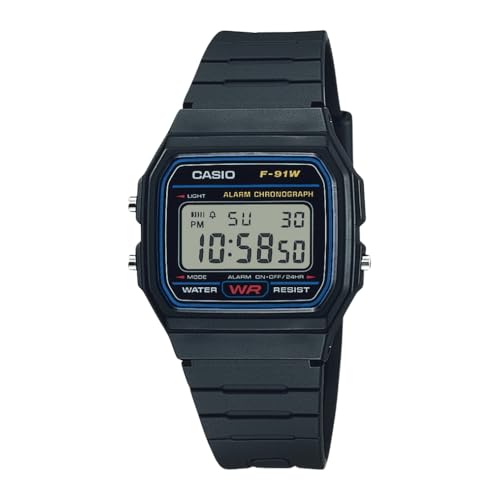
Pick the best 80s watches by case shape, dial style, movement and condition, whether you want a vintage original or a modern retro piece.
Choosing best 80s watches is really about choosing a look, because the decade gave us bold colours, chunky cases, digital displays, and metal bracelets that still stand out today. Decide whether you want a faithful vintage piece, a modern watch with retro styling, or a digital throwback, and the rest of the choice becomes much simpler.
The comparison table below brings the main styles together, and this guide explains case shapes, movements, materials, and wearability. You will learn how to spot a well made retro watch, how to judge condition on a vintage piece, and how to wear a bold 80s design without it feeling like a costume.

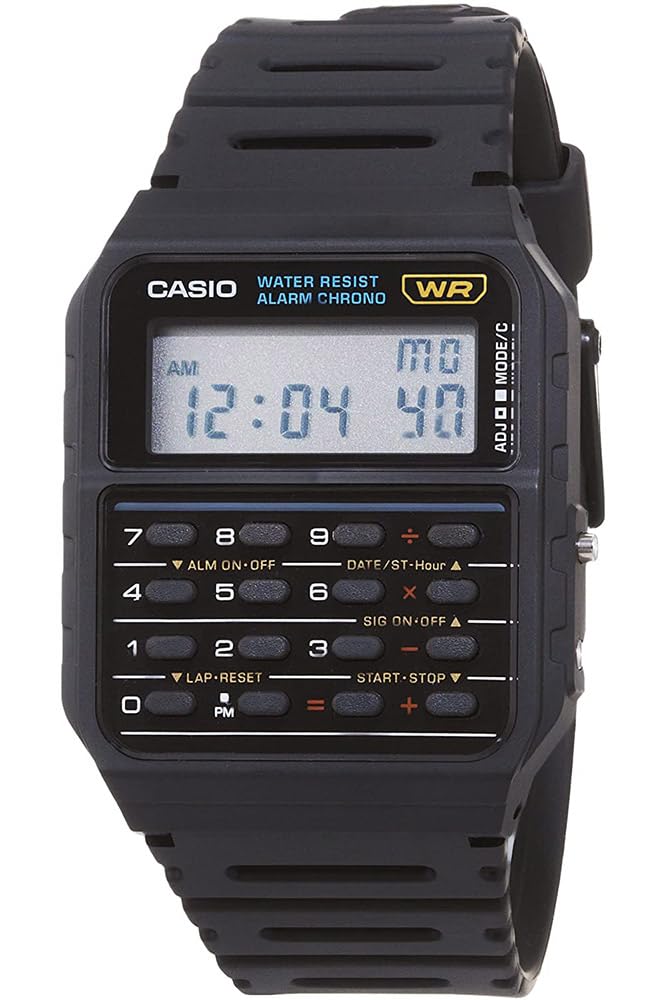


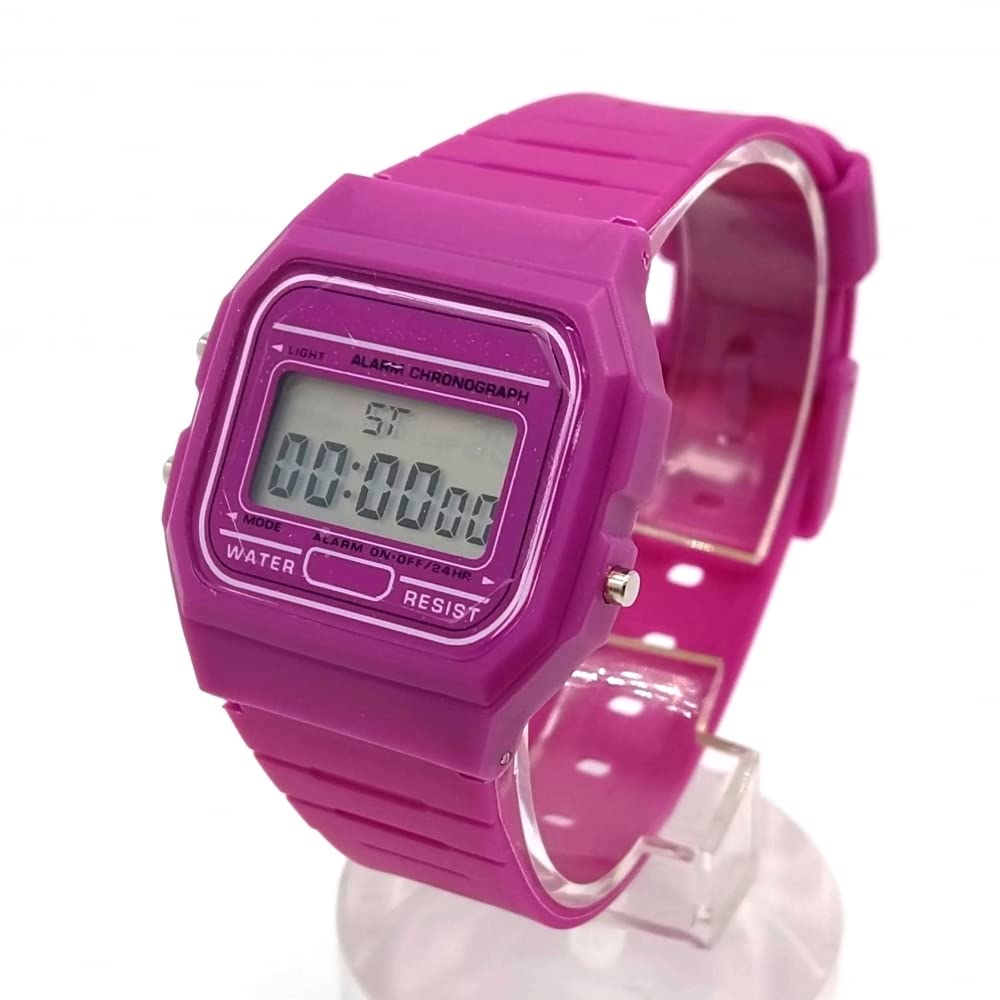
Who Should Buy An 80s Style Watch
An 80s style watch suits anyone who enjoys bold design and wants a watch that starts conversations. Collectors love the decade for its variety, from gold tone dress watches to colourful plastic digital models, while casual wearers enjoy a retro piece as a weekend watch that pairs with simple clothing. It also makes a thoughtful gift for someone who grew up in the decade or collects its music and films.
It suits a second watch role best for most people, because a very bold design may not fit every workplace or formal occasion. As a daily watch it still works if you choose a moderate case size and a colour that matches your wardrobe, but a huge gold case or a neon strap will always draw attention. Decide how often you will wear it before you choose how loud the design should be.
Vintage Originals Versus Modern Retro
A true vintage original carries history, patina, and the exact design of the era, but it also carries age. Seals wear out, movements may need service, and replacement parts can be hard to find, so budget for a service if you buy a vintage piece to wear daily. Buy from a seller who states the service history honestly, and check the case, dial, and bracelet for damage that photos can hide.
A modern retro watch gives you the look with new materials, fresh seals, and a warranty, which suits daily wear far better. Modern cases often use better water resistance and scratch resistant crystals, and the movement will be easier to service. The trade off is character: a new watch cannot fake decades of wear, but for most buyers reliability outweighs that loss.
Case, Dial, And Bracelet Styles
The 80s loved variety, so case shapes range from slim rectangular dress cases to large round divers and angular digital cases. A rectangular or tonneau case reads dressy and retro, while a chunky round case with a rotating bezel reads sporty. Try the case size on your wrist if you can, because a 40 millimetre case from the 80s often wears larger than the same size today due to its shape and bracelet.
Dials tell the story too. Champagne and black dials suit dress watches, while bright colours, bold indices, and digital displays suit casual and sporty models. Bracelets matter as much as the case: metal bracelets feel substantial and period correct, leather straps soften a bold case, and rubber or resin straps suit digital and dive styles. Check that the bracelet fits your wrist with room for adjustment, since vintage bracelets often lack spare links.
Movement Choices: Quartz And Automatic
Quartz movements defined much of the 80s, offering accuracy, low cost, and slim cases, and a quartz retro watch needs little more than a battery change every few years. Digital quartz models add alarms, timers, and backlights that still feel useful today, and they suit buyers who want a fun, low maintenance watch. Battery changes should use fresh seals if the watch claims water resistance.
Automatic movements appeal to collectors who enjoy mechanical craft, and many 80s automatics still run well after a service. They need wearing or winding to keep running, and they cost more to service than quartz, so weigh the romance of a mechanical movement against the practicality of quartz for daily wear. Either choice can be right; the question is how much maintenance you enjoy.
Condition, Authenticity, And Care
For vintage pieces, condition drives value and wearability more than brand alone. Look for a clean dial without heavy spotting, hands that match the dial age, and a case without deep dents or heavy polishing that softens the edges. Ask whether parts are original, because replaced dials and hands change both the look and the value, and a seller who cannot answer should be treated with caution.
Care for a retro watch is simple: keep it dry unless its water resistance has been tested recently, store it away from strong magnets and harsh chemicals, and service mechanical movements every few years. A modern retro watch needs less care, but the same habits keep the bracelet and crystal looking good. Buy from authorised sellers or reputable vintage dealers, and avoid deals that seem far below market price.
Related Guides Worth Reading
Read our guide to best quality watches for more detail on that related choice.
A Final Check Before You Order
Before you buy, decide honestly how often the watch will be worn, since that choice steers you toward a modern retro piece for daily use or a vintage original for occasions. Check the case size against your wrist, confirm the bracelet has enough links, and ask a vintage seller directly about service history and original parts. A seller who answers clearly is worth more than a small discount from one who cannot.
After purchase, keep the watch dry unless its water resistance has been tested recently, and store it away from strong magnets and harsh chemicals. A modern retro watch needs little care beyond cleaning, while a vintage piece benefits from a service every few years. With those habits, a bold 80s design stays a pleasure rather than becoming a repair project.
W
h
e
n
y
o
u
w
e
a
r
a
n
8
0
s
w
a
t
c
h
,
p
a
i
r
i
t
w
i
t
h
s
i
m
p
l
e
c
l
o
t
h
i
n
g
s
o
t
h
e
w
a
t
c
h
i
t
s
e
l
f
c
a
r
r
i
e
s
t
h
e
r
e
t
r
o
s
t
a
t
e
m
e
n
t
r
a
t
h
e
r
t
h
a
n
c
o
m
p
e
t
i
n
g
w
i
t
h
l
o
u
d
p
a
t
t
e
r
n
s
.
A
p
l
a
i
n
s
h
i
r
t
,
d
a
r
k
j
e
a
n
s
,
o
r
a
s
i
m
p
l
e
d
r
e
s
s
l
e
t
s
a
g
o
l
d
c
a
s
e
,
a
b
r
i
g
h
t
d
i
a
l
,
o
r
a
d
i
g
i
t
a
l
d
i
s
p
l
a
y
s
t
a
n
d
o
u
t
c
l
e
a
n
l
y
.
T
h
a
t
r
e
s
t
r
a
i
n
t
i
s
w
h
a
t
s
e
p
a
r
a
t
e
s
a
s
t
y
l
i
s
h
n
o
d
t
o
t
h
e
d
e
c
a
d
e
f
r
o
m
a
c
o
s
t
u
m
e
,
a
n
d
i
t
l
e
t
s
t
h
e
s
a
m
e
w
a
t
c
h
w
o
r
k
f
o
r
d
i
n
n
e
r
s
,
w
e
e
k
e
n
d
s
,
a
n
d
c
a
s
u
a
l
w
o
r
k
p
l
a
c
e
s
a
l
i
k
e
.
Frequently Asked Questions
Are 80s watches still practical for daily wear?
Yes, especially modern retro models, which pair period styling with new seals, reliable movements, and a warranty. Vintage originals can also work daily, but they may need a service first and should avoid water until their seals are checked. Choose a moderate case size and a strap that suits your routine, and a retro watch becomes a practical daily companion rather than a display piece.
Should I buy vintage or modern retro?
Buy vintage if you value originality, history, and the exact design of the era, and you accept service costs and careful use. Buy modern retro if you want daily reliability, water resistance, and a warranty without hunting for parts. Many collectors own both: a vintage piece for occasions and a modern retro piece for everyday wear, which gives you the look in both roles.
How do I check a vintage 80s watch before buying?
Ask for clear photos of the dial, case back, movement, and bracelet, plus a stated service history and a return policy. Look for matching hands and dial, honest wear rather than heavy polishing, and a bracelet with enough links for your wrist. Buy from a reputable dealer when possible, and be cautious of prices far below market level, since they often signal replaced parts or hidden damage.
What case size suits an 80s style watch?
Most wrists suit a case between 36 and 42 millimetres, depending on the shape and your wrist size, because angular and chunky cases wear larger than slim round ones. Try the watch on if you can, and check that the lugs do not overhang your wrist and the bracelet or strap sits comfortably. A case that looks bold in photos can feel very different on the wrist, so fit matters more than the number alone.
Do 80s digital watches still work well?
Yes, many digital models from the era still run reliably, and modern reissues add fresh displays, new seals, and updated features. Check that all buttons respond, the display shows full digits without fading, and the backlight works if fitted. Battery changes are simple, but water resistance should not be trusted on an old model until a watchmaker tests the seals.
Final Thoughts
Decide between a vintage original and a modern retro piece, then match the case, dial, and movement to how often you will wear it. The product table above gathers the main styles so you can compare the look and practicality side by side.
An 80s style watch adds character and fun to a collection without needing to be your only watch. Buy carefully, check condition and authenticity, and enjoy a design that still turns heads decades later. That is how you choose the best 80s watches for your needs.