Best 800m Shoes by Budget: Smart Picks for 2026
Disclosure: We may earn a commission when you buy through links on this page, at no extra cost to you. As an Amazon Associate I earn from qualifying purchases. Learn more

Compare the best 800m shoes by budget with a clear guide on spikes, cushioning, fit and price tiers so you spend on the upgrades that cut your time.
The 800 meters is a demanding middle distance, long enough to punish tired legs and short enough to reward speed on the final lap. Prices for racing shoes span a wide range, and the most expensive option is not always the fastest choice for your level, which is why this guide to the best 800m shoes sorts value by budget first.
You will learn what each price tier actually delivers, which features change race outcomes, and which extras you can safely skip. Use the product table below to set your tier for the best 800m shoes, then read the fit and feature sections before you order.


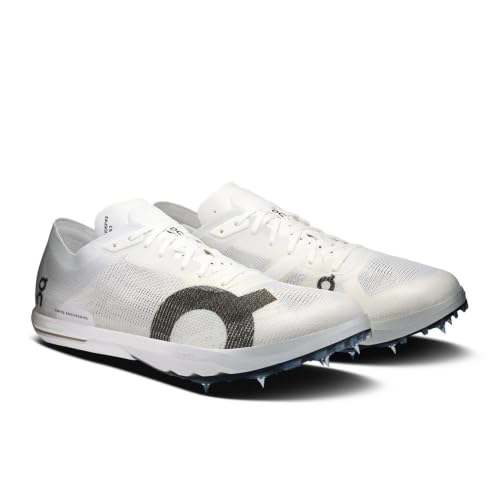

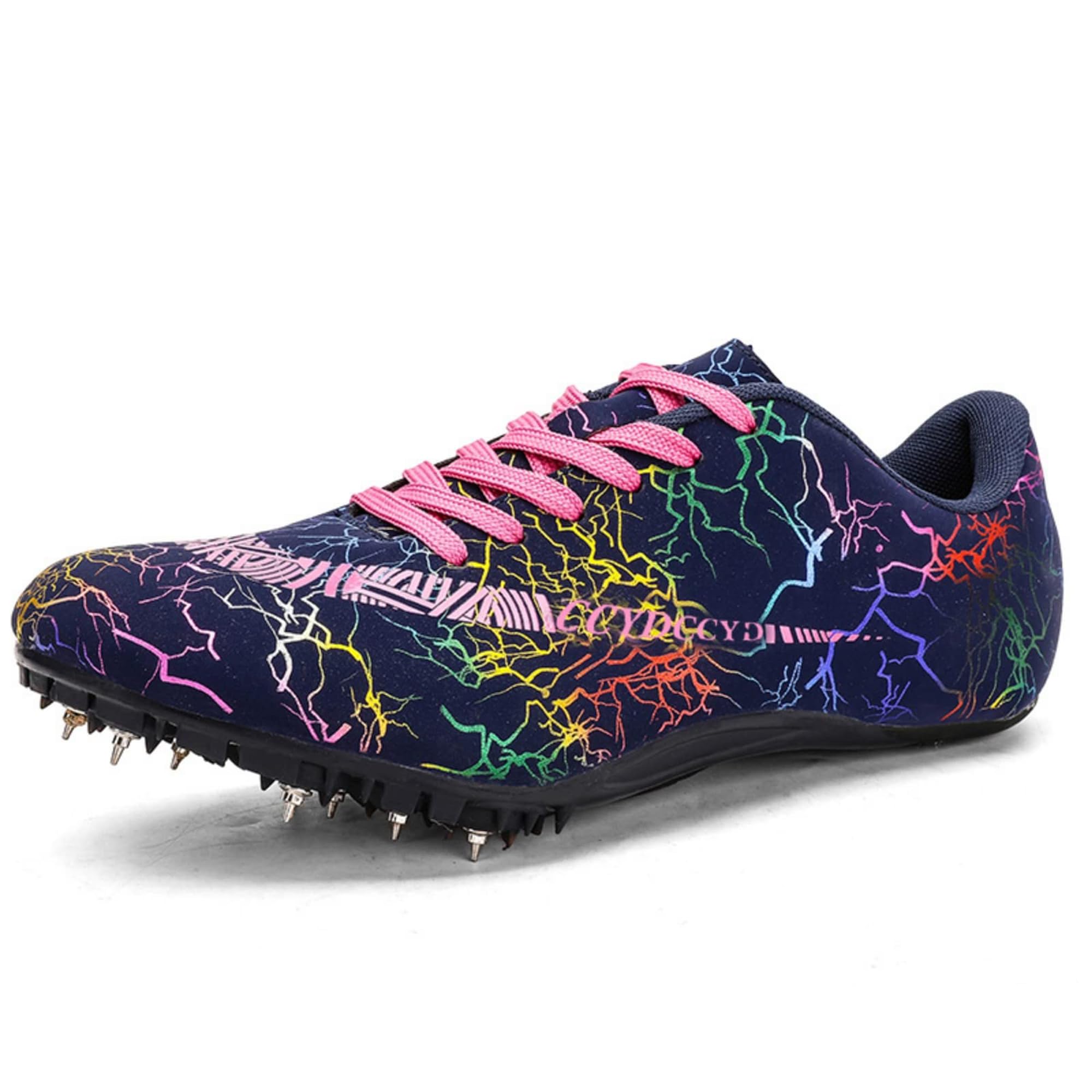
Budget Profiles at a Glance
Budget Profile
The budget profile suits new racers, school athletes and anyone finding out whether the 800 meters is their event. Expect a durable spike plate or a firm racing flat, basic cushioning and a secure synthetic upper at around $50 to $90. You give up the lightest foams and the stiffest plates, but you gain a shoe that handles training sessions and races without worry. For a first season, that durability often matters more than a few grams.
Midrange Profile
The midrange profile suits club racers and improving athletes who race most weekends, usually at around $90 to $140. This tier adds lighter uppers, more responsive foam and a plate tuned for middle distance rhythm, firm enough for speed yet forgiving over two laps. Fit options also improve, with more sizes and sometimes width choices. For most buyers this is the tier where each extra dollar still buys a clear benefit.
Premium Profile
The premium profile suits competitive racers chasing personal records at around $140 to $220. You pay for the lightest builds, advanced foams that return more energy, and plates shaped to keep you rolling onto your toes late in the race. The trade off is durability, since thin uppers and soft foams wear faster. Buy this tier when your training is consistent and small gains decide your results, not for occasional racing.
What the Best 800m Shoes Offer at Each Price Tier
Budget Tier: What to Expect
Budget shoes give you the essentials: a secure fit, a grippy outsole or removable spikes, and enough cushioning for two laps on a standard track. Foams feel firmer and uppers feel sturdier but heavier. This tier works well for younger athletes who outgrow shoes quickly and for training heavy schedules. Spend here if your season is short or your feet are still growing, and put the savings toward coaching, travel or a second pair for training.
Midrange Tier: The Sweet Spot for Most Buyers
Midrange shoes are the sweet spot because they borrow the foam and plate ideas of premium models at a friendlier price and with better durability. You feel the difference most in the second lap, when legs tire and form starts to drift. Uppers hold the midfoot without hotspots, and sizing is more consistent across brands. If you race a full season and train in spikes once or twice a week, aim here first.
Premium Tier: When Spending More Pays Off
Premium shoes pay off when your races are decided by seconds and your stride stays efficient under fatigue. Advanced foams and curved plates help you maintain turnover late, but they reward good form and punish sloppy heel striking. Durability drops, so many racers save these shoes for meets only. If you cannot hold form in the final 200 meters yet, midrange shoes plus strength work will gain you more than this tier will.
Features Worth Paying For (and Ones to Skip)
Break In Period and Comfort Out of the Box
Racing shoes should feel secure immediately, with no slipping at the heel and no pressure points across the toes. Still, never race a personal record attempt in a brand new pair. Wear them for two or three workouts first, including one session at race pace, so the foam settles and you learn how the plate feels when you tire. Budget models often need that short break in most, since their materials start stiffer.
Fit, Sizing, and Toe Box
Fit decides races more than foam does. Measure your feet in the afternoon when they are at their largest, and try shoes with your racing socks. Your toes need room to splay at toe off, while the midfoot must lock down so the foot does not slide on the curve. Most racers go with their normal racing shoe size rather than sizing up as they would for daily trainers. If you sit between sizes, choose based on midfoot hold, and use the extra lace loop to secure the heel.
Outsole Traction and Terrain
Most 800 meter racing happens on synthetic tracks, where a spike plate with pyramid or needle spikes gives the grip you need. Check your league rules for allowed spike length, commonly around 6 mm to 9 mm, and keep a spare set plus a wrench in your bag. For road or cross country variations of the distance, a lugged rubber outsole replaces spikes and grip on wet ground matters more. Match the outsole to your actual race surface, not the surface you wish you raced on.
Weight and Flexibility
Lighter shoes cost less energy over two laps, and premium models chase weight savings in every part of the shoe. But flexibility matters too: a plate that is too stiff for your strength level can strain calves and Achilles tendons, especially in younger athletes. Choose a stiffness you can handle at the end of a hard workout, not just in the store. If you are new to plated shoes, progress gradually and keep some sessions in your normal trainers.
Heel to toe drop shapes how the shoe loads your legs. Lower drop designs load the calves and Achilles more, while higher drop designs shift work toward the knees. There is no single correct drop for the 800 meters, only the drop your body tolerates at race pace. If you have a history of calf or Achilles pain, change drop slowly and talk with a coach or clinician before switching to a very low drop racing shoe.
Cushioning deserves a balanced view. The 800 meters is too long for the bare, harsh feel of pure sprint spikes for most runners, yet too fast for soft, tall daily trainer foam that dulls ground contact. Look for a middle path: enough foam to protect your legs on the second lap, with a firm, responsive feel at toe off. Our related guide to the best track shoes for 800m goes deeper on spike plate choices for this distance.
Long Term Costs to Factor In
The shoe price is only part of the cost. Add replacement spikes, racing socks and a spike bag, plus a second pair if you train in spikes often, since racing foams lose their snap with heavy mileage. Premium shoes used only on race day can last several seasons, while the same shoes used for daily workouts may fade within months. Count cost per race rather than cost per pair, and the midrange tier usually wins that math for regular racers.
Frequently Asked Questions
How should 800m shoes fit?
They should fit snugly through the midfoot with room for your toes to splay at toe off. Your heel should not lift when you rise onto your toes, and no toe should press hard against the front. Try them late in the day with racing socks for the truest fit. A thumb width of space, which suits daily trainers, is usually too much for racing shoes.
How often should I replace my 800m shoes?
Replace them when the foam feels flat, the upper stretches so the foot moves, or the plate loses its snap. Race only shoes can last several seasons, while shoes that double as trainers may need replacing each season. Track your races and hard sessions rather than calendar time. If your calves feel beaten up after sessions that used to feel fine, the foam is likely done.
Can I wear them all day?
No, racing shoes are built for short, fast efforts, not all day wear. Their firm cushioning, low drop and stiff plates will tire your feet and calves over hours of standing or walking. Wear them for warm ups, workouts and races, then change into cushioned shoes for the rest of the day. That habit also extends the life of the foam, which saves you money across a season.
Are expensive 800m shoes worth it?
They are worth it for experienced racers whose form holds up under fatigue and whose results turn on small margins. Advanced foams and plates help most at high speed with efficient mechanics. Newer racers usually gain more from fit, consistent training and a durable midrange shoe. Be honest about your level, because the best shoe is the one that matches your current stride, not your ambition.
Should I race the 800m in spikes or flats?
Most track racers use spikes, because the pins grip a synthetic surface and let you hold form on the curves. Flats suit road or grass variations and heavy training days. If you are new to spikes, start with a durable budget pair and do short strides in them before a race.
Wrapping Up
Set your tier by how often you race, protect fit above every other feature, and match plate stiffness to the strength you have today. Budget shoes serve new racers well, midrange shoes serve most of the field, and premium shoes reward proven form. Compare your shortlist in the product table above and choose the best 800m shoes option that fits your feet, your surface and your season goals.