Best 800g Hunting Boots in 2026: What Actually Matters Before You Buy
Disclosure: We may earn a commission when you buy through links on this page, at no extra cost to you. As an Amazon Associate I earn from qualifying purchases. Learn more

Compare the best 800g hunting boots for cold stand hunts with guidance on insulation, fit with thick socks, waterproofing and traction.
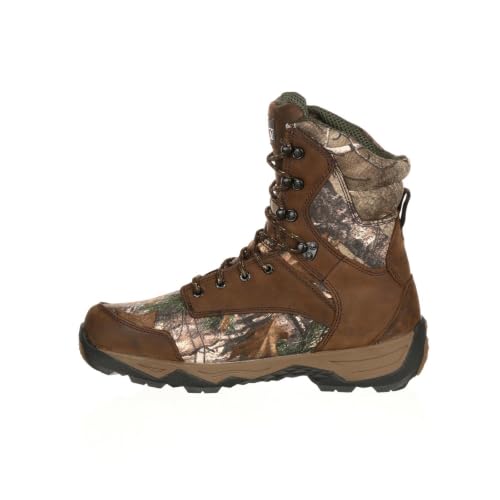
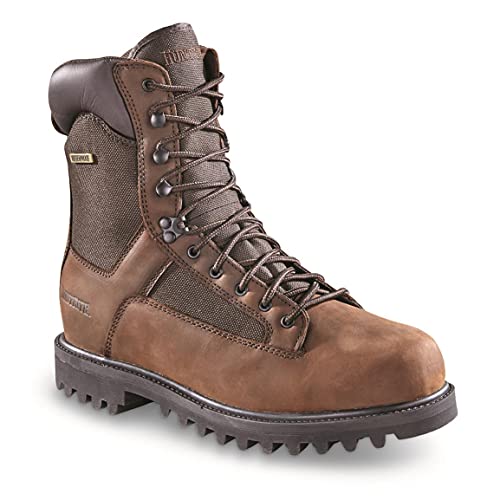
Eight hundred grams of insulation sounds simple, but it changes how a boot feels after three still hours in cold air. The best 800g hunting boots keep your feet warm while you sit, yet still let you walk and glass without fighting stiff footwear. This guide uses a clear checklist, so you can judge warmth against fit and traction in the product table below.
Start with how you hunt. A hunter who sits still makes little body heat, so warmth that feels excessive on the walk in can feel barely enough by the third hour. Your activity level and socks matter as much as the insulation number.
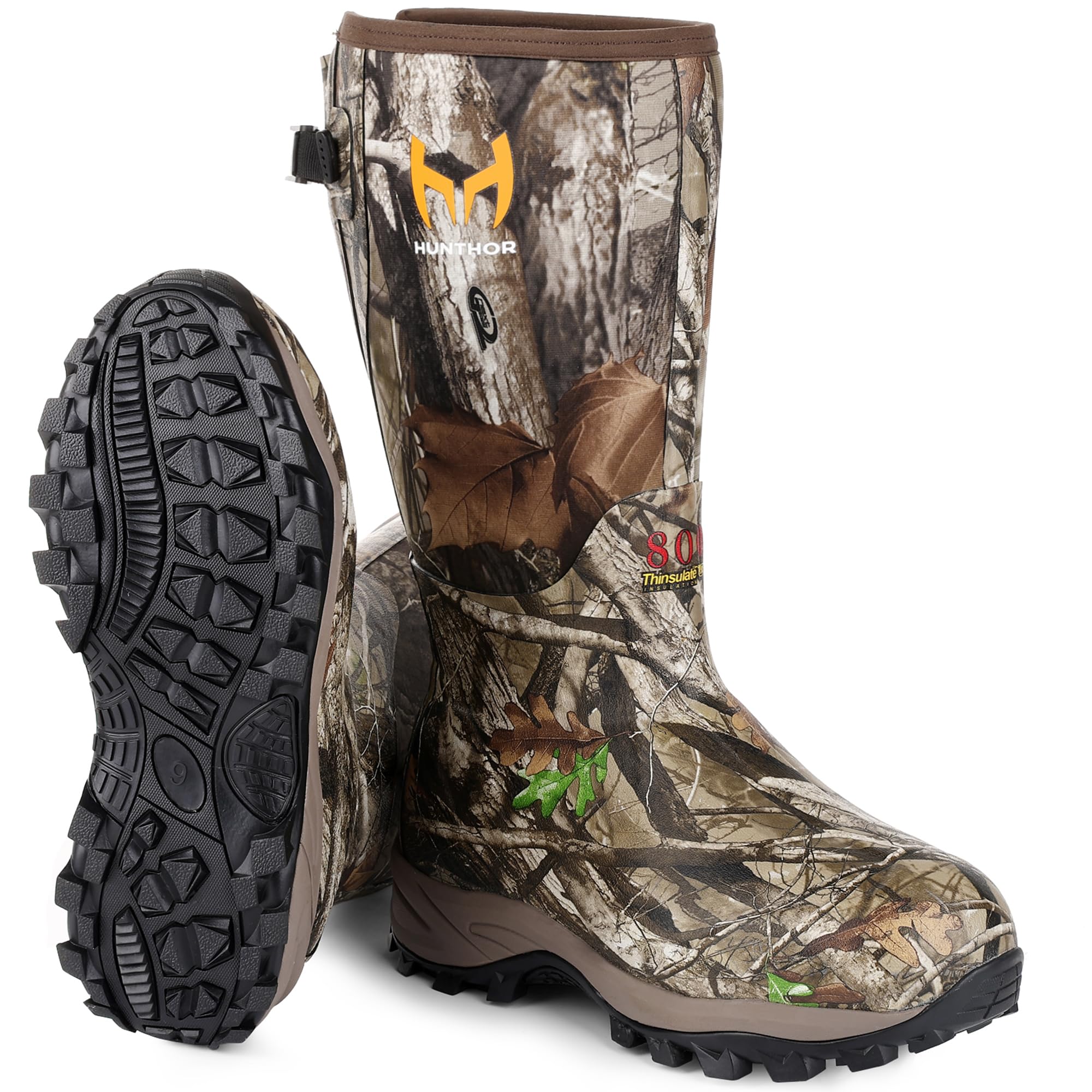


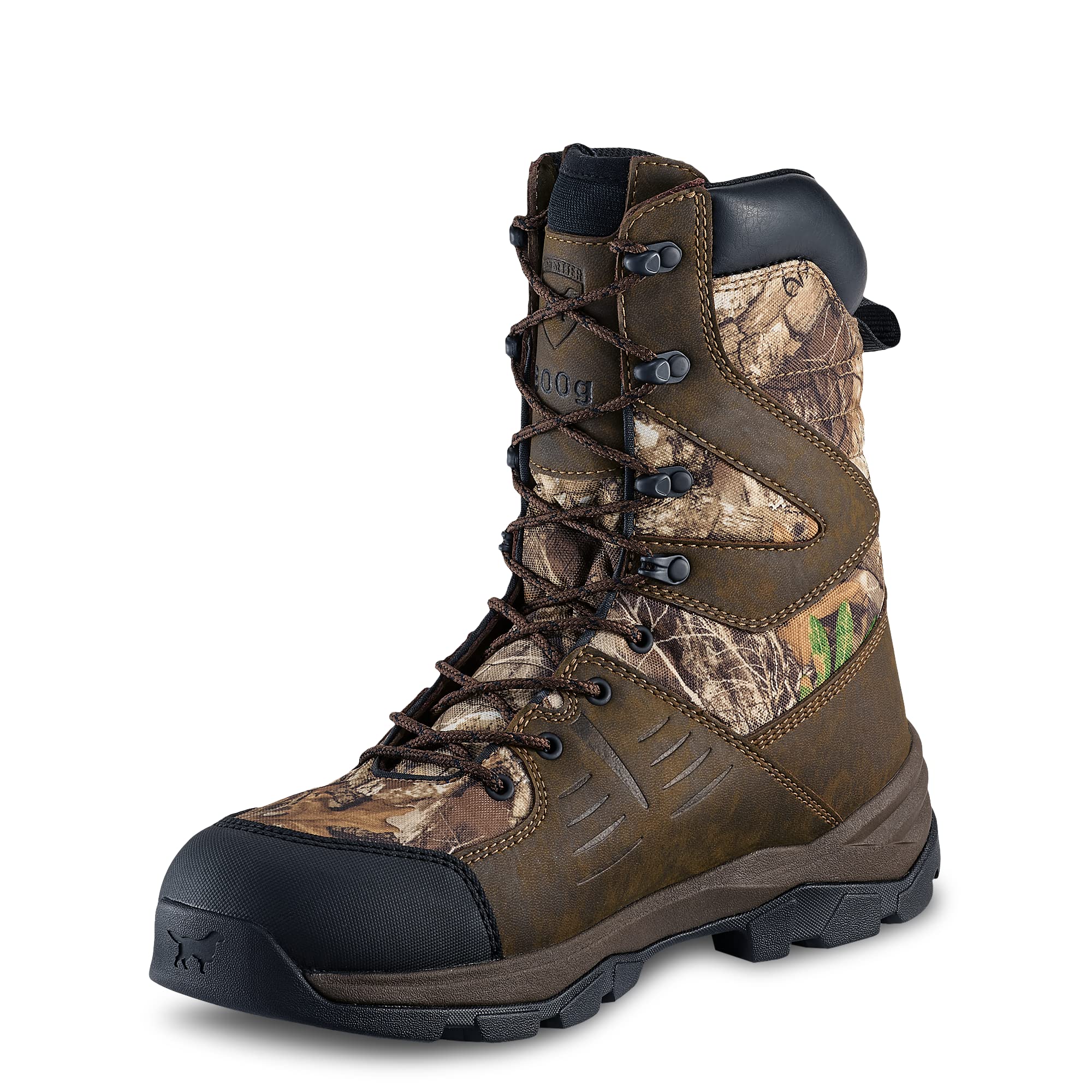
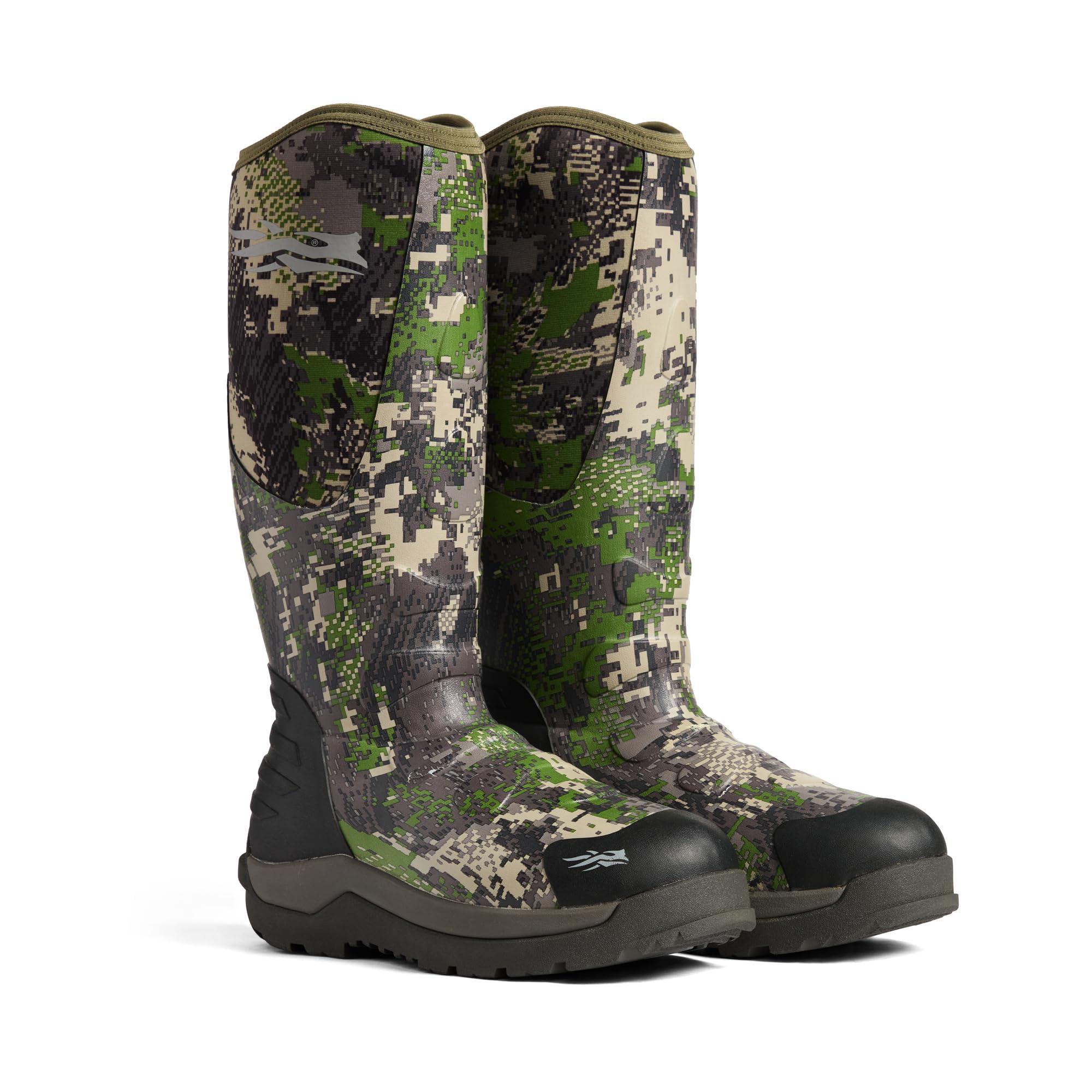
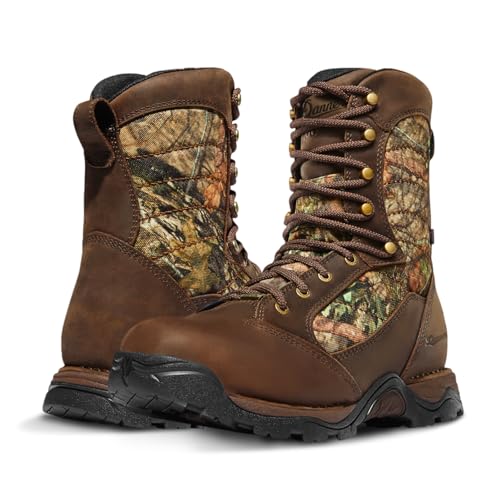
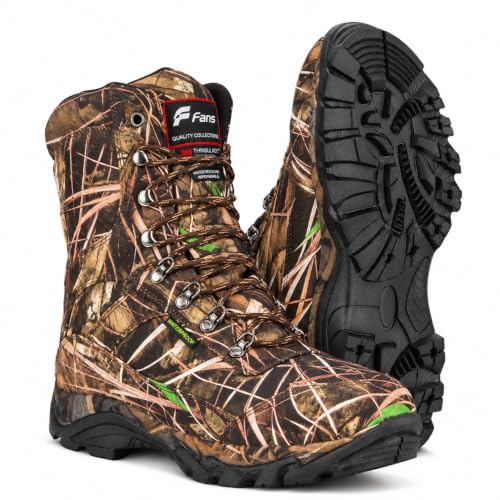
Who Should Buy 800g Hunting Boots?
Choose this insulation level for cold and still hunting first. If you move constantly in mild weather, a lighter boot will serve you better.
Stationary Hunters in Stands and Blinds
You sit for hours with your feet on a cold platform or frozen ground, and you cannot stomp or pace to restore warmth. Eight hundred gram insulation slows heat loss during those still periods, and a tall shaft shields your lower leg from wind. Add a pad under your feet on a bare metal stand, because cold metal draws heat even through a thick sole.
Late Season Hunters in Snow and Wind
You hunt after temperatures fall below freezing and stay there, often with snow covering the approach and the sit. This insulation level suits full mornings where the walk in is short and the wait is long. A waterproof membrane matters here too, since melting snow soaks leather slowly and wet insulation loses warmth. Choose a shaft that keeps loose snow out off a packed trail.
Slow Paced Hunters Who Sit and Glass Often
You move in short, careful stretches, then stop to glass, listen, or wait along a field edge. That rhythm makes less heat than steady hiking, so your feet cool at every stop. Eight hundred gram boots bridge that gap, giving real warmth at each pause without the bulk of the heaviest boots. Keep your pace deliberate on the way in, because sweat from rushing will chill your feet once you stop.
Key Features to Compare
When you compare the best 800g hunting boots side by side, work through the factors below in order. A warm boot that fits badly or slips on frozen ground will still end a hunt early.
What 800 Grams of Insulation Really Means
The gram figure describes the weight of the insulation material, not the weight of the boot itself. Eight hundred grams sits in the serious cold range, commonly chosen for still sits at about 0 to 30 degrees Fahrenheit, though ratings vary by brand. Active hunters often find this level too warm, because moving muscles add heat and sweat. Match the rating to your stillest hour, not to the walk in.
Fit, Sizing, and Toe Box Room for Thick Socks
Try boots late in the day, wearing the exact sock system you hunt in, because feet swell slightly and thick wool socks take real space. You want room to wiggle your toes, about a thumb width before the toe box end, and a heel that stays planted when you climb. A tight boot restricts blood flow and feels colder, so never size down. If you compare lasts across brands, see our guide to the best hunting boots for men for more on standard and wide fits.
Upper Materials, Waterproofing, and Breathability
Full grain leather resists brush and abrasion and molds gradually to your foot, while synthetic panels cut weight and dry faster. Most boots at this level add a waterproof membrane such as Gore Tex to block snow melt and shallow puddles. Breathability is limited in any heavily insulated boot, so moisture control depends on your socks and pace. Choose leather for rough cover, and more synthetic fabric if you cross creeks often.
Outsole Traction on Snow, Mud, and Frozen Ground
Look for deep, open lugs of about 4 to 6 mm that shed mud instead of packing smooth, with edges that bite on packed snow. Rubber that stays flexible in cold grips frozen rock and icy logs better than a hard compound. A defined heel breast helps on steep descents, where your boot must brake rather than skate. Weigh tread as heavily as the insulation number.
Boot Height, Total Weight, and Cushioning
Shafts of about 8 to 10 inches support the ankle on uneven ground and keep snow out, while shorter shafts feel easier on long walks. Expect about 4 to 5 pounds per pair, and notice that weight on every uphill step. Cushioning softens frozen ground, and arch support that matches your foot shape reduces fatigue under a pack. Flat feet usually need firmer support, while high arches need more cushion.
Choosing Between Lighter, 800 Gram, and Heavier Insulation
Lighter boots with about 200 to 400 grams of insulation suit active hunters who keep moving in cool weather near freezing. They run cooler and dry faster, but they leave a still hunter cold within an hour below freezing. If most of your hunting fits that active pattern, see our guide to the best hunting boots for lighter options.
Heavier boots with about 1000 to 1600 grams suit extended sits well below zero, such as northern stands in deep winter. The trade is bulk and more sweat on any real walk. Eight hundred grams is the middle choice for cold sits with a moderate approach. For standing water that tops leather seams, see our guide to the best rubber hunting boots, since full rubber sheds water leather cannot.
Quick Buyer Checklist for 800 Gram Boots
Answer each question before you order, and treat any no as a reason to keep looking.
- Will you sit still for two hours or more in below freezing cold?
- Did you try the boots wearing your full hunting sock system?
- Can you wiggle every toe freely?
- Does the heel stay down when you climb stairs or a slope?
- Is the membrane fully waterproof rather than only water resistant?
- Do the lugs look deep and open enough to shed mud?
- Can you accept about 4 to 5 pounds per pair on your approach?
If you answered yes to all seven, the fit is likely right for your hunts.
Common Mistakes to Avoid
- Buying 800 gram boots for active early season hunts, which causes sweaty feet that chill once you stop moving.
- Sizing boots with thin everyday socks, which leaves no room for wool hunting socks and makes the fit tight.
- Choosing a narrow toe box to feel secure, which restricts blood flow and makes warm boots feel cold.
- Trusting a temperature rating without checking activity level, which leads to boots that miss your coldest still hour.
- Ignoring total boot weight before a long approach, which tires your legs on steep ground.
- Drying soaked boots against a hot stove, which cracks leather and can damage the waterproof membrane.
Care and Maintenance for 800g Hunting Boots
After each hunt, loosen the laces, pull out the insoles, and let the boots air dry away from direct heat. Stuffing them loosely with newspaper helps draw moisture from the insulation. Brush off dried mud before storage, because grit in seams wears the upper as the boot flexes.
Clean leather with plain water and a soft brush, then renew its water repellent finish once water stops beading. Check laces, eyelets, and sole edges every few hunts, and replace worn laces before they snap. Store the boots upright in a dry place, never sealed in a bag while damp, because trapped moisture grows mildew inside insulation.
Frequently Asked Questions
How should 800g hunting boots fit for cold weather hunting?
800g hunting boots should fit with clear toe room, a locked heel, and no pressure across the top of your foot. Check both boots, because most people have one foot slightly larger, and size for the larger one. Walk downhill on a ramp in the store, since toes that touch the front on a descent will bruise on a real slope. Bring your hunting insoles, because a thicker insole changes the fit.
Can I wear 800g hunting boots all day while hunting?
Yes, you can wear 800g hunting boots all day if your day mixes sitting with modest walking in cold weather. Loosen the laces during long sits, then snug them before you move. Change into dry socks at midday, because a fresh pair restores warmth better than tightening the boots. Avoid driving far in them, since bulky insulated boots give poor pedal feel.
Do I need waterproof 800g hunting boots for snow and wet ground?
Yes, waterproof 800g hunting boots are worth choosing for snow, frost melt, and damp leaf litter. A membrane only protects up to the shaft top, so a deeper stream will still fill the boot. Gaiters close that gap and stop snow sliding in as you kneel. Treat the outer leather as the first defense, because a soaked upper feels heavy and cold even when the membrane holds.
How long do 800g hunting boots usually last?
800g hunting boots usually last several seasons of regular hunting when you dry and store them well. Insulation slowly compresses, so an older pair may feel less warm before the upper looks worn out. Watch for smooth lugs, cracked leather at the flex point, and a sole separating at the toe, since each signals the end of reliable service. Boots used mainly from stands often outlast boots used for daily farm work.
Are expensive 800g hunting boots worth the extra cost?
Expensive 800g hunting boots can be worth it when the extra cost buys better leather, a stronger membrane, and a sole you can replace. Cheaper boots often save money on stitching and insoles, which shows up as leaks and tired feet in the second season. A clear warranty matters at this price, so check cover for seams and sole bonds. Spend first on fit, because an expensive boot in the wrong last is still wrong.
The Bottom Line
Match the insulation to your stillest, coldest hour, then demand toe room for thick socks, real traction, and a weight you can carry. Use the product table above to compare those points. When the best 800g hunting boots fit that checklist, you get warmth that lasts the whole sit without giving up the walk in.