Best 70s Watches for 2026: Every Type Explained Side by Side
Disclosure: We may earn a commission when you buy through links on this page, at no extra cost to you. As an Amazon Associate I earn from qualifying purchases. Learn more

Compare the best 70s watches by movement type, case size, strap, and crystal, with clear guidance on which vintage style suits your wrist and budget.
Watches inspired by the 1970s are easy to love and surprisingly hard to shop for. Bold cushion cases, colorful dials, integrated bracelets, and chunky chronographs all compete for your attention, and each style comes with several movement types at very different prices. This guide compares the best 70s watches by type first, so you can narrow the field by how a watch works and wears before you fall for a dial color. Use the comparison table below to build a shortlist, then read the type breakdowns that follow.
The decade had a strong design language: larger cases than the decades before it, warm colors like brown, orange, and gold, and shapes that stepped away from the simple round dress watch. Knowing which of those traits you actually want makes the rest of the decision simple.


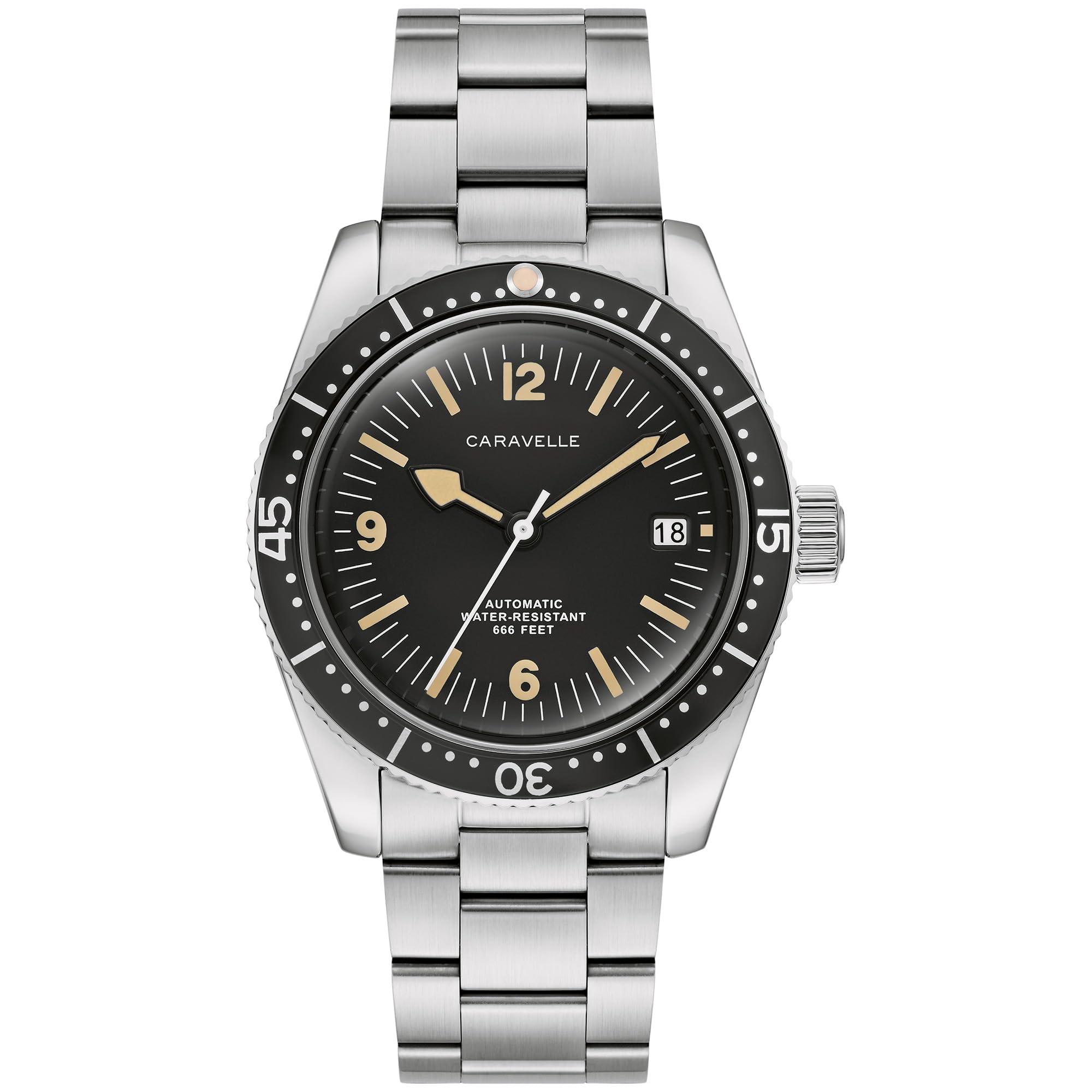


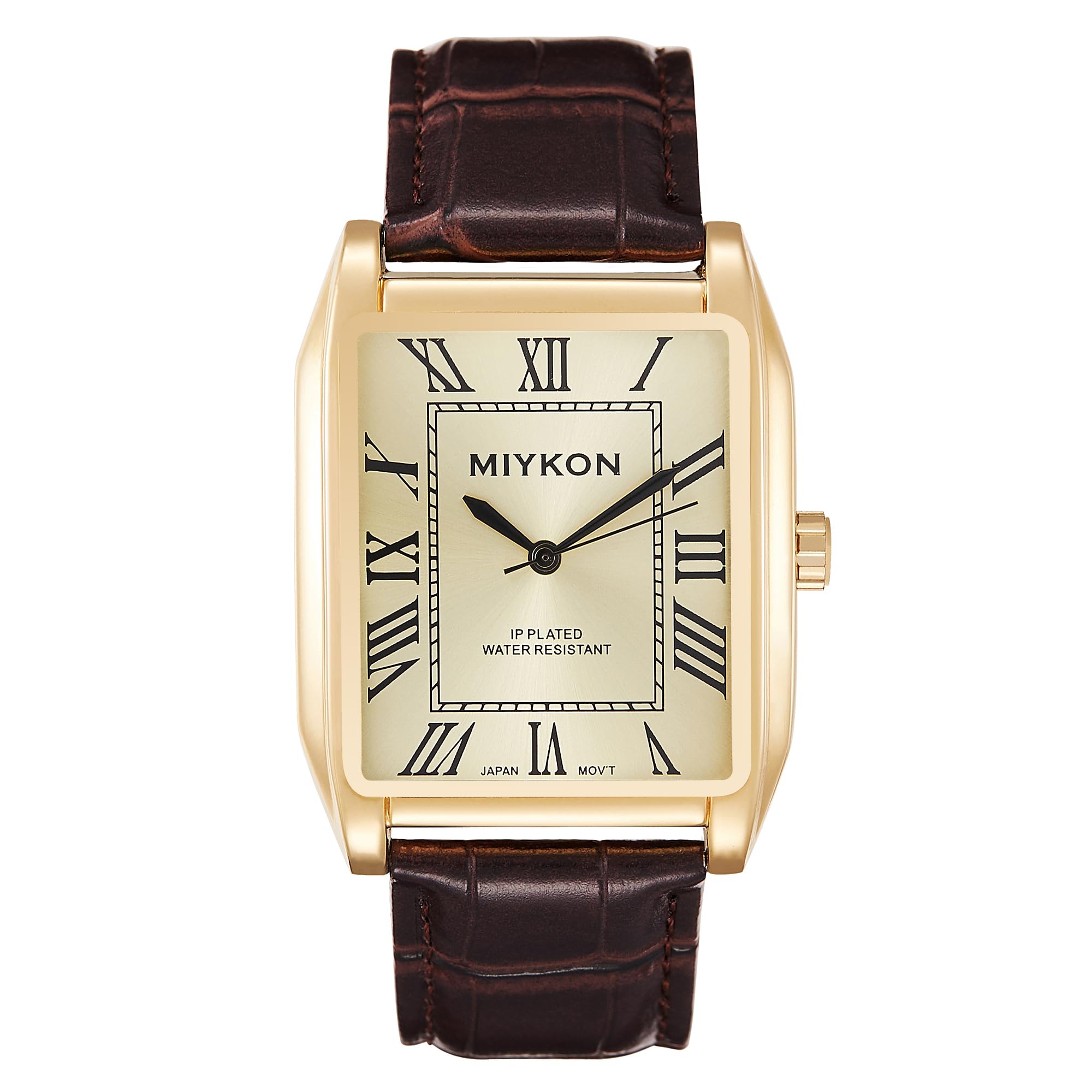

Types of 70s Watches Compared
Start with the movement, because it decides accuracy, upkeep, and most of the price. After that, case shape and strap define the vintage character you see on the wrist.
Automatic Watches
An automatic watch winds itself from the motion of your wrist, using a rotor that keeps the mainspring charged. Wear it daily and it runs for years with no battery at all. Accuracy is typically within about 10 to 30 seconds per day, which suits most people but not perfectionists. Servicing every 5 to 7 years keeps it healthy and adds to the long term cost. Choose an automatic if you enjoy mechanical craft and plan to wear the watch most days, because a watch that sits unworn will stop and need resetting.
Quartz Watches
A quartz watch uses a battery powered crystal to keep time with excellent accuracy, usually within a few seconds per month. It is thinner, lighter, and far cheaper to buy and maintain than a mechanical watch, and it is ready to wear after weeks in a drawer. The trade off is charm: the second hand ticks once per second rather than sweeping, and there is no mechanical craft to admire. Choose quartz if you want the 1970s look with grab and go convenience, or if the watch will share rotation with others.
Solar Watches
A solar watch is quartz at heart, but a light powered cell replaces the disposable battery. A few hours of daylight or indoor light can keep it running for months, which removes battery changes almost entirely. Solar suits the sportier side of 1970s design, including digital and ana digi styles that were futuristic in that era. The limitation is style range: fewer classic dress leaning designs use solar movements. Choose solar if you dislike maintenance and wear the watch outdoors or near windows often enough to keep it charged.
Automatic Watches vs Quartz Watches: Which Should You Choose?
Compare the two main types on five points. Accuracy goes to quartz by a wide margin. Running cost goes to quartz as well, since a battery every 2 to 3 years costs far less than a mechanical service. Character goes to automatic, because the sweeping hand and the weight of a mechanical movement feel special on the wrist. Convenience goes to quartz for anyone who rotates watches. Price goes to quartz at entry level, while automatic prices climb quickly with better finishing. If you will wear one watch daily and enjoy caring for it, choose automatic. If you want the look, the accuracy, and the lowest total cost, choose quartz and spend the savings on a better strap.
Whichever type you choose, standards of finishing separate a good watch from a costume piece; our guide to the best quality watches explains the build details that signal careful manufacturing.
How to Choose the Right 70s Watch
Movement Type (Quartz, Automatic, Solar, Smart)
Match the movement to your habits before you match it to your taste. Daily wearers get the most from automatics, because wrist motion keeps them wound. Occasional wearers are happier with quartz or solar, which wait patiently in a drawer and show the right time when you pick them up. Smartwatches borrow 1970s shapes sometimes, but their screens and short product lives clash with the lasting appeal of this style. If the vintage character is the whole point, a traditional movement in a period correct case is the more satisfying purchase.
Case Size and Wrist Fit
Seventies cases typically run 38 to 44 mm, larger than earlier dress watches but smaller than many modern sports watches. What matters most is the lug to lug distance, because it decides whether the case overhangs your wrist. A 40 mm cushion case can wear smaller than a 38 mm round case with long lugs, so shape matters as much as diameter. Thickness counts too: a watch around 10 to 13 mm slides under a cuff, while a thick chronograph will not. Measure your wrist, then compare lug to lug figures before you buy.
Strap and Bracelet Options
The strap carries much of the 1970s identity. Integrated bracelets, where the metal flows straight from the case with no gap, are the signature look of the era and cannot be swapped for a strap, so be sure you love the bracelet before choosing one. Leather in tan or brown warms up a gold tone dial, a fabric NATO style strap gives a field watch feel, and silicone suits sporty models. Quick release spring bars are a practical modern bonus: they let you change straps in seconds with no tools, which stretches one watch across many outfits.
Crystal and Case Materials
Sapphire crystal is the premium choice because it resists scratches from almost everything except diamond. Mineral crystal costs less and handles knocks slightly better, but it will collect scratches over years of wear. Many vintage styled watches use acrylic for a warm, domed look that suits the period, and light scratches in acrylic can be polished out at home. For cases, 316L stainless steel is the reliable standard, titanium is lighter and warmer on the skin, and gold tone finishes should be thick enough not to wear through at the edges.
Budget shapes the search as well. If you are testing whether the retro look suits you, the models in our guide to the best watches under 70 show how much vintage style a small budget can buy. And if you are shopping for a masculine, bold case shape, compare the silhouettes in our guide to the best watches for guys to see which proportions read strongest on the wrist.
Care and Maintenance Tips
Simple habits keep a vintage styled watch looking sharp. Service automatic watches every 5 to 7 years, or sooner if accuracy drifts badly. Rinse any watch after saltwater exposure, even one rated for swimming, because salt and sand attack seals and bracelets. Store watches away from magnets, including tablet covers and speakers, since magnetism is a common and invisible cause of sudden fast running in mechanical movements. Wipe cases with a soft dry cloth after wear, keep leather straps dry, and store solar models where they receive light rather than in a dark box.
70s Watches: Your Questions Answered
What 70s watch case size fits my wrist?
For most wrists, a case between 38 and 42 mm with a lug to lug span under about 48 mm fits well. Smaller wrists under about 6.5 inches should favor 36 to 39 mm cases. A trick worth using: cut a paper circle to the case diameter and tape it to your wrist, because a flat silhouette reveals overhang that numbers alone can hide.
Quartz or automatic: which is better in a 70s watch?
Neither is better for everyone; quartz wins on accuracy and cost, while automatic wins on craft and long term serviceability. One extra point: a quality quartz movement can run for decades with battery changes, but a discontinued electronic module may be hard to replace, while mechanical parts are more widely serviceable. Buy the type that matches how often you will wear the watch.
How long does a watch battery last in a quartz 70s watch?
A standard quartz battery lasts about 2 to 3 years, and some efficient movements stretch to 5 years or more. Chronograph use and backlights shorten battery life, which matters on ana digi models. Have the battery changed promptly when the watch stops, because an exhausted battery left inside for years can leak and damage the movement.
Is a smartwatch worth it over a classic 70s watch?
A smartwatch is worth it if notifications, health tracking, and GPS matter more to you than style that lasts. A classic watch wins as an accessory and a gift, because it never needs charging nightly and never becomes obsolete software. Some buyers compromise with a traditional watch for most days and a smart device only for exercise, which keeps both tools in the role each does best.
How water resistant should a 70s watch be?
A rating of 30 meters means splash resistance only, despite the number, so keep such a watch out of the shower and pool. Choose 100 meters with a screw down crown if you plan to swim with it. Also note that water resistance fades as seals age, so a vintage styled watch worn in water should have its seals checked every couple of years.
Wrapping Up
Decide the movement first, check the lug to lug fit second, and let the dial win your heart third. That order keeps you from buying a beautiful watch that annoys you daily. Whether you land on quartz convenience or automatic craft, the best 70s watches share honest materials and proportions true to the era, so compare your shortlist in the product table above against those two checks.