
Best 6x8 Speakers under 100 at Every Price: What Your Money Really Gets You in 2026
Disclosure: We may earn a commission when you buy through links on this page, at no extra cost to you. As an Amazon Associate I earn from qualifying purchases. Learn more

Shop the best 6x8 speakers under 100 with a clear guide to what each price tier delivers in sound quality, build, and lasting value for your car.
A pair of 6x8 car speakers can cost less than a tank of fuel or close to the full $100 ceiling, and the gap between those prices is real. Materials improve, output gets cleaner, and small frustrations disappear as you spend more, but only up to a point. This guide shows you where each price band puts your money, so you can judge the best 6x8 speakers under 100 by value rather than by the biggest discount banner.
Work through the tiers below, compare your finalists in the comparison table below, and you will know exactly which compromises you are accepting at the price you choose.


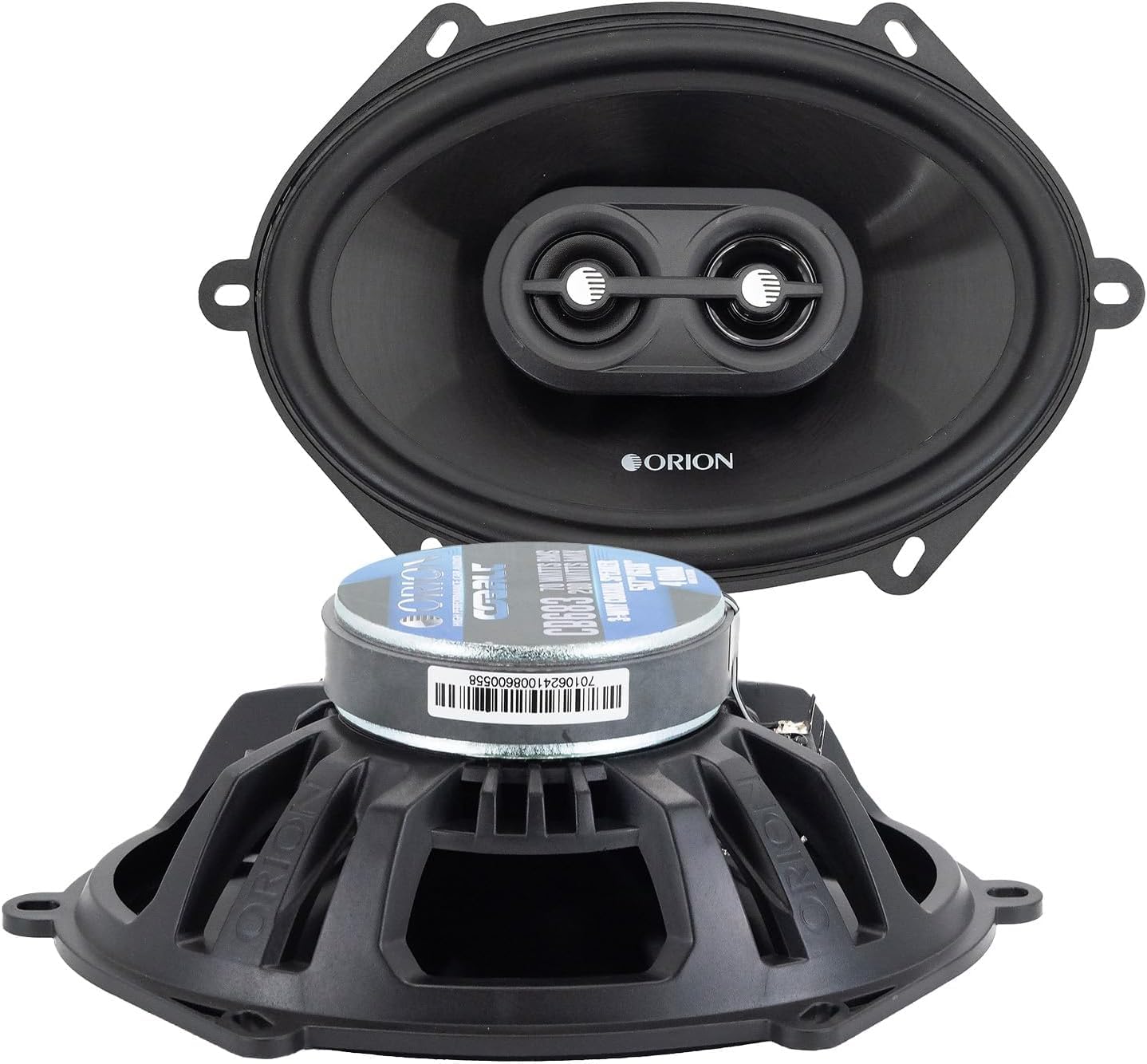


Three Price Points, Three Different Shopping Lists
Instead of chasing a single winner, shop each tier with its own checklist. What counts as a smart buy at around $50 looks very different from a smart buy near $100.
Budget Tier Checklist: Around $40 to $60 a Pair
At this level, your checklist should start with survival basics: a synthetic cone that tolerates door moisture, a surround that will not crumble in a few summers, and sensitivity high enough for a factory stereo. Expect a simple coaxial design with a basic tweeter and modest bass. This tier suits a second car, a work vehicle, or a first fix for a blown factory speaker. The main limitation is refinement, since vocals can sound plain and loud passages may harden, but a well chosen budget pair still beats worn stock speakers easily.
Midrange Tier Checklist: Around $60 to $85 a Pair
The middle band is where most buyers should shop. Add better tweeter materials, such as silk or a quality synthetic dome, plus stronger magnets and cleaner power handling to your checklist. Sound gains show up as clearer voices, steadier bass, and less distortion on the highway. This tier suits daily drivers who listen for an hour or more each day and want the upgrade to feel finished rather than temporary. The trade off is that you still will not get the deep bass or fine detail of larger, costlier systems.
Upper Tier Checklist: Around $85 to $100 a Pair
Near the ceiling, demand more for your money: higher RMS handling for a future amplifier, thoughtful crossover parts, and build details like sturdy baskets and better terminals. This tier suits listeners who plan to keep the car for years or add power later, because headroom today prevents a second purchase tomorrow. Sound should stay composed at volume, with treble that stays smooth rather than sharp. The limitation is simple: past this point, installation quality and door treatment often matter more than the next step up in speaker price.
What Your Money Gets You at Each Price Tier
The checklist above tells you what to demand. This section explains what physically changes inside the speaker as the price climbs.
Budget Tier: What to Expect
Budget speakers typically pair a polypropylene or treated paper woofer with a small mylar or piezo style tweeter. The combination is light, efficient, and cheap to build, which is why these speakers play loudly on factory power. Bass reach is limited, and the crossover is often just a single capacitor, so the handoff between woofer and tweeter can sound rough. For talk radio, podcasts, and casual music, that is an acceptable bargain. Just expect clarity, not richness.
Midrange Tier: The Sweet Spot for Most Buyers
Midrange models usually upgrade the tweeter to a dome design with a wider, smoother response and add a proper small crossover network. Woofers gain stiffer cones and larger voice coils, which hold the sound together when you turn the volume up for a favorite song. Frequency response stretches a little lower, so bass lines sound fuller without a subwoofer. For most cars and most listeners, this tier delivers the largest jump in everyday enjoyment per dollar spent.
Premium Tier: When Spending More Pays Off
Spending near $100 buys refinement rather than a new category of sound. Expect cleaner treble, tighter bass control, and parts chosen for long service, such as rubber surrounds and corrosion resistant terminals. These speakers also tend to publish honest RMS ratings, which makes matching them to an amplifier later much easier. Spending more pays off when your stereo and listening habits can reveal those gains. On a basic factory system in a noisy car, some of the extra polish goes unheard.
Features That Matter in the Best 6x8 Speakers Under 100
Not every feature on the box deserves part of your $100. Here is how to sort the ones that earn their cost.
Power Handling and Sensitivity
These two numbers decide how loud and clean your speakers play on the power you already own. Sensitivity near or above 90 dB means a factory stereo reaches comfortable volume without strain, which saves you from buying an amplifier. RMS handling tells you what the speaker can take continuously if you do add power later. Pay for sensitivity first if you run stock power. Skip giant peak watt claims entirely, because they describe a split second burst, not music.
Durability and Water Resistance
Durability is worth real money in a door speaker, because doors are wet, hot, and cold in rotation. Rubber surrounds and synthetic cones outlast foam and untreated paper by years, and that longevity is cheap insurance against doing the job twice. Car speakers seldom carry formal waterproof ratings, so judge the materials rather than a label. If your car parks outside year round, move durability above small sound differences when two options compete for the same dollars.
What You Can Realistically Get Under $100
Under $100, a good pair of coaxial speakers with honest specs, durable materials, and clean sound at real world volume is a realistic goal. Deep, seat shaking bass is not, because a door mounted 6x8 can only move so much air. Separate component sets, premium brand engineering, and amplifier level power handling mostly live above this ceiling. Do not save money on fit or materials to chase bass claims. A correctly fitting, well built pair at around $70 will satisfy more drivers than a flashy pair at around $95 that rattles in the door.
Sound Quality and Tuning
Balanced tuning is worth paying for, because you hear it on every song. Look for descriptions and measurements that suggest even response rather than boosted extremes, and remember that your stereo equalizer can only polish a basically sound design. Tweeter material shapes the top end most: domes sound smoother, while cheap hard tweeters can hiss and sting. If you shop for the wider category too, our guide to the best speakers under 100 shows how this budget plays out across other sizes.
Long Term Costs to Factor In
The speaker price is only part of the job. Budget for mounting adapters and wiring harnesses, usually a modest sum, unless your car accepts the speakers directly. If a shop installs the pair, labor can rival the cost of budget speakers, so ask for the full quote before you commit. Sound deadening material for the doors is an optional extra that often improves bass more than a pricier speaker would. Finally, keep the receipt and warranty card, because a speaker that fails in the second summer should cost you nothing but time.
Frequently Asked Questions
Can you get a good 6x8 speaker under $100?
Yes, a genuinely good pair is realistic at this budget. Expect durable materials, honest sensitivity around 90 dB, and clear, balanced sound at normal and moderately loud volume. What you give up is deep bass and the fine detail of costlier component sets. For a daily driver on factory power, a midrange pair under $100 usually feels like a complete upgrade rather than a compromise.
Do I need an amplifier for 6x8 speakers?
No. High sensitivity models, around 90 dB or higher, play well on a factory head unit. An amplifier adds headroom and cleaner bass if you want more volume, and then the speaker RMS rating should match the amplifier output.
Is sound deadening worth the extra cost?
Yes for most doors and rear decks. Deadening the outer skin and sealing the speaker to the panel cuts rattles and tightens midbass, often improving sound more than moving up one speaker price tier.
Coaxial or component: which sounds better?
Component sets give better imaging because the tweeter mounts higher, but they cost more and take longer to install. Coaxial pairs are simpler, cheaper, and the right choice for most factory upgrades.
How do I protect speakers from door moisture?
Choose treated or polypropylene cones and rubber surrounds, keep door drain holes clear, and fit a foam baffle or the factory water shield behind the speaker so rain running down the glass does not reach the cone.
Wrapping Up
Decide your tier first, demand sensitivity and durable materials inside it, and keep expectations honest about bass. Then compare the finalists in the product table above before you buy. Shopped that way, the best 6x8 speakers under 100 give you a clear, lasting upgrade without a dollar wasted on claims that do not survive the first drive.


