Best 6 Inch Tactical Boots: Everything to Know Before Your First Purchase in 2026
Disclosure: We may earn a commission when you buy through links on this page, at no extra cost to you. As an Amazon Associate I earn from qualifying purchases. Learn more

Shopping for the best 6 inch tactical boots for the first time? Learn the terms, compare options, and avoid rookie mistakes with this easy guide.
Buying your first pair can feel confusing because listings use the same words for very different boots. This guide explains each term in plain English and shows you how to match a boot to your work and your feet. When you know what to check, the best 6 inch tactical boots for you become much easier to spot in the comparison table below.
Think about your longest day first, not your shortest one. Hours on concrete, wet grass, stairs and vehicle pedals all ask different things from the same boot. The sections below cover shaft height, fit, waterproofing, cushioning and care.


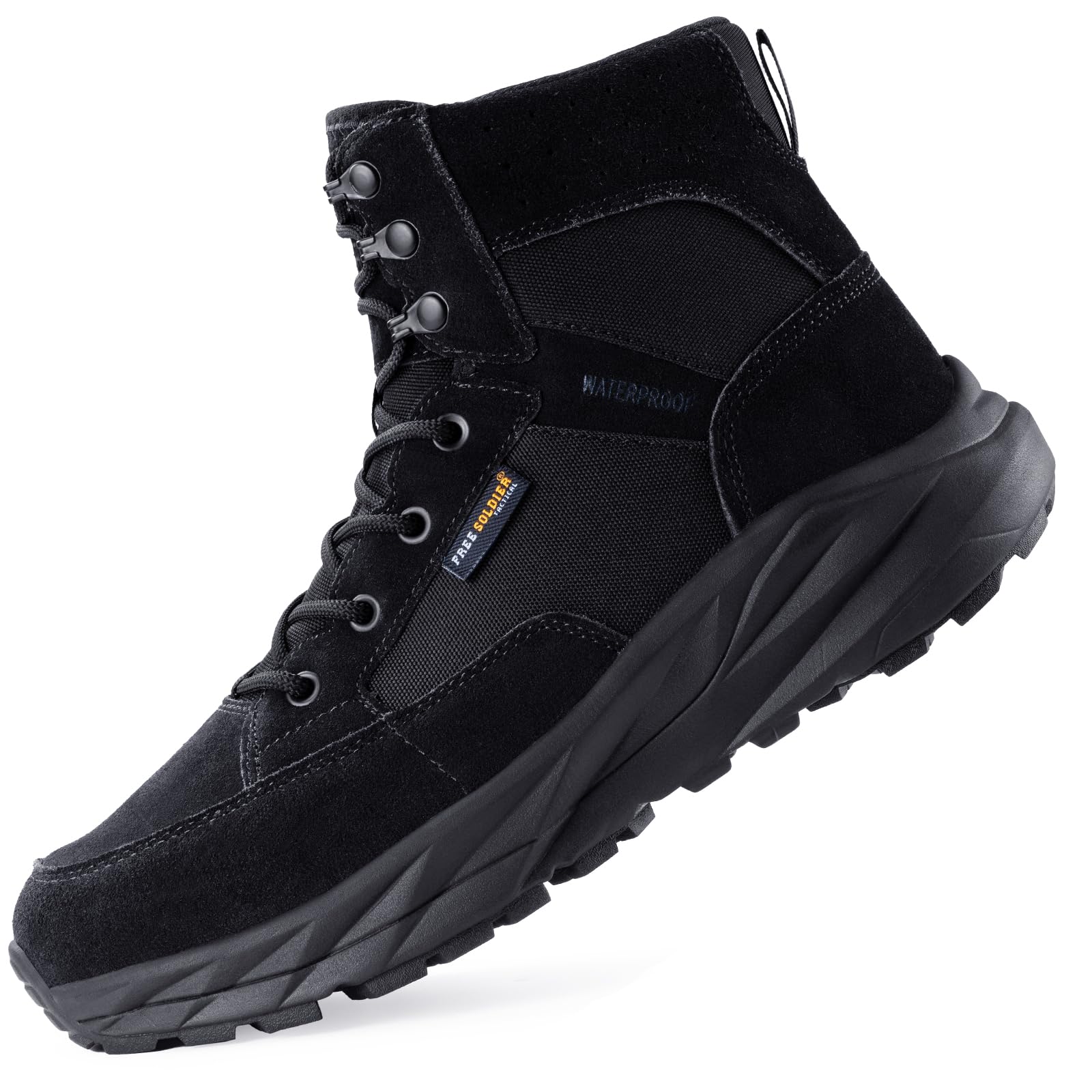

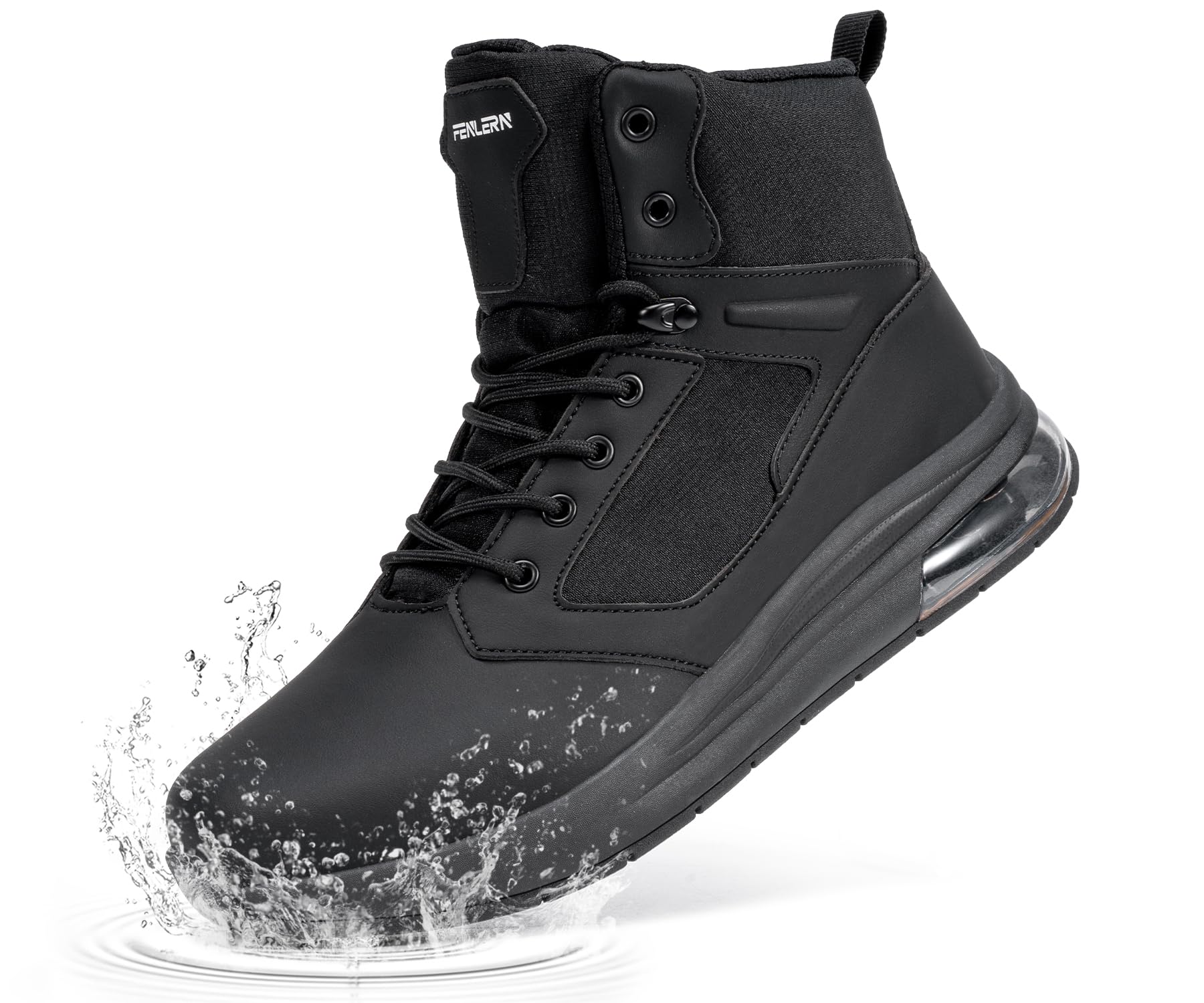


6 Inch Tactical Boots 101: The Basics for First Time Buyers
A 6 inch tactical boot rises to about 6 inches above the sole, so the collar sits just above your ankle bone. That height gives your ankle more coverage and support than a shoe, while it stays lighter and easier to move in than a tall 8 inch boot.
The height alone does not tell you how a boot will feel. Two boots can share the same shaft height and differ in weight, grip, waterproofing and support. If you want the wider height comparison first, see our guide to the best 6 inch boots. Then return here for the duty focused details.
Who Should Buy 6 Inch Tactical Boots?
Choose by the work you do most weeks. The right boot for patrol can be too stiff for academy training and too warm for summer outdoor work.
Patrol, Security and Emergency Staff on Long Shifts
You stand, walk and drive in the same shift, often on hard floors. Look for steady cushioning, a stable sole that does not twist easily, and a collar that supports your ankle without rubbing it. A plain toe and a dark, polishable upper suit most uniform rules. Weight matters, because a heavy boot feels much heavier by the final hour.
Trainees and Cadets in Academy Training
You need a boot for drills, short runs and long days while your feet get used to duty footwear. Choose a flexible sole, a roomy toe box and a modest heel to toe drop so your stride stays natural. Avoid very stiff leather, because training leaves little time for a slow break in period.
Outdoor Workers and Walkers Who Want Ankle Coverage
You work on gravel, grass and uneven ground and want more ankle coverage than a shoe gives, without a tall boot. Look for deeper outsole lugs, a breathable upper for warm days, and toe scuff protection. If your job site calls for safety toes or rated protection, see our guide to the best 6 inch work boots instead, because tactical boots do not always carry those ratings.
Key Features to Compare
Work through these six factors in order. Fit comes first, because no membrane or tread can fix a boot that hurts your feet. This order also explains why the best 6 inch tactical boots for a trainee can differ from the right pair for patrol work.
Fit, Sizing and Toe Box Shape
Measure both feet in the afternoon, when they are at their largest, and shop in your duty socks. Your heel should stay put, your toes should spread without pressing the sides, and you should have about a thumbs width in front of your longest toe. Sizes vary between brands, so use each brand size chart rather than assuming your shoe size will match.
Membranes and Sealed Seams for Wet Duty Days
A waterproof membrane such as Gore Tex sits inside the upper and blocks rain and puddle water while letting some vapor escape. Choose it if you work outdoors in wet weather often. Skip it if you work mostly indoors or in hot weather, because a membrane breathes less well than an open mesh upper and your feet will run warmer. Waterproofing also fails at the collar, so deep water over the ankle will still get in.
Leather and Mesh Uppers for Long Shifts
Full grain leather resists scuffs, holds polish and suits uniform checks, but it weighs more and dries slowly. Split leather with nylon panels cuts weight and improves airflow, which helps on warm shifts. Mesh panels breathe best, yet they offer the least abrasion protection and let dust in easily. Pick the upper for your setting first, then check that seams sit away from your ankle bone.
Cushioning, Stability and Heel to Toe Drop
Cushioning lives in the midsole and insole, and it softens each step on concrete. A stability design resists twisting and guides your foot straight, while a neutral design lets your foot move more freely and suits feet that do not roll inward much. Heel to toe drop is the height difference between heel and forefoot, often about 8 to 12 mm here. A lower drop feels flatter and steadier for lifting and drills, while a higher drop can ease calf pressure on long walks.
Arch Support and Your Foot Type
Arch support should match your foot shape rather than push as hard as possible. Flat feet often feel better with firmer arch support and a stable heel, because the foot tends to roll inward as it tires. High arches often need more cushioning, because the foot absorbs less impact on its own. Try boots late in the day on a hard floor, since soft carpet can hide pressure points. If you get sharp heel pain, numbness or pain that changes how you walk, talk with your clinician about your personal needs.
Outsole Grip, Boot Weight and Break In Feel
The outsole is the rubber layer that meets the ground, and its lug pattern sets your grip. Shallow, wide lugs suit pavement and indoor floors, while deeper lugs bite better on gravel and mud but can feel clunky on smooth concrete. Most pairs weigh about 2 to 3 pounds together, and lighter pairs reduce leg fatigue. A good pair should feel secure at the heel from the first walk, with forefoot stiffness that eases over the first one to two weeks.
Getting Started: First Fit Checks and Break In Steps
Inspect the stitching, eyelets and soles first. Lace the boots firmly and check that your heel lifts only slightly on a hard floor. Walk stairs and bend into a shallow squat, because both moves show collar rubbing and toe pressure that a straight walk can miss.
Break the boots in with short wears first, around the house and then for a short shift, adding time over several days. Keep spare socks with you so you can change at the first hot spot. This gradual start protects your skin.
Common Mistakes to Avoid
- Buying your normal shoe size without duty socks leads to cramped toes and blisters on long shifts.
- Choosing waterproof boots for hot indoor work traps heat and leaves your feet damp from sweat.
- Picking the stiffest boot for academy drills slows your footwork and lengthens the break in period.
- Ignoring outsole pattern means a boot that grips mud may slide on polished indoor floors.
- Wearing a new pair for a full shift on day one turns small pressure points into hot spots.
Care and Maintenance for 6 Inch Tactical Boots
Brush dirt from the upper and outsole after each dirty shift, and loosen the laces so air can reach inside. Air dry wet boots at room temperature away from direct heat, because strong heat can crack leather and weaken glue. Rotate two pairs if you work daily, since a rest day lets the lining dry fully.
Condition leather only as the maker directs, and keep polish for leather rather than mesh panels. Check laces, eyelets and lug depth each month, and wash textile panels with mild soap when they hold odor. Store boots upright.
FAQ
Can I wear 6 inch tactical boots all day on concrete?
Yes, you can wear 6 inch tactical boots all day on concrete if the fit and cushioning suit your feet. Change into dry socks halfway through a long shift, because damp socks raise friction and make tired feet feel worse. Standing mats help at fixed posts, and brief seated breaks help more than a thicker insole.
Are expensive 6 inch tactical boots worth the extra cost?
Expensive 6 inch tactical boots can be worth it when the extra cost buys lighter materials, a better membrane or a longer warranty. Price alone does not promise better fit, so a costly boot in the wrong shape is still a poor buy. Spend first on correct size and suitable grip, then pay more only for the upgrade your work will use each week.
How often should I replace my 6 inch tactical boots?
Replace your 6 inch tactical boots when the lugs wear smooth, the midsole feels flat and harsh, or the upper splits at the flex point. For daily duty use that often arrives after about 12 to 18 months, though lighter use can extend it. Compare the feel with a new pair rather than relying on age alone.
Do I need waterproof 6 inch tactical boots for summer work?
You need waterproof 6 inch tactical boots for summer work only if rain or wet ground is part of your normal day. In dry heat, a non waterproof upper with mesh panels will usually keep your feet cooler and drier from sweat. Some workers keep one waterproof pair for wet months and one breathable pair for summer.
How should 6 inch tactical boots fit around the ankle?
6 inch tactical boots should fit snugly around the ankle without biting when you flex your foot forward. The collar should contact your ankle evenly, with no edge digging in as you climb stairs or kneel. If the collar gaps at the back, try a lacing pattern that locks the heel before you assume the size is wrong, because lacing alone fixes many cases of heel lift.
Final Thoughts
Start with fit, then match waterproofing, support and grip to the ground and weather you face most. A 6 inch shaft gives you ankle coverage and easy movement, and the right pair should feel steady rather than impressive in the store. Use the product table above to compare weight, materials and price.
When you shop for best 6 inch tactical boots as a first time buyer, buy for your longest real day and break the pair in gradually. That plan prevents most rookie mistakes.