Best 6 Gallon Shop Vacs (2026): How to Choose
Disclosure: We may earn a commission when you buy through links on this page, at no extra cost to you. As an Amazon Associate I earn from qualifying purchases. Learn more

Choosing the best 6 gallon shop vac? A 6 gallon tank handles garage cleanup and small spills without the bulk.
A 6 gallon tank sits in a useful middle ground. It holds enough debris for a full garage or workshop cleanup, yet the machine still rolls easily through a doorway and stores in a corner. Choosing the best 6 gallon shop vac comes down to suction strength, weight, filtration, and the accessories in the box, and this guide compares the main types on those points. The comparison table below sums up the key differences.
If you are also weighing other sizes, our overview of the best shop vac options puts this capacity in context.


The Main Types in This Size
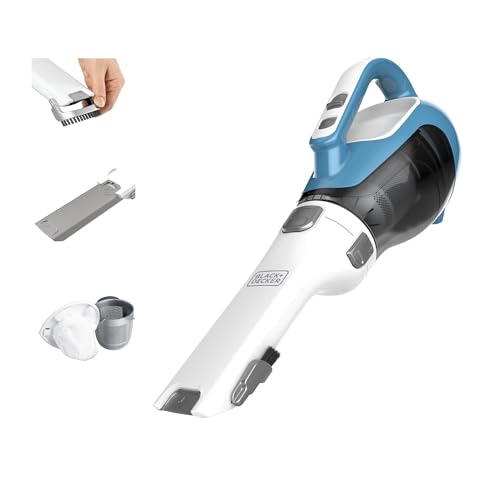
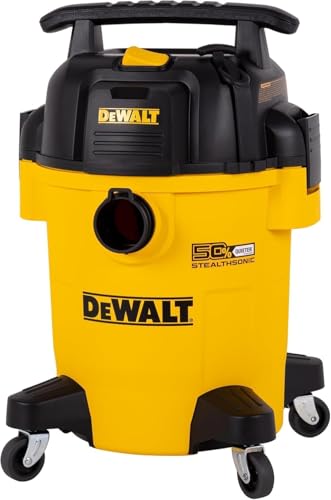
Instead of ranking individual models, picture the three types you will meet in this capacity. A standard corded type gives steady suction for long sessions and suits most garages. A compact corded type trims weight while keeping a full size tank. A cordless type trades some runtime for total freedom of movement around cars, stairs, and outdoor work areas.
All three share the same tank size, so your decision rests on power source, hose length, and filter setup.
Who Should Buy a 6 Gallon Shop Vac?
Garage and Workshop Owners
You generate sawdust, screws, wood offcuts, and tracked in grit on a regular basis, and a household vacuum cannot handle that mix. A 6 gallon model swallows a full bench cleanup without a mid job emptying stop. Choose a corded type with a hose of about 7 to 10 feet so you can leave the tank parked while you reach under shelves.
Homeowners With Floods and Spills
A burst pipe or a water heater leak can leave several gallons of water on a floor in minutes. A wet dry model in this size lifts that water in a few passes and holds it in one load for most small incidents. Look for a drain port near the base of the tank, since tipping a full tank to pour it out is awkward and heavy.
Car Owners Who Detail at Home
Crumbs, pet hair, sand, and gravel collect in footwells and trunk corners where a wide floor nozzle cannot reach. A slimmer tank profile and a long hose let you work around open doors without dragging the machine against paint. For crevice tool advice, see our guide to the best shop vac for car detailing.
Key Features to Compare
Suction Power and Airflow
Manufacturers quote peak horsepower and airflow in cubic feet per minute, and both describe the motor under ideal conditions rather than at the end of a clogged hose. In this size class, expect roughly 60 to 90 cubic feet per minute and about 4 to 5 peak horsepower on corded models. What you feel in use is lift on wet debris and pull on fine dust, so a sealed suction rating, when listed, tells you more than horsepower alone.
Weight and Ergonomics
An empty 6 gallon machine typically weighs about 12 to 18 pounds, and a full tank of water adds close to 50 pounds, so handle design matters more than the brochure weight. A wide top handle helps on basement stairs, while large rear wheels and swivel front casters keep it from tipping on uneven concrete.
Filtration and Dust Control
A standard paper cartridge filter handles sawdust and dry debris well, but fine dust from sanding or drywall work passes through basic media and blows back into the room. A fine dust filter or a HEPA rated filter captures far smaller particles and keeps indoor air cleaner. Many owners pair the cartridge with a disposable filter bag, which extends filter life and makes emptying cleaner. For wet pickup, swap to a foam sleeve so water does not ruin the paper element.
Hose, Cord, and Working Reach
Your total reach is the hose length plus the power cord length, and it decides how often you hunt for a new outlet. Corded models in this class often pair a 7 to 10 foot hose with a cord of about 10 to 16 feet, covering a two car garage from one outlet. Hose diameter matters too: narrow hoses suit car interiors, while wide hoses clear wood chunks without clogging.
Tank Build and Drain Design
Most tanks in this size are molded plastic, which resists dents and rust and keeps weight down, while a smaller number use stainless steel for a stiffer shell. Plastic suits most homes because it shrugs off bumps against a bench leg. Look at the latches as well, since loose latches leak suction and can pop open when you lift a full tank.
How to Choose the Right Shop Vac
Size and Form Factor
The wider lineup runs from about 2.5 gallons up to 16 gallons and beyond. Small tanks suit quick car and stair jobs, while 12 and 16 gallon machines serve contractors who fill a tank daily. Six gallons fits weekly garage cleaning plus the odd spill, and it stores far more easily than the large sizes. If you are torn between sizes, our notes on the best small shop vac range explain what you give up below this capacity.
Types Worth Knowing
Beyond the corded and cordless split, you will see wall mounted units for a fixed garage bay and models with a detachable blower for leaves and sawdust piles. Quieter designs add insulation around the motor at some cost in weight. A detachable blower earns its price only if you truly clear outdoor surfaces often. For most buyers, the plain canister form remains the most flexible.
Cordless vs Corded Power
Corded models deliver full suction for as long as you need and cost less for the same power, which makes them the default for workshop cleanup. Cordless models shine for cars, boats, and quick spills far from an outlet, but runtime on high suction is often about 15 to 30 minutes per charge. If your jobs are short and scattered, the freedom of a best cordless shop vac candidate is hard to beat.
Battery Platform and Motors
On cordless models, the battery platform locks you into a charger and pack family, so matching a platform you already own for drills and saws saves real money. Larger packs extend runtime but add weight. Brushless motors, now common on cordless tools, run cooler and usually last longer than brushed designs because there are no brushes to wear down, and they hold suction more steadily as the battery drains.
Accessories and Warranty
A useful kit includes a floor nozzle, a crevice tool, a utility nozzle, and at least one extension wand, and missing pieces cost more bought later. Check that replacement filters and bags are easy to find, since a vac without a fresh filter loses suction fast. Warranty length in this class runs from about 1 to 5 years.
How Much Should You Spend?
Basic corded models in this size start at about $50 to $80 and cover dry debris and light wet pickup well. Spending about $80 to $130 usually buys stronger suction, better filtration options, and a longer hose and cord. Premium and cordless models run about $130 to $250 once batteries enter the picture. Pay for filtration and reach before cosmetic extras.
Is a 6 Gallon Shop Vac the Right Size for You?
Measure your typical job before you decide. If a normal cleanup fills a household vacuum several times, or a spill could reach 3 to 5 gallons, this size handles it in one load. If your work is mostly car interiors and small bench messes, a 4 gallon model may serve you better. If you renovate rooms or clear standing water often, step up to 12 gallons or more.
Storage is the other half of the fit question. A 6 gallon canister has roughly the footprint of a large bucket, so it tucks under a bench. For more on sizing, see our explainer on how to choose a shop vac.
Common Mistakes to Avoid
- Buying on peak horsepower alone, which ignores airflow and sealed suction, the numbers that predict pickup on real debris.
- Using the paper filter for water pickup, which soaks the media, cuts suction, and can ruin the filter in one session.
- Ignoring filter bag costs, which add up over years and can make a cheap machine the expensive one to own.
- Dragging the vac by its hose, which loosens the hose cuff and strains the tank inlet until it leaks air.
- Storing the machine with debris inside, which invites odors, mold on damp material, and a clogged filter next time.
Care and Maintenance
Empty the tank after every wet job and let it dry with the lid off, because standing moisture grows mildew and rusts metal screws inside the lid. Tap dust out of the cartridge filter outdoors after dry sessions, and wash only filters the maker labels as washable. Inspect the hose for splits near the cuffs. Wipe the float valve clean so it can rise and shut off suction when the tank fills with water, which protects the motor.
Once or twice a year, check the cord for nicks, spin each caster to clear wound hair and string, and confirm the latches pull the lid down tight. If suction drops suddenly, work through the basics in our guide to how to use a shop vac, starting with the filter and the hose.
FAQ
What is the best 6 gallon shop vac for a typical home?
For most homes, a corded model with about 4 to 5 peak horsepower, a fine dust filter option, and a hose plus cord reach of 20 feet or more covers garage, basement, and car duty in one machine. Prioritize a drain port if your basement has flooded before. Cordless suits you only if your sessions stay short and you keep a charged spare pack ready.
What size shop vac do I need for my house?
Count how your messes arrive. Frequent small spills and car dirt point to 4 gallons or less, steady workshop debris fits 6 gallons, and renovation waste fills 12 gallons quickly. Also measure your storage spot and the narrowest doorway on your cleaning route, because a tank that cannot pass a laundry room door will annoy you every week no matter how strong its motor is.
How long does a 6 gallon shop vac last?
A well kept machine often serves about 5 to 10 years of home use, with the motor and the filter system deciding the real lifespan. The most common early failure is not the motor but a split hose or a broken caster, both cheap to replace. Keeping grit out of the motor through intact filters is the single habit that adds the most years.
Is a 6 gallon shop vac worth it if I own a household vacuum?
Yes, if your home produces anything beyond light dust. A shop vac handles screws, wood chunks, and wet spills that would clog or damage a household machine, and it doubles as a blower on many models. It also lives in the garage, so your indoor vacuum stays clean and upstairs. The overlap is small because the two machines are built for different kinds of dirt.
How do you clean a 6 gallon shop vac filter?
Take the filter outdoors, tap it edge down against a bin to knock loose dust free, then brush the pleats with a soft brush. A foam sleeve for wet work can be rinsed with plain water and air dried. Replace the cartridge when dust cakes deep in the pleats and suction stays weak after cleaning, which on dusty renovation work can arrive within a single project.
Does a 6 gallon shop vac need a filter bag as well as a cartridge?
A bag is optional, but it changes daily use more than most buyers expect. The bag traps fine dust before it reaches the cartridge, so the cartridge lasts far longer and the tank empties without a dust cloud. Bags cost a few dollars each, so the tradeoff is running cost against filter life. For drywall or sanding dust, treat the bag as close to mandatory.
Final Thoughts
Six gallons covers the widest range of home jobs without the bulk of a contractor machine. Match the power source to your session length, put filtration and reach high on your list, and confirm the accessories you need are in the box. Review the product table above once more, then pick the best 6 gallon shop vac type that fits how you actually clean.