Best 6 Drawer Dresser: Buying Guide (2026)
Disclosure: We may earn a commission when you buy through links on this page, at no extra cost to you. As an Amazon Associate I earn from qualifying purchases. Learn more

Compare wide, tall and mixed layouts for a 6 drawer dresser by drawer size, glides, load limits and safe wall anchoring.
Six drawers sound simple, yet the dressers behind that label vary a lot. One model gives you wide drawers that swallow folded sweaters, while another stacks narrower drawers that suit socks and shirts. This guide helps you find the best 6 drawer dresser for your room, your clothes, and your budget. The comparison table below sums up the main layouts side by side.
If you are still weighing sizes against each other, start with our broader guide to the best dresser styles before you narrow down. Then come back here for the details that matter at this size, from drawer depth and glide quality to frame materials and safe anchoring.
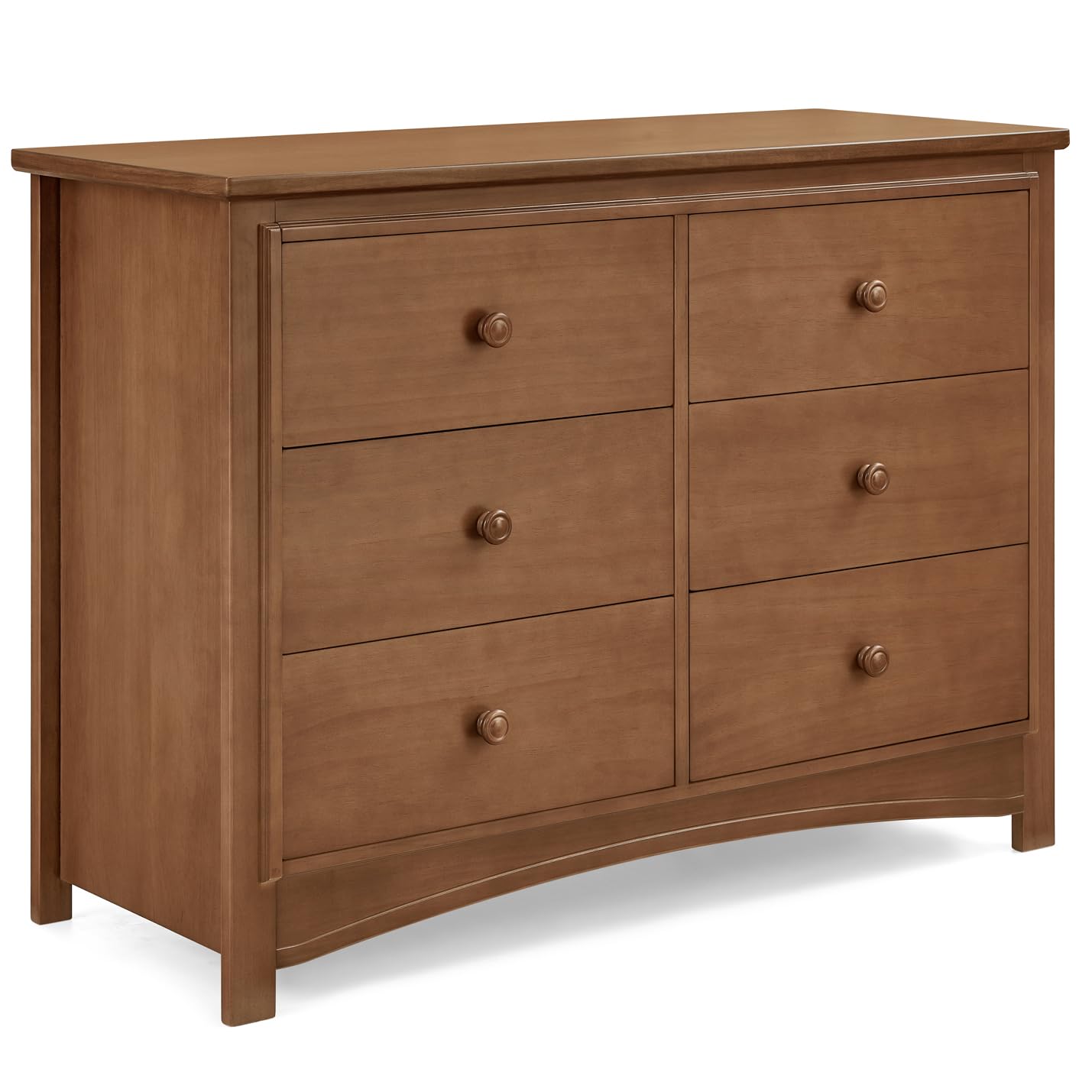

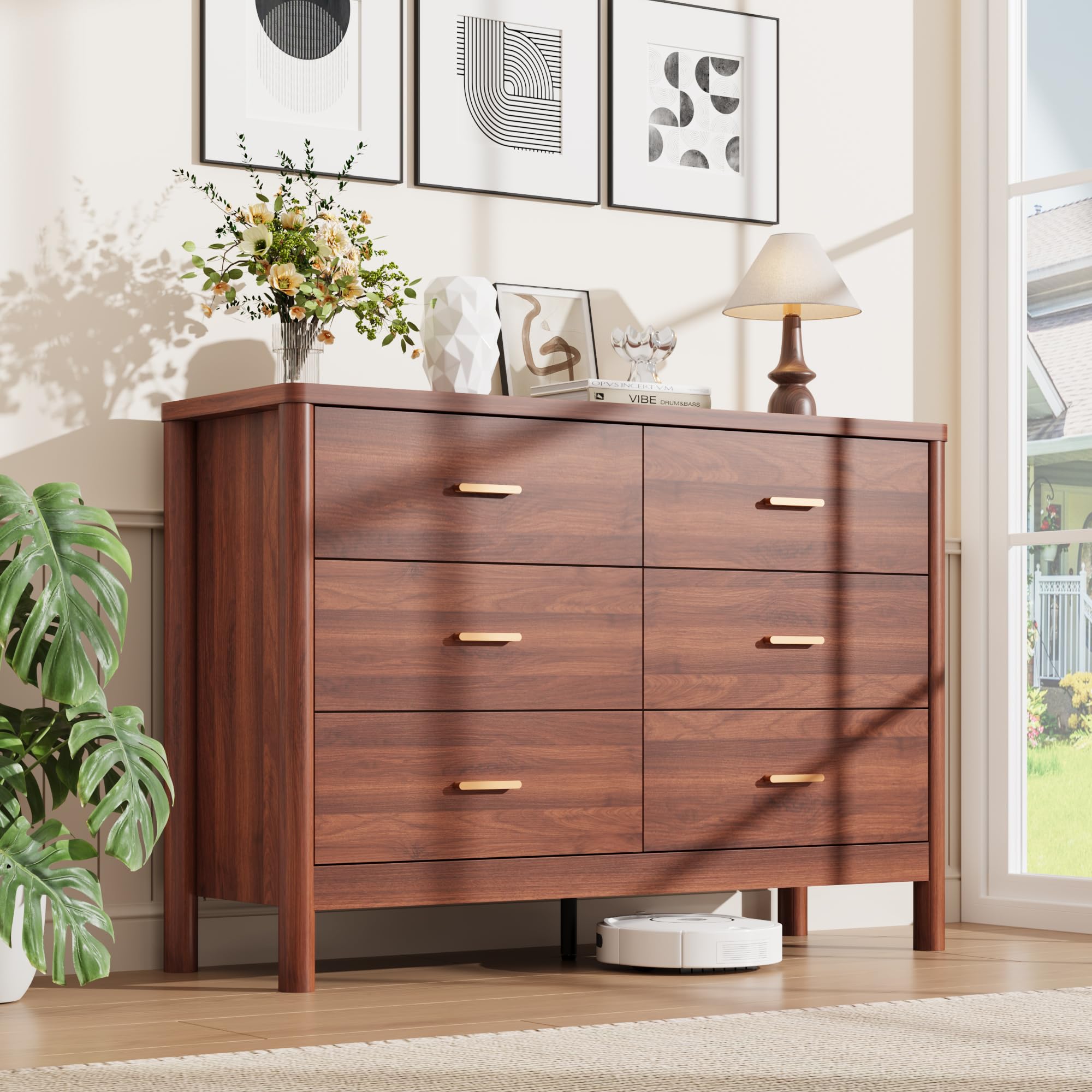
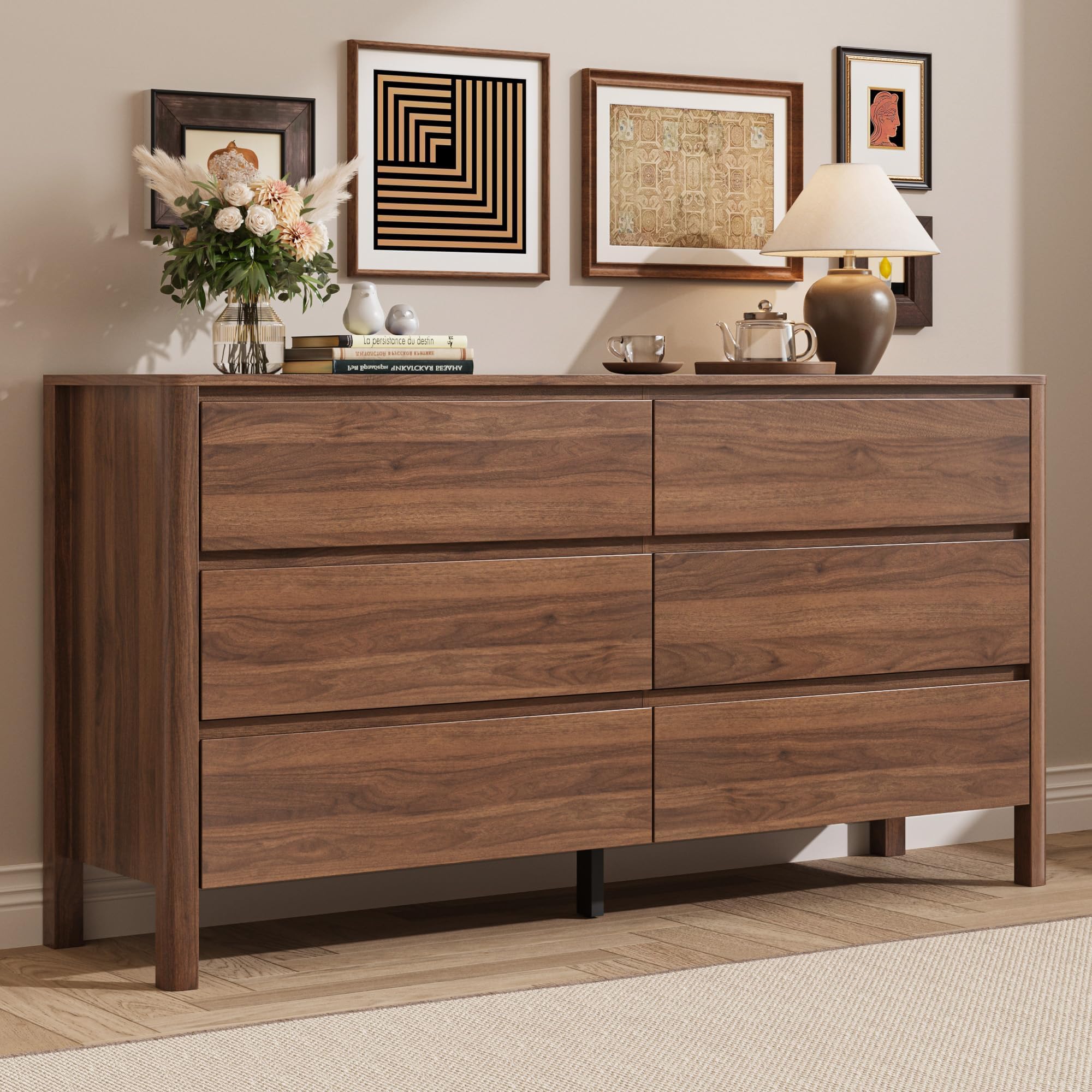
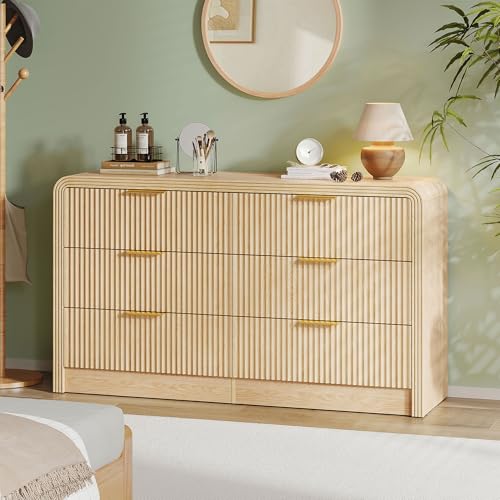

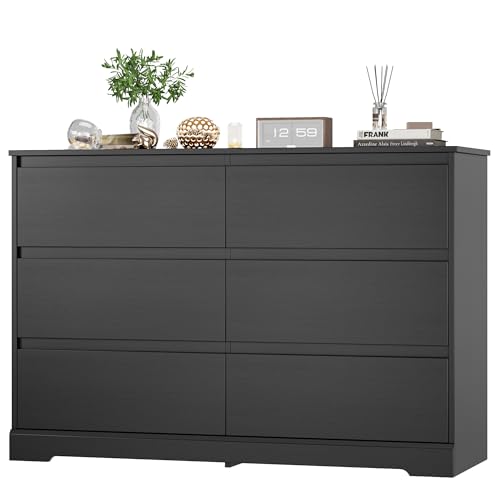


Three 6 Drawer Layouts Worth Comparing
There is no single best 6 drawer dresser for every home, because the layout changes what the drawers hold well. Most models fall into three layouts, and each one suits a different room and wardrobe. Compare the shapes below before you look at finishes or handles.
Wide Double Layout
The wide double layout places three drawers in each of two columns, and it is the classic bedroom shape. These dressers usually run about 48 to 60 inches wide and 28 to 36 inches tall, so the top doubles as a surface for a lamp, a tray, or a television. The drawers are broad and moderately deep, which suits folded tops, pants, and sweaters. Choose this layout when wall width is plentiful and floor space in front allows every drawer to open fully.
Tall Stacked Layout
The tall layout stacks all six drawers in one column and trades width for height. Most versions stand about 50 to 58 inches tall and 30 to 40 inches wide, which helps in narrow bedrooms and shared kids rooms. The drawers run smaller, so they favor shirts, underwear, and accessories over bulky knitwear. Because a tall frame can feel less steady, this layout makes the wall anchor kit a priority rather than an option, especially around children.
Mixed Layout With Small Top Drawers
The mixed layout pairs two or four small drawers on top with larger drawers below. The small drawers keep jewelry, belts, and chargers sorted, while the deep lower drawers handle jeans and bedding. This shape suits you if loose items now vanish inside one big drawer and waste your mornings. Check that the small drawers still glide smoothly, since makers sometimes spend the glide budget on the large drawers and fit basic rollers up top.
How to Evaluate a 6 Drawer Dresser
Judge every candidate on the same five points so listings with pretty photos do not win by default. First, look at glide action and how far each drawer opens. Second, weigh build quality and materials, including the drawer box itself. Third, confirm size and weight capacity against your clothes and your room. Fourth, read the assembly steps and the parts list before you order. Fifth, check the warranty length and what it covers, since drawer glides and hardware tell you how a maker expects the piece to age.
How to Choose the Right Dresser
The sections below walk through each buying factor in the order that narrows your list fastest. Start with size, because a dresser that cannot fit through your door or along your wall fails no matter how well it is built.
Size and Form Factor
Measure your wall run, then add the depth of the dresser plus about 24 inches so drawers can open while you stand in front. Standard depths run about 16 to 20 inches. A wide double shape fills a long wall and supports a mirror, while a tall shape preserves floor area in a tight room. A narrow or lowboy variant can slide under a window. If two people share the piece, a wide layout with clear left and right columns prevents daily friction over space.
Style and Type Options
Style affects more than looks, because construction often follows the style. Wood models in modern or mid century lines tend to use flat panels and simple glides, while farmhouse designs add thicker tops and visible grain. White and black finishes show dust and scratches differently, so match the finish to your cleaning habits. Fabric drawer models weigh far less and fold flat for moves, but they hold lighter loads. Rattan fronts add texture yet need gentler handling than plain panels.
Features Worth Paying For
A mirror adds value if you dress in front of the piece each morning, and it should attach to the frame rather than lean. Small lights inside or above drawers help in dim rooms, though they matter less than glide quality. Many shoppers set a television on top, so confirm the rated top load before you plan that setup. Removable drawer dividers earn their cost when you store mixed items. Skip decorative hardware upgrades that raise the price without adding storage or strength.
Room Fit and Weight Capacity
Weight capacity has two sides, the load each drawer carries and the load the top surface carries. Many mid range drawers hold about 25 to 50 pounds, which covers folded clothing with ease but not a drawer packed with books. Tops often support about 75 to 150 pounds when the load spreads evenly. Heavy users should look for a center support leg or a thicker top panel. Renters should also weigh total dresser weight, since a very heavy frame complicates every future move.
Drawer Layout and Adjustability
Adjustability on a dresser means how flexibly the storage adapts to you. Swappable drawer positions, removable organizers, and dividers that slide let one frame serve a changing wardrobe. Deep drawers near the bottom suit bulky items, while shallow drawers near the top suit small pieces you reach for daily. If you share the dresser, count how many drawers each person truly needs rather than assuming an even split. A layout that matches your habits beats one extra cubic foot you cannot organize.
Materials and Durability
Solid wood frames resist wear and can be refinished, and our guide to the best wood dresser explains the main species and grades in detail. Engineered wood with a quality veneer costs less and stays stable in dry rooms, but edges chip more easily. Look inside the drawers too, since thin bottoms sag under folded jeans. Dovetail or screwed drawer joints outlast simple staples, and metal glides with ball bearings feel smoother than plastic rollers after years of daily use.
Assembly and Warranty
Most dressers in this size arrive flat packed and take one to three hours for two people to build. Our step by step guide on how to assemble a dresser covers the order of work and the tools you need. Before you buy, scan the manual online for cam locks versus screws, and confirm that spare hardware is available. A warranty of at least one year on parts is a fair baseline, and longer coverage on glides signals maker confidence.
How Much Should You Spend?
Under $100, expect fabric drawers on a light metal frame, suited to closets and short term use. From about $100 to $250, you get basic engineered wood frames with simple roller glides. Between about $250 to $500, drawer boxes grow sturdier, glides improve, and finishes hold up better. From about $500 to $1000, solid wood and refined joinery enter the picture. Spend toward the tier that matches how long you plan to keep the piece, not the tier with the longest feature list.
Is a 6 Drawer Dresser the Right Size for You?
For one adult, six drawers usually cover a full wardrobe of folded clothes, with one drawer left for bedding or seasonal pieces. Couples can share a wide double model if both wardrobes lean casual, but heavy sweater collections may push you toward an added chest. Compared with a 5 drawer chest, this size adds sorting room without much extra floor space. Compared with 8 or 9 drawer models, it costs less and fits more walls. If most of your clothes hang, a smaller piece plus closet shelves may serve you better, and our guide to the best dresser for bedroom layouts can help you weigh that tradeoff.
How to Make Your Dresser Last Longer
Tighten the wall anchor after the first month, since new frames settle and straps can loosen. Keep drawers below their rated load and spread heavy items across the bottom drawers to lower strain on the frame. Wipe spills at once, because standing moisture swells engineered panels and lifts veneer. Our full routine for how to clean a dresser walks through safe products for each finish. Open drawers by the center of the handle so the glide rails wear evenly on both sides.
FAQ
What should you look for first in a 6 drawer dresser?
Start with drawer interior size, measured with your own folded clothes in mind. A drawer that fits your bulkiest sweater folded once will handle nearly everything else you own. Many listings give exterior size only, so subtract roughly two inches from width and depth to estimate the usable box. If a seller lists interior numbers, trust those over styled photos with tiny folded props.
What size 6 drawer dresser do I need for my room?
Match the frame to the wall first, then check the open drawer path. Measure the wall, the dresser depth, and the drawer extension together, and leave enough room to kneel or stand while sorting laundry. Door swing and closet clearance also matter in small rooms. A quick sketch with tape on the floor shows conflicts that raw numbers hide, and it takes only a few minutes.
How long does a 6 drawer dresser usually last?
A well built frame can serve for decades, and the glides usually wear out first. Many glide sets can be swapped with a screwdriver once you match the rail length and mount style, which extends the life of an otherwise sound dresser. Loose joints on engineered wood are harder to revive, so early tightening of screws matters more than any polish or surface treatment.
Is a 6 drawer dresser worth buying instead of a smaller chest?
It is worth it when your current storage forces double stacking, because buried layers wrinkle clothes and slow your routine. Count your folded categories, such as tops, bottoms, sleepwear, and workout gear. If you have five or more categories, six drawers map neatly onto them. If you have only two or three, a smaller chest plus shelf bins will cost less and take less wall space.
How do you clean a 6 drawer dresser without harming the finish?
Dust with a dry cloth first so grit does not scratch the surface as you wipe. Then use a cloth dampened with water and a drop of mild soap, and dry the panel right away. Test any new cleaner on the back edge before you use it on the top. Avoid soaking seams and drawer edges, since moisture that enters a joint can swell the panel from inside.
How can you judge whether a dresser brand is reliable?
Look past star ratings and check how the brand handles problems. Reliable makers publish clear manuals, sell spare glides and hardware, and state warranty terms in plain language. Search recent buyer comments for repeated notes about missing parts or slow support rather than single angry posts. A brand that answers questions on its own listings and keeps replacement parts in stock tends to support owners well after delivery.
Final Thoughts
Start with the layout that fits your wall, then compare glides, drawer boxes, and materials before you compare finishes. The product table above pulls the main layouts together so you can shortlist fast. When the size, capacity, and build line up with your wardrobe, the best 6 drawer dresser becomes an easy call, and it should serve you quietly for years.