Best 4E Running Shoes 2026 Buying Guide for Everyday Use
Disclosure: We may earn a commission when you buy through links on this page, at no extra cost to you. As an Amazon Associate I earn from qualifying purchases. Learn more

Compare best 4e running shoes by width, toe box room, cushioning, stability, and breathability, with fit and foot care guidance for wide feet and long runs.
Runners with wide feet know the problem: a shoe that is long enough but too narrow pinches the forefoot, numbs the toes, and spoils a run. The best 4e running shoes solve this with an extra wide last, which adds room across the ball of the foot while keeping the heel secure. This guide explains how 4E sizing works, which features matter, and how to confirm the fit before you commit.
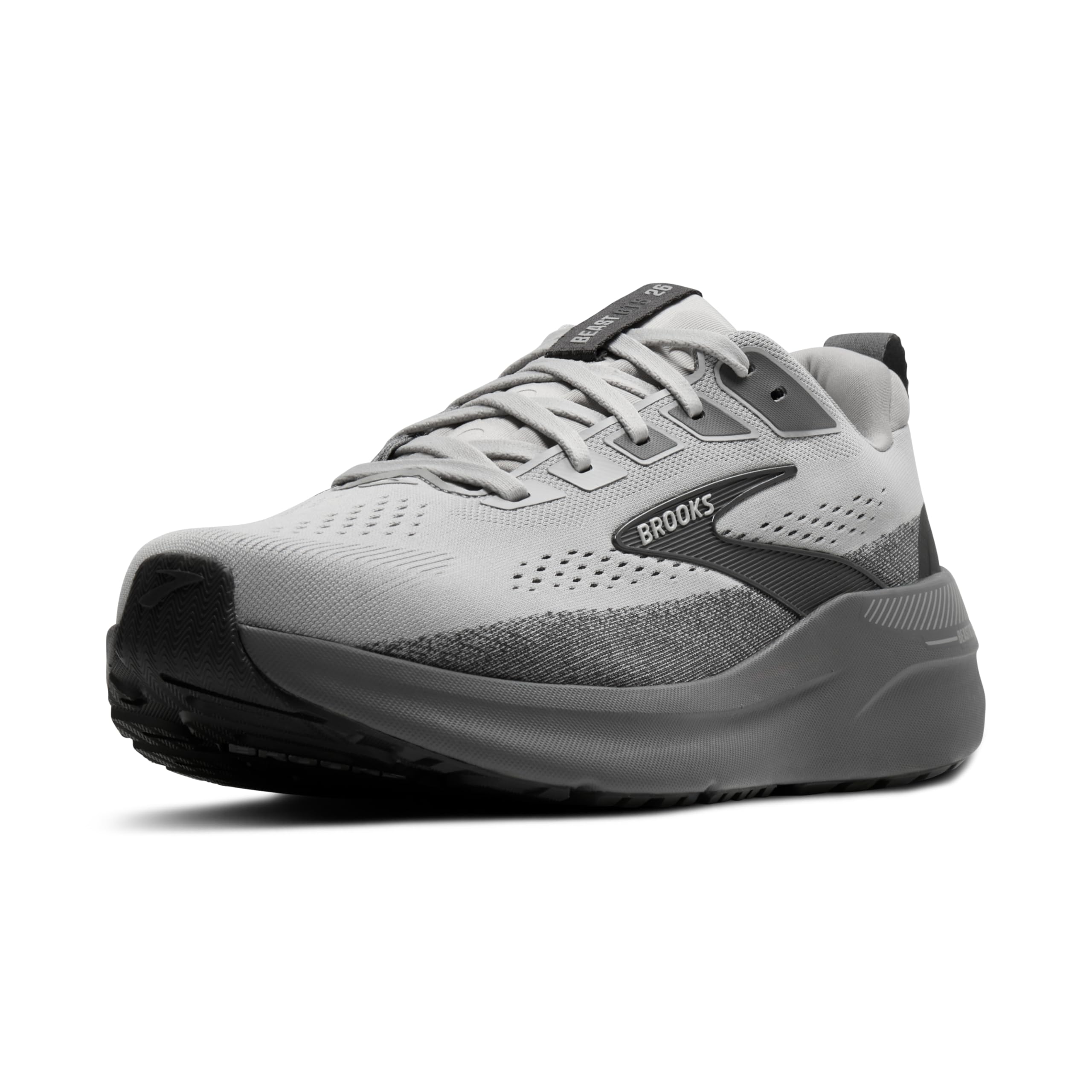
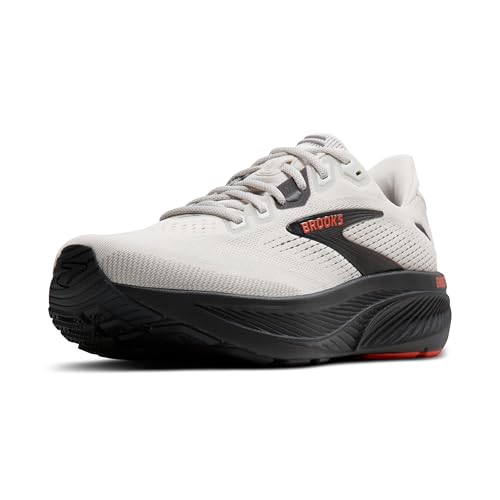
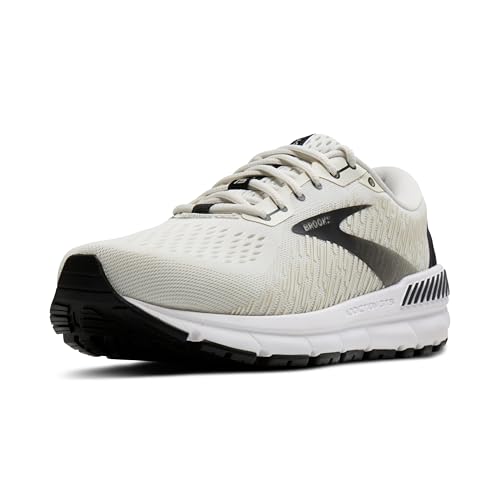
Use the product table to compare the models currently available in extra wide widths, then read the sections below to judge fit, cushioning, and stability for your own stride.
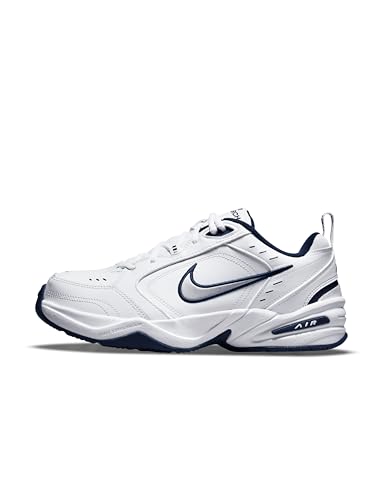

What 4E Means in Running Shoes
Shoe width is shown as a letter code. For men, D is standard, 2E is wide, and 4E is extra wide. For women, B is standard, D is wide, and 2E is extra wide. A 4E shoe is built on a wider last, so the whole forefoot and midfoot gain volume, not just the toe box. Some brands label the same width as extra wide or X wide, so read the size line on each listing.
Not every shoe is sold in 4E, and many models are available only in standard and wide. That is why careful shopping matters: the width, the model, and the size all have to match before an order makes sense.
Who Should Buy 4E Running Shoes
These shoes suit runners with very wide feet who need room across the forefoot without a loose heel. They also help runners whose feet swell on long runs, people who wear orthotic insoles, and walkers who spend hours on their feet. If standard wide models still leave pressure on the sides of the foot, extra wide is the next step.
Runners with narrow heels and wide forefeet should pay special attention to lacing and heel shape, because some extra wide shoes widen the heel along with the front. A secure heel counter and a lacing system that lets you tighten the midfoot separately both help.
Key Features to Compare
Start with the last and the toe box, because they decide whether the shoe is truly wide or only looks wide. Then compare cushioning, stability, and the upper material, which together shape comfort over longer distances.
- A true wide last, not just a stretched upper
- A roomy toe box for natural toe spread
- Cushioning that suits your mileage and weight
- Stability features that match your gait
- A breathable upper that holds its shape
- A removable insole if you use orthotics
Neutral shoes suit runners whose feet roll evenly, while support shoes add guide rails or a firmer medial post for runners whose arches collapse inward. If you are unsure which you need, a running store can watch you jog and recommend a type, and a clinician or podiatrist can advise if you have foot pain.
Size, Fit and Width
Try shoes late in the day when feet are slightly larger, and wear the socks you run in. Check width at the widest part of the foot, not only length. The heel should feel secure while the toes can spread, and there should be about a thumb width of space in front of the longest toe.
Avoid sizing up in length to gain width, because it leaves the heel slipping and the toes cramped in a different place. If a model is not available in 4E, look for another model that is, rather than forcing a standard shoe to fit.
Setup and Daily Use
Lace with even tension and walk indoors first to check for pressure points. Keep the first run short and note any hot spots early, so you can adjust lacing, change socks, or return the shoe within the return window. A runner's loop or heel lock lacing style can stop heel slip in a wide shoe without squeezing the forefoot.
If you notice sharp pain, swelling, numbness, or pain that changes how you walk, stop and talk with your clinician or podiatrist before continuing to run.
Care and Long Term Value
Rotate two pairs if you run often, air shoes after each run, and replace them when the cushioning feels flat or the upper stretches out of shape. Many runners replace shoes after a few hundred miles, but wear depends on weight, surface, and stride. Wash only as the maker directs and avoid direct heat for drying.
Extra wide models can cost a little more or sell out in popular sizes, so buy a second pair when you find a model that fits well. Keep the receipt and packaging until you are sure about the fit.
Common Mistakes to Avoid
The most common mistake is buying a standard width in a larger length and hoping it stretches. Another is ignoring gait, because a very soft shoe can feel unstable for some runners. A third is skipping the return policy check, which matters when width is hard to judge from a listing.
Also avoid assuming that wide means the same thing in every brand. Compare each maker's sizing guide, read buyer comments about width, and choose a seller with a clear return window.
Related Guides
If you are also comparing general options, the guide to best running shoes covers cushioning and fit across widths. Runners who like a court style sole can read about the best tennis shoes for running, and fans of one brand can compare the best nike running shoes.
Frequently Asked Questions
How is 4E different from a standard wide shoe?
A standard wide shoe is one step wider than regular, while 4E is two steps wider than wide. The extra wide last adds volume across the forefoot and midfoot, so it suits very wide or swollen feet. Many models are sold only in regular and wide, so extra wide choices are fewer.
Should I buy a half size up for width?
Usually not. A longer shoe adds length, not width, and can make the heel slip and the toes bump the front. Choose your correct length and select the right width instead. A half size up is sometimes useful for swelling on long runs, but only after the width is right.
How do I stop heel slip in a wide shoe?
Use the top eyelet for a heel lock lacing pattern, choose socks with a little thickness, and check that the heel counter hugs your heel. If the heel still lifts, the model may have a wide heel as well as a wide forefoot, and another model may fit better.
When should I replace running shoes?
Replace them when the midsole feels flat, the outsole is worn smooth, or you notice new aches after runs. Many runners change shoes every few hundred miles. Rotating two pairs helps the cushioning recover between runs.
Can wide shoes still feel fast?
Yes. Fit has a larger effect on comfort and pace than width itself. A shoe that lets your foot spread naturally feels smoother over distance, and many extra wide models use light foams and breathable uppers similar to standard versions.
Final Thoughts
Take your time, use the checklist in this guide, and choose the shoe that fits your foot, your mileage, and your budget. Confirm the width on each listing, read the return policy, and keep the first run short. With those steps, the best 4e running shoes become a confident choice rather than a guess. Keep this guide handy whenever you review the best 4e running shoes again.