Best 48mm Watches: A Buyer Checklist for 2026
Disclosure: We may earn a commission when you buy through links on this page, at no extra cost to you. As an Amazon Associate I earn from qualifying purchases. Learn more

Work through this buyer checklist for the best 48mm watches, covering fit, movement, water rating, crystal, straps, and care before you spend anything.
At 48mm, a watch stops being an accessory and becomes the first thing people notice about your outfit. That presence is exactly the appeal, but it also means mistakes are expensive and obvious. A case this wide can overhang a smaller wrist, catch on every cuff, and feel heavy enough to take off by lunch.
This guide gives you the checklist behind the best 48mm watches so you can judge any candidate in minutes. Measure your wrist, work through the criteria below, and cross check your shortlist in the comparison table below before money changes hands.
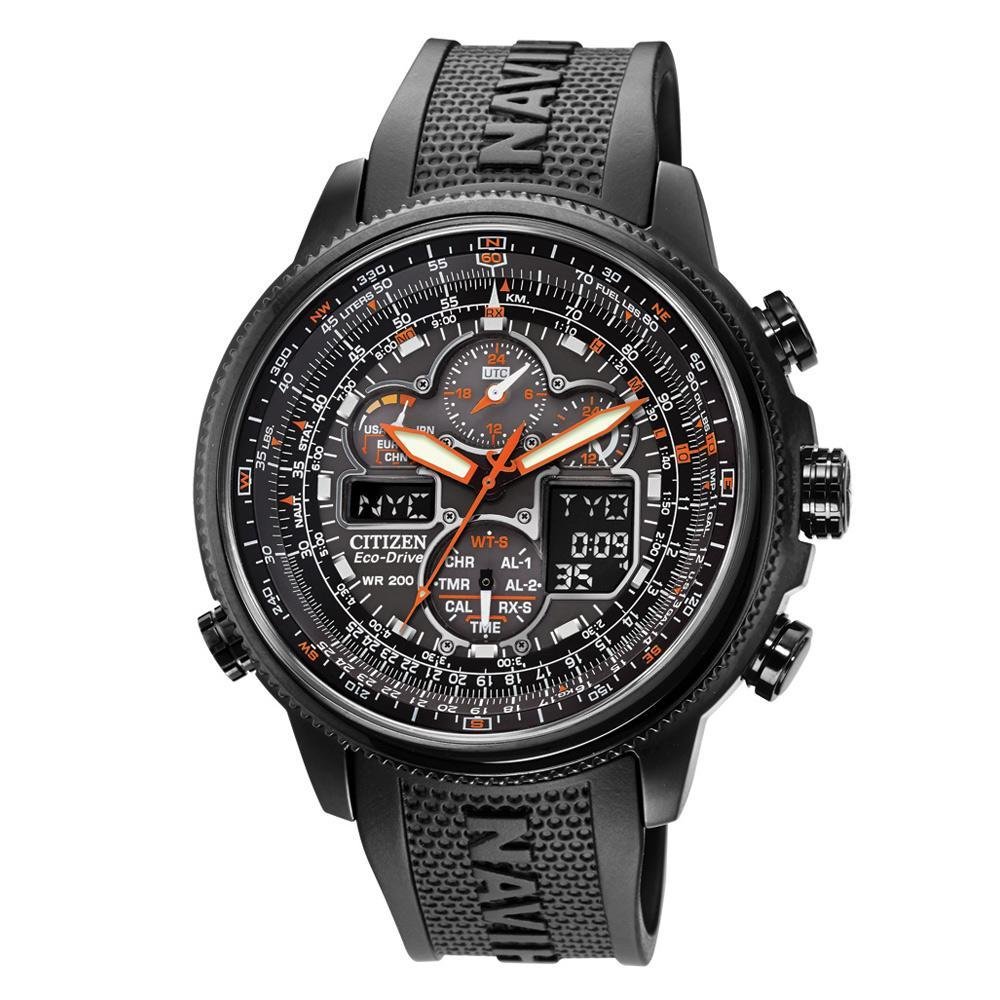
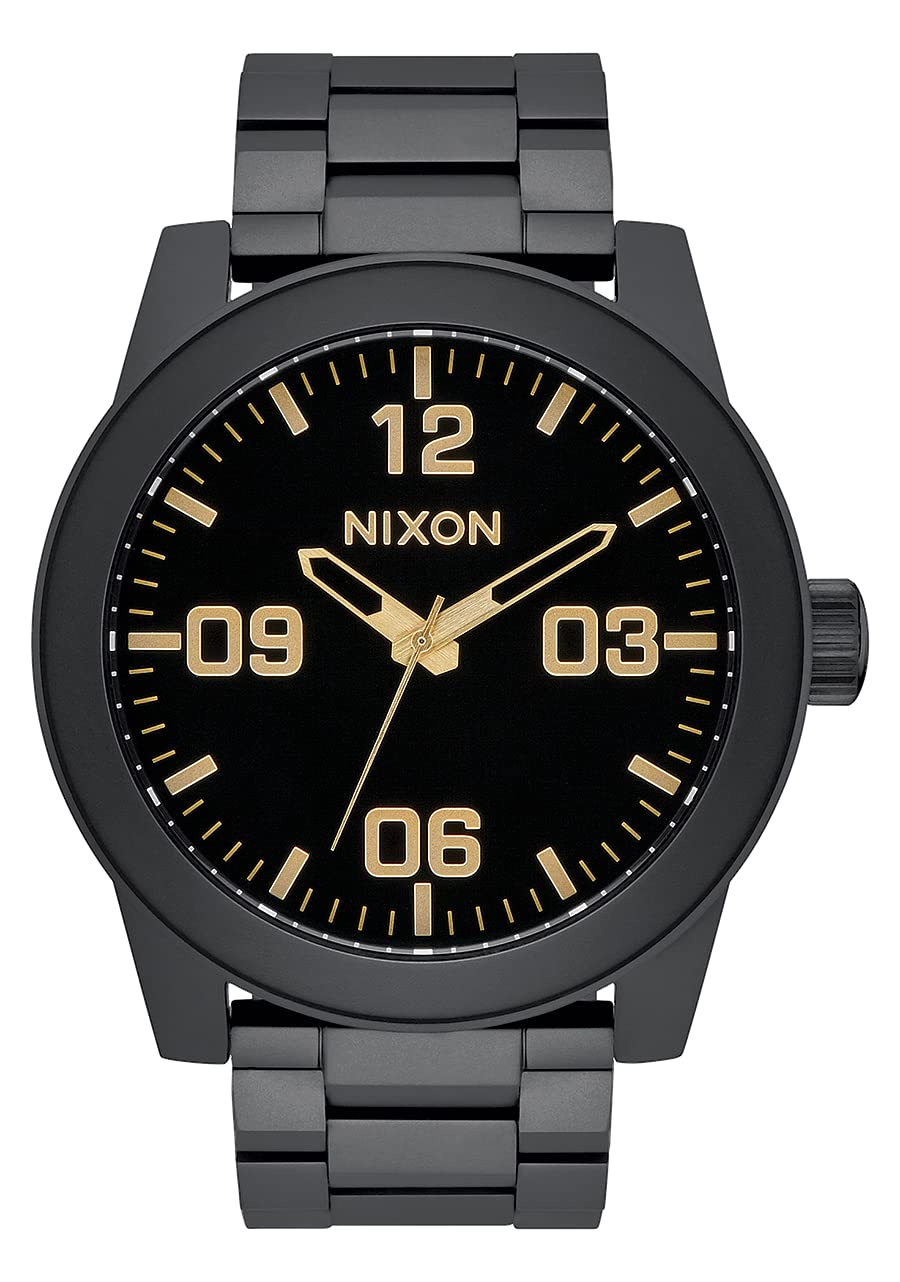

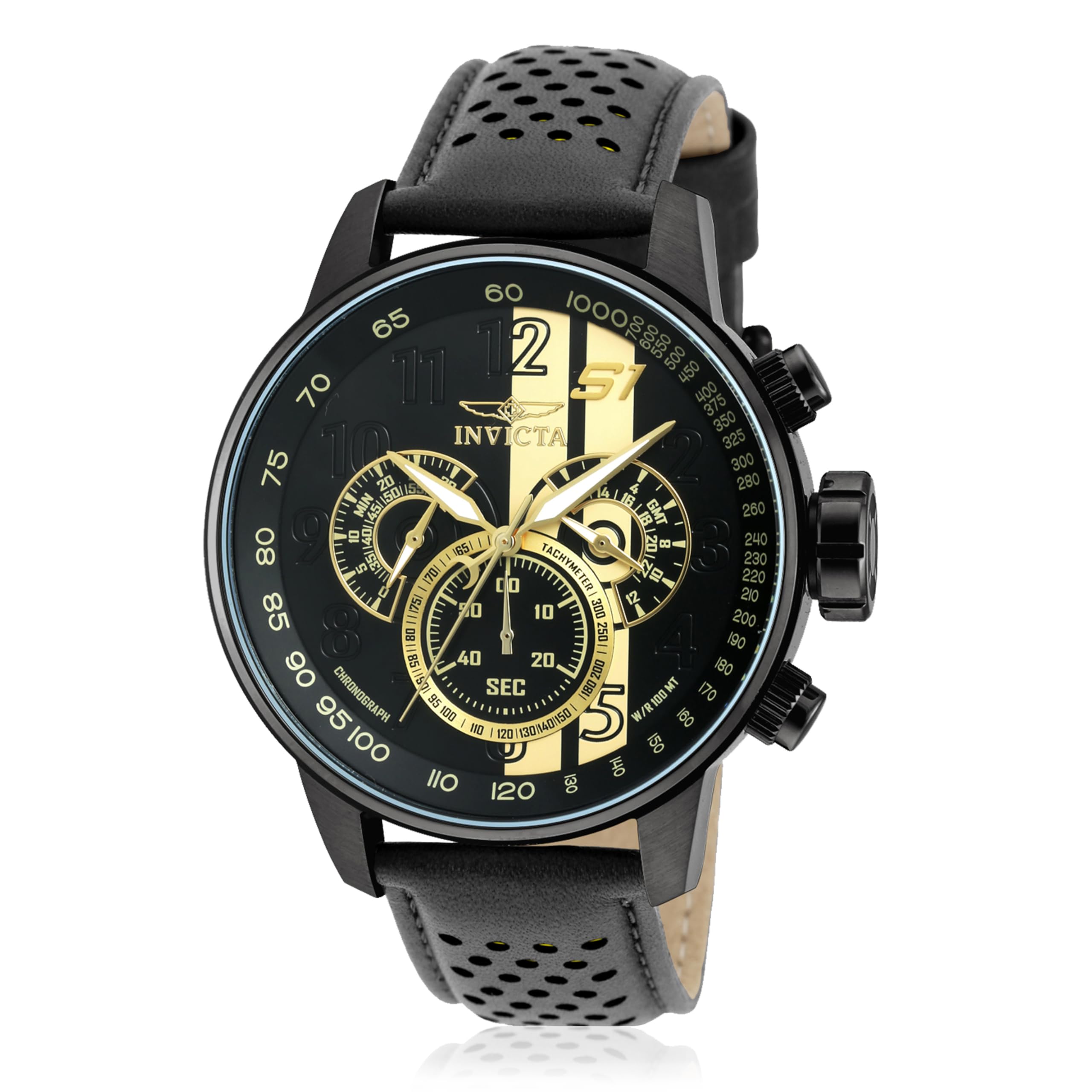
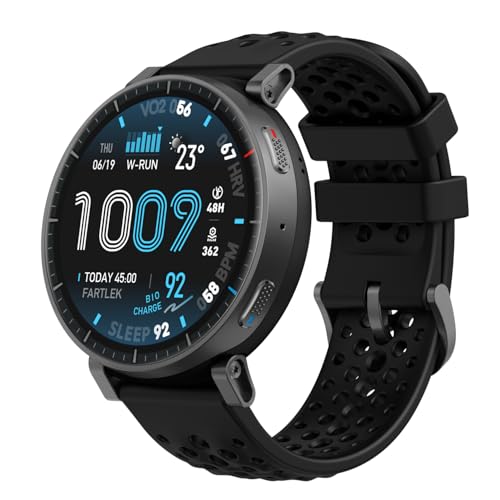

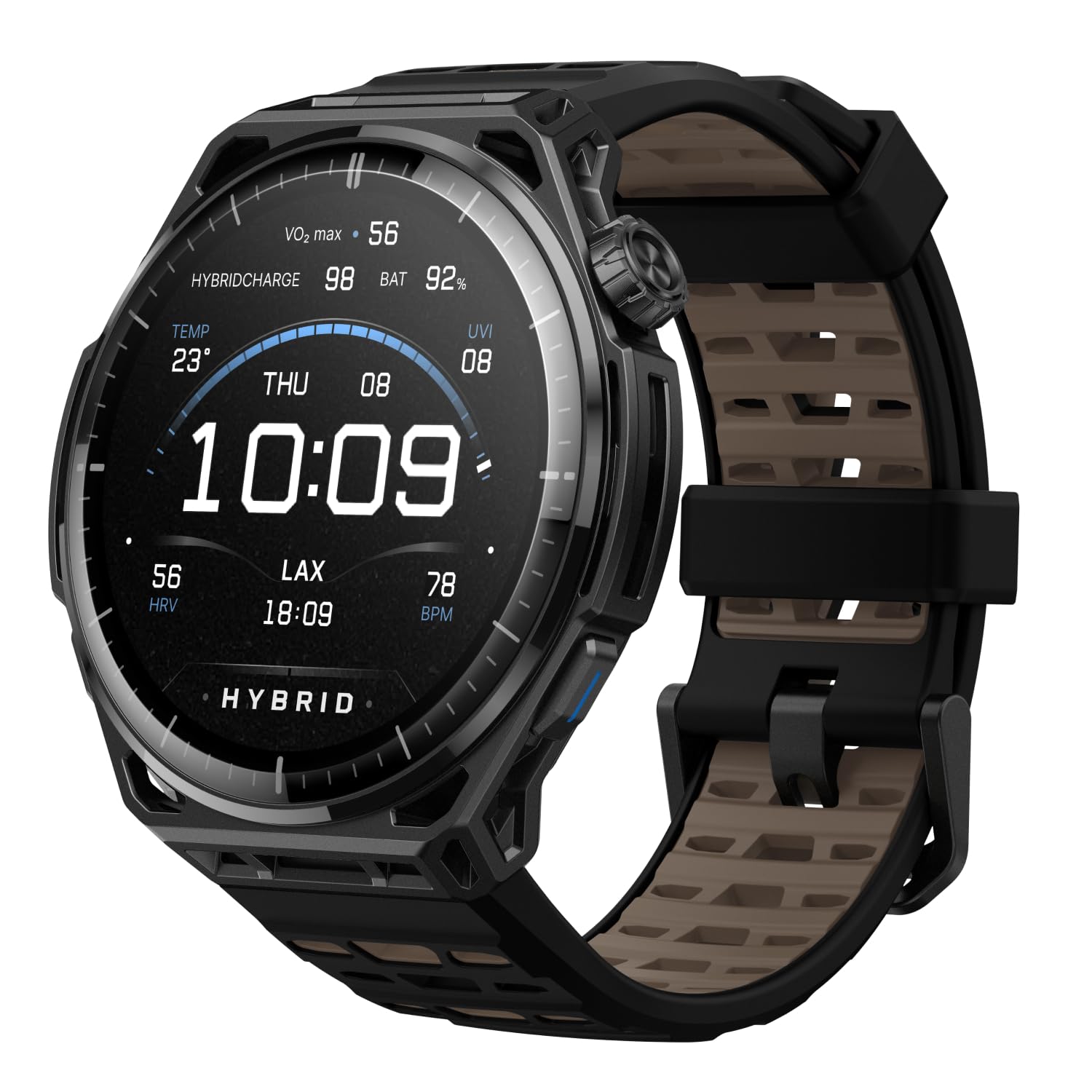

How to Evaluate 48mm Watches
Score each watch against these seven criteria. A single failure on fit or water rating outweighs high marks everywhere else, because you will feel those failures every single day you wear the watch.
Movement Type (Quartz, Automatic, Solar, Smart)
Quartz movements keep a large case slim, because they need no rotor space, and they hold accuracy within a few seconds a month. Automatic movements add thickness and weight at this size, which suits buyers who want heft and craft. Solar movements charge from light through the dial and suit outdoor wear. Smart movements pack GPS and sensors into the case, but their batteries and software age in years, not decades. Match the movement to your rotation habits first.
Water Resistance Rating
Read the meter figure, not the marketing words. A 30 meter rating means splashes only, 100 meters means swimming is fine, and 200 meters with a screw down crown means the watch can dive. Large cases have large crowns and pushers, which are easier to bump open or knock loose, so sealing hardware matters more here than on a small watch. If the listing avoids printing a number, treat the watch as splash proof at best and move on.
Case Size and Wrist Fit
Start with lug to lug length, the tip to tip distance that decides overhang. At 48mm across, many models measure 55mm or more lug to lug, which needs a wrist of about 7.5 inches or a very flat wrist shape to sit well. Thickness counts too, since cases above about 15mm feel top heavy. Try the paper test: cut a 48mm circle with lug tabs, tape it on, and wear it through a morning of typing and driving before you order.
Crystal and Case Materials
A big dial means a big crystal, and a big crystal catches more knocks against door frames and seat belts. Sapphire earns its premium here because one hard scrape can cross the whole face of a mineral crystal. For case material, titanium is the smart upgrade at this size, trimming weight by roughly a third compared with steel. Steel remains tougher against dents and cheaper to refinish. Avoid plated alloy cases entirely, since edges on a wide case wear through plating fast.
Smart and Fitness Features
A 48mm smart case fits the largest screens and batteries in the category, which means bright maps, readable training data, and multi day runtime on a single charge. GPS accuracy and heart rate tracking are good enough for training trends, pacing, and route records. They are not medical tools, so discuss any worrying heart or sleep readings with your doctor rather than trusting the watch. Pay for cellular connectivity only if you truly leave your phone behind on runs or rides.
Legibility and Style
The reward for a huge case should be instant legibility. Look for thick hands, bold markers, and lume that covers the hands and hour points generously, because a large dial with weak lume wastes its main advantage. Contrast matters more than decoration. A clean field or dive layout reads at arm length, while stacked subdials and busy bezels shrink the useful dial. Style wise, keep the rest of your outfit simple and let the watch be the loud piece.
Strap and Bracelet Options
At 48mm, strap quality decides comfort as much as case design does. A wide, well padded strap spreads the weight, while a thin strap lets the case slide and spin. Quick release bars make swapping between silicone for sport and leather for evenings painless. Check the included strap length against your wrist measurement, since larger wrists often need the extended version that some brands sell separately. Our guide to the best quality watches covers strap and clasp quality signals in more depth.
What Passes the Checklist
Use these three profiles to sort the product table above by job rather than by brand. Each profile names the features that must be present and the ones you can safely skip.
The All Rounder Profile
The all rounder combines sapphire crystal, a 100 meter rating, and a lug to lug length you have verified against your wrist. It should weigh under about 120 grams on a strap, so it stays wearable from morning to night. A quartz or solar movement keeps it ready to grab without winding or setting. Prices around $200 to $500 are typical for this balance of size, materials, and support. Anything that nails the specs but fails your paper fit test is not an all rounder for you.
The Value Profile
The value profile keeps the big readable dial and honest water rating, and saves money on case finishing and bracelet hardware. Expect mineral glass at the lowest prices or sapphire on sale, a quartz movement, and a silicone or fabric strap that you might upgrade later. Around $100 to $250 buys a lot of presence at this size if you shop the specification sheet instead of the story. Training focused buyers should also check our guide to the best workout watches before settling.
The Heavy Use Profile
The heavy use profile demands a 200 meter rating, a protected crown, and a case that treats scratches as decoration. Solar power suits this role because the watch refuels outdoors where it works. Straps should be silicone or rubber that rinse clean, and the crystal should be sapphire or shielded by a raised bezel. Expect around $250 to $600 for genuine toughness at this size. If a listing promises military grade durability with no test standard named, treat the claim as decoration too.
Quick Buyer Checklist
Answer these honestly before you order. Two or more no answers mean keep shopping.
- Does the lug to lug length sit inside the flat top of my wrist?
- Have I worn a paper cutout of this case size for at least a few hours?
- Is the water rating printed as a meter figure that matches my use?
- Is the crystal sapphire, or shielded well enough for my work and hobbies?
- Does the strap length, not just the case size, fit my wrist measurement?
- Is the total weight listed, and is it a weight I will enjoy all day?
- Can I get service and spare straps in the United States?
Red Flags to Watch For
Watch for listings that print case width without lug to lug length, because sellers know the second number scares off smaller wrists. Watch for water resistant claims with no meter rating, and for depth figures paired with a plain push pull crown. Be suspicious of reviews that praise the size without ever mentioning wrist size, since fit is the whole story at 48mm. Short warranties, unnamed movements, and crystal material described only as hardened glass round out the warning signs. For styling context on bold cases, our guide to the best watches for guys shows what works at this scale.
Setup and Care Tips
Set the date on an automatic or quartz watch only when the hands sit away from the late evening hours, because the date mechanism engages at night and forcing it can damage gears. Service an automatic every five to seven years. Rinse the case and strap in fresh water after saltwater exposure, dry it fully before storage, and keep the watch away from magnets such as bag clasps and tablet covers, which quietly ruin accuracy.
Frequently Asked Questions
How water resistant should a 48mm watch be?
Choose 100 meters for swimming and 200 meters for diving or daily ocean wear. One point specific to large cases: big crowns catch on wetsuit sleeves and gear straps, so a screw down crown with guards is more than a style detail at this size. Whatever you buy, have the gaskets checked every two years if the watch swims often. A failed seal floods a movement, and that repair usually costs more than the watch class above yours.
How long does a watch battery last?
A standard quartz battery lasts about two to three years, and large watches with alarms, lights, or GPS drain theirs faster. A useful trick for storage: if you will not wear a quartz watch for months, a watchmaker can advise on safe storage, but never pull the crown out and forget the watch for a year, since dust and moisture creep in past an open crown. Replace a dying cell promptly, because leakage is the quiet killer of affordable movements.
Quartz or automatic: which is better for a 48mm watch?
Quartz is better if you want the bold size without the bulk, because automatic rotors add height and weight that a 48mm case amplifies. Automatic is better if the mechanical sweep and craft are the reason you are buying, and you will wear the watch most days to keep it running. Consider your cuff clearance too. A thick automatic at this diameter turns dress shirts into a daily negotiation, while a slim quartz slides under almost anything.
What case size fits my wrist?
A 48mm case fits wrists of about 7.5 inches and up for most people, though flat wrists carry width better than round ones of the same measurement. If you fall below that range and love the look, choose short curved lugs and wear the watch slightly higher on the wrist, above the wrist bone. Also check where the crown lands, because an oversized crown on a large case can dig into the back of your hand when your wrist bends.
Is a smartwatch worth it over a classic watch?
A smartwatch earns its place at 48mm if you train with GPS, follow maps on your wrist, or want the biggest and brightest screen for notifications. A classic watch earns its place if you want zero charging and a style that outlasts software cycles. Many large watch fans own one of each and rotate by activity. Our guide to the best manly watches covers the classic side of that rotation well.
Our Verdict
Measure first, then judge seals and crystal, then let style have the final word. A 48mm watch that fits your wrist and survives your routine will draw compliments for years, while a poor fit draws only comments about size. Go back to the comparison table above, filter by the checklist, and choose the best 48mm watches that pass on your wrist, not just on the screen. Keep this guide handy whenever you review the best 48mm watches again.