Best 44mm Watches: What Actually Matters Before You Buy in 2026
Disclosure: We may earn a commission when you buy through links on this page, at no extra cost to you. As an Amazon Associate I earn from qualifying purchases. Learn more

Run through this checklist for best 44mm watches before you buy, covering movement, crystal, fit, water resistance, straps, and legibility daily.
A 44mm case makes a strong statement on the wrist. It reads clearly, feels substantial, and suits sport, field, and bold dress styles, but it can also overwhelm a smaller wrist or slide around if the shape is wrong. Diameter alone tells you very little, because thickness, lug shape, and dial layout change how large a watch truly wears.
This checklist helps you judge best 44mm watches by fit, movement, and build rather than by photos alone. You will learn the numbers that matter, the claims to question, and the price tiers that make sense. The comparison table below lists the current options, so work through the criteria first and then compare with a clear sense of your own wrist and routine.
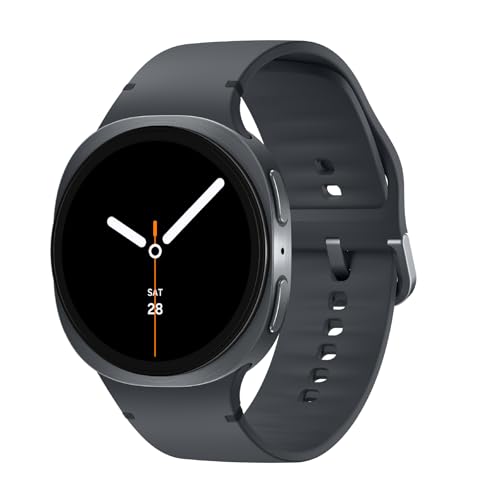

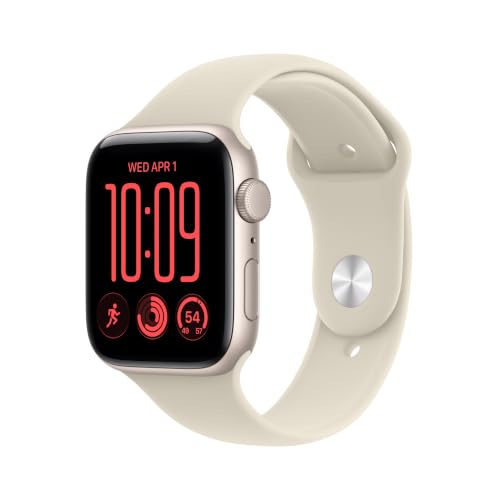
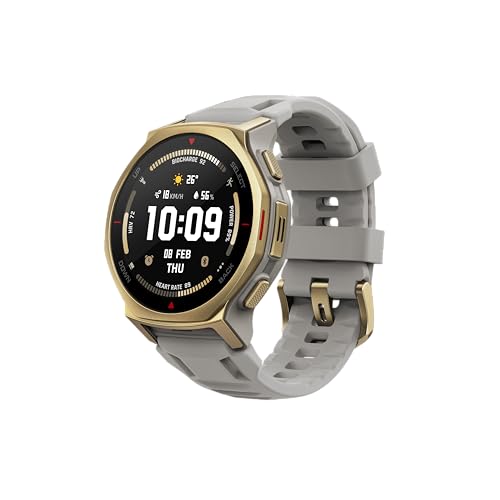


How We Evaluate 44mm Watches
Score each candidate against the seven points below. A watch that fits your wrist, matches your daily exposure to water and knocks, and needs only the upkeep you are willing to do will satisfy you far longer than one bought for a single striking photo.
Movement Type (Quartz, Automatic, Solar, Smart)
Quartz movements are accurate, affordable, and nearly care free apart from a battery change every two to three years. Automatic movements wind from your motion and appeal to people who enjoy mechanical craft, but they need regular wear and a service every five to seven years, and they drift by seconds per day. Solar models charge from light and remove most battery worries. Smart models add notifications and sensors at the cost of daily or weekly charging. Choose based on your tolerance for upkeep, not on prestige, because the best movement is the one that still suits your routine a year from now.
Crystal and Case Materials
Sapphire crystal resists scratches far better than mineral glass, and at this size the dial is exposed, so the upgrade is worth weighing if you work with your hands. Mineral glass costs less and can still serve well on a careful wrist. For the case, 316L stainless steel is the proven standard for corrosion resistance and weight. Titanium feels much lighter and suits sensitive skin, while coated cases can show wear at the edges over time. Check whether the case back is solid or display style, and confirm the crown screws down on any watch you plan to swim with.
Smart and Fitness Features
On a 44mm smart model, the large screen makes maps, messages, and workout data easy to read at a glance. GPS tracks runs without your phone, and heart rate and sleep data can help you spot patterns in training and rest. Treat those readings as general wellness information, not medical measurement, and talk with your clinician about any health concern. Battery life is the main trade off, since feature rich models may need charging every one to two days, while simpler trackers last a week or more. Confirm phone compatibility before you buy, because some features lock to one phone system.
Strap and Bracelet Options
The strap decides daily comfort as much as the case does. A steel bracelet adds weight and a formal edge, leather suits office wear but dislikes water, silicone handles sweat and swimming best, and a fabric NATO style strap is cheap to swap and very secure. Quick release spring bars let you change straps in seconds without tools, which effectively gives you several looks from one watch. Check the lug width, commonly 22 mm at this case size, so replacement straps are easy to find. Also check the buckle or clasp quality, since a weak clasp is a daily annoyance.
Case Size and Wrist Fit
Fit is more than the 44 mm number. Measure the lug to lug length, since that span decides whether the watch overhangs your wrist. As a plain guide, the lugs should sit within the flat top of your wrist, not past its edges. Thickness matters too, because a case over about 13 mm can catch on cuffs and feel top heavy. If your wrist measures under about 6.5 inches around, try this size on in person if you can, or order from a seller with easy returns. Weight, balance, and curved lugs often make a large watch wear smaller than you expect.
Legibility and Style
A large dial should be easy to read, so look for strong contrast between hands and dial, clear markers, and lume that glows after light exposure for night reading. Busy chronograph layouts can look impressive yet slow you down when you just need the time. Match the style to your week, because a rugged field design may clash with formal wear while a clean dial crosses settings easily. Consider the color of the dial under real light, since dark blue and green faces can look nearly black indoors. Legibility is a daily function, not a decoration.
Water Resistance Rating
Ratings mislead many buyers, so learn the real meanings. A 30 m rating resists splashes only and should stay away from showers and swimming. At 100 m, you can swim and shower with confidence on most models. At 200 m, the watch is built for serious water use, usually with a screw down crown. Remember that seals age, so a watch used in water often should have its gaskets checked every few years. Never operate the crown or pushers underwater unless the maker states clearly that you can.
Three Price Tiers That Pass Our Checklist
Use tiers to set expectations instead of hunting a single name. Compare these ranges with the product table above, and spend first on fit, crystal, and water resistance, since those shape daily use most.
Best Overall Tier
The overall tier, often about $250 to $500, usually delivers sapphire crystal, a solid steel case, a reliable Japanese or Swiss quartz or automatic movement, and 100 m water resistance. Strap quality rises here too, with solid links on bracelets and better clasps. This tier suits a buyer who wants one watch for work, weekends, and travel without babying it. The limit is usually finishing detail and brand heritage rather than function. If you plan to keep the watch for many years, this is the tier where service support and spare parts are easiest to find.
Best Value Tier
The value tier, often under $250 and sometimes under $100, can still pass the core checklist. Expect mineral glass on many models, quartz accuracy, and 50 m to 100 m ratings on sport designs. You give up sapphire, refined finishing, and sometimes bracelet quality, but the timekeeping itself is dependable. This tier suits a first large watch, a beater for rough work, or a gift where you are unsure of taste. Read the warranty terms closely here, and favor sellers with simple returns in case the size wears larger than expected on the wrist.
Best Compact Feeling Tier
Some 44mm watches wear smaller than others, and this tier, often about $200 to $450, is about smart shaping rather than raw specs. Look for short curved lugs, a lug to lug span under about 50 mm, slim case walls, and a dial that uses the space without crowding. Titanium models also feel compact because the lower weight keeps the watch centered. This tier suits smaller wrists that still want a bold dial, or anyone who wears fitted cuffs. The trade off can be a smaller battery or crown, so check handling with gloves if that matters to you.
Quick Buyer Checklist
- Does the lug to lug span sit inside the width of your wrist without overhang?
- Is the crystal sapphire if the watch will face daily knocks and desk contact?
- Does the water resistance rating match your real swimming and shower habits?
- Is the movement upkeep, from battery changes to automatic servicing, acceptable to you?
- Can you swap the strap easily, and is the lug width a common size?
- Can you read the dial at a glance in bright light and in the dark?
- Does the case thickness slide under your usual shirt or jacket cuffs?
- Is the warranty at least two years, with a clear service route?
For a broader view of build quality across sizes, see our guide to the best quality watches, which explains finishing and materials in more depth.
Red Flags to Watch For
- Water resistance described with swimming photos but a rating of only 30 m in the fine print.
- No stated crystal material, which usually means basic glass the seller prefers not to name.
- Inflated list prices with permanent huge discounts and no clear warranty provider.
- Case size listed without lug to lug or thickness figures, hiding how the watch really wears.
- Smart features promised without stating phone compatibility or realistic battery life.
If training is your main use, our guide to the best workout watches focuses on sensors and sweat ready straps. For style led shortlists aimed at men, the guide to the best watches for guys covers looks and occasions in more detail.
Tips to Get the Most From Your 44mm Watch
Service an automatic watch every five to seven years, or sooner if timekeeping drifts badly or water resistance is in doubt. Rinse any watch with fresh water after saltwater exposure, and dry the strap fully before storage. Store mechanical and smart models away from strong magnets, which can affect accuracy and sensors. Rotate leather straps out of summer sweat when you can, and keep a spare fabric or silicone strap for sport. Small habits like these protect both the movement and the finish for years.
FAQs About 44mm Watches
What case size fits my wrist?
Start with wrist size and lug to lug span, not diameter alone. A 44mm case usually suits wrists of about 6.75 inches and up, but short lugs can make it work on smaller wrists, while long flat lugs can overwhelm a larger one. Measure the flat top of your wrist, compare it with the lug span, and try the watch on when possible.
Quartz or automatic: which is better?
Quartz is better for accuracy, low cost, and minimal upkeep, since it runs for years on a battery and stays within seconds per month. Automatic is better if you value mechanical craft, a sweeping seconds hand, and no battery changes, and you accept servicing costs and looser accuracy. Neither is wrong, and many owners keep one of each for different days.
Is a smartwatch worth it over a classic watch?
A smartwatch earns its place if you will actually use notifications, GPS training logs, or contactless payment each day. A classic watch wins on battery life measured in years, long term serviceability, and style that does not date as software ages. If you want bold looks with light tracking, a hybrid design can split the difference, but check which phone system it supports first.
How long does a watch battery last?
Most quartz watch batteries last about two to three years, though power hungry features like constant backlight use can shorten that. Solar models stretch intervals greatly because light keeps the cell charged. Smartwatches are different, since their rechargeable cells need charging every day or two and lose capacity slowly over years. When a quartz watch ticks in two second jumps, that is often a low battery warning.
How water resistant should a watch be?
For daily wear with hand washing and rain, 50 m gives comfortable margin. Choose 100 m if you swim regularly, and 200 m with a screw down crown for diving or heavy water sport. Whatever the rating, have the seals checked after a battery change on watches you trust in water, because a poorly seated case back can undo a strong rating in one swim.
The Bottom Line
Fit, crystal, and water resistance decide whether a large watch becomes a daily favorite or a drawer piece. Match the movement to the upkeep you accept, then compare straps and style. Our guides to the best manly watches and the best male watches offer more style angles if you want them. Judge best 44mm watches by how they wear on your wrist, not by diameter alone, and revisit the product table above to pick the one that passes your checklist.