Best 43mm Watches: Budget, Midrange, and Premium Picks for 2026
Disclosure: We may earn a commission when you buy through links on this page, at no extra cost to you. As an Amazon Associate I earn from qualifying purchases. Learn more

Use this buying guide to the best 43mm watches to compare price tiers, movements, crystals, straps, and water ratings before you choose one for your wrist.
A 43mm case sits in a sweet spot. It reads clearly, it carries a bold look on most wrists, and it still slides under a shirt cuff if the case stays slim. Prices, though, run from under $100 to well above $1,000, and the listings rarely explain where the extra money actually goes.
This guide walks you through the best 43mm watches by budget, so you can see what each tier delivers and what it leaves out. Use the comparison table below to check case size, movement, and water ratings side by side, then read on for the details that listings tend to bury.
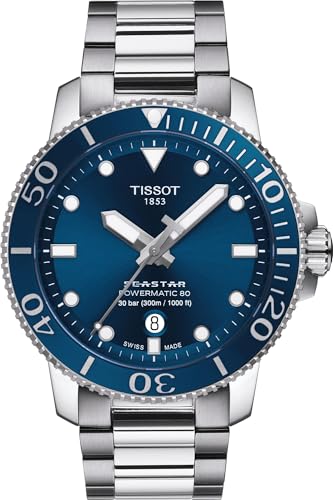


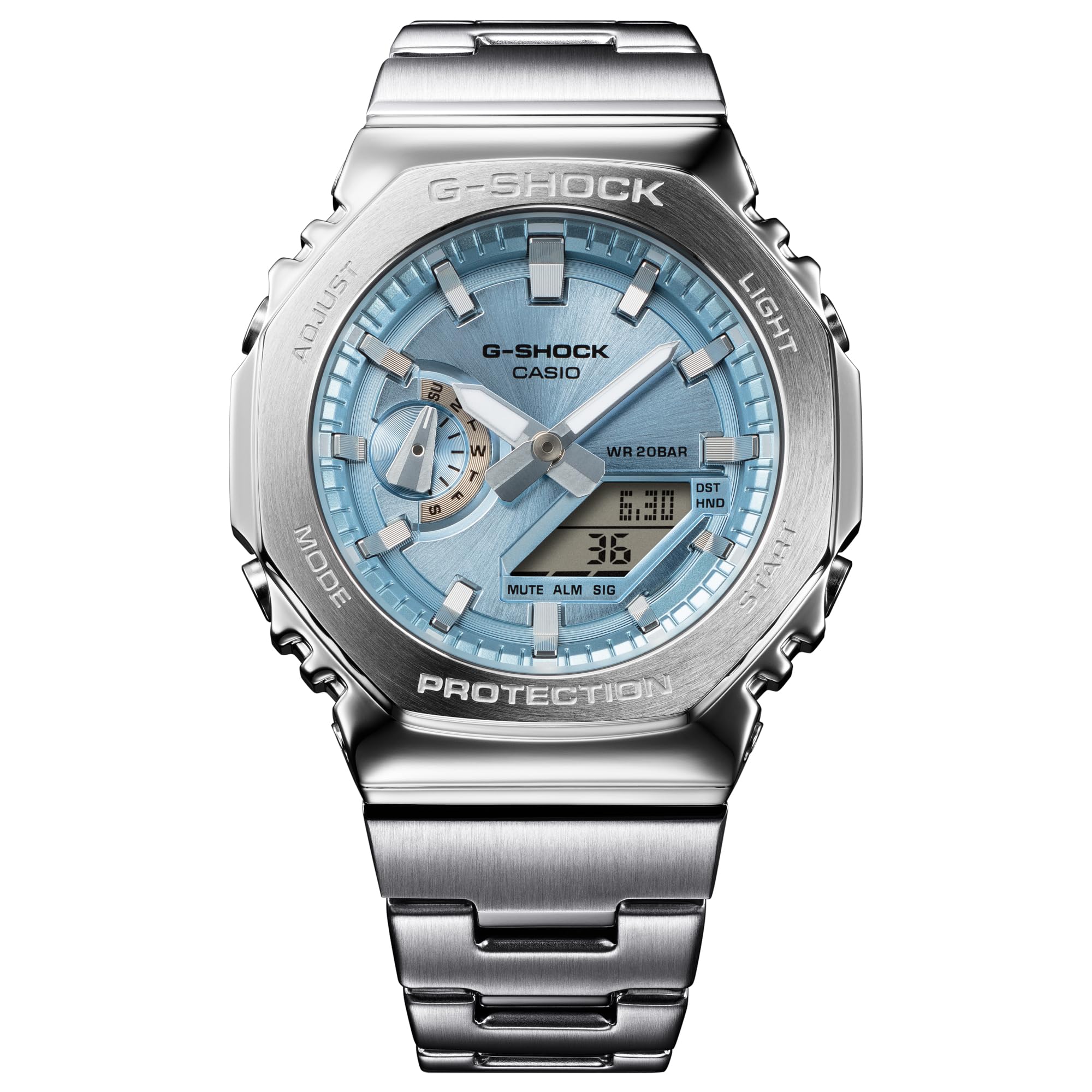
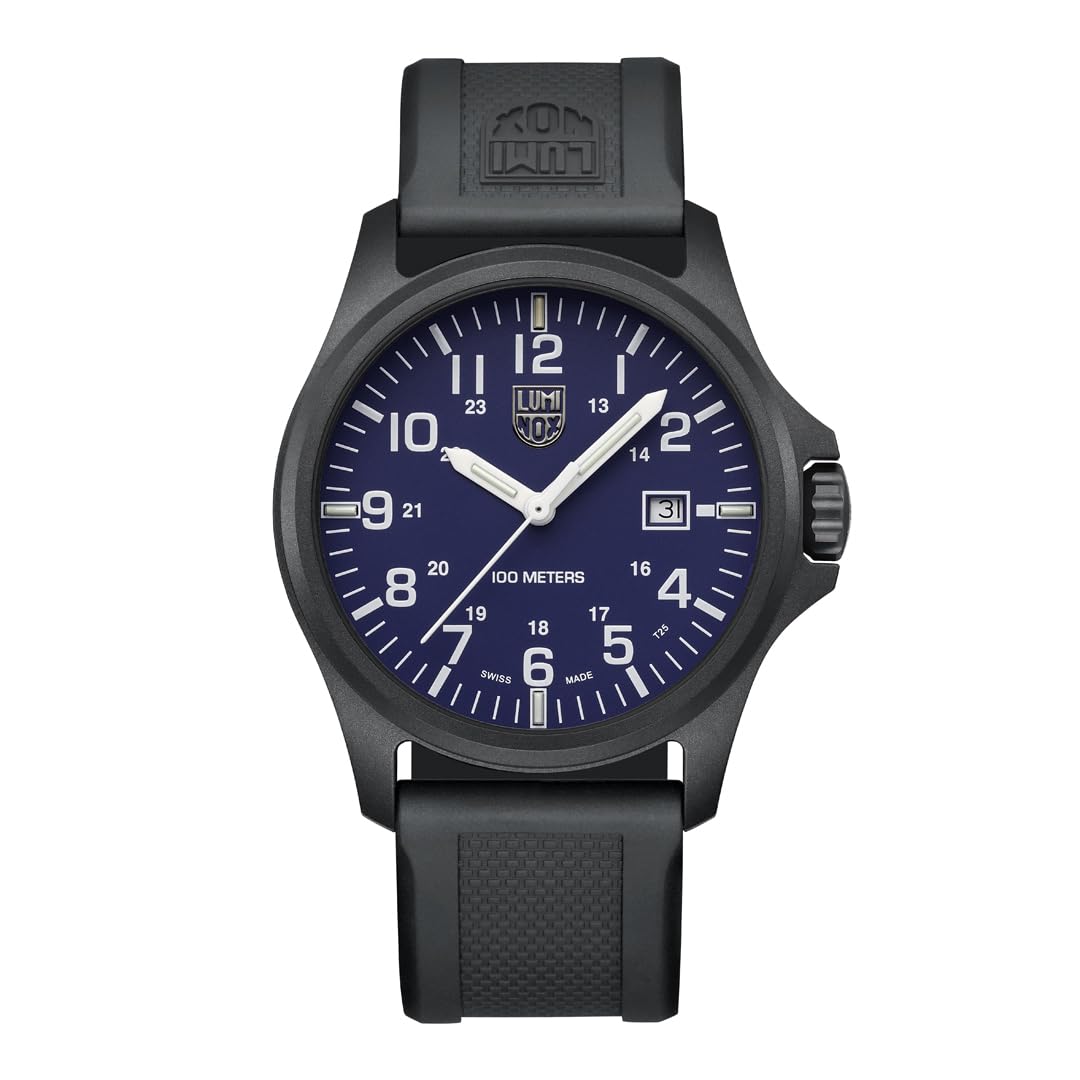
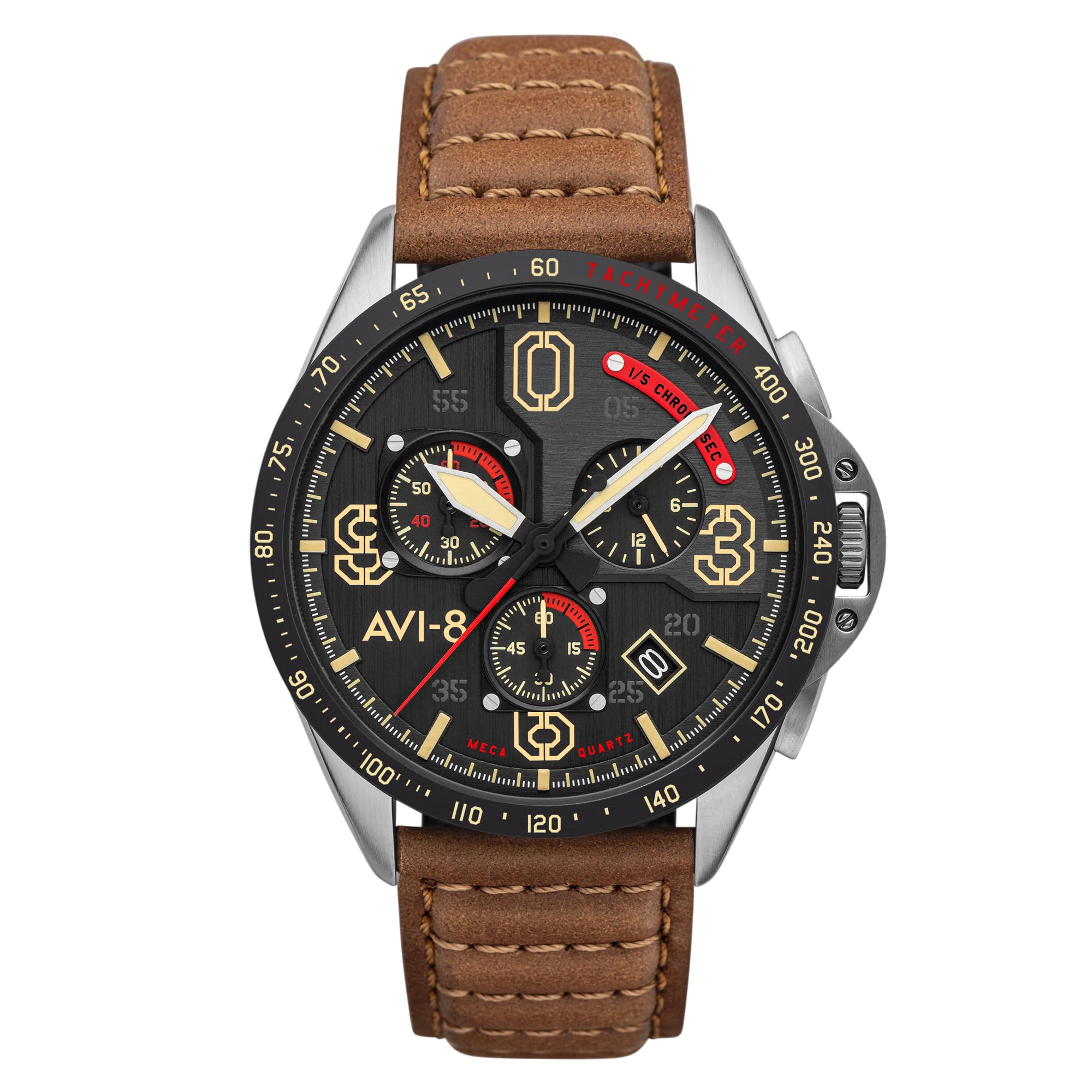

Choosing by Budget Instead of by Name
Rather than chasing a single famous model, sort your shortlist by tier first. The tier tells you what crystal, movement, and finishing you can fairly expect, and it stops you from paying premium money for budget parts.
Budget Choice Criteria
A good budget choice, usually around $50 to $150, gives you an accurate quartz movement, a stainless steel or sturdy resin case, and a strap that you can swap later. Expect mineral glass rather than sapphire, and a water rating that covers rain and hand washing only. The dial printing should still be clean and the hands should line up with the markers, because sloppy alignment at this price often signals sloppy assembly overall.
Midrange Choice Criteria
In the midrange, around $150 to $500, look for sapphire crystal, a screw down crown on dive and field styles, and a movement with a published accuracy figure. This is also where solid link bracelets, real lume that lasts past midnight, and two year warranties become normal. If a watch in this tier still uses mineral glass and a push pull crown, it needs a lower price or a special design to justify itself.
Premium Choice Criteria
Above about $500, you are paying for finishing and longevity. Expect an automatic movement with a smooth sweep, careful case polishing, tight bezel action with no wobble, and service support in the United States. Resale value and spare parts access matter here too. A premium watch that the maker will not service in five years is a poor buy, however handsome it looks on day one.
What Your Money Gets You at Each Price Tier
Budget Tier: What to Expect
Budget watches lean on quartz movements because quartz is cheap, tough, and accurate to a few seconds a month. Cases are often thinner and lighter, which suits smaller wrists, but clasps can feel tinny and straps may be stiff at first. Treat this tier as a smart way to test whether 43mm suits you before you commit more money. If you wear the size happily for six months, upgrading later is an easy call.
Midrange Tier: The Sweet Spot for Most Buyers
Most buyers land here, and for good reason. You gain sapphire crystal that shrugs off desk scratches, better lume, and straps worth keeping instead of replacing on day one. Automatic movements appear in this tier as well, bringing a smooth second hand and no battery changes, though they need regular wear to stay wound. For a broader look at build quality signals, see our guide to the best quality watches and compare the checklists.
Premium Tier: When Spending More Pays Off
Spending more pays off when you value details you can feel. Bezel clicks turn crisp, crown threads engage smoothly, and the bracelet drapes instead of rattling. Premium tiers also bring higher water ratings, antimagnetic protection on some models, and movements regulated in several positions. What you do not gain is much extra accuracy over good quartz. Be honest about whether you are paying for craft, because craft is a valid reason, or for accuracy, which is not.
Features Worth Paying For (and Ones to Skip)
Smart and Fitness Features
At 43mm, a smartwatch case has room for a bright screen, GPS, and a heart rate sensor, and this size is popular for training watches. Pay for GPS and long battery life if you run or cycle outdoors. Skip paid fitness subscriptions you will not use, and remember that wrist heart rate readings guide training trends only. They never replace a medical device, so talk with your doctor about any health concern a watch reading raises.
If training is your main use, compare this size against our guide to the best workout watches before you decide between a smart case and a classic one.
Movement Type (Quartz, Automatic, Solar, Smart)
Quartz wins on accuracy and low upkeep, with a battery swap every two to three years. Automatic movements win on craft and smoothness but drift a few seconds a day and need servicing every five to seven years. Solar sits between them, charging from light and asking almost nothing of you. Smart movements do the most and age the fastest, since software support ends long before a steel case wears out.
Strap and Bracelet Options
A quick release strap system is worth real money because it turns one watch into several looks in seconds. Leather suits the office, a fabric NATO style strap suits weekends, silicone suits the gym, and a steel bracelet suits everything but adds weight. Check the lug width, often 20mm or 22mm at this case size, before you order spare straps. One practical tip: buy the bracelet version first if you want one, because adding a factory bracelet later usually costs far more than the price gap at purchase.
Brand Reputation, Warranty, and Value
A known maker with United States service centers saves you shipping a watch overseas for a simple repair. Two year warranties are standard in the midrange, and longer coverage is a genuine plus. Resale value follows reputation, so a respected brand at a discount often holds value better than an unknown brand at full price. For style direction at this larger size, our guide to the best watches for guys shows how 43mm cases pair with different wardrobes.
Long Term Costs to Factor In
The sticker price is only the start. Budget for a battery change about every two to three years on quartz models, a full service every five to seven years on automatics, and a replacement strap every year or two if you wear leather daily. Smartwatch batteries fade after a few years and are rarely user replaceable. Add a soft travel case and a spring bar tool, each under $20, and you protect the watch every time you swap straps. Total these costs before you stretch your budget, because a midrange watch you can maintain beats a premium watch you cannot.
FAQs
Quartz or automatic: which is better for a 43mm watch?
Neither is better for everyone. Quartz is better if you grab your watch and go, since it stays accurate even after a week in a drawer. Automatic is better if you enjoy mechanical craft and wear the watch daily, which keeps it wound. One point buyers miss: a 43mm automatic case is often thicker than the same size in quartz, so check case height if you wear tight cuffs.
How long does a watch battery last?
Most quartz watch batteries last about two to three years. Watches with extra features, such as alarms, backlights, or chronographs used daily, drain cells faster, sometimes in about a year. A useful early warning sign is a second hand that jumps every few seconds, which many movements use to signal a low cell. Replace the battery soon after that starts, because a dead cell left inside can leak and damage the movement.
What case size fits my wrist?
A 43mm case fits most wrists from about 6.5 to 7.5 inches around. The number that matters just as much is lug to lug length, the distance from one strap end to the other, since lugs that hang past your wrist edges make any watch look oversized. Measure your wrist with a soft tape, then compare it with the lug to lug figure in the listing. If that figure is missing, a paper cutout of the case outline on your wrist gives a surprisingly honest preview.
How water resistant should a 43mm watch be?
Aim for at least 100 meters if you plan to swim with the watch. Ratings of 30 or 50 meters cover splashes and rain only, despite what the numbers suggest, because the test is done in still water without movement. One more detail matters: ratings assume fresh gaskets. Have the seals checked every couple of years, and never press the buttons or pull the crown while the watch is wet unless the maker says you can.
Is a smartwatch worth it over a classic watch?
A smartwatch is worth it if you will actually use notifications, GPS tracking, or contactless payment every day. A classic watch is worth it if you want a piece that still works and looks current in ten years. Many owners end up with both, wearing the smartwatch for training and the classic for work and evenings. At 43mm both styles are easy to find, so let your weekly routine, not the spec sheet, make the call.
Wrapping Up
Start with fit, since a 43mm case only works if the lug to lug length suits your wrist. Then pick your tier, insist on sapphire and a solid warranty in the midrange, and keep long term service costs in the budget. If you want a bolder look that still wears well, our guide to the best manly watches is a useful next read. The product table above pulls the details together, so use it to compare the best 43mm watches on the points that matter to you.