Best 41mm Watches: Our 2026 Checklist for Smarter Buying
Disclosure: We may earn a commission when you buy through links on this page, at no extra cost to you. As an Amazon Associate I earn from qualifying purchases. Learn more

Use our checklist to find the best 41mm watches, covering movement, crystal, water resistance, fit, and value, plus red flags to avoid before buying.
One millimeter sounds trivial, yet 41mm cases wear noticeably bolder than 40mm while still fitting most wrists. Rather than guess, this guide scores the best 41mm watches against a fixed checklist of movement quality, materials, fit, and value, so you can rate any listing in minutes.
Read the criteria first, then scan the comparison table below with those standards in mind. When a watch passes on movement, crystal, and water resistance at a fair price, it deserves a place on your shortlist. When it fails two or more checks, move on, however good it looks in photos.


How We Evaluate 41mm Watches
Each criterion below includes a simple pass mark. A watch does not need to ace every line, but it should pass the ones that match how you will actually wear it.
Movement Type (Quartz, Automatic, Solar, Smart)
Pass mark: a named movement with published accuracy and a clear service story. Quartz should hold accuracy within about 15 seconds a month and run two to three years per battery. A good automatic at this size offers a power reserve of 38 hours or more and hacking seconds for precise setting. Solar movements pass when they hold a charge for months in a drawer. Fail any listing that says only "quality movement" with no maker, caliber name, or accuracy figure, because vague movement claims hide the cheapest parts.
Strap and Bracelet Options
Pass mark: solid links on a bracelet, a clasp with micro adjustment, and a standard lug width, usually 20 or 21mm at this size. Leather should be full grain or clearly labeled, and fabric straps should have stitched rather than glued edges. Quick release spring bars earn a bonus because they let you change the look in seconds. Fail bracelets with folded hollow links at midrange prices, rattling clasps, or odd lug widths that lock you into one maker's straps. A strap you cannot replace easily shortens the useful life of the whole watch.
Crystal and Case Materials
Pass mark: a sapphire crystal at midrange prices and above, or honest mineral glass at budget prices. The case should be 316L stainless steel or titanium, with clean brushing and no sharp edges at the lugs. Check the case back: a screwed back seals better than a snap back and hints at better water resistance. Fail plated base metal cases sold at steel prices, and be cautious with coated cases in black or gold tones, since coatings wear at the edges and cannot be polished back to new.
Brand Reputation, Warranty, and Value
Pass mark: at least a two year warranty, a United States service route, and published service pricing. Brands that support their watches with parts for a decade protect your money far better than brands that vanish after a season. For a deeper look at how finishing and support separate lasting brands from fashion labels, read our guide to the best quality watches. Fail any brand with no service address, no spare strap availability, and a warranty measured in months. A watch is a long term object, and its maker should behave like it.
Water Resistance Rating
Pass mark: a rating that matches your real life, stated plainly. Thirty meters covers splashes only, whatever the number suggests. One hundred meters passes for swimming, and 200 meters with a screw down crown passes for recreational diving. Check whether the crown screws down or merely pushes in, because that detail decides real security in water. Fail listings that advertise "waterproof" with no meter rating at all. Also note that water resistance is not permanent: seals age, and a pressure test every few years keeps the rating honest.
Legibility and Style
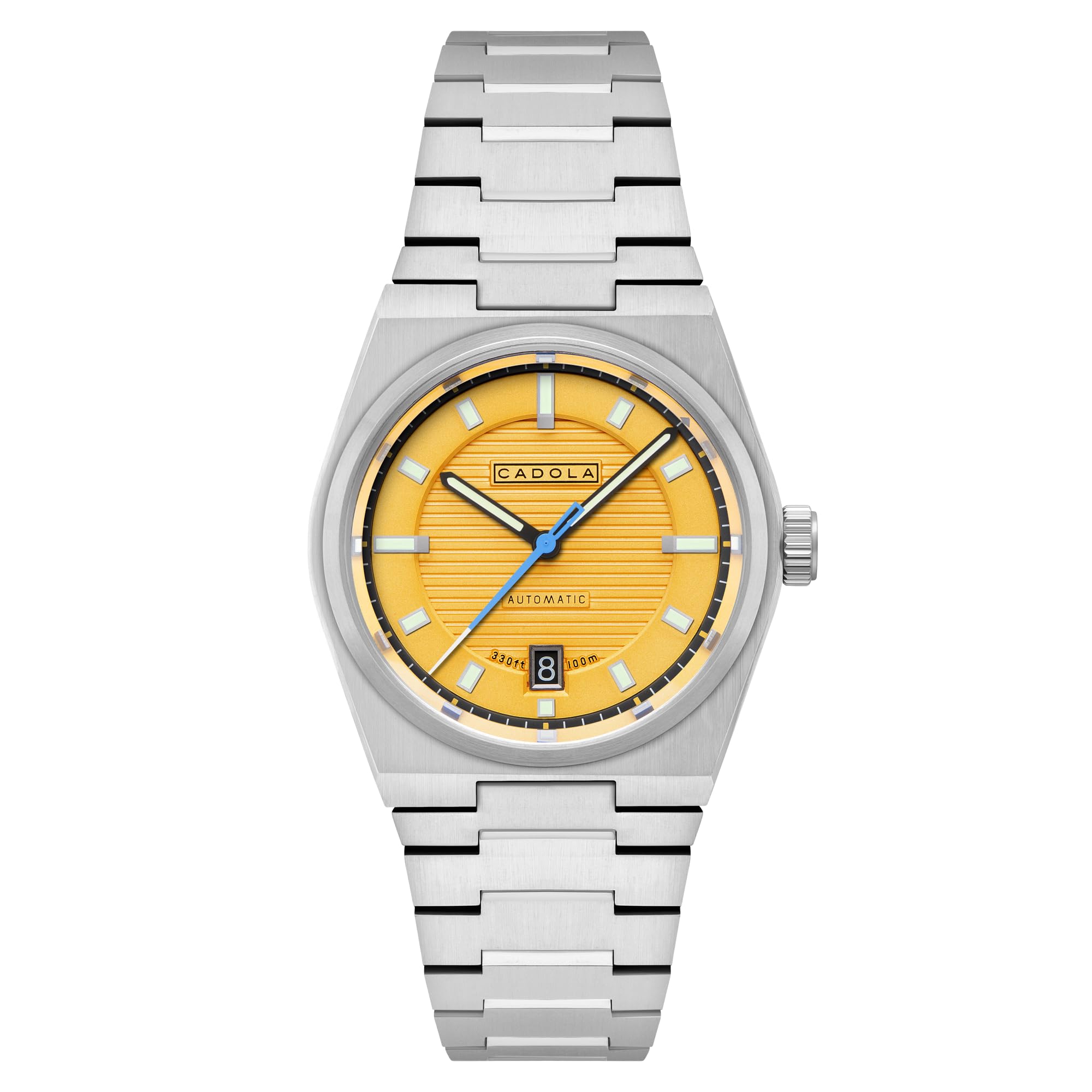
Pass mark: you can read the time in one glance, in bright sun and in a dim room. Look for hands that reach close to the markers, strong contrast, and lume on hands and key markers. At 41mm the dial has room for a date window that does not crowd the numerals, so fail designs where the date cuts a marker in half or sits at an awkward angle. Style should suit your wardrobe: a clean dial on steel covers work and weekends, while bold colors and bezels narrow the settings where the watch feels right.
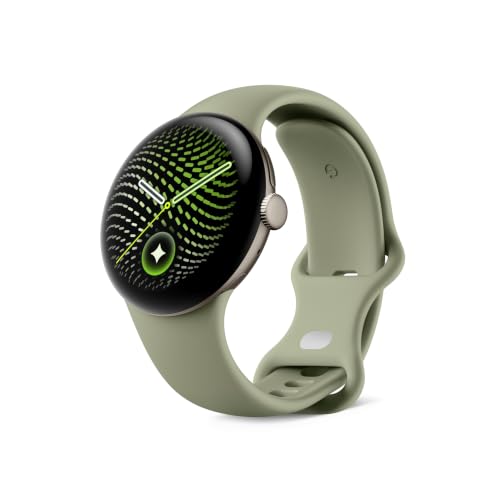
Smart and Fitness Features
Pass mark: smart features that solve a real need, such as GPS for runs or contactless pay, with battery life of at least a few days. If you train seriously, our guide to the best workout watches covers dedicated sport models in depth. Remember that heart rate and sleep data from any wrist device are fitness guidance, not medical readings, and they never replace a doctor's advice. Fail hybrid designs that bury basic time reading behind menus, and skip smart features entirely if you want a watch that still works in twenty years.
Three Profiles That Pass Our Checklist
Use these profiles to sort listings in the product table above. Each describes a watch type that passes our criteria for a clear group of buyers.
Best Overall Profile
The overall profile, around $250 to $700, combines a sapphire crystal, a proven automatic or solar movement, and 100 meter water resistance in a steel case. The dial stays clean, the bracelet uses solid links, and the brand offers real service support. This profile suits buyers who want one watch for work, travel, and weekends, including most readers comparing the best watches for guys across sizes. Its limit is that specialist buyers will still want a second watch: a true diver for the ocean or a slim dress piece for formal wear.
Best Value Profile
The value profile, around $100 to $250, passes the checklist where it counts: accurate Japanese quartz or a basic automatic movement, mineral glass, and 50 to 100 meter water resistance. It skips sapphire and fancy finishing, which are fair trades at this price. This profile suits students, new collectors, and anyone who wants the 41mm look without worry. Its limit is finish wear over time. Treat it as an everyday watch you enjoy now, not an heirloom, and its value equation works in your favor for years.
Best Premium Profile
The premium profile, around $700 to $3000, passes every line of the checklist with room to spare. Expect sapphire front and often back, an in house or top grade automatic movement, 200 meter ratings on sport models, and finishing you can see under a loupe. Buyers cross shopping our guide to the best male watches will meet the same names at this level across many sizes. The limit is cost of ownership: servicing runs higher, and theft risk makes insurance worth considering for a watch at this level.
Quick Buyer Checklist
Ask these questions before you pay. Five or more yes answers mean the watch fits your life, not just your eye.
- Is the movement named, with accuracy and service details published?
- Is the crystal sapphire, or honestly priced mineral glass?
- Does the water rating match your swimming and travel habits?
- Does the lug to lug span sit within your wrist without overhang?
- Can you buy spare straps in the correct lug width easily?
- Is the warranty at least two years with United States service?
- Would you still choose it at full price without a discount banner?
Red Flags to Watch For
Some listings fail before you even reach the specs. Be wary of water claims with no meter rating, movement descriptions that name no maker or caliber, and photos stolen from other brands. Prices that swing wildly between sellers of the same model suggest grey market stock with no valid warranty, which matters the first time you need service. Short warranties of 90 days on a watch priced like a long term purchase are another clear warning. Finally, distrust review counts that jump by hundreds in a week with generic praise, because steady, specific feedback is what honest products earn.
How to Make Your 41mm Watch Last Longer
Passing the checklist gets you a good watch. These habits keep it good.
- Service automatic watches every 5 to 7 years: fresh lubricant and new seals protect both accuracy and water resistance.
- Rinse after saltwater exposure: fresh water removes salt that creeps into crowns, bezels, and bracelet pins.
- Store away from magnets: keep the watch clear of speakers, tablet covers, and bag clasps that can magnetize the movement.
- Rest leather straps: rotate to a bracelet or fabric strap in summer so sweat does not ruin the leather in one season.
41mm Watches: Your Questions Answered
Quartz or automatic: which is better at 41mm?
Quartz is better if you value accuracy, a thinner case, and zero winding between wears. Automatic is better if you enjoy mechanical craft and wear the watch most days, keeping it wound. At 41mm both movements come in every style, and case quality matters more than the movement debate. A useful tie breaker is your drawer test: if the watch will sit for a week at a time, quartz or solar will always be ready when you reach for it.
What case size fits my wrist if 41mm feels big?
Drop to 38 or 39mm if the lugs of a 41mm watch overhang your wrist or the dial covers your whole wrist top. Lug to lug span matters more than diameter, so a compact 41mm can wear smaller than a long lug 39mm. Measure your wrist first: under about 6.25 inches usually suits smaller cases, while 6.5 to 7.5 inches wears 41mm with ease. Trying the watch late in the day, when your wrist is largest, gives the truest fit.
Is a smartwatch worth it over a classic 41mm watch?
It is worth it if you act on its data and alerts daily. For training plans, sleep trends, and phone free runs, a smartwatch does things no classic watch can. But its useful life is three to five years, while a classic 41mm watch serves for decades and needs no charging. Many owners split the roles: smartwatch for sport and work alerts, classic watch for evenings and events. Choose based on which hours of your day matter most, not on feature lists.
How water resistant should a 41mm watch be?
Choose 100 meters if you swim, snorkel, or travel where the watch will get soaked, and 200 meters for diving. A 30 to 50 meter rating suits office life, rain, and hand washing only. Whatever you buy, keep leather straps dry and have the seals tested every few years. One extra caution: never operate the crown or pushers underwater unless the maker explicitly allows it, because that is how most water damage actually happens.
How long does a watch battery last in a 41mm quartz watch?
Expect two to three years from most quartz movements, and up to five from simple three hand models without extra features. Chronographs and alarms drain batteries faster. When the watch starts losing time or the seconds hand jumps in steps, book a battery change soon rather than waiting for a full stop. Ask the watchmaker to check the case seals during the same visit, since opening the case is the perfect moment to confirm the water resistance still holds.
The Bottom Line
Let the checklist lead: named movement, honest materials, a water rating that matches your life, and a warranty with real service behind it. Match one of the three profiles to your budget and the decision gets simple. The best 41mm watches pass those checks without drama. Compare your finalists in the comparison table above and buy the one that passes most cleanly.